
Which one among the following pairs of mine and mineral is NOT correctly matched ?
- (a)Bailadila : Iron Ore
- (b)Zawar : Zinc
- (c)Ghatsila : Copper
- (d)Kudremukh : Bauxite
Answer
Why
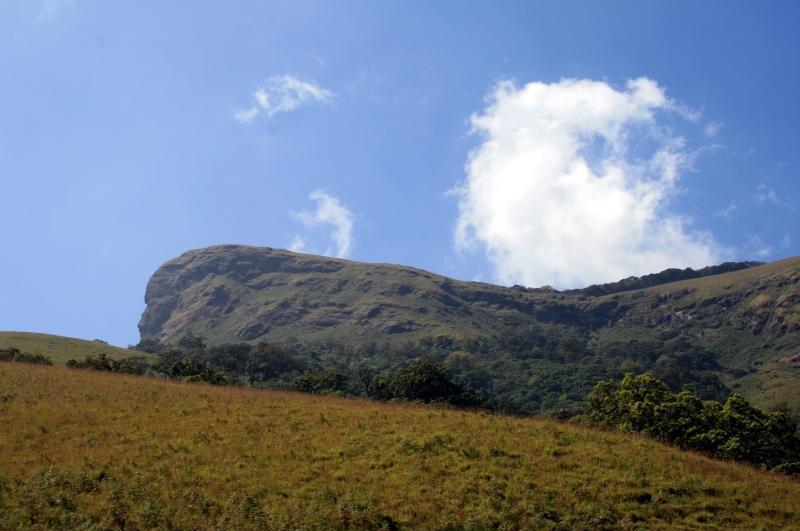
Correct — D, Kudremukh paired with bauxite. Kudremukh is a mountain range and peak in Chikmagalur district of Karnataka, and it is an iron-ore location, not a bauxite one — the Kudremukh Iron Ore Company worked a low-grade iron deposit there for about thirty years until the operation closed in 2006 on environmental grounds. The other three pairs are all correctly matched, so the mismatch the question is hunting for is this one.
Why the others are wrong
- (a)Bailadila : Iron Ore — Correctly matched, so not the answer. The Bailadila range near Kirandul in Dantewada district of Chhattisgarh yields high-grade hematite iron ore, worked by NMDC and railed out through Visakhapatnam.
- (b)Zawar : Zinc — Correctly matched. Zawar, near Udaipur in Rajasthan, is a Hindustan Zinc township producing zinc and lead. It is one of the oldest zinc-mining sites in the world and has been declared a National Geological Monument.
- (c)Ghatsila : Copper — Correctly matched. Ghatsila in East Singhbhum district of Jharkhand is a copper town — it is nicknamed Copper City and the Hindustan Copper works stand at Moubhandar just outside it.
Concept
Mine-to-mineral matching rewards a two-step habit rather than rote listing. Every mining name in the syllabus sits in a state, and every state has a short signature list of what it produces. Fix the place to its state first and the mineral usually follows — Bailadila to Chhattisgarh, Zawar to Rajasthan, Ghatsila to Jharkhand, Kudremukh to Karnataka.
Two of the four options here are iron-ore sites, and that is precisely the confusion the setter is exploiting — a candidate who confidently remembers Bailadila as iron ore may assume the paper would not use the same mineral twice, and so leaves Kudremukh alone. Do not reason from what a paper ‘would’ do. Karnataka's iron belts, Kudremukh among them, are the state's signature; the Western Ghats setting of Kudremukh tempts students towards bauxite because bauxite is a weathering product of humid uplands, but the deposit worked there was iron. It is also worth remembering that Kudremukh has not been a working mine since 2006, so it survives in the syllabus as a location rather than as current production.
Key facts
- Kudremukh is a mountain range and peak in Chikmagalur district, Karnataka; the Kudremukh Iron Ore Company mined low-grade iron ore there and the operation was closed in 2006 on environmental grounds.
- Bailadila lies near Kirandul in Dantewada district, Chhattisgarh, and produces high-grade hematite iron ore.
- Zawar, in Udaipur district of Rajasthan, is worked by Hindustan Zinc for zinc and lead and is one of the world's oldest zinc-mining sites.
- Ghatshila, in East Singhbhum district of Jharkhand, is a copper centre with Hindustan Copper's works at nearby Moubhandar.
Study next
Common traps
- Assuming a set of pairs will not repeat a mineral, and therefore leaving the second iron-ore option unexamined.
- Reading Kudremukh as bauxite because it sits in the humid Western Ghats.
As a not-correctly-matched pair like this one, as a four-by-four match list, or as a plain ‘which state leads in mineral X’.
Related PYQs
Match List-I (Aluminium Company) with List-II (Location) and select the correct answer using the code given below the Lists — A. BALCO, B. HINDALCO, C. Indian Aluminium Company, D. NALCO against 1. Hirakud, 2. Korba, 3. Koraput, 4. Renukoot
- (a) A-3 B-1 C-4 D-2
- (b) A-2 B-4 C-1 D-3
- (c) A-3 B-4 C-1 D-2
- (d) A-2 B-1 C-4 D-3
Answer(b) A-2 B-4 C-1 D-3
The next rung of the same chain. NDA asks where a mineral is mined; UPSC asks where the plant that processes it stands — BALCO at Korba, HINDALCO at Renukoot, Indian Aluminium at Hirakud and NALCO at Koraput. Learning mine and plant together makes both kinds of item easy.
Which one among the following states is the leading producer of Manganese in India ?
- (a) Madhya Pradesh
- (b) Jharkhand
- (c) Rajasthan
- (d) Karnataka
Answer(a) Madhya Pradesh
The same mineral-geography habit tested the other way in the previous session — state to mineral instead of mine to mineral. Both are answered from one table of India's producing belts.
Practice
- practice — not a real PYQ
The Bailadila iron-ore range lies in which one of the following states?
- (a)Odisha
- (b)Chhattisgarh
- (c)Jharkhand
- (d)Karnataka
Answer(b) Chhattisgarh — the range is near Kirandul in Dantewada district. - practice — not a real PYQ
Zawar, one of the oldest zinc-mining sites in the world, is located in
- (a)Rajasthan
- (b)Gujarat
- (c)Madhya Pradesh
- (d)Andhra Pradesh
Answer(a) Rajasthan — near Udaipur, worked today by Hindustan Zinc.