
Which one of the following is not an example of a redox reaction?
- (a)AlCl₃ + 3H₂O → Al(OH)₃ + 3HCl
- (b)2NaH → 2Na + H₂
- (c)4Fe + 3O₂ → 2Fe₂O₃
- (d)CuSO₄ + Zn → Cu + ZnSO₄
Answer
Why
Correct — A, AlCl₃ + 3H₂O → Al(OH)₃ + 3HCl. In a redox reaction the oxidation numbers of some elements change. Here aluminium stays +3, chlorine stays −1, hydrogen +1 and oxygen −2 throughout — it is a hydrolysis (double-displacement) reaction with no change in oxidation state, so it is not redox. In (b), (c) and (d) elements do change oxidation number, so those are all redox reactions.
Why the others are wrong
- (b)2NaH → 2Na + H₂ — This is redox — sodium goes from +1 to 0 (reduced) and hydrogen from −1 to 0 (oxidized), so oxidation numbers change.
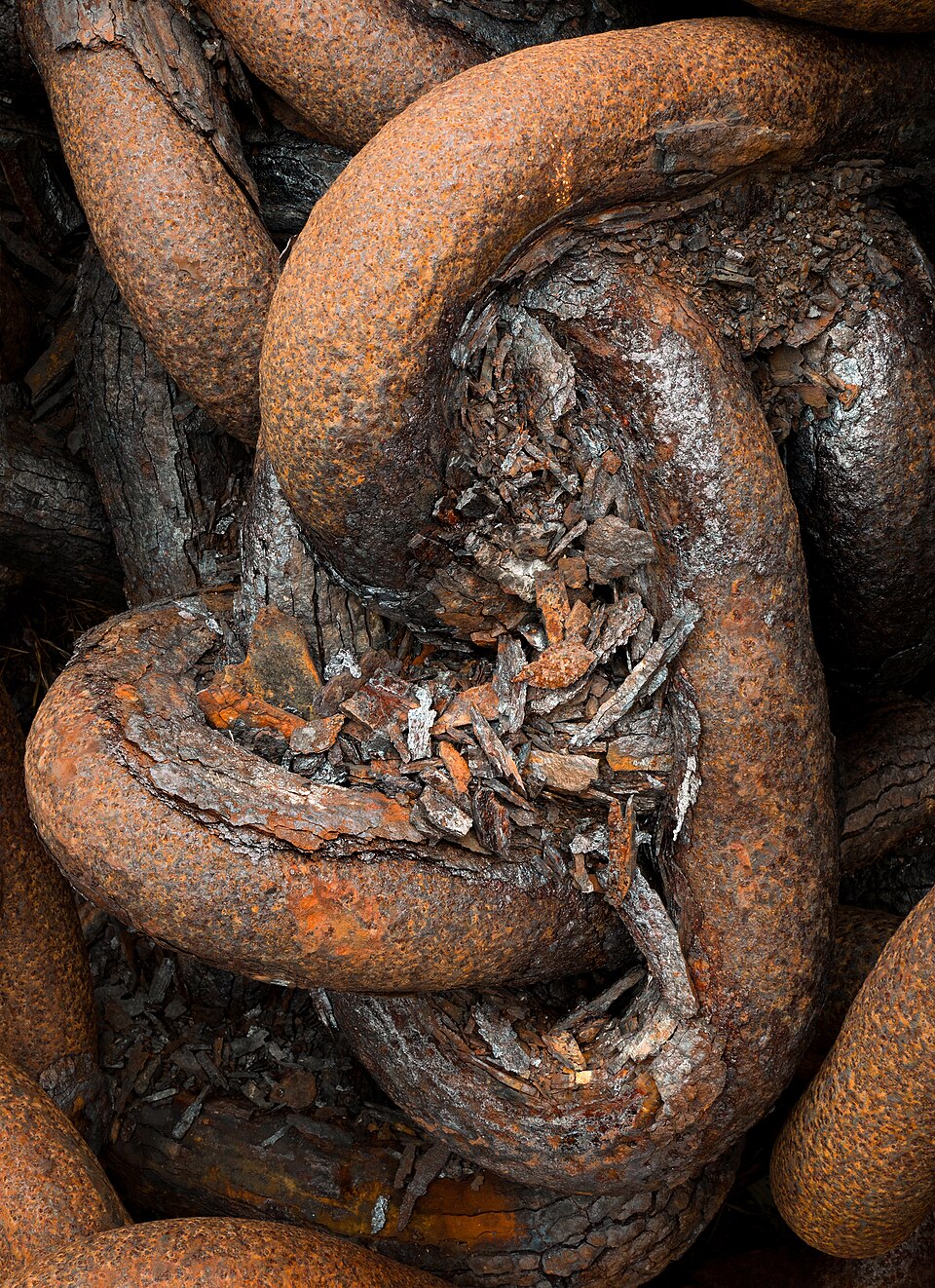
- (c)4Fe + 3O₂ → 2Fe₂O₃ — This is redox — iron is oxidized from 0 to +3 and oxygen reduced from 0 to −2 (this is rusting).
- (d)CuSO₄ + Zn → Cu + ZnSO₄ — This is a redox displacement — zinc is oxidized from 0 to +2 and copper reduced from +2 to 0.
Concept
A redox (reduction-oxidation) reaction involves simultaneous oxidation and reduction, shown by a change in the oxidation numbers of the elements involved. Reactions in which no oxidation state changes — such as hydrolysis, precipitation, or acid-base neutralisation — are not redox.
The test is mechanical: assign oxidation numbers on both sides. Three of these show clear changes (metal displacement, rusting, hydride decomposition); only the hydrolysis of aluminium chloride leaves every element's oxidation number unchanged.
Key facts
- Redox = oxidation (loss of electrons / rise in oxidation number) plus reduction (gain / fall).
- Hydrolysis of a salt (AlCl₃ + H₂O) keeps all oxidation states fixed, so it is not redox.
- Rusting (Fe + O₂) and metal displacement (Zn + CuSO₄) are common redox reactions.
- Decomposition of a hydride (NaH → Na + H₂) is also redox.
Study next
Common traps
- Assuming every reaction that forms new products is redox — hydrolysis and neutralisation are not.
- Missing that hydrolysis of a salt keeps every oxidation state unchanged.
Identify the non-redox reaction by checking which equation has no change in any element's oxidation number.
Related PYQs
Which one of the following statements regarding oxidation and reduction reactions is NOT correct?
- (a) If a substance loses hydrogen during reaction, it is reduced
- (b) If a substance loses oxygen during reaction, it is reduced
- (c) If a substance gains hydrogen during reaction, it is reduced
- (d) If a substance gains oxygen during reaction, it is oxidized
Answer(a) If a substance loses hydrogen during reaction, it is reduced
Same core idea — recognising oxidation and reduction. That item tests the loss/gain rules; this one tests spotting the non-redox reaction among four equations.
Which one among the following is an example of oxidation reaction?
- (a) Freezing of water
- (b) Dissolving sugar in water
- (c) Rusting of iron
- (d) Boiling of petrol
Answer(c) Rusting of iron
Rusting (4Fe + 3O₂ → 2Fe₂O₃) is exactly option C here — a redox reaction, reinforcing which processes are redox and which are only physical changes.
Practice
- practice — not a real PYQ
Which one of the following is a redox reaction?
- (a)NaOH + HCl → NaCl + H₂O
- (b)Zn + CuSO₄ → ZnSO₄ + Cu
- (c)AgNO₃ + NaCl → AgCl + NaNO₃
- (d)CO₂ + H₂O → H₂CO₃
Answer(b) Zn + CuSO₄ → ZnSO₄ + Cu — zinc is oxidized and copper reduced; the others have no change in oxidation number. - practice — not a real PYQ
In the reaction Zn + CuSO₄ → ZnSO₄ + Cu, the reducing agent is
- (a)Cu
- (b)Zn
- (c)SO₄²⁻
- (d)CuSO₄
Answer(b) Zn — it loses electrons (is oxidized) and so reduces copper.