
Which one of the following is not a bio-mass energy source?
- (a)Wood
- (b)Nuclear reactor
- (c)Gobar gas
- (d)Coal
Answer
Why
Correct — B, Nuclear reactor. Bio-mass energy comes from plant and animal matter — wood and gobar (cow-dung) gas are clear bio-mass sources, and coal is a fossil fuel formed from the buried remains of ancient plants, so it too traces back to bio-mass. A nuclear reactor releases energy by the fission of heavy nuclei such as uranium, which has nothing to do with plant or animal matter, so it is the one that is not a bio-mass source.
Why the others are wrong
- (a)Wood — Wood is a direct bio-mass fuel — burning plant matter releases stored chemical energy — so it is a bio-mass source, not the exception.
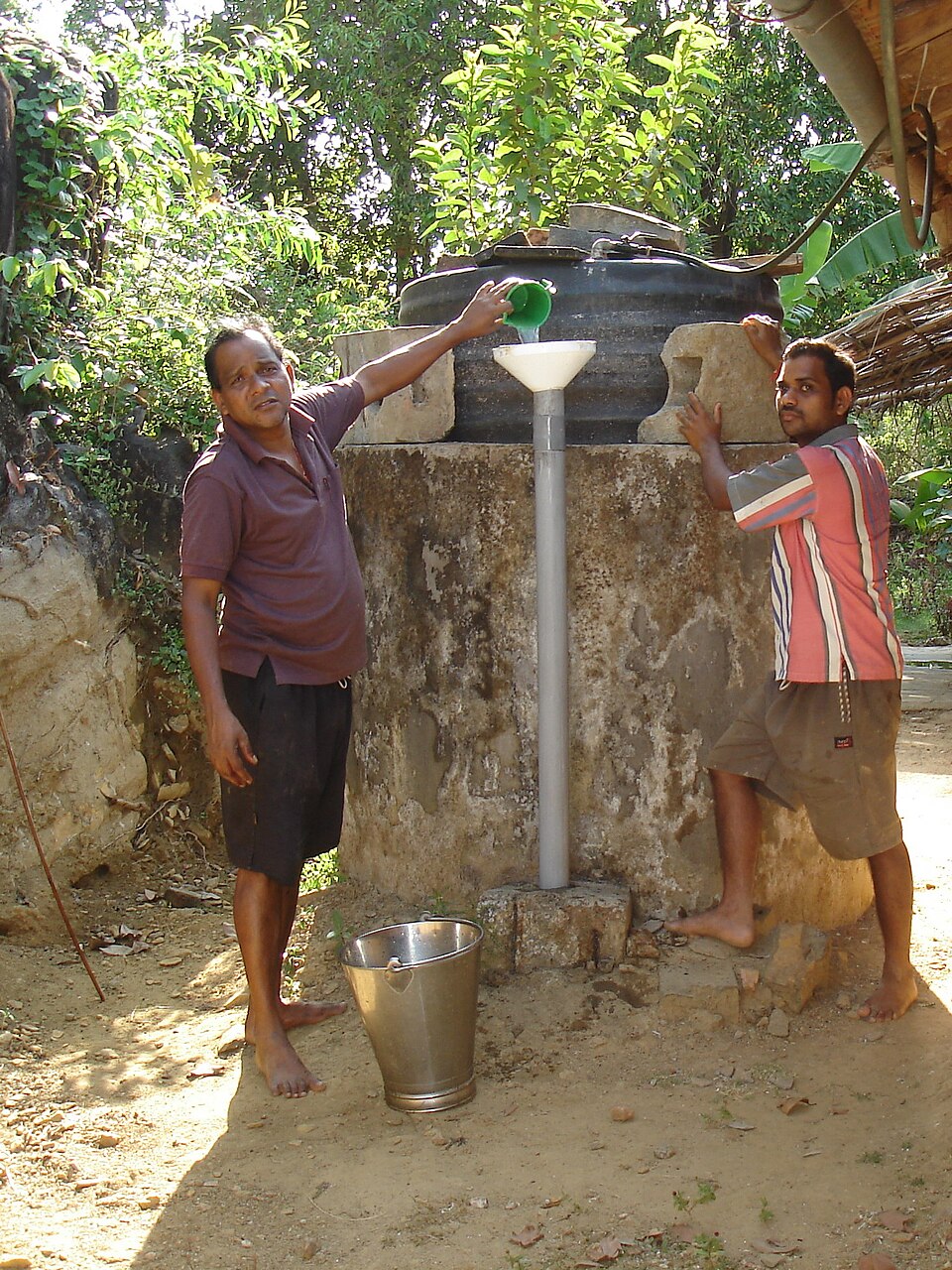
- (c)Gobar gas — Gobar (bio) gas is produced by the anaerobic decomposition of cattle dung, i.e. animal matter, making it a classic bio-mass source, not the answer.
- (d)Coal — Coal is a fossil fuel formed over millions of years from buried plant remains; because it originates from ancient bio-mass it is grouped here as bio-mass-derived, so it is not the odd one out.
Concept
Bio-mass is organic matter — wood, crop residue, animal dung and the biogas made from them — burnt or digested to release energy that originally came from the Sun via photosynthesis. Coal and petroleum are fossil fuels formed from bio-mass buried long ago. Nuclear energy is different in kind: it comes from splitting heavy atomic nuclei, not from living or once-living matter.
The tempting choice is coal, which students may reject as 'not bio-mass' because it is a fossil fuel; but the question treats coal as bio-mass in origin. The clean, unambiguous non-bio-mass source is the nuclear reactor, whose energy comes from fission.
Key facts
- Bio-mass is organic (plant and animal) matter used as fuel — wood, crop waste, cattle dung and biogas.
- Gobar (bio) gas is produced by anaerobic decomposition of dung; its main constituent is methane.
- Coal and petroleum are fossil fuels formed from the buried remains of ancient organisms (bio-mass origin).
- Nuclear energy comes from the fission of heavy nuclei such as uranium, not from bio-mass.
Study next
Common traps
- Rejecting coal as non-bio-mass — the question counts it as bio-mass in origin.
- Overlooking that a nuclear reactor runs on fission, not on organic matter.
Asked as 'which is / is not a bio-mass (or conventional / non-conventional) source of energy?'
Related PYQs
Biomass gasification is considered to be one of the sustainable solutions to the power crisis in India. In this context, which of the following statements is/are correct? 1. Coconut shells, groundnut shells and rice husk can be used in biomass gasification. 2. The combustible gases generated from biomass gasification consist of hydrogen and carbon-dioxide only. 3. The combustible gases generated from biomass gasification can be used for direct heat generation but not in internal combustion engines. Select the correct answer.
- (a) 1 only
- (b) 2 and 3 only
- (c) 1 and 3 only
- (d) 1, 2 and 3
Answer(a) 1 only — agricultural residues are valid feedstock; statements 2 and 3 are wrong.
Same concept — bio-mass as an energy source, here through gasification of agricultural residues, the same category as wood and gobar gas in this question.
Which one of the following is a non-conventional source of energy?
- (a) Petroleum
- (b) Natural Gas
- (c) Tidal energy
- (d) Coal
Answer(c) Tidal energy
Same concept — classifying sources of energy; here separating a non-conventional source from fossil fuels, the sorting skill used to spot the non-bio-mass source.
Which one of the following is the major constituent of biogas?
- (a) Carbon dioxide
- (b) Nitrous oxide
- (c) Methane
- (d) Oxygen
Answer(c) Methane
Directly related — the composition of gobar (bio) gas, one of the bio-mass sources this question relies on.
Practice
- practice — not a real PYQ
The main combustible constituent of gobar (bio) gas is
- (a)carbon dioxide
- (b)methane
- (c)hydrogen
- (d)hydrogen sulphide
Answer(b) methane — the chief combustible gas in biogas. - practice — not a real PYQ
Energy in a nuclear reactor is obtained mainly by
- (a)burning bio-mass
- (b)fission of heavy nuclei such as uranium
- (c)combustion of fossil fuels
- (d)photosynthesis
Answer(b) fission of heavy nuclei such as uranium — which is why it is not a bio-mass source.