
Permanent hardness of water cannot be removed by which one of the following methods?
- (a)Treatment with washing soda
- (b)Calgon's method
- (c)Boiling
- (d)Ion exchange method
Answer
Why
Correct: C, boiling. Boiling is the standard cure for temporary hardness, not permanent hardness, and the distinction is the whole point of the question. Temporary hardness is caused by the dissolved hydrogencarbonates (bicarbonates) of calcium and magnesium, and heat decomposes them: calcium hydrogencarbonate breaks down into insoluble calcium carbonate, water and carbon dioxide, and the carbonate drops out as the scale that furs up a kettle. Permanent hardness comes from the chlorides and sulphates of the same two metals, and those salts are perfectly stable to heat: boil the water all day and the calcium sulphate and magnesium chloride are still dissolved in it. Removing them needs a chemical that either precipitates the metal ions or takes them out of the water altogether, which is what each of the other three options does.
Why the others are wrong
- (a)Treatment with washing soda: Washing soda is sodium carbonate, and its carbonate ions precipitate the calcium and magnesium as insoluble carbonates, leaving soluble sodium chloride or sodium sulphate behind. It works on permanent hardness precisely because it attacks the metal ion rather than the anion that heat would have to break.
- (b)Calgon's method: Calgon is sodium hexametaphosphate. It does not precipitate anything: it locks the calcium and magnesium into a soluble complex ion so that they can no longer react with soap or form scale. Because it sequesters the metal ions themselves, it deals with permanent hardness as readily as with temporary.
- (d)Ion exchange method: An ion-exchange resin or a zeolite swaps its own sodium ions for the calcium and magnesium ions in the water as it flows through the bed. Since the hardness-causing ions physically leave the water and stay on the resin, the method removes both kinds of hardness, and the resin is later regenerated with brine.
Concept
Hard water is water carrying dissolved calcium and magnesium ions, and it is classified by whether simple heating will get rid of them. Temporary hardness is due to the hydrogencarbonates of calcium and magnesium, which decompose on boiling to insoluble carbonates; permanent hardness is due to the chlorides and sulphates of the same metals, which are thermally stable. That is why permanent hardness has to be tackled chemically: by precipitating the ions (washing soda, or the lime-soda process), by sequestering them (Calgon), or by exchanging them out of the water (zeolite or synthetic resin).
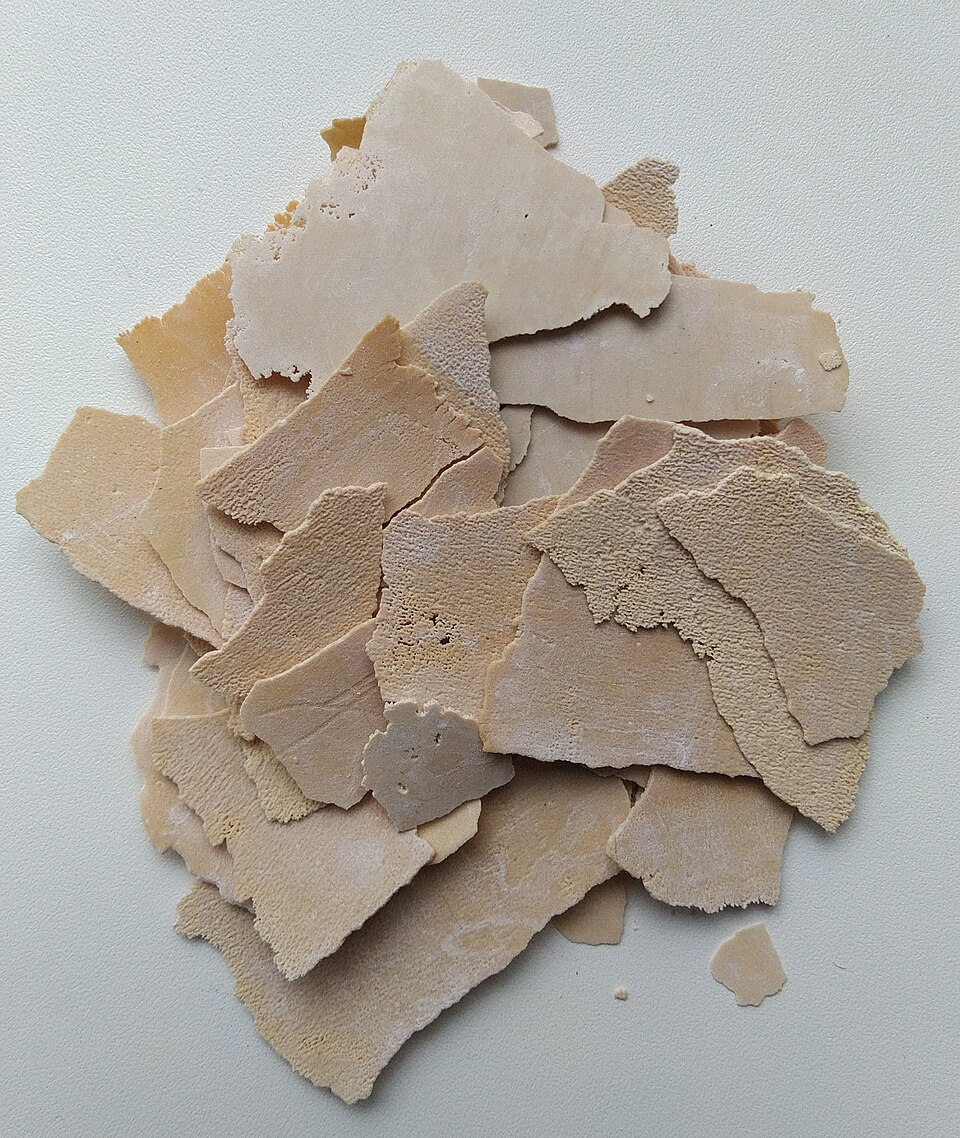
The question is really asking you to sort one method away from three, and the sorting rule is what each method acts on. Washing soda, Calgon and ion exchange all go after the calcium and magnesium ions, which are present in both kinds of hardness. Boiling goes after the hydrogencarbonate ion, which is present only in temporary hardness. So the odd one out is the only method whose target is missing from permanently hard water. Everyday evidence sits in your kitchen: the white crust inside an electric kettle is the calcium carbonate that boiling threw out of solution, and a kettle in a permanently hard supply would not build it up the same way.
Key facts
- Temporary hardness is caused by the hydrogencarbonates of calcium and magnesium and is removed by boiling or by adding slaked lime (Clark's process).
- Permanent hardness is caused by the chlorides and sulphates of calcium and magnesium, which do not decompose on heating.
- Calgon is sodium hexametaphosphate; it holds the hardness ions in a soluble complex instead of precipitating them.
- Zeolite or resin softeners exchange sodium ions for calcium and magnesium ions, and are regenerated by flushing with concentrated sodium chloride solution.
Study next
Common traps
- Reading 'permanent' as merely 'a lot of hardness'. The label refers to the anion involved, not to the amount.
- Assuming that anything that softens water must precipitate something: Calgon works by keeping the hardness ions dissolved but unreactive.
- Confusing washing soda (sodium carbonate) with baking soda (sodium hydrogencarbonate); only the first precipitates hardness ions.
NDA asks either which salts cause which kind of hardness, or which single method in a list will or will not work on permanent hardness.
Related PYQs
Consider the following statements: Hard water is not suitable for I. Drinking. II. Washing clothes with soap. III. Use in boilers. IV. Irrigating crops. Which of these statements are correct?
- (a) I and III
- (b) II and III
- (c) I, II and IV
- (d) I, II, III and IV
Answer(b) II and III
Explains why softening matters at all: hard water curdles soap and scales boilers, which is what the three working methods in this NDA item are meant to prevent.
Temporary hardness in water is due to which one of the following of Calcium and Magnesium ?
- (a) Hydrogencarbonates
- (b) Carbonates
- (c) Chlorides
- (d) Sulphates
Answer(a) Hydrogencarbonates
The exact fact this card turns on, asked from the other direction: boiling fails on permanent hardness because the hydrogencarbonate is missing.
Practice
- practice, not a real PYQ
Temporary hardness of water is due to the presence of
- (a)chlorides of calcium and magnesium
- (b)sulphates of calcium and magnesium
- (c)hydrogencarbonates of calcium and magnesium
- (d)nitrates of sodium and potassium
Answer(c) hydrogencarbonates of calcium and magnesium: they decompose on boiling into insoluble carbonates. - practice, not a real PYQ
The chemical name of the substance sold as Calgon, used to soften water, is
- (a)sodium carbonate
- (b)sodium hexametaphosphate
- (c)calcium hydroxide
- (d)sodium aluminium silicate
Answer(b) sodium hexametaphosphate: it holds calcium and magnesium ions in a soluble complex so they cannot form scale or curdle soap.