
Directions : The following six (6) items consist of two statements, Statement I and Statement II. Examine these two statements carefully and select the correct answer using the code given below. Statement I : Mughal Painting reached its climax during the reign of Jahangir. Statement II : Aurangzeb's Court was adorned by some of the best known artists of the Mughal School of Painting.
- (a)Both the statements are individually true and Statement II is the correct explanation of Statement I
- (b)Both the statements are individually true but Statement II is not the correct explanation of Statement I
- (c)Statement I is true but Statement II is false
- (d)Statement I is false but Statement II is true
Answer
Why
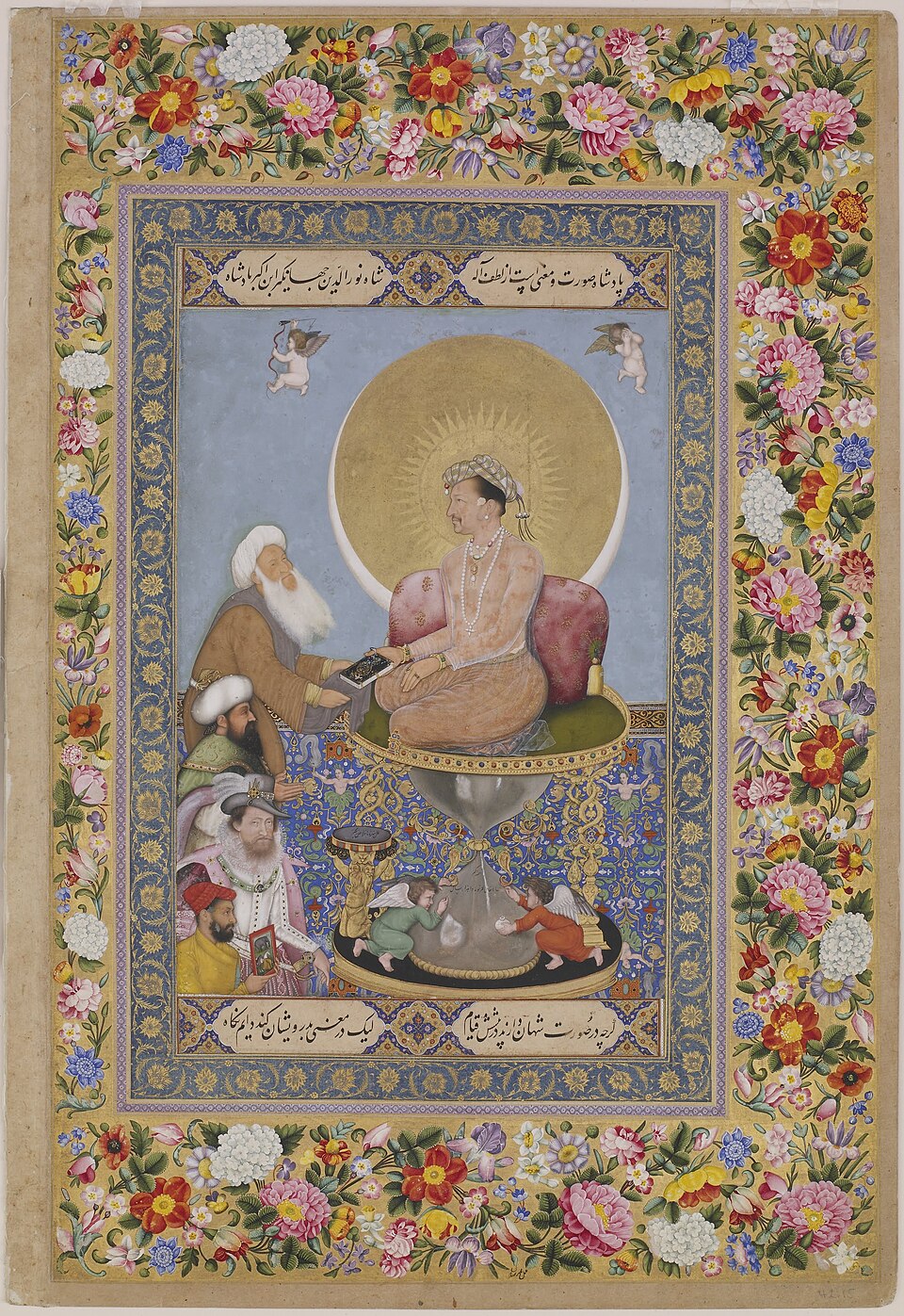
Correct: C, Statement I is true but Statement II is false. Statement I is the settled art-historical position and the one UPSC itself has marked correct: Mughal painting reached its climax under Jahangir (1605-1627). He was a genuine connoisseur, claimed in his memoirs that he could name the individual hand behind each figure in a composite picture, and turned the imperial studio away from the great illustrated manuscripts of Akbar's reign towards single-sheet portraits, album pages and minutely observed studies of birds, animals and flowers: the work of Ustad Mansur and Bichitr belongs here. Statement II fails. Aurangzeb (1658-1707) was never an enthusiastic patron of painting, largely on religious grounds; imperial commissions effectively stopped around 1668, and the painters trained in the imperial workshop drifted away to the Rajput, Pahari, Deccani and Awadh courts. One statement true, the other false, gives (c).
Why the others are wrong
- (a)Both the statements are individually true and Statement II is the correct explanation of Statement I: Both codes that begin 'Both the statements are individually true' fail here on Statement II, and this one compounds the error by asking Aurangzeb's patronage to explain a climax that had already passed two reigns earlier.
- (b)Both the statements are individually true but Statement II is not the correct explanation of Statement I: Fails for the same reason as (a). Statement II is not merely irrelevant to Statement I, it is untrue: Aurangzeb withdrew patronage rather than gathering the best painters of the school around him.
- (d)Statement I is false but Statement II is true: Reverses the truth values. Statement I is the accepted account of when the school peaked, and Statement II is the one that does not survive checking.
Concept
The Mughal school of painting began with Mir Sayyid Ali and Abd-us-Samad, the Persian masters Humayun brought back from Safavid Iran. Under Akbar it became a large workshop turning out illustrated histories and translations. Under Jahangir it narrowed and deepened: fewer, finer pictures, softer colour, European devices of perspective and shading absorbed from the prints and paintings reaching the court, and a new interest in the individual portrait and the natural-history study. Shah Jahan's reign kept the technical polish but made it more formal, and under Aurangzeb imperial patronage dried up.
The examiner is testing a decline as much as a peak. Once you know that Aurangzeb turned away from court painting, the second statement collapses on sight and the code is decided. It is worth holding the consequence too, because it is asked in its own right: the dispersal of imperially trained painters after Aurangzeb is exactly how the Mughal idiom seeded the Rajasthani, Pahari and Deccani schools, so the end of the imperial studio is the beginning of the regional ones. One caution on wording: some art historians describe the great period as spanning Akbar, Jahangir and Shah Jahan together, but where an exam asks for the single reign of climax, the answer expected is Jahangir's.
Key facts
- Mughal painting was founded by Mir Sayyid Ali and Abd-us-Samad, brought to India by Humayun.
- Akbar's studio specialised in large illustrated manuscripts; Jahangir's shifted to album pages, single portraits and natural-history studies.
- Ustad Mansur, Jahangir's celebrated painter of birds and animals, was given the title Nadir-ul-Asr.
- Aurangzeb withdrew patronage from painting and commissioned essentially none after about 1668.
- Painters leaving the imperial workshop carried the Mughal manner into the Rajasthani, Pahari and Deccani schools.
Study next
Common traps
- Crediting Akbar with the climax because his workshop was the largest; volume and peak refinement are not the same thing.
- Assuming every Mughal emperor patronised painting equally, and so accepting the Aurangzeb statement without checking.
- Confusing the decline of the imperial studio with the decline of Indian painting; the regional schools flourished on its dispersal.
Art and culture items on the Mughals usually turn on who patronised what: the emperor of the peak, the emperor who withdrew patronage, or the painter attached to a particular reign.
Related PYQs
Mughal painting reached its zenith under
- (a) Humayun
- (b) Akbar
- (c) Jahangir
- (d) Shahjahan
Answer(c) Jahangir
Statement I of this item, set as a direct question, and the reason the NDA key can treat that statement as settled.
Who among the following Mughal Emperors shifted emphasis from illustrated manuscripts to album and individual portrait?
- (a) Humayun
- (b) Akbar
- (c) Jahangir
- (d) Shah Jahan
Answer(c) Jahangir
Names the specific change of direction that art historians point to when they call Jahangir's reign the school's high point.
Practice
- practice, not a real PYQ
Ustad Mansur, celebrated for his studies of birds and animals, was a painter attached to the court of
- (a)Akbar
- (b)Jahangir
- (c)Shah Jahan
- (d)Aurangzeb
Answer(b) Jahangir: Mansur's natural-history studies answered Jahangir's own interest in closely observed flora and fauna. - practice, not a real PYQ
The dispersal of imperially trained Mughal painters to Rajput and Pahari courts is most directly associated with the withdrawal of court patronage under
- (a)Jahangir
- (b)Shah Jahan
- (c)Aurangzeb
- (d)Bahadur Shah Zafar
Answer(c) Aurangzeb: his withdrawal of patronage from painting pushed trained artists out of the imperial workshop and into regional courts.