
The accidental touch of Nettle leaves creates a burning sensation, which is due to inject of
- (a)Hydrochloric acid
- (b)Methanoic acid
- (c)Citric acid
- (d)Sulphuric acid
Answer
Why
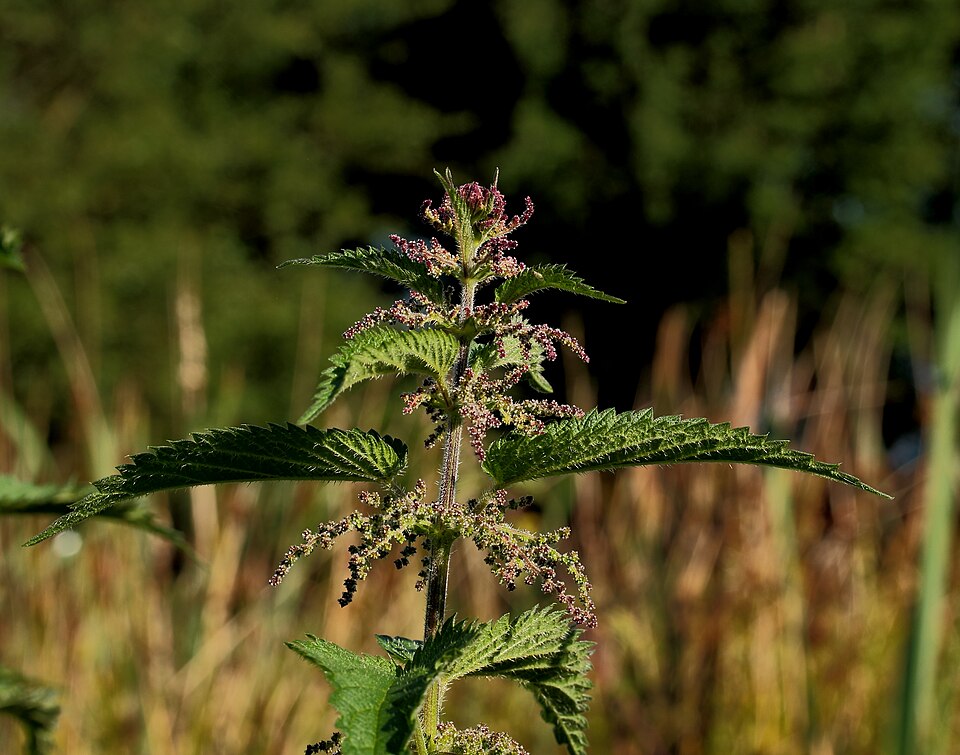
Correct: B, Methanoic acid. The nettle is a wild herbaceous plant whose leaves carry fine stinging hairs. Brush against them and the tips break off, the hair acts like a tiny hypodermic needle, and methanoic acid is injected into the skin, which is what produces the burning and the irritation. Methanoic acid is the modern name for formic acid, the same acid an ant injects when it bites, and the NCERT Class 10 chapter on acids, bases and salts lists the nettle sting against methanoic acid in its table of naturally occurring acids.
Why the others are wrong
- (a)Hydrochloric acid: Hydrochloric acid is a strong mineral acid, not a product of plant tissue. In biology it belongs to the human stomach, where the gastric glands secrete it to activate pepsin and to kill swallowed microbes.
- (c)Citric acid: Citric acid is the acid of lemons, oranges and other citrus fruit. It gives them their sourness, and it does not sting on contact with the skin.
- (d)Sulphuric acid: Sulphuric acid is a corrosive laboratory and industrial acid, made and used industrially. No plant secretes it, and contact with it would burn the skin chemically rather than produce the temporary sting a nettle gives.
Concept
Several plants and animals defend themselves chemically, and school chemistry keeps a short table of which organism supplies which acid. The nettle's stinging hairs inject methanoic acid, also called formic acid, the simplest carboxylic acid. The same acid is delivered by an ant's bite and by a bee's sting. Because the irritant is an acid, the traditional relief is to rub the affected part with a mild base: baking soda, or the leaf of the dock plant, which often grows beside the nettle in the wild.
One printed slip is worth flagging and it changes nothing about the answer. The stem reads 'which is due to inject of', where the sense plainly requires 'injection of'. The booklet is reproduced here as it was printed, and the item is answerable exactly as it stands. On the chemistry itself, the way to secure this family of questions is to learn the source-and-acid pairs together rather than one at a time: nettle sting and ant sting both give methanoic acid, lemon and orange give citric acid, vinegar gives ethanoic acid, tamarind gives tartaric acid, tomato gives oxalic acid, sour milk and curd give lactic acid. NDA has now set an item from this small table in at least four different papers.
Key facts
- The stinging hairs of nettle leaves inject methanoic acid, which is why the sting burns.
- Methanoic acid is the modern name for formic acid, and it is the same acid an ant injects.
- Rubbing the sting with a mild base such as baking soda, or with a dock leaf, relieves it by neutralising the acid.
- Other natural acids to know are citric in citrus fruit, ethanoic in vinegar, tartaric in tamarind, oxalic in tomato and lactic in curd.
- Hydrochloric acid in the human body is secreted by the stomach, not by any plant.
Study next
Common traps
- Choosing a strong mineral acid because the sting feels severe; the strength of the burning sensation is no guide to the strength of the acid.
- Mixing up methanoic and ethanoic acid, which are the first two members of the same family.
- Assuming hydrochloric acid must be involved wherever a burning sensation is described.
NDA asks it by naming the organism and asking for the acid, or the other way round, and has done so repeatedly across papers.
Related PYQs
Stung by hairs of nettle leaves causes burning pain. This is due to the injection of
- (a) Acetic acid
- (b) Methanoic acid
- (c) Sulphuric acid
- (d) Hydrochloric acid
Answer(b) Methanoic acid
Very nearly the same sentence set twelve months before this paper, with acetic acid swapped in for citric among the wrong options. As close to a repeat as NDA gets.
Bee sting leaves an acid which causes pain and irritation. The acid released is
- (a) tartaric acid
- (b) citric acid
- (c) ethanoic acid
- (d) methanoic acid
Answer(d) methanoic acid
The other creature from the same NCERT table, and a warning that the examiner varies the organism while keeping the acid the same.
Practice
- practice, not a real PYQ
The acid present in a red ant's sting is
- (a)acetic acid
- (b)methanoic acid
- (c)oxalic acid
- (d)lactic acid
Answer(b) methanoic acid: the same acid the nettle injects, better known by its older name formic acid. - practice, not a real PYQ
Baking soda relieves the pain of a nettle sting because it
- (a)cools the skin
- (b)neutralises the acid injected
- (c)dissolves the stinging hairs
- (d)kills bacteria in the wound
Answer(b) neutralises the acid injected: sodium hydrogen carbonate is a mild base, and the irritant is an acid.