
The principal use of hydrofluoric acid is
- (a)in etching glass
- (b)as a bleaching agent
- (c)as an extremely strong oxidizing agent
- (d)in the preparation of strong organic fluorine compounds
Answer
Why
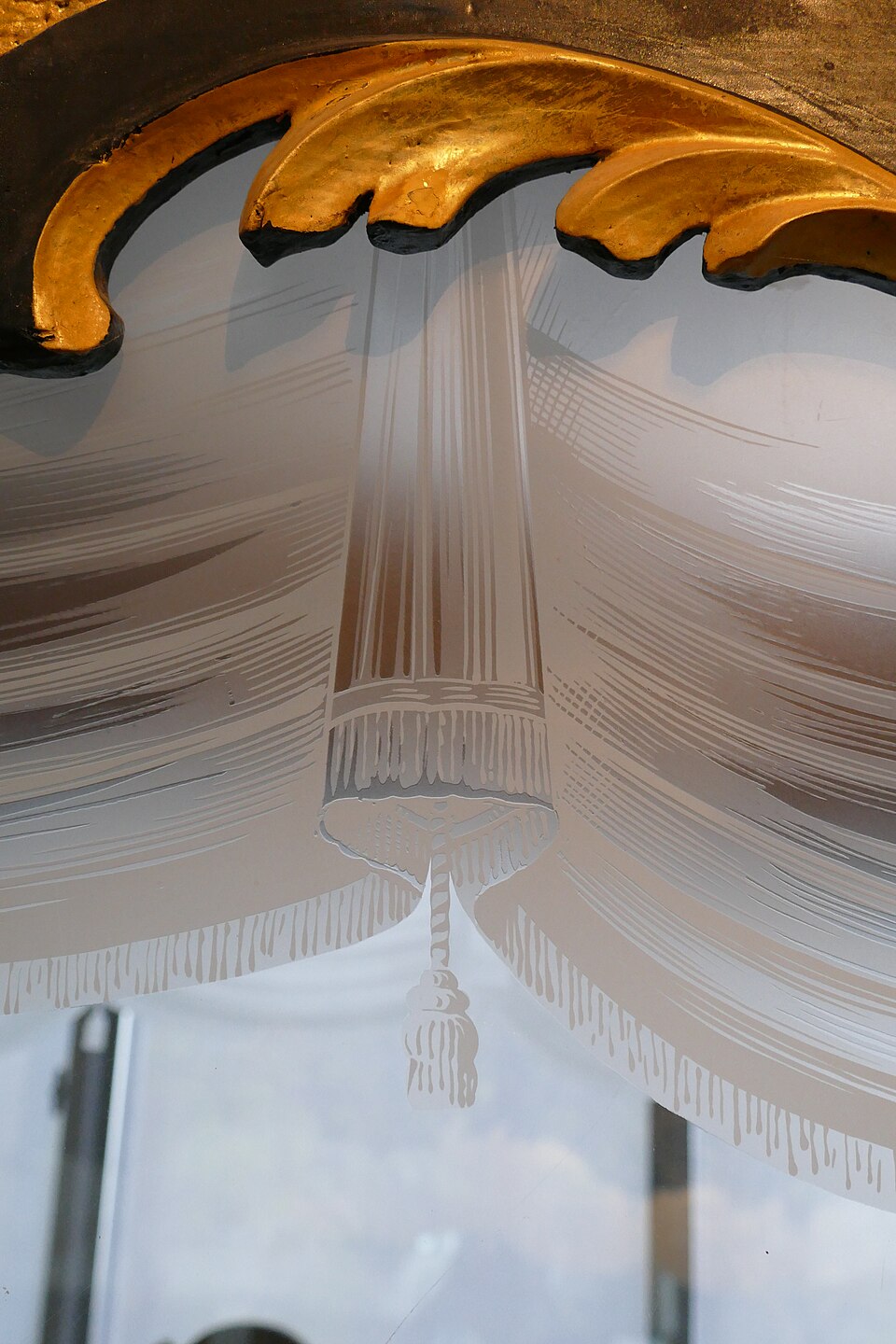
Correct: A, in etching glass. Glass is a network of silicon and oxygen atoms, and almost nothing attacks it: neither concentrated sulphuric acid nor aqua regia makes any impression, which is why laboratory bottles are made of it. Hydrofluoric acid is the exception. Fluoride attacks the silicon-oxygen network directly, converting the silica into silicon tetrafluoride and hexafluorosilicic acid, both of which wash away, so the acid eats into the glass wherever it touches. That is the property put to work in frosting glass, marking graduations on burettes and pipettes, etching decorative and privacy panels and, on a much larger scale, cleaning and shaping silicon wafers in the semiconductor industry. For the same reason hydrofluoric acid can never be kept in a glass bottle; it is stored in plastic.
Why the others are wrong
- (b)as a bleaching agent: Bleaching means destroying colour by oxidation or reduction. The common bleaching agents are chlorine, bleaching powder, sodium hypochlorite, hydrogen peroxide and sulphur dioxide. Hydrofluoric acid does not remove colour; its reactivity is directed at silicates, not at dyes.
- (c)as an extremely strong oxidizing agent: Hydrofluoric acid is actually a weak acid in water, because the hydrogen-fluorine bond is unusually strong, and it is not an oxidising agent at all. Its danger and its usefulness come from the fluoride ion's affinity for silicon and for calcium, not from any tendency to take electrons. Nitric acid and potassium permanganate are the standard examples of strong oxidising agents.
- (d)in the preparation of strong organic fluorine compounds: Organofluorine chemistry is real and important (refrigerants, non-stick coatings and many medicines are fluorinated) and hydrogen fluoride does feed into some of those routes. But that is a specialist industrial use, not the principal one the question asks for, and the property that defines this acid and separates it from every other acid in the laboratory is its attack on glass.
Concept
Hydrofluoric acid is a solution of hydrogen fluoride in water. Unlike the other hydrogen halides it is a weak acid, because the H-F bond is short and strong, but it is intensely corrosive towards silicates and towards living tissue. Fluoride penetrates skin without immediate pain and binds calcium and magnesium in the body, so burns can be severe and delayed; calcium gluconate is the standard first-aid treatment. Its industrial reach runs from glass etching to aluminium production and semiconductor manufacture.
The exam-useful contrast is that acid strength and chemical aggression are two different things. Hydrofluoric acid is a weak acid on the pH scale yet dissolves glass, while hydrochloric acid is a strong acid that leaves glass untouched. When a question offers 'strong oxidising agent' as an option, check whether the substance actually takes electrons from something: being corrosive is not the same as being oxidising.
Key facts
- Hydrofluoric acid attacks silicon dioxide, giving silicon tetrafluoride and hexafluorosilicic acid, which is why it etches glass.
- It is stored in plastic containers, never in glass.
- Among the hydrohalic acids it is the only weak one; hydrochloric, hydrobromic and hydriodic acids are all strong.
- It is used to frost glass, mark laboratory glassware graduations, etch decorative panels and clean silicon wafers.
- Its burns can be deep and slow to declare themselves, because fluoride ions penetrate tissue and bind calcium; calcium gluconate is the usual treatment.
Study next
Common traps
- Equating corrosive with strongly acidic; hydrofluoric acid is corrosive to glass yet is a weak acid.
- Choosing 'strong oxidising agent' because the acid sounds dangerous: the danger is not oxidation.
- Forgetting that ordinary strong acids do not touch glass, which is the whole reason glassware exists.
NDA and UPSC both like the glass-etching property, sometimes as a direct use question and sometimes buried in a set of statements about what can and cannot scratch or etch glass.
Related PYQs
Consider the following statements: I. Glass can be etched or scratched by diamond. II. Glass can be etched or scratched by hydrofluoric acid. III. Glass can be etched or scratched by aqua regia. IV. Glass can be etched or scratched by concentrated sulphuric acid. Which of these statements are correct?
- (a) I and IV
- (b) II and III
- (c) I and II
- (d) II and IV
Answer(c) I and II
The same property with the contrast spelled out: only diamond can scratch glass mechanically and only hydrofluoric acid attacks it chemically, while aqua regia and concentrated sulphuric acid leave it alone.
Glass is a
- (a) liquid
- (b) colloid
- (c) non-crystalline amorphous solid
- (d) crystalline solid
Answer(c) non-crystalline amorphous solid
Explains what hydrofluoric acid is attacking: glass is an amorphous silicon-oxygen network, and it is that network the fluoride breaks up.
Practice
- practice, not a real PYQ
Hydrofluoric acid is stored in plastic bottles rather than glass ones because it
- (a)evaporates through glass
- (b)reacts with and dissolves glass
- (c)is decomposed by light passing through glass
- (d)freezes inside glass
Answer(b) reacts with and dissolves glass: the fluoride attacks the silica network, so glass cannot contain it. - practice, not a real PYQ
Which one of the following is a weak acid?
- (a)Hydrochloric acid
- (b)Nitric acid
- (c)Hydrofluoric acid
- (d)Sulphuric acid
Answer(c) Hydrofluoric acid: the strong H-F bond keeps it only partly ionised in water, unlike the other hydrogen halides.