
Match List I with List II and select the correct answer using the code given below the Lists : List I (Mineral) A. Manganese B. Gypsum C. Limestone D. Magnesite List II (Leading State) 1. Uttarakhand 2. Karnataka 3. Rajasthan 4. Odisha Code : A B C D
- (a)1 3 2 4
- (b)1 2 3 4
- (c)4 2 3 1
- (d)4 3 2 1
Answer
Why
Correct — D, the code 4 3 2 1. Two of the four pairs decide the whole code. Gypsum belongs with Rajasthan, item 3, which supplies the overwhelming bulk of India's gypsum, and magnesite belongs with Uttarakhand, item 1, which the Indian Bureau of Mines credits with 231 million tonnes, or 59 per cent, of the country's magnesite resources — the largest share, ahead of Tamil Nadu's 25 per cent. Limestone goes with Karnataka, item 2, credited with 26.78 per cent of India's limestone resources, more than any other State. That leaves manganese with Odisha, item 4, whose Keonjhar and Sundargarh belt is one of the country's principal manganese-mining areas.
Why the others are wrong
- (a)1 3 2 4 — It gets gypsum and limestone right but exchanges the outer pair, sending manganese to Uttarakhand and magnesite to Odisha. Uttarakhand's Almora, Bageshwar, Chamoli and Pithoragarh districts are magnesite country, and the State holds the largest share of India's magnesite resources.
- (b)1 2 3 4 — It pairs gypsum with Karnataka and limestone with Rajasthan, which reverses the strongest pair in the list. Rajasthan is India's gypsum State, and Karnataka leads on limestone resources.
- (c)4 2 3 1 — Manganese and magnesite are placed correctly, but gypsum and limestone are swapped. Rajasthan does hold about 12 per cent of India's limestone resources, yet Karnataka's share is more than double that, and gypsum is overwhelmingly Rajasthan's mineral.
Concept
India's mineral map is highly concentrated: a handful of States account for most of the reserves of any one mineral. Manganese ore, used in steelmaking, comes from a belt running through Odisha, Madhya Pradesh, Maharashtra and Karnataka. Gypsum, the raw material of plaster of Paris and a retarder in cement, is concentrated in Rajasthan. Limestone, the bulk feedstock of the cement industry, is spread widely but is richest in Karnataka. Magnesite, used for refractory bricks in furnaces, is concentrated in Uttarakhand and Tamil Nadu.
One caution about the phrase 'leading State' in a mineral question: a State can lead on reserves and trail on output. Magnesite is exactly that case — Uttarakhand holds the largest resources, but Tamil Nadu has led the mining, contributing about three-quarters of national magnesite production in 2016-17 against Uttarakhand's near quarter. The figures quoted here come from the National Mineral Inventory as on 1 April 2015, the inventory current at the time of the April 2017 examination; the shares are re-estimated periodically, so treat the ranking rather than the decimals as the durable learning.
Key facts
- Uttarakhand holds about 59 per cent of India's magnesite resources — 231 million tonnes — ahead of Tamil Nadu at 25 per cent and Rajasthan at 14 per cent.
- Karnataka is credited with 26.78 per cent of India's limestone resources, followed by Andhra Pradesh at about 12 per cent and Rajasthan at about 12 per cent.
- Rajasthan supplies the overwhelming bulk of India's gypsum.
- Odisha's Keonjhar and Sundargarh districts form one of India's principal manganese-ore belts, alongside Balaghat in Madhya Pradesh, Nagpur and Bhandara in Maharashtra and Sandur in Karnataka.
- Limestone is the bulk raw material of the cement industry and magnesite is used for refractory linings in furnaces.
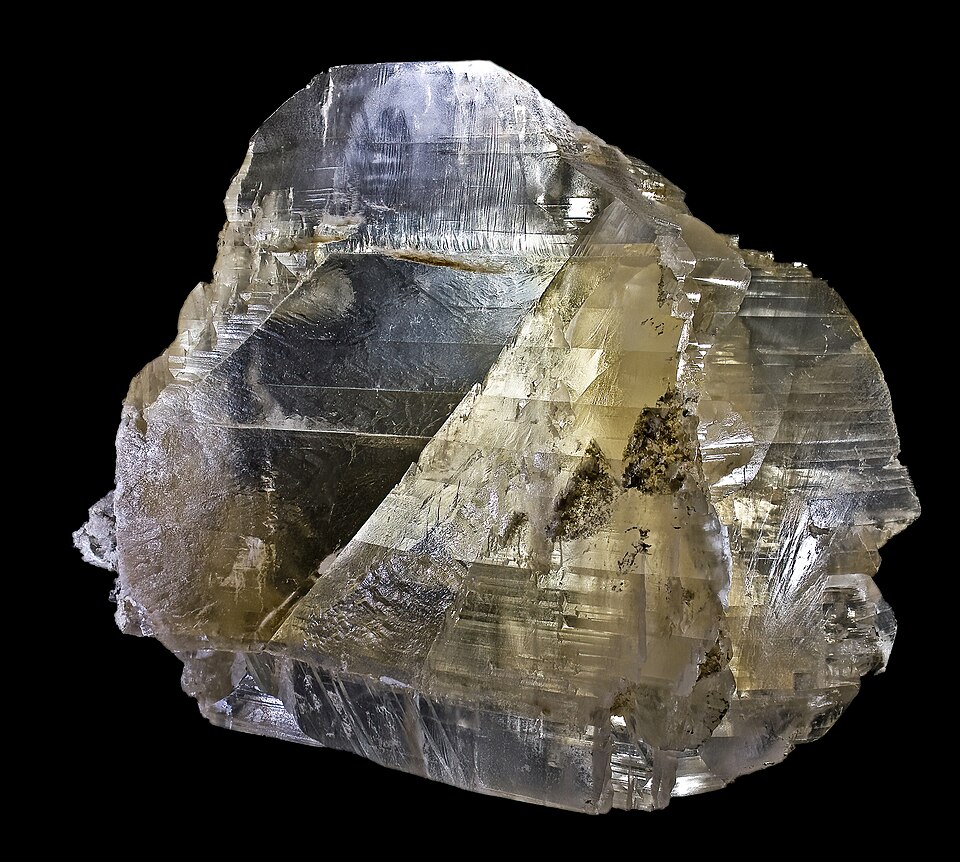
Study next
Common traps
- Reading 'leading State' as production when a source is quoting reserves, or the other way round — magnesite splits on exactly this point.
- Confusing magnesite with manganese, which are unrelated minerals with similar-looking names.
- Assuming Rajasthan, being a large mineral State, leads on everything — it is first in gypsum but not in limestone.
NDA and UPSC both set mineral-to-State or mineral-to-mining-town matches, and often plant one near-miss district in the list.
Related PYQs
Consider the following statements : 1. Balaghat is known for its diamond mines. 2. Majhgawan is known for its manganese deposits. Which of the statements given above is/are correct?
- (a) 1 only
- (b) 2 only
- (c) Both 1 and 2
- (d) Neither 1 nor 2
Answer(d) Neither 1 nor 2
The same mineral-to-place testing, with the two associations deliberately exchanged — Balaghat is manganese country and Majhgawan is the diamond mine.
Practice
- practice — not a real PYQ
The State with the largest share of India's magnesite resources is
- (a)Odisha
- (b)Uttarakhand
- (c)Rajasthan
- (d)Karnataka
Answer(b) Uttarakhand — it holds about 59 per cent of the country's magnesite resources, ahead of Tamil Nadu. - practice — not a real PYQ
Gypsum in India is produced mainly in
- (a)Kerala
- (b)Rajasthan
- (c)Assam
- (d)Punjab
Answer(b) Rajasthan — the State accounts for the overwhelming bulk of India's gypsum output.