
The following 6 (Six) items consist of two statements, Statement I and Statement II. Examine these two statements carefully and select the correct answer using the code given below : Statement I : The city of Rome revived in a spectacular way in the 15th century. Statement II : From the 15th century onwards, artists were known individually by name, not as member of a group or a guild, in Roman society.
- (a)Both the statements are individually true and Statement II is the correct explanation of Statement I
- (b)Both the statements are individually true but Statement II is not the correct explanation of Statement I
- (c)Statement I is true but Statement II is false
- (d)Statement I is false but Statement II is true
Answer
Why
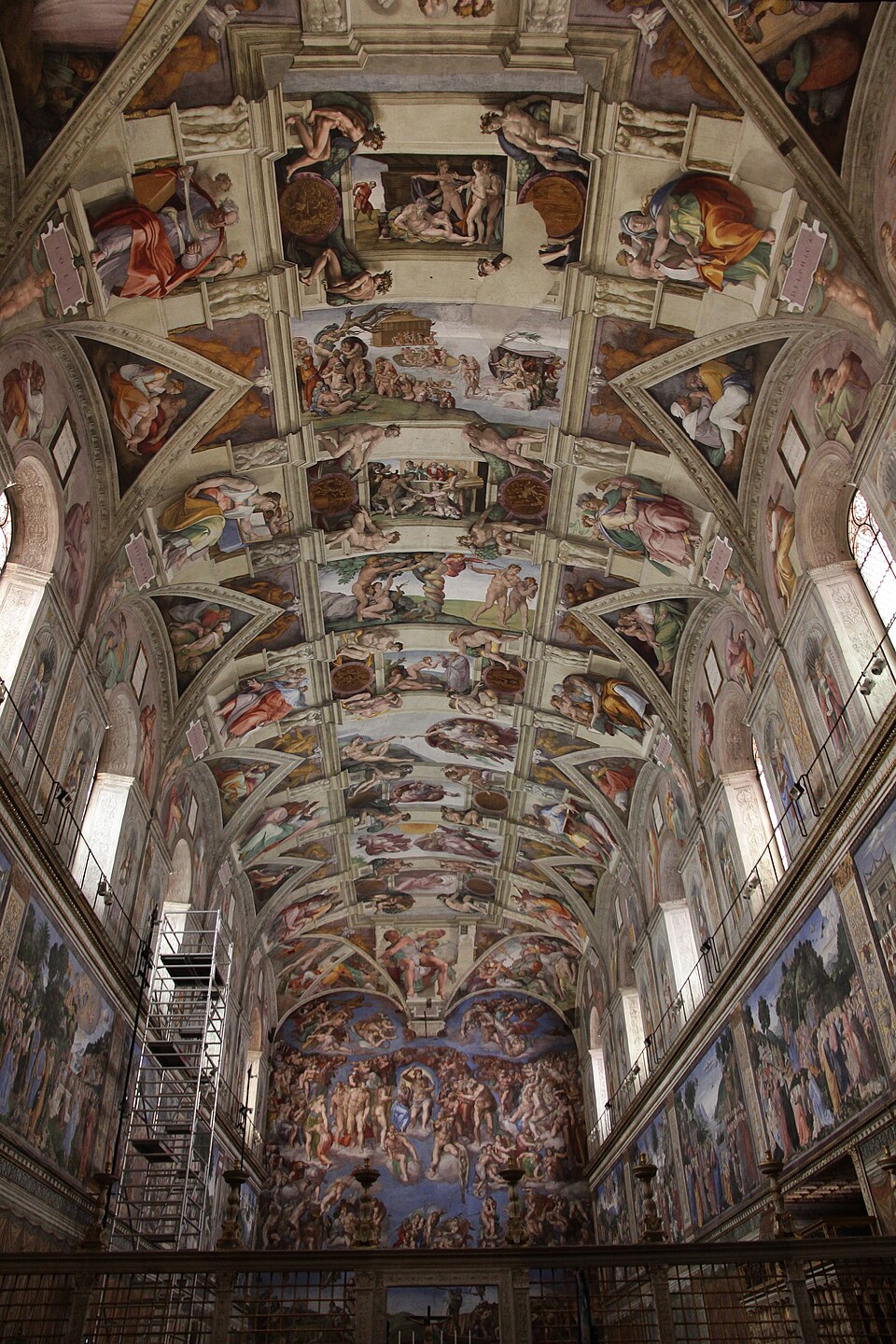
Correct: B, both statements are individually true but Statement II is not the correct explanation of Statement I. Rome did revive spectacularly in the fifteenth century. The papacy had returned to the city from Avignon in 1417 and found it poor and largely in ruins; from 1447 Pope Nicholas V launched a dramatic rebuilding programme, and Sixtus IV carried it on, most famously ordering the construction of the Sistine Chapel. So Statement I is true, and the engine of that revival was papal wealth and papal patronage. Statement II is also true: the standard account of the Renaissance is that artists ceased to be anonymous members of a guild and came to be known and celebrated by name. But that is a change in the social standing of artists across Italy, not a cause of one city's physical rebuilding. Rome would have risen again on the popes' money whether or not the men who carved and painted for them were remembered by name. Two true statements about the same century that do not stand in a causal relation is precisely option (b).
Why the others are wrong
- (a)Both the statements are individually true and Statement II is the correct explanation of Statement I: The attractive misreading, because the two facts really do belong to the same movement. But the arrow of causation runs the other way if it runs at all: the flood of papal commissions is part of what let leading artists build individual reputations. Naming artists did not rebuild Rome; commissioning them did.
- (c)Statement I is true but Statement II is false: Statement II is the textbook description of Renaissance artistic culture, and it is the wording the school syllabus this paper follows uses: the shift from anonymous guild craftsman to named individual is one of the period's defining features.
- (d)Statement I is false but Statement II is true: Rome's fifteenth-century revival is well documented, from the papacy's return in 1417 through the building programmes of Nicholas V and Sixtus IV, so Statement I cannot be rejected.
Concept
The Italian Renaissance of the fourteenth to sixteenth centuries brought a revived interest in classical antiquity, a new confidence in human capacity, and a transformation in the status of the artist. Rome's own share in it came late and came from the papacy: the popes returned from Avignon in 1417 to a decayed city, and successive pontiffs from Nicholas V onward spent enormous sums rebuilding churches, palaces and streets, drawing the leading artists of Italy to the city.
This pair rewards a candidate who can separate two things that happened in the same century. Work the code in stages: both statements are true, so the choice is between options (a) and (b), and the only question left is whether the second causes the first. The honest complication is that the two are genuinely connected: a city awash in patronage is exactly where individual artistic reputations get made. But that connection runs from the rebuilding to the fame, not from the fame to the rebuilding, and a statement that is a consequence rather than a cause cannot be the explanation. In the early Renaissance artists were still seen as craftsmen with little prestige; it was only later that the greatest of them wielded influence and commanded high fees.
Key facts
- The papacy returned to Rome from Avignon in 1417, and it was papal patronage that drove the city's fifteenth-century rebuilding.
- Pope Nicholas V, from 1447, launched a dramatic rebuilding effort in Rome; Sixtus IV continued it and ordered the construction of the Sistine Chapel.
- A defining Renaissance change was that artists came to be known individually by name rather than as anonymous members of a guild.
- In the early Renaissance artists were still regarded as craftsmen of little prestige; only later did the leading figures command great influence and high fees.
Study next
Common traps
- Assuming that two facts from the same historical movement must explain each other.
- Confusing a consequence with a cause: the naming of artists followed from the boom in commissions, not the other way round.
NDA GAT keeps a steady quota of world-history items drawn from the school syllabus on the Renaissance and the Industrial Revolution, usually as a statement pair or a not-true item, so learn the causes of each change and not just its description.
Related PYQs
Which one of the following statements about Renaissance Humanist culture is NOT true ?
- (a) It slackened the control of religion over human life
- (b) It believed that human nature was many-sided
- (c) It was concerned with good manners
- (d) It criticized material wealth, power and glory
Answer(d) It criticized material wealth, power and glory
The same Renaissance culture from the ideas side, and its answer explains why patronage mattered so much, since humanism embraced rather than condemned wealth and glory.
Practice
- practice, not a real PYQ
Which Pope is credited with ordering the construction of the Sistine Chapel?
- (a)Nicholas V
- (b)Sixtus IV
- (c)Leo X
- (d)Gregory XIII
Answer(b) Sixtus IV: he continued the rebuilding programme begun by Nicholas V, and the chapel takes its name from him. - practice, not a real PYQ
The papacy returned to Rome from Avignon in the year
- (a)1309
- (b)1378
- (c)1417
- (d)1492
Answer(c) 1417: the return marked the beginning of Rome's recovery, though the city was still poor and ruined for some decades afterwards.