
Galvanization is a method of protecting iron from rusting by coating with a thin layer of
- (a)Gallium
- (b)Aluminum
- (c)Zinc
- (d)Silver
Answer
Why
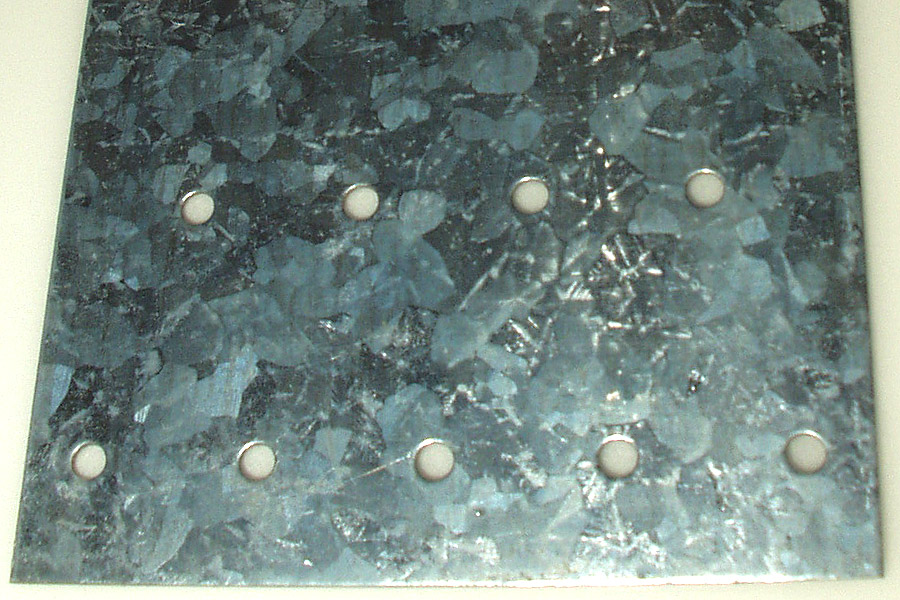
Correct — C, Zinc. NCERT Class 10 Science defines the process in almost the words of the question — galvanisation is a method of protecting steel and iron from rusting by coating them with a thin layer of zinc. The zinc works in two ways at once. It is a physical barrier that keeps oxygen and moisture, the two things rusting needs, off the iron surface. More importantly it is a chemically sacrificial barrier, because zinc sits above iron in the reactivity series, so even if the coating gets scratched or broken the exposed zinc corrodes in preference to the iron and the article underneath is still protected. NCERT points that out directly, noting that a galvanised article is protected against rusting even if the zinc coating is broken.
Why the others are wrong
- (a)Gallium — Gallium is a soft metal with a melting point so low it liquefies in the hand, and its uses lie in semiconductor compounds and specialist thermometers. It has no role in protecting iron from rust, and it is offered here only because its name begins the same way as galvanisation.
- (b)Aluminum — Aluminium does resist corrosion, because it grows a tight oxide film over itself, and industrial aluminium coatings do exist for steel. But the word galvanisation is reserved for a zinc coating specifically, and NCERT lists anodising, which builds up that aluminium oxide layer, as a separate method from galvanising.
- (d)Silver — Silver is far too costly for structural ironwork, and chemically it is the wrong choice — it is less reactive than iron, so a break in a silver coating would leave the bare iron exposed with no sacrificial protection at all. Galvanising works precisely because zinc is the more reactive of the pair.
Concept
Rusting is the corrosion of iron, and it needs both oxygen and moisture to proceed. Every anti-rust method either shuts one of those out or changes the metal itself. Galvanising coats iron or steel with zinc, which is both a barrier and, because zinc is more reactive than iron, a sacrificial metal that corrodes in the iron's place when the coating is damaged.
Aluminium is the tempting alternative, since it is genuinely corrosion-resistant. The discipline here is vocabulary — galvanising names a zinc coating, anodising names the thickened aluminium oxide layer on aluminium, and chrome plating names a chromium coating. NCERT's own list of ways to prevent rusting is painting, oiling, greasing, galvanising, chrome plating, anodising and alloying, and each term is tied to one specific treatment.
Key facts
- NCERT Class 10 Science states that galvanisation protects steel and iron from rusting by coating them with a thin layer of zinc.
- The same text notes that a galvanised article stays protected even if the zinc coating is broken, because zinc is more reactive than iron and corrodes in its place.
- NCERT's list of rust-prevention methods is painting, oiling, greasing, galvanising, chrome plating, anodising and alloying.
- Alloying is the other route — iron mixed with nickel and chromium gives stainless steel, which is hard and does not rust.
Study next
Common traps
- Picking aluminium because it also resists corrosion; the word galvanising means a zinc coating specifically.
- Thinking the zinc works only as a physical barrier when its sacrificial corrosion matters just as much.
- Confusing galvanising with electroplating done for appearance rather than protection.
NDA asks which metal is applied in a named process, or which listed process protects iron from rusting — fix zinc to galvanising, chromium to chrome plating and aluminium oxide to anodising.
Related PYQs
Aluminium surfaces are often “anodized”. This means the deposition of a layer of
- (a) chromium oxide
- (b) aluminium oxide
- (c) nickel oxide
- (d) zinc oxide
Answer(b) aluminium oxide
Tests the sibling term from the same anti-corrosion list — anodising thickens the aluminium oxide film on aluminium, while galvanising lays zinc over iron.
To protect steel and iron from rusting, a thin layer of which one of the following metals is applied?
- (a) Magnesium
- (b) Zinc
- (c) Aluminium
- (d) Lead
Answer(b) Zinc
The same fact asked two years earlier in almost identical words, with aluminium again planted as the distractor.
Practice
- practice — not a real PYQ
A galvanised iron article remains protected from rusting even when its coating is scratched and broken, because
- (a)zinc is less reactive than iron
- (b)zinc is more reactive than iron and corrodes in its place
- (c)the exposed iron immediately forms a protective oxide
- (d)zinc has a higher melting point than iron
Answer(b) zinc is more reactive than iron and corrodes in its place — the zinc goes on being consumed sacrificially, so the iron beneath is spared. - practice — not a real PYQ
Which one of the following is NOT a method of preventing the rusting of iron?
- (a)Painting
- (b)Galvanising
- (c)Anodising
- (d)Sublimation
Answer(d) Sublimation — it is a change of state from solid straight to vapour, not a protective treatment; NCERT lists painting, oiling, greasing, galvanising, chrome plating, anodising and alloying as the anti-rust methods.