
Which one of the following statements about animal cells and plant cells is correct?
- (a)Animal cells have only cell membrane not cell wall, whereas plant cells have only cell wall not cell membrane.
- (b)Animal cells have only cell membrane not cell wall, but plant cells have both.
- (c)Both animal and plant cells have cell membrane and cell wall.
- (d)Only some cells of animals have cell wall and all plant cells have cell membrane.
Answer
Why
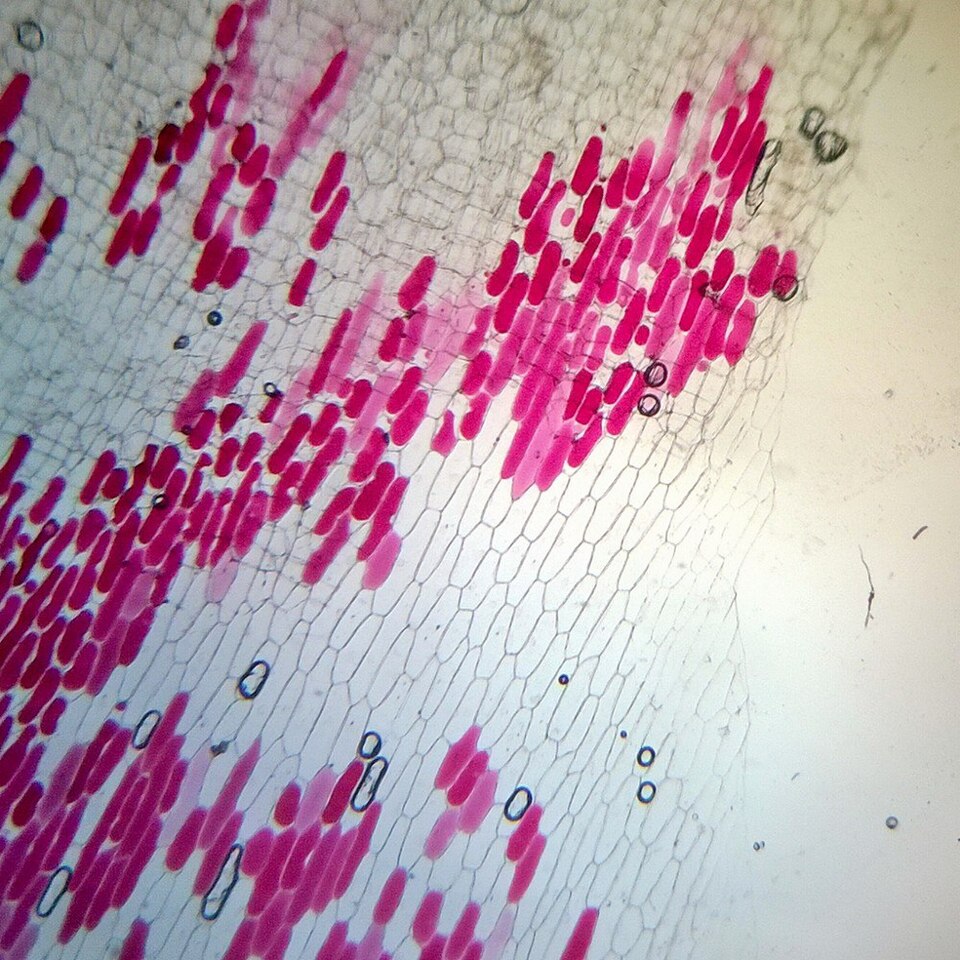
Correct — B, Animal cells have only cell membrane not cell wall, but plant cells have both. Every living cell, plant or animal, is bounded by a plasma membrane — it is the universal outer boundary that controls what enters and leaves. A plant cell carries an extra layer outside that membrane, a rigid cell wall made mainly of cellulose. So the membrane is common to both and the wall is the plant-only addition, which is exactly what option (b) states.
Why the others are wrong
- (a)Animal cells have only cell membrane not cell wall, whereas plant cells have only cell wall not cell membrane. — The second half is wrong. A plant cell has not given up its plasma membrane; the wall lies outside the membrane and does not replace it.
- (c)Both animal and plant cells have cell membrane and cell wall. — Animal cells have no cell wall at all. A naked plasma membrane is their outer boundary, which is why animal cells can change shape.
- (d)Only some cells of animals have cell wall and all plant cells have cell membrane. — No animal cell has a cell wall — not even some of them. The second half of the statement is true, but the first half is false, so the statement as a whole fails.
Concept
The plasma membrane is a thin, selectively permeable sheet of phospholipids and proteins that surrounds every living cell and decides which substances pass in and out. A cell wall is a separate, non-living, freely permeable outer layer that gives a cell rigidity and a fixed shape. Plants have both; animals have only the membrane.
The trap works because the cell wall is the memorable plant feature, so it is easy to slip into thinking the wall stands in place of the membrane in a plant. It does not — a plant cell has one more layer than an animal cell, not a different one. Remember also that a cell wall is not proof of a plant: bacteria and fungi have walls too, made of different materials.
Key facts
- The plasma membrane is present in every living cell and is selectively permeable.
- The plant cell wall lies outside the plasma membrane, is made mainly of cellulose, is freely permeable and gives the cell rigidity and shape.
- Cell walls also occur in bacteria, where they are made of peptidoglycan, and in fungi, where they are made of chitin.
- Animal cells lack a cell wall, which is why they are flexible and can change shape.
Study next
Common traps
- Assuming a cell wall replaces the cell membrane in plants instead of covering it.
- Assuming that only plants have cell walls — bacteria and fungi have them as well.
A four-statement 'which one is correct' item on the plant-versus-animal cell difference, with each option flipping one half of the true statement.
Related PYQs
Which one of the following structures or components is not always present in living cells ?
- (a) Cell wall
- (b) Plasma membrane
- (c) Cytoplasm
- (d) Genetic material
Answer(a) Cell wall
The same fact asked from the other side — the cell wall is the one item on the list that is optional, while the plasma membrane, cytoplasm and genetic material are found in every living cell.
Consider the following statements regarding cell wall composition : 1. Bacterial cell wall is made of peptidoglycan. 2. Fungal cell wall is made of cellulose. 3. Animals lack cell wall and have extracellular matrix made up of sugar and proteins. Select the correct answer using the code given below :
- (a) 2 only
- (b) 1 and 2 only
- (c) 1 and 3 only
- (d) 1, 2 and 3
Answer(c) 1 and 3 only
Extends the same idea to what walls are made of — bacterial walls are peptidoglycan, fungal walls are chitin rather than cellulose, and animals have no wall at all.
Practice
- practice — not a real PYQ
The plant cell wall is made mainly of
- (a)chitin
- (b)cellulose
- (c)peptidoglycan
- (d)phospholipid
Answer(b) cellulose — chitin makes fungal walls and peptidoglycan makes bacterial walls. - practice — not a real PYQ
Which one of the following is present in a plant cell but absent in an animal cell?
- (a)Plasma membrane
- (b)Ribosome
- (c)Large central vacuole
- (d)Mitochondrion
Answer(c) Large central vacuole — along with the cell wall and plastids, it is a plant-only feature.