
The Mahad Satyagraha of 1927 was organized by
- (a)B. R. Ambedkar
- (b)Mahatma Gandhi
- (c)S. C. Bose
- (d)Lokmanya Tilak
Answer
Why
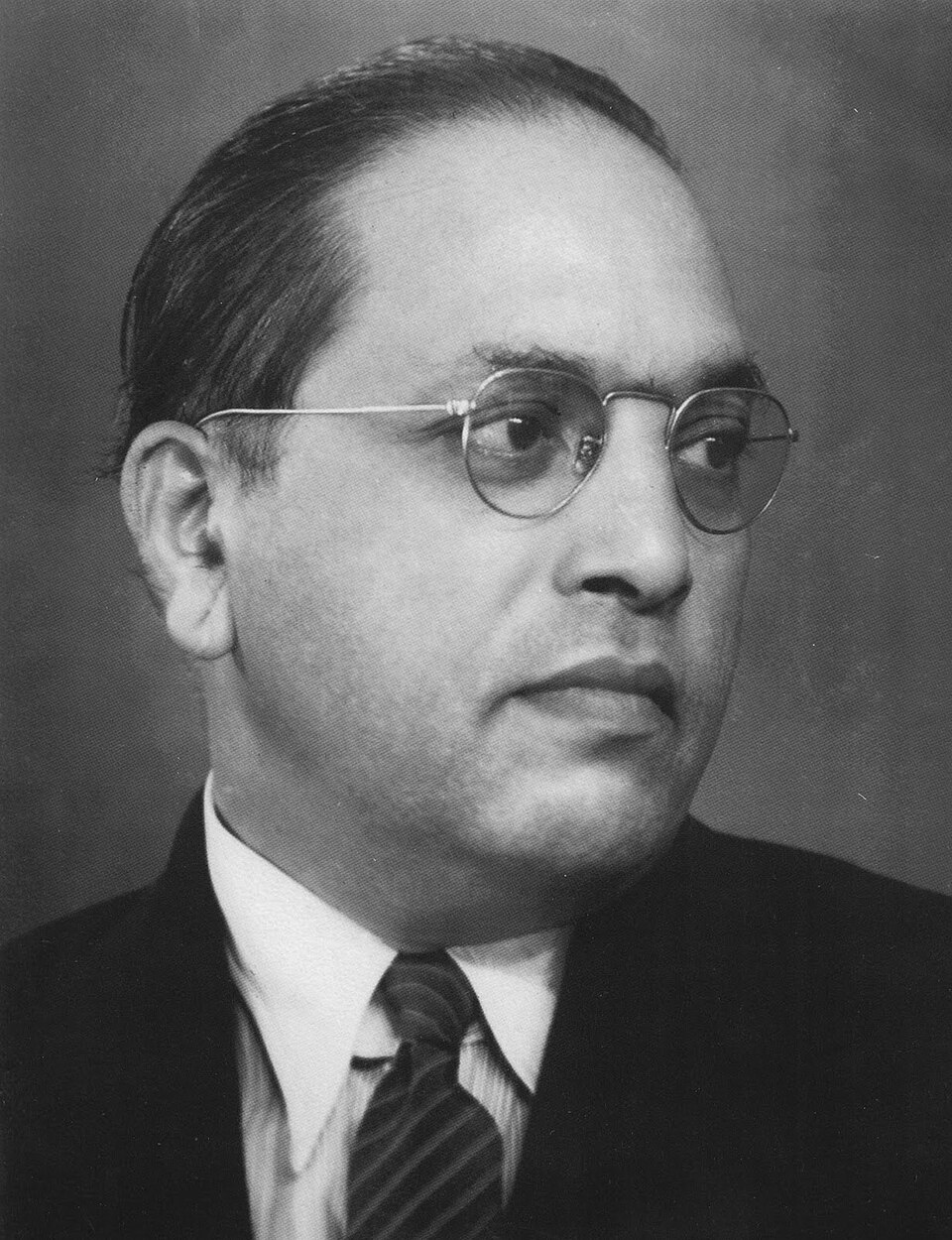
Correct — A, B. R. Ambedkar. The Mahad Satyagraha of March 1927 was led by Dr B. R. Ambedkar at Mahad in the Colaba (Raigad) district of the Bombay Presidency. Its aim was to assert the right of untouchables (Dalits) to draw water from the public Chavdar Tank, which caste-Hindu custom had denied them. It was a landmark in the Dalit movement for civil rights and human dignity.
Why the others are wrong
- (b)Mahatma Gandhi — Gandhi campaigned against untouchability too, but the Mahad Satyagraha for water rights was organised and led by Ambedkar, not Gandhi.
- (c)S. C. Bose — Subhas Chandra Bose was a nationalist leader focused on the political freedom struggle and later the INA; he had no role in the Mahad Satyagraha.
- (d)Lokmanya Tilak — Tilak, an earlier extremist leader, had died in 1920 — seven years before the 1927 Mahad Satyagraha — so he could not have organised it.
Concept
The Mahad Satyagraha (1927) was one of Ambedkar's first mass actions for Dalit rights, asserting the right of untouchables to use a public water tank. It marked a shift to organised, rights-based Dalit assertion and was later followed by symbolic acts such as the burning of the Manusmriti at Mahad.
The names span the freedom era, so the item tests specific leadership. The theme of untouchability and public-water rights points to Ambedkar; the chronology also rules out Tilak, who had already died in 1920.
Key facts
- The Mahad Satyagraha was led by Dr B. R. Ambedkar in March 1927.
- It demanded the right of Dalits to draw water from the public Chavdar Tank at Mahad.
- It is regarded as a foundational event of the organised Dalit rights movement.
- Ambedkar later chaired the Drafting Committee of the Constitution of India.
Study next
Common traps
- Attributing all anti-untouchability work to Mahatma Gandhi.
- Overlooking the date: Tilak died in 1920 and cannot be linked to a 1927 event.
As a 'who led/organised' recall pairing Ambedkar-led Dalit movements with dates and places (Mahad, Chavdar Tank).
Related PYQs
Which of the following parties were established by Dr. B. R. Ambedkar? 1. The Peasants and Workers Party of India 2. All India Scheduled Castes Federation 3. The Independent Labour Party
- (a) 1 and 2 only
- (b) 2 and 3 only
- (c) 1 and 3 only
- (d) 1, 2 and 3
Answer(b) 2 and 3 only
Same figure — Dr B. R. Ambedkar and the Dalit movement. This UPSC item tests the political parties he founded, extending the Mahad-Satyagraha leader's role tested here.
Consider the following statements about the issue of separate electorate during the early decades of the twentieth century in India as a means to secure adequate representation for the deprived social categories in the absence of universal adult franchise : 1. The All India Depressed Classes Association of M. C. Rajah was staunchly in favour of joint electorate. 2. The All India Depressed Classes Leaders’ Conference demanded separate electorate. 3. The Communal Award in September 1932 recognised the right to separate electorate for the ‘untouchables’. Which of the statements given above are correct ?
- (a) 1 and 2 only
- (b) 2 and 3 only
- (c) 1 and 3 only
- (d) 1, 2 and 3
Answer(d) 1, 2 and 3
A later NDA item on the depressed-classes rights movement of the same era — the wider Dalit-representation struggle in which Ambedkar and the Mahad Satyagraha were central.
Practice
- practice — not a real PYQ
The Mahad Satyagraha (1927) was launched to secure for the untouchables the right to
- (a)enter the legislature
- (b)draw water from the public Chavdar Tank
- (c)own agricultural land
- (d)vote in provincial elections
Answer(b) draw water from the public Chavdar Tank at Mahad. - practice — not a real PYQ
Dr B. R. Ambedkar chaired which committee of the Constituent Assembly?
- (a)The Union Powers Committee
- (b)The Drafting Committee
- (c)The Provincial Constitution Committee
- (d)The Rules Committee
Answer(b) The Drafting Committee of the Constitution of India.