
Which one of the following statements about the ishtahars issued during the Revolt of 1857 is correct?
- (a)They glorified the Muslim rule in India.
- (b)They glorified the co-existence of different communities under the Mughal Empire.
- (c)They glorified the message of Islam.
- (d)They glorified the role of Queen Victoria.
Answer
Why
Correct — B, they glorified the co-existence of different communities under the Mughal Empire. The proclamations, or ishtahars, issued during the Revolt of 1857 repeatedly appealed to both Hindus and Muslims, harking back to the composite culture and peaceful co-existence of communities under the Mughal Empire and calling on all sections of society to unite against British rule. They were deliberately inclusive rather than sectarian, which is why they neither simply glorified Muslim rule nor preached Islam, and certainly did not praise Queen Victoria.
Why the others are wrong
- (a)They glorified the Muslim rule in India. — The ishtahars invoked the shared Mughal past to unite Hindus and Muslims, not to glorify Muslim rule as such.
- (c)They glorified the message of Islam. — They were addressed to all communities irrespective of creed; they were not a call to Islam.
- (d)They glorified the role of Queen Victoria. — The rebels opposed British authority; praise of Queen Victoria belongs to the 1858 Queen's Proclamation issued after the Revolt was crushed.
Concept
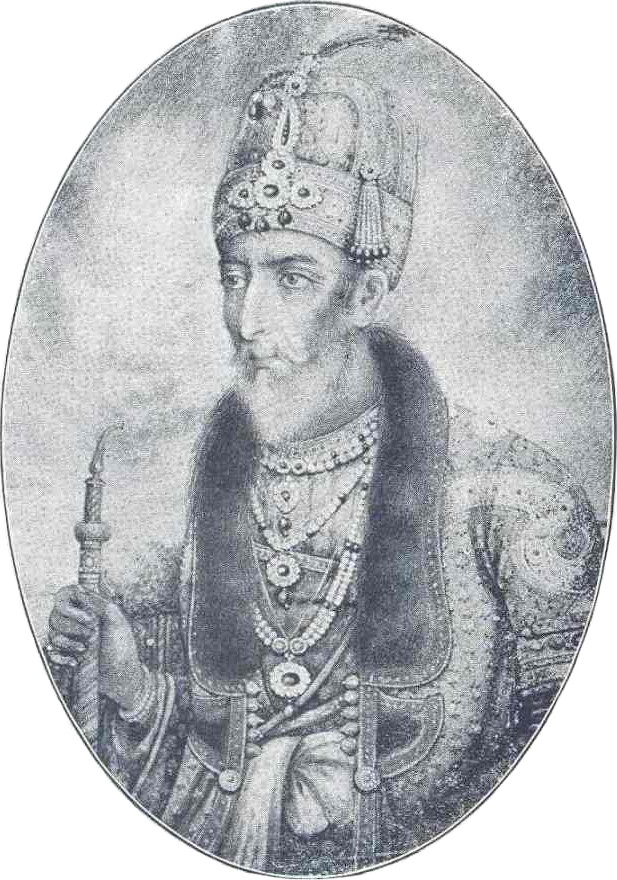
During 1857 the rebels rallied around the aged Mughal emperor Bahadur Shah Zafar and circulated proclamations (ishtahars) to win popular support. These appeals stressed unity across caste and creed and looked back to a remembered order of Hindu–Muslim co-existence under the Mughals, presenting the revolt as a shared struggle against alien British rule.
Examiners contrast the inclusive rebel ishtahars of 1857 with the very different 1858 Queen's Proclamation. If a statement praises Victoria or preaches one religion, it is the wrong reading of the ishtahars.
Key facts
- The 1857 ishtahars appealed to all sections of society, irrespective of caste and creed.
- They invoked the co-existence of communities under the Mughal Empire.
- Rebels rallied around Bahadur Shah Zafar II as symbolic head.
- The British official Aitchison noted they 'could not play off the Mohammedans against the Hindus'.
Study next
Common traps
- Confusing the rebel ishtahars with the 1858 Queen's Proclamation.
- Reading the proclamations as sectarian rather than inclusive.
Asked on the content of the 1857 ishtahars — appeals to Hindu–Muslim co-existence under the Mughals.
Related PYQs
“In this instance we could not play off the Mohammedans against the Hindus”. To which one of the following events did this remark of Aitchison relate?
- (a) Revolt of 1857
- (b) Champaran Satyagraha (1917)
- (c) Khilafat and Non-cooperation Movement (1919-22)
- (d) August Movement of 1942
Answer(a) Revolt of 1857
The same theme of Hindu–Muslim unity in 1857 that the ishtahars promoted: Aitchison's remark acknowledges that the rebels could not be split along religious lines, exactly the co-existence the proclamations invoked.
Which one of the following statements about the Revolt of 1857 is correct?
- (a) It was a Revolt carefully organised and planned by the Rajas, Nawabs and Taluqdars
- (b) Rumours and prophecies did not play any role in its outbreak and spread
- (c) The rebel proclamations in 1857 repeatedly appealed to all sections of the population irrespective of their caste and creed.
- (d) The British succeeded in quickly and easily controlling the rebels
Answer(c) The rebel proclamations in 1857 repeatedly appealed to all sections of the population irrespective of their caste and creed.
Almost the same statement — the correct option describes exactly what the 1857 ishtahars did: appeal to every community regardless of caste and creed, invoking a shared past under the Mughals.
Practice
- practice — not a real PYQ
The rebels of 1857 issued their proclamations chiefly in the name of
- (a)Rani Lakshmibai
- (b)Bahadur Shah Zafar
- (c)Nana Saheb
- (d)Tantia Tope
Answer(b) Bahadur Shah Zafar — the last Mughal emperor served as the symbolic head of the revolt. - practice — not a real PYQ
The Proclamation that promised religious toleration and the rights of Indian princes after 1857 was issued by
- (a)the rebel leaders in 1857
- (b)Queen Victoria in 1858
- (c)Lord Dalhousie in 1856
- (d)the Indian National Congress in 1885
Answer(b) Queen Victoria in 1858 — a document distinct from the inclusive rebel ishtahars of 1857.