
For Aluminium (Al) (atomic number: 13, mass number: 27), which one among the following statements is NOT correct?
- (a)Number of electrons present in Al is 13
- (b)Number of protons present in Al is 13
- (c)Number of neutrons present in Al is 14
- (d)The valency of Al is 2
Answer
Why
Correct — D, 'The valency of Al is 2'. This statement is the one that is NOT correct. Aluminium has the electronic configuration 2,8,3 — three electrons in its outermost shell, which it loses to form Al3+. Its valency is therefore 3, not 2, so statement (d) is false and is the answer to this 'NOT correct' question.
Why the others are wrong
- (a)Number of electrons present in Al is 13 — True for a neutral atom — atomic number 13 means 13 protons and, being neutral, 13 electrons. A correct statement, so not the answer.
- (b)Number of protons present in Al is 13 — True — the atomic number (13) is defined as the number of protons, so this statement is correct and not the answer.
- (c)Number of neutrons present in Al is 14 — True — neutrons = mass number minus atomic number = 27 - 13 = 14. A correct statement, so not the answer.
Concept
In an atom, the atomic number (Z) equals the number of protons and, in a neutral atom, the number of electrons; the mass number (A) equals protons plus neutrons, so neutrons = A - Z. Valency comes from the outermost electrons — aluminium's configuration 2,8,3 has three valence electrons, giving a valency of 3.
This is a 'which statement is NOT correct' question, so verify each and pick the false one. For Al (Z=13, A=27): electrons 13 (true), protons 13 (true), neutrons 27-13=14 (true), valency 3 not 2 (false) — so (d) is the odd one out.
Key facts
- Aluminium: atomic number 13 gives 13 protons and 13 electrons; mass number 27 gives 27 - 13 = 14 neutrons.
- Electronic configuration of Al is 2,8,3 — three valence electrons, so valency is 3 (Al3+).
- Neutrons = mass number - atomic number.
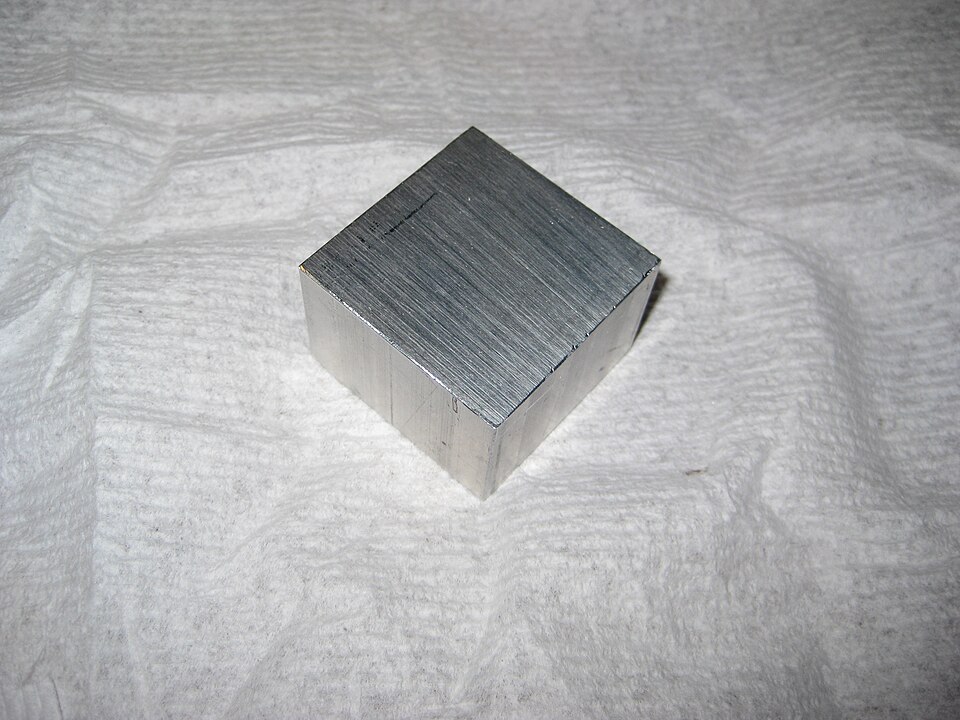
- Aluminium is the most abundant metal in the Earth's crust.
Study next
Common traps
- In a 'NOT correct' question, forgetting to pick the false statement.
- Assuming aluminium's valency is 2 — it is 3 (config 2,8,3).
- Mixing up mass number with atomic number when counting neutrons.
Given an element's atomic and mass numbers, exams ask you to count protons/neutrons/electrons or state the valency — or to spot the one wrong statement among them.
Related PYQs
No directly related past PYQ was found.
Practice
- practice — not a real PYQ
An atom has atomic number 13 and mass number 27. How many neutrons does it have?
- (a)13
- (b)14
- (c)27
- (d)40
Answer(b) 14 — neutrons = mass number minus atomic number = 27 - 13. - practice — not a real PYQ
The valency of aluminium (electronic configuration 2,8,3) is:
- (a)1
- (b)2
- (c)3
- (d)8
Answer(c) 3 — it loses its three outermost electrons to form Al3+.