
Which one of the following plant plastids stores starch, oil and protein granules?
- (a)Chloroplast
- (b)Leucoplast
- (c)Chromoplast
- (d)Xanthoplast
Answer
Why
Correct — B, Leucoplast. Leucoplasts are the colourless plastids of plant cells specialised for storage: amyloplasts store starch, elaioplasts store oils and fats, and aleuroplasts (proteinoplasts) store proteins. They are the plastids that stockpile starch, oil and protein granules.
Why the others are wrong
- (a)Chloroplast — Chloroplasts are the green plastids containing chlorophyll; their job is photosynthesis, not the storage of starch, oil and protein reserves.
- (c)Chromoplast — Chromoplasts are the coloured (red, orange, yellow) plastids that give colour to flowers and fruits; they store pigments, not the food reserves listed.
- (d)Xanthoplast — 'Xanthoplast' is not a recognised category of plant plastid, so it cannot be the storage plastid.
Concept
Plant plastids fall into three main types by pigment and function: chloroplasts (green, photosynthesis), chromoplasts (coloured pigments), and leucoplasts (colourless, storage). Leucoplasts subdivide into amyloplasts (starch), elaioplasts (oils and fats) and aleuroplasts (proteins).
The key word is 'stores'. Storage points to the colourless leucoplasts, found in non-green tissues such as roots, tubers and seeds. Chloroplast (photosynthesis) and chromoplast (colour) are the tempting but wrong functions.
Key facts
- Leucoplasts are colourless storage plastids found in non-photosynthetic tissues.
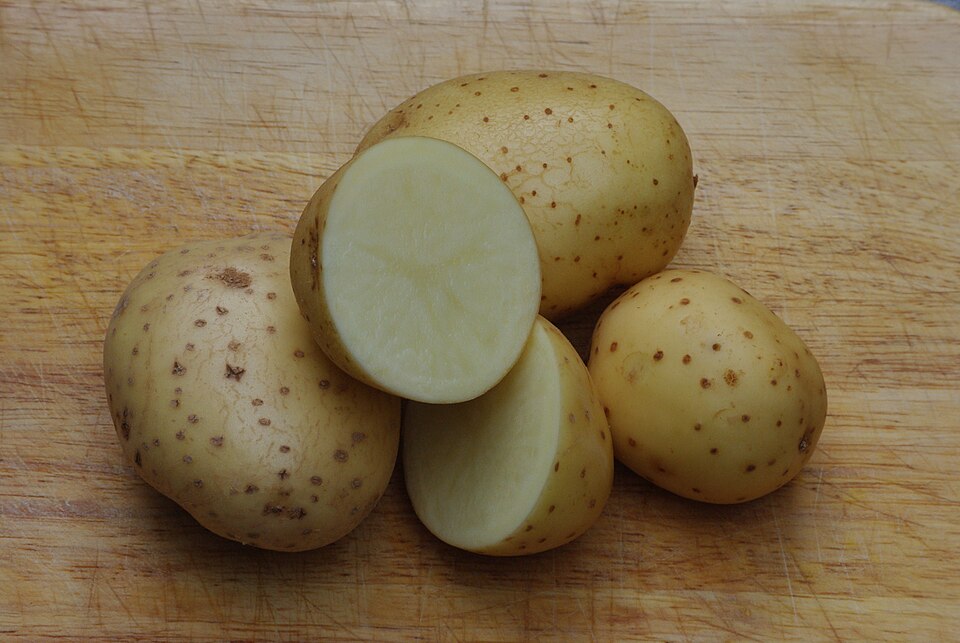
- Amyloplasts store starch (as in potato tubers), elaioplasts store oils, and aleuroplasts store proteins.
- Chloroplasts contain chlorophyll and carry out photosynthesis.
- Chromoplasts store the pigments that colour flowers and ripe fruits.
Study next
Common traps
- Choosing chloroplast simply because it is the most familiar plastid.
- Confusing pigment storage (chromoplast) with food storage (leucoplast).
A 'which plastid stores…' recall, or a match-the-function item on plastid types.
Related PYQs
Match List I (Physiological processes) with List II (Cell organelles) and select the correct answer using the codes given below the lists: List I — I. Photosynthesis, II. Mineral uptake, III. Respiration, IV. Protein Synthesis; List II — A) Plasma membrane, B) Chloroplast, C) Mitochondria, D) Ribosomes.
- (a) I-A, II-B, III-C, IV-D
- (b) I-A, II-B, III-D, IV-C
- (c) I-B, II-A, III-C, IV-D
- (d) I-B, II-A, III-D, IV-C
Answer(c) I-B, II-A, III-C, IV-D — photosynthesis in the chloroplast, mineral uptake at the plasma membrane, respiration in mitochondria, protein synthesis at ribosomes.
Same concept — cell organelles and their functions. This 2022 item identifies the storage plastid (leucoplast); the 1996 UPSC item matches organelles (including the chloroplast plastid) to their roles.
Practice
- practice — not a real PYQ
Starch is stored in plant cells within specialised leucoplasts called
- (a)chloroplasts
- (b)amyloplasts
- (c)chromoplasts
- (d)elaioplasts
Answer(b) amyloplasts — the starch-storing type of leucoplast. - practice — not a real PYQ
The plastid responsible for the red colour of a ripe tomato is the
- (a)chloroplast
- (b)leucoplast
- (c)chromoplast
- (d)amyloplast
Answer(c) chromoplast — it stores the coloured pigments.