
Who among the following described the Directive Principles of State Policy as the novel feature of the Constitution of India?
- (a)Jawaharlal Nehru
- (b)Rajendra Prasad
- (c)S.N. Mukherjee
- (d)B.R. Ambedkar
Answer
Why
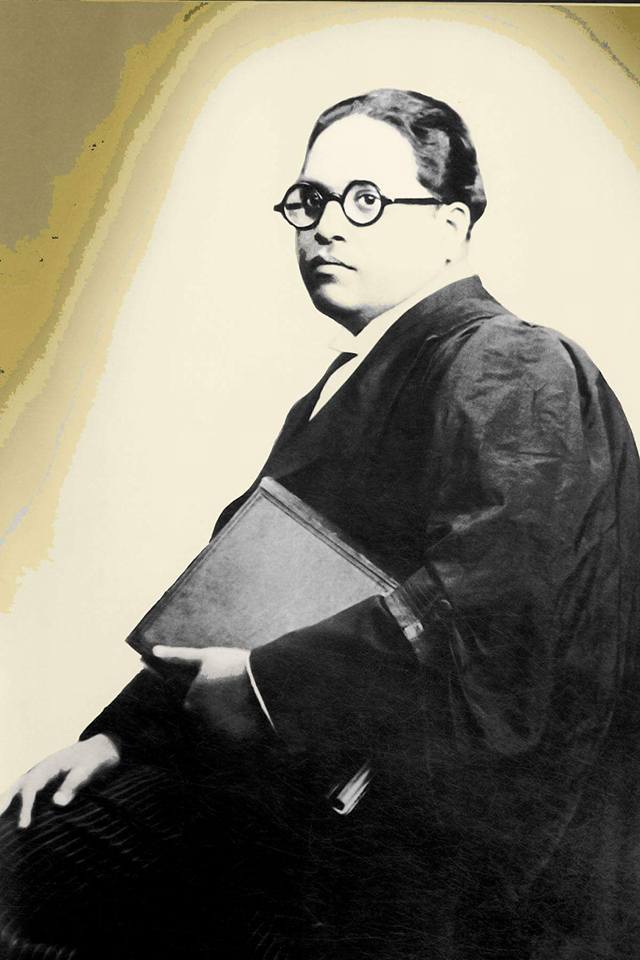
Correct — D, B.R. Ambedkar. As Chairman of the Drafting Committee, Dr B.R. Ambedkar described the Directive Principles of State Policy as a novel feature of the Indian Constitution, meant to guide the State towards social and economic democracy. The other names are distractors — Nehru and Rajendra Prasad led the freedom movement and the Constituent Assembly, and S.N. Mukherjee was the Assembly's chief draftsman, but this description is attributed to Ambedkar.
Why the others are wrong
- (a)Jawaharlal Nehru — Nehru moved the Objectives Resolution and shaped economic policy, but the novel-feature remark on the Directive Principles is Ambedkar's.
- (b)Rajendra Prasad — Rajendra Prasad presided over the Constituent Assembly and later became President, but this description is not attributed to him.
- (c)S.N. Mukherjee — S.N. Mukherjee was the chief draftsman who put the Constitution into clear language; he did not give this description.
Concept
The Directive Principles of State Policy in Part IV, Articles 36 to 51, are non-justiciable guidelines directing the State to secure social and economic justice. Borrowed from the Irish Constitution, they were seen as an innovative device to hold governments to welfare goals, which is why Ambedkar called them a novel feature.
The question tests attribution. Linking the Drafting Committee's chairman, Ambedkar, to authoritative descriptions of constitutional design points to him as the source of the novel-feature phrase for the Directive Principles.
Key facts
- The Directive Principles form Part IV, Articles 36 to 51, of the Constitution.
- They are non-justiciable, meaning not enforceable by courts, yet fundamental to governance.
- They were borrowed from the Constitution of Ireland.
- Dr B.R. Ambedkar chaired the Drafting Committee of the Constituent Assembly.
Study next
Common traps
- Attributing the phrase to Nehru or Rajendra Prasad because of their prominence.
- Confusing S.N. Mukherjee, the chief draftsman, with the chairman of the Drafting Committee.
Asked as an attribution question linking a famous description to a Constituent Assembly figure.
Related PYQs
Which one of the following Directive Principles was inserted by the Constitution (42nd Amendment) Act, 1976?
- (a) The State shall minimise inequalities in income
- (b) Equal justice and free legal aid
- (c) Promotion of co-operative societies
- (d) Provision for early childhood care
Answer(b) Equal justice and free legal aid
Same topic — the Directive Principles of State Policy. That NDA item asks which principle the 42nd Amendment added; this one asks who called them a novel feature.
Practice
- practice — not a real PYQ
The Directive Principles of State Policy in the Indian Constitution were borrowed from the Constitution of
- (a)the USA
- (b)Ireland
- (c)Canada
- (d)Australia
Answer(b) Ireland. - practice — not a real PYQ
Who chaired the Drafting Committee of the Constituent Assembly of India?
- (a)Rajendra Prasad
- (b)Jawaharlal Nehru
- (c)B.R. Ambedkar
- (d)Sardar Patel
Answer(c) B.R. Ambedkar.