
Which one of the following reactions does not result in the evolution of hydrogen gas?
- (a)Reaction of zinc metal with dilute sulphuric acid solution
- (b)Mixing water to Plaster of Paris
- (c)Heating zinc metal with sodium hydroxide solution
- (d)Reaction of potassium metal with water
Answer
Why
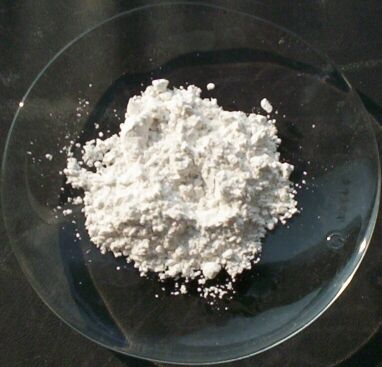
Correct — B, Mixing water to Plaster of Paris. Adding water to Plaster of Paris (calcium sulphate hemihydrate) is a setting reaction — it simply rehydrates to gypsum (CaSO₄·2H₂O) and hardens, releasing no gas at all. The other three all liberate hydrogen: zinc with dilute sulphuric acid, zinc heated with sodium hydroxide, and potassium reacting with water each produce H₂.
Why the others are wrong
- (a)Reaction of zinc metal with dilute sulphuric acid solution — This does evolve hydrogen — zinc reacts with dilute sulphuric acid to give zinc sulphate and hydrogen gas (Zn + H₂SO₄ → ZnSO₄ + H₂), so it is not the exception.
- (c)Heating zinc metal with sodium hydroxide solution — This does evolve hydrogen — zinc is amphoteric, so hot sodium hydroxide reacts with it to form sodium zincate and hydrogen gas, so it is not the answer.
- (d)Reaction of potassium metal with water — This does evolve hydrogen — potassium reacts violently with water to give potassium hydroxide and hydrogen gas (2K + 2H₂O → 2KOH + H₂), so it is not the exception.
Concept
Hydrogen gas is released whenever a reactive metal is attacked and displaces hydrogen: reactive metals with dilute acids, amphoteric metals (zinc, aluminium) with hot alkalis, and alkali metals (sodium, potassium) with water all liberate H₂. Adding water to Plaster of Paris involves no metal being attacked — it is only a hydration/setting reaction that forms gypsum.
Three options involve a metal reacting with acid, alkali or water — all classic hydrogen-producing reactions. The odd one out is the only non-metal process: Plaster of Paris merely rehydrates and hardens. Remembering that zinc reacts with NaOH too (not just acids) stops students from wrongly picking option c.
Key facts
- Reactive metal + dilute acid → salt + hydrogen gas, e.g. Zn + H₂SO₄ → ZnSO₄ + H₂.
- Amphoteric metals such as zinc and aluminium also release hydrogen with hot alkali (NaOH).
- Alkali metals (Na, K) react with water to give a hydroxide and hydrogen gas, potassium doing so explosively.
- Plaster of Paris + water → gypsum (CaSO₄·2H₂O); this setting reaction evolves no gas.
Study next
Common traps
- Forgetting that zinc reacts with hot sodium hydroxide to give hydrogen.
- Assuming any reaction 'with water' must release hydrogen — Plaster of Paris does not.
Asked as 'which reaction does not evolve hydrogen?' or by testing metal–acid, metal–alkali and alkali-metal–water reactions.
Related PYQs
Consider the following statements: 1. Baking soda is used in fire extinguishers. 2. Quicklime is used in the manufacture of glass. 3. Gypsum is used in the manufacture of Plaster of Paris. Which of the statements given above is/are correct?
- (a) 1 and 2
- (b) 2 and 3
- (c) 1 only
- (d) 1, 2 and 3
Answer(d) 1, 2 and 3 — all three uses are correct, including gypsum for making Plaster of Paris.
Related — Plaster of Paris and gypsum chemistry; the setting of Plaster of Paris (rehydration to gypsum) is the no-gas reaction that answers this question.
Practice
- practice — not a real PYQ
Which one of the following does NOT produce hydrogen gas?
- (a)Zinc with dilute hydrochloric acid
- (b)Sodium with water
- (c)Copper with dilute sulphuric acid
- (d)Aluminium with hot sodium hydroxide
Answer(c) Copper with dilute sulphuric acid — copper lies below hydrogen in the reactivity series, so it does not displace hydrogen. - practice — not a real PYQ
On adding water, Plaster of Paris sets by turning into
- (a)quicklime
- (b)gypsum
- (c)slaked lime
- (d)limestone
Answer(b) gypsum — it rehydrates to CaSO₄·2H₂O and hardens.