
Which of the following Acts established the Board of Control to guide and control the work of the Court of Directors and the Government of India?
- (a)Regulating Act of 1773
- (b)Pitt's India Act of 1784
- (c)Charter Act of 1793
- (d)Charter Act of 1813
Answer
Why
Correct — B, Pitt's India Act of 1784. This Act created a six-member Board of Control (including two Cabinet ministers) in Britain to supervise the civil, military and revenue affairs of the East India Company, while the Company's Court of Directors continued to handle its commercial business. This split set up the so-called 'double government', giving the British Crown a direct hand in Indian administration for the first time — the Board guided policy, the Directors executed it.
Why the others are wrong
- (a)Regulating Act of 1773 — The Regulating Act was the first parliamentary step to control the Company, but it created the office of Governor-General of Bengal (Warren Hastings) and a Supreme Court at Calcutta — it did not set up any Board of Control.
- (c)Charter Act of 1793 — This Act merely renewed the Company's charter and trade privileges for a further twenty years; it made no major constitutional innovation and did not create a Board of Control.
- (d)Charter Act of 1813 — The 1813 Charter Act ended the Company's trade monopoly in India (leaving it only the tea trade and trade with China), opened India to missionaries and earmarked money for education — it did not establish the Board of Control, which already existed from 1784.
Concept
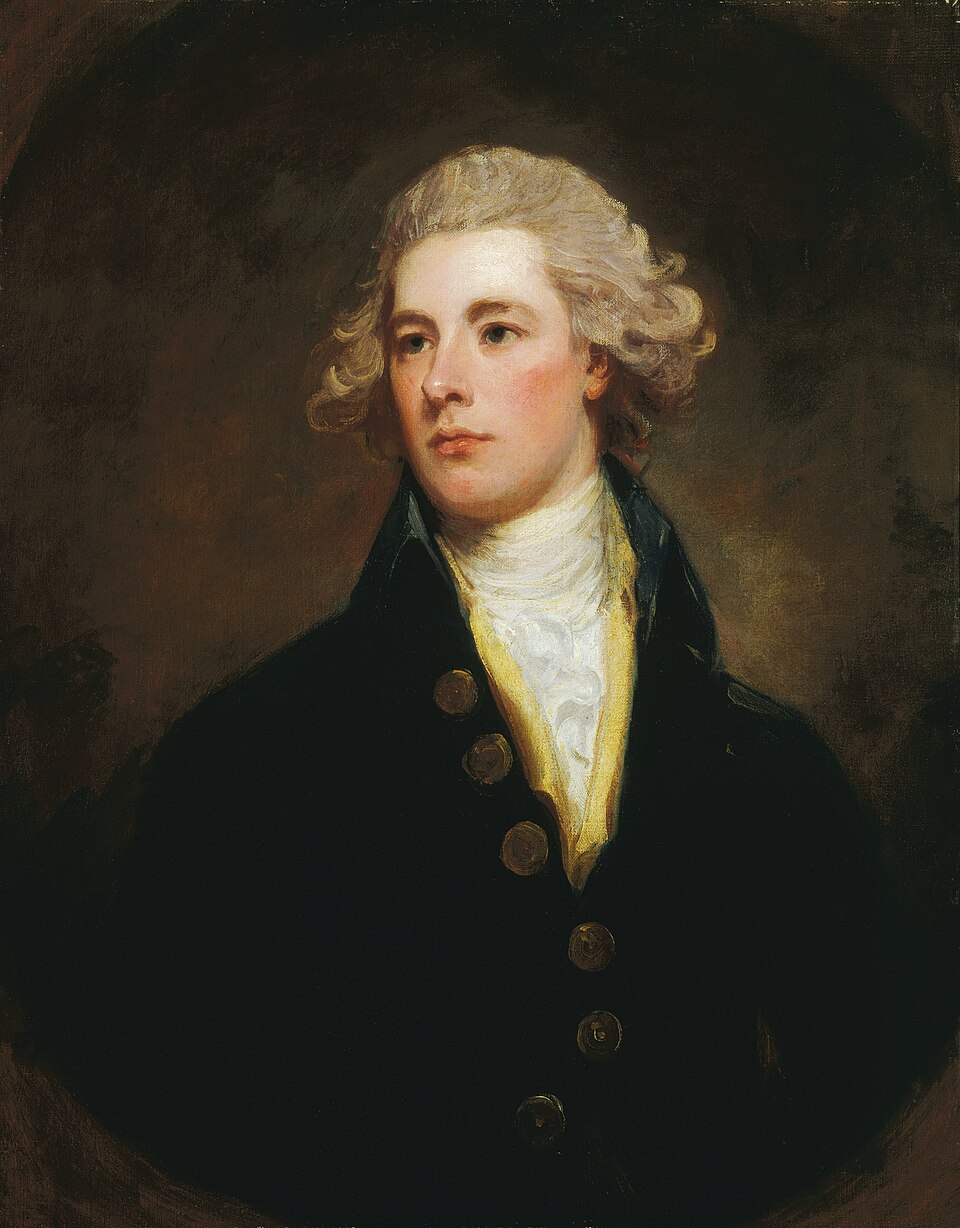
Between 1773 and 1858 the British Parliament passed a series of Acts that steadily transferred control over India from the East India Company to the Crown. Pitt's India Act of 1784, named after Prime Minister William Pitt the Younger, is the pivotal one: it created a Board of Control to oversee the political affairs of the Company while leaving day-to-day trade to the Court of Directors, formalising a 'dual' or 'double' system of government.
The trap is to confuse the reforms of each Act. The Regulating Act (1773) is famous for the Governor-General and the Supreme Court; the two Charter Acts are about trade monopoly and renewal of the charter. The Board of Control is the defining feature of 1784, so the question tests whether you can attach each institution to the correct statute.
Key facts
- Pitt's India Act, 1784 created a Board of Control of six commissioners to supervise the Company's civil, military and revenue affairs.
- The Court of Directors continued to manage the Company's commercial (trade) business, producing the 'double government'.
- The Regulating Act, 1773 created the Governor-General of Bengal and a Supreme Court at Calcutta.
- The Charter Act, 1813 ended the Company's Indian trade monopoly, except for the tea trade and trade with China.
Study next
Common traps
- Do not credit the Regulating Act with the Board of Control — it created the Governor-General and Supreme Court instead.
- The Charter Act of 1813 is about ending the trade monopoly, not administrative control.
Usually asked by matching each colonial Act to the institution or reform it introduced (Board of Control, Governor-General, end of monopoly).
Related PYQs
Match List I (Acts of Colonial Government of India) with List II (Provisions) — A. Charter Act, 1813; B. Regulating Act; C. Act of 1858; D. Pitt's India Act — against provisions including '1. Set up a Board of Control in Britain to fully regulate the East India Company's affairs in India'.
- (a) A-2 B-4 C-3 D-1
- (b) A-1 B-3 C-4 D-2
- (c) A-2 B-3 C-4 D-1
- (d) A-1 B-4 C-3 D-2
Answer(a) A-2 B-4 C-3 D-1 — Pitt's India Act (D) matches the Board of Control (1).
UPSC's own matching item pins the Board of Control to Pitt's India Act — the identical concept tested here.
Practice
- practice — not a real PYQ
The office of the Governor-General of Bengal was created by which Act?
- (a)Regulating Act of 1773
- (b)Pitt's India Act of 1784
- (c)Charter Act of 1833
- (d)Government of India Act 1858
Answer(a) Regulating Act of 1773 — it made the Governor of Bengal the Governor-General of Bengal (Warren Hastings the first). - practice — not a real PYQ
The East India Company's monopoly over trade with India was abolished by which Act?
- (a)Pitt's India Act 1784
- (b)Charter Act of 1793
- (c)Charter Act of 1813
- (d)Charter Act of 1833
Answer(c) Charter Act of 1813 — it ended the Company's Indian trade monopoly, keeping only tea and the China trade.