
Which one of the following Indian States account for the maximum deposits of Bauxite and Chromite?
- (a)Andhra Pradesh
- (b)Madhya Pradesh
- (c)Jharkhand
- (d)Odisha
Answer
Why
Correct — D, Odisha. Odisha holds the largest reserves of both bauxite and chromite in India — its Kalahandi–Koraput belt (for example, Panchpatmali) leads the country's bauxite resources, while the Sukinda valley in Jajpur holds the overwhelming bulk (about 95%) of India's chromite.
Why the others are wrong
- (a)Andhra Pradesh — Andhra Pradesh has bauxite deposits (Visakhapatnam and East Godavari) and other minerals, but it is not the leading state for both bauxite and chromite.
- (b)Madhya Pradesh — Madhya Pradesh is a major state for manganese, diamond and coal, but it does not lead in bauxite or chromite.
- (c)Jharkhand — Jharkhand is rich in coal, iron ore and mica, but it is not the top state for bauxite and chromite deposits.
Concept
India's metallic-mineral reserves are concentrated in the north-eastern peninsular belt. Odisha is the country's leading mineral state, topping the reserves of bauxite (the chief ore of aluminium), chromite (the ore of chromium), iron ore and nickel. Its Sukinda valley alone holds most of India's chromite.
Several options are mineral-rich states, so the trap is finding the one state that leads in both of the named minerals. Odisha is that state; the others lead in different minerals.
Key facts
- Odisha holds the maximum reserves of both bauxite and chromite in India.
- The Sukinda valley (Jajpur district) contains about 95% of India's chromite resources.
- Odisha's Panchpatmali deposits (Koraput) lead India's bauxite resources.
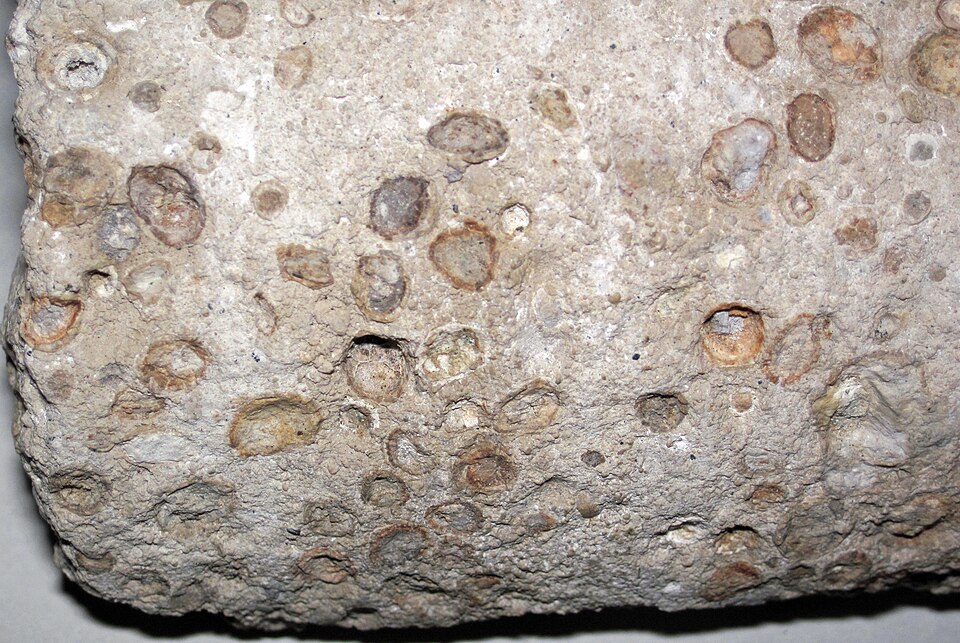
- Bauxite is the chief ore of aluminium; chromite is the main ore of chromium, used in stainless steel.
Study next
Common traps
- Do not confuse the leading states for different minerals — Madhya Pradesh (manganese/diamond), Jharkhand (coal/iron ore) and Rajasthan (lead-zinc) lead in others.
- The question needs the one state that tops both bauxite and chromite, which is Odisha.
Mineral geography is asked as 'which state leads in mineral X', or as matching minerals to their leading states.
Related PYQs
Match List I (Ores) with List II (States where they are mined): I. Manganese II. Nickel III. Lead-zinc IV. Asbestos; A. Madhya Pradesh B. Orissa C. Rajasthan D. Andhra Pradesh
- (a) I-A, II-C, III-B, IV-D
- (b) I-D, II-C, III-B, IV-A
- (c) I-A, II-B, III-C, IV-D
- (d) I-D, II-B, III-C, IV-A
Answer(c) I-A, II-B, III-C, IV-D
Same concept — state-wise distribution of Indian minerals. UPSC matched ores to their leading states (with nickel tied to Orissa/Odisha's Sukinda belt), the same reasoning that makes Odisha the top state for bauxite and chromite here.
Match List I (Minerals) with List II (Typical areas of occurrence): I. Coal II. Gold III. Mica IV. Manganese; A) Bhandara B) Karanpura C) Hutti D) Nellore
- (a) I-A, II-C, III-B, IV-D
- (b) I-B, II-C, III-D, IV-A
- (c) I-C, II-D, III-B, IV-A
- (d) I-B, II-A, III-D, IV-C
Answer(b) I-B, II-C, III-D, IV-A
Another mineral-to-region matching item testing where India's minerals occur — the same style of knowledge (which region/state hosts which mineral) that underlies identifying Odisha as the leader in bauxite and chromite.
Practice
- practice — not a real PYQ
The Sukinda valley of Odisha is famous for deposits of
- (a)Bauxite
- (b)Chromite
- (c)Manganese
- (d)Mica
Answer(b) Chromite — the Sukinda valley holds most of India's chromite reserves. - practice — not a real PYQ
Bauxite is the chief ore of which metal?
- (a)Iron
- (b)Copper
- (c)Aluminium
- (d)Zinc
Answer(c) Aluminium — bauxite is the principal ore from which aluminium is extracted.