
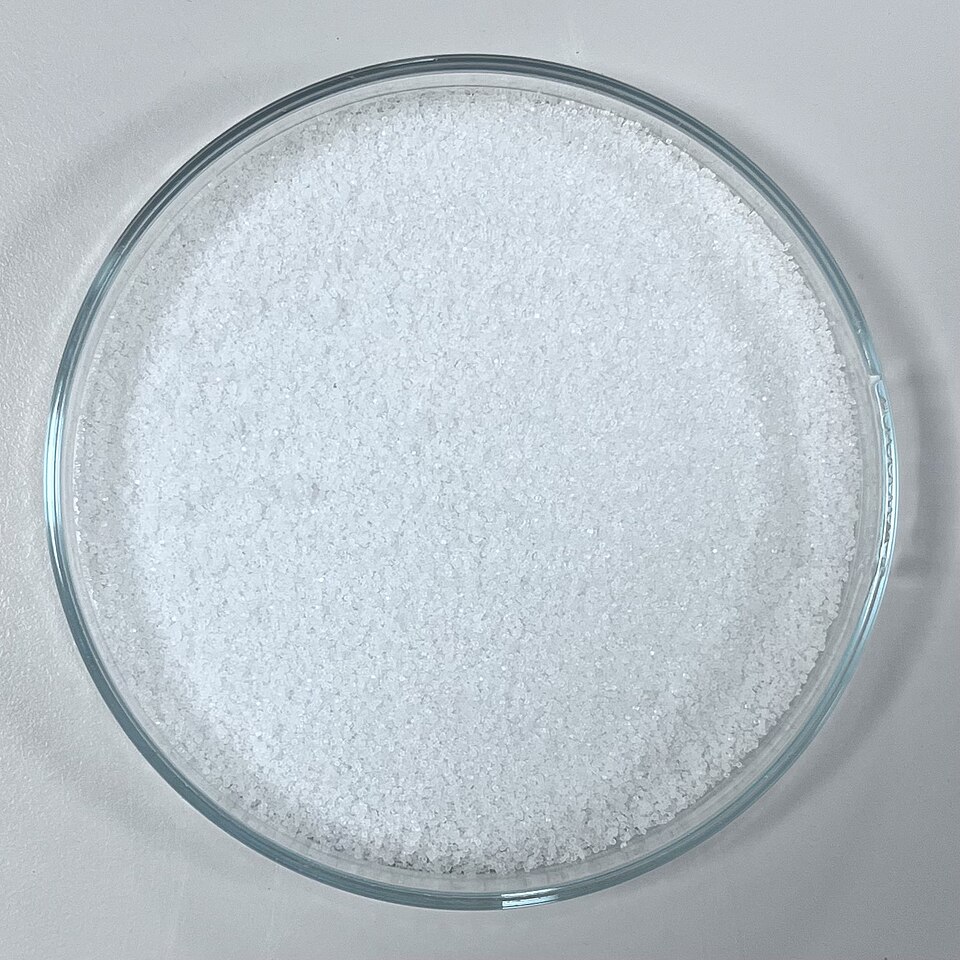
Iodized salt is a vital part of our diet as it is essential for the synthesis of
- (a)Estrogen
- (b)Thyroxin
- (c)Insulin
- (d)Adrenalin
Answer
Why
Correct — B, Thyroxin. Thyroxine is the hormone made by the thyroid gland, and iodine is built directly into its molecule (thyroxine, T4, carries four iodine atoms). Because the body cannot make thyroxine without iodine, a steady dietary supply of iodine — most conveniently through iodised salt — is essential; a shortage causes goitre and other iodine-deficiency disorders. That direct iodine-into-thyroxine link is why option (b) is correct.
Why the others are wrong
- (a)Estrogen — Estrogen is a steroid sex hormone made from cholesterol in the ovaries. It contains no iodine, so iodised salt is not needed for its synthesis.
- (c)Insulin — Insulin is a protein (peptide) hormone from the pancreas, built from amino acids. It has no iodine in it, so dietary iodine plays no part in making it.
- (d)Adrenalin — Adrenaline is made from the amino acid tyrosine in the adrenal glands, but its synthesis does not require iodine; only the thyroid hormones use iodine.
Concept
Iodine is a trace mineral the body needs in tiny amounts, chiefly to build the thyroid hormones thyroxine (T4) and triiodothyronine (T3). These hormones regulate the body's metabolic rate, growth and development. Because natural iodine in food and water is uneven, common salt is fortified with iodine to prevent deficiency.
The question links a dietary nutrient to the hormone it helps make. Only the thyroid hormones incorporate iodine, so 'iodised salt' should immediately point to thyroxine. The distractors are all well-known hormones from other glands (ovary, pancreas, adrenal) that are made from cholesterol, amino acids or peptides — none of which need iodine.
Key facts
- Iodine is an essential component of the thyroid hormone thyroxine (T4).
- Iodine deficiency causes goitre (swelling of the thyroid) and impairs growth and development.
- Salt is iodised specifically to prevent iodine-deficiency disorders in the population.
- Estrogen (steroid), insulin (peptide) and adrenaline (from tyrosine) contain no iodine.
Study next
Common traps
- Only the thyroid hormones need iodine — do not link iodine to insulin, adrenaline or estrogen.
- Goitre results from iodine deficiency; keep it distinct from diabetes (insulin) and other hormone disorders.
Asked which hormone or gland needs a given nutrient (iodine), or which disorder results from its deficiency.
Related PYQs
Which one of the following hormones contains iodine?
- (a) Thyroxine
- (b) Testosterone
- (c) Insulin
- (d) Adrenaline
Answer(a) Thyroxine — it is an iodinated derivative of tyrosine and carries four iodine atoms; the others contain none.
The identical fact tested the other way round — UPSC asks which hormone contains iodine (thyroxine), Q137 asks what iodised salt helps synthesise (thyroxine).
Practice
- practice — not a real PYQ
Deficiency of iodine in the diet leads to which one of the following disorders?
- (a)Rickets
- (b)Goitre
- (c)Scurvy
- (d)Anaemia
Answer(b) Goitre — a lack of iodine impairs thyroxine production and enlarges the thyroid gland. - practice — not a real PYQ
The hormone thyroxine is secreted by which one of the following glands?
- (a)Adrenal gland
- (b)Pancreas
- (c)Thyroid gland
- (d)Pituitary gland
Answer(c) Thyroid gland — it uses dietary iodine to make the metabolism-regulating hormone thyroxine.