
During the Swadeshi movement, a National College was started in Calcutta under the principalship of
- (a)Rabindranath Tagore
- (b)Aurobindo Ghosh
- (c)Rajani Kant Sen
- (d)Syed Abu Mohammad
Answer
Why
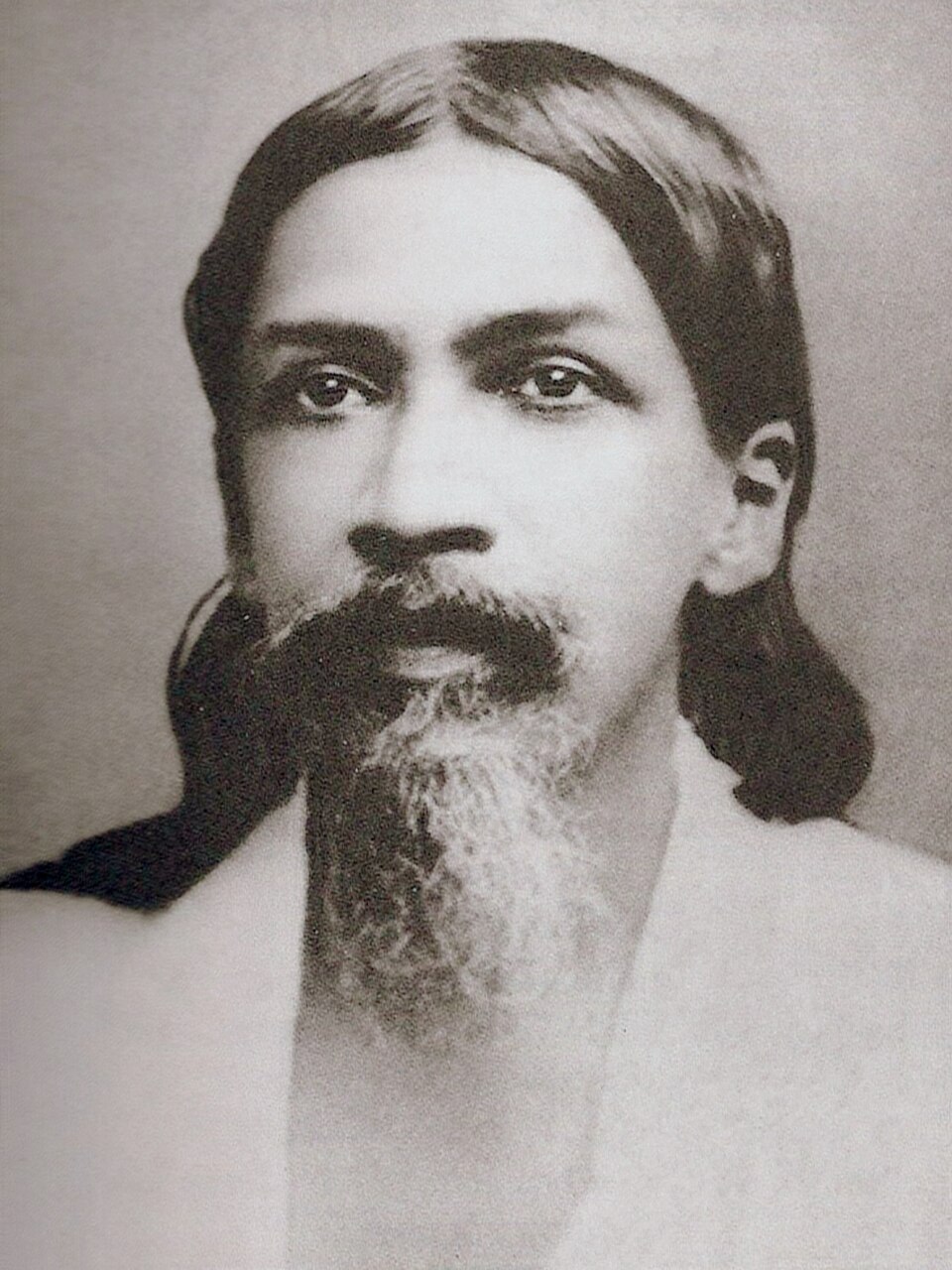
Correct — B, Aurobindo Ghosh. During the Swadeshi and national-education movement that followed the 1905 Partition of Bengal, the Bengal National College and School was founded in Calcutta in 1906, and Aurobindo Ghosh became its first principal. The national-education idea aimed to free Indians from a colonial curriculum by building indigenous institutions; Aurobindo, already a leading Extremist and editor of Bande Mataram, embodied that spirit before leaving public life for Pondicherry in 1910.
Why the others are wrong
- (a)Rabindranath Tagore — Tagore championed national education and later founded Visva-Bharati at Santiniketan, but he was not the principal of the Bengal National College.
- (c)Rajani Kant Sen — Rajanikanta Sen was a Bengali poet and songwriter of the Swadeshi era, not the head of this college.
- (d)Syed Abu Mohammad — He is not associated with the principalship of the Bengal National College; the post went to Aurobindo Ghosh.
Concept
The Swadeshi movement (from 1905) spawned a national-education drive to replace colonial schooling with Indian-run institutions. The Bengal National College and School, set up in Calcutta in 1906 under the National Council of Education, had Aurobindo Ghosh as its first principal.
All options are Bengali public figures of the period, so the trap is picking the more famous educationist Tagore. Anchor the specific institution — Bengal National College, 1906 — to its first principal, Aurobindo Ghosh.
Key facts
- The Bengal National College and School was founded in Calcutta in 1906.
- Aurobindo Ghosh was its first principal.
- It grew out of the national-education movement during Swadeshi, after the 1905 Partition of Bengal.
- Aurobindo was a leading Extremist leader and editor of the journal Bande Mataram.
Study next
Common traps
- Choosing Rabindranath Tagore because he is the era's famous educationist — the college's principal was Aurobindo Ghosh.
- Confusing the Bengal National College with Tagore's later Santiniketan/Visva-Bharati.
Who headed a specific Swadeshi-era institution, or matching leaders to national-education bodies and journals.
Related PYQs
Match List I (Persons) with List II (Journals) and select the correct answer using the codes given below the Lists: I. Shyamji Krishna Varma II. Madame Bhikaji Cama III. Annie Besant IV. Aurobindo Ghosh; A. Bande Mataram B. Indian Sociologist C. The Talwar D. Commonweal.
- (a) I-B, II-C, III-D, IV-A
- (b) I-C, II-B, III-A, IV-D
- (c) I-B, II-C, III-A, IV-D
- (d) I-C, II-B, III-D, IV-A
Answer(a) I-B, II-C, III-D, IV-A
Same figure and era — Aurobindo Ghosh in the Swadeshi movement. UPSC links him to the journal Bande Mataram; this NDA item links him to the Bengal National College he headed.
Practice
- practice — not a real PYQ
The Bengal National College, established in Calcutta in 1906, had as its first principal
- (a)Rabindranath Tagore
- (b)Aurobindo Ghosh
- (c)Bipin Chandra Pal
- (d)Surendranath Banerjee
Answer(b) Aurobindo Ghosh — the college grew out of the Swadeshi national-education movement. - practice — not a real PYQ
The national-education movement in India gained momentum in the wake of which event?
- (a)The Revolt of 1857
- (b)The Partition of Bengal (1905)
- (c)The Jallianwala Bagh massacre (1919)
- (d)The Non-Cooperation Movement (1920)
Answer(b) The Partition of Bengal (1905) — it triggered the Swadeshi and national-education drive.