
Which one of the following pair is NOT correctly matched ?
- (a)Aspartame – Synthetic sweetener
- (b)Rayon – Modified starch
- (c)Neoprene – Specialized rubber
- (d)Oxytocin – Hormone
Answer
Why
Correct — B, Rayon – Modified starch. Rayon has nothing to do with starch. It is a semi-synthetic fibre of regenerated cellulose: 'Rayon, also called viscose, is a semi-synthetic fiber made from natural sources of regenerated cellulose, such as wood and related agricultural products.' The raw material is wood pulp, sometimes bamboo pulp; the viscose process reacts the cellulose with a strong base and then with carbon disulfide to give a soluble xanthate derivative, and the fibre is formed by precipitating that solution back into filament — 'Rayon is made by dissolving cellulose and then precipitating it into a fiber.' Because it is spun from a natural polymer rather than built from petrochemical monomers, it is called semi-synthetic, and its older trade name, artificial silk, records what it was made to imitate. Starch and cellulose are both glucose polymers of plant origin, which is why the wrong pair sounds almost plausible, but they differ in the linkage between their glucose units and in everything that follows from it — starch is a food store that we digest, cellulose is a structural polymer that we cannot. 'Modified starch' is a genuine term for starch that has been chemically or physically treated to alter its behaviour, chiefly as a food thickener and stabiliser; it is simply not what rayon is. The other three pairs stand. Aspartame is an artificial sweetener, a dipeptide methyl ester roughly 180 to 200 times as sweet as table sugar, which is why so little of it is needed that its calorie contribution is negligible. Neoprene, or polychloroprene, is a synthetic rubber invented at DuPont on 17 April 1930 under Wallace Carothers, valued because it resists degradation better than natural or synthetic rubber and stays flexible over a wide temperature range. Oxytocin is a hormone that induces contraction of smooth muscle. One thing worth knowing about this item: UPPSC set the identical four pairs in the 2019 Paper-I as Q13, where the same wrong pair was printed at (d). The pair is the answer; the letter is only where the paper happened to put it.
Why the others are wrong
- (a)Aspartame – Synthetic sweetener — Correctly matched, so it is not the answer. Aspartame is an artificial sweetener made of amino acids; it yields calories like other amino acids but is roughly 180 to 200 times sweeter than sucrose, so the quantity used is tiny and the calories contributed are negligible. That relative sweetness, not any chemical inertness, is the basis of its use as a low-calorie sweetener.
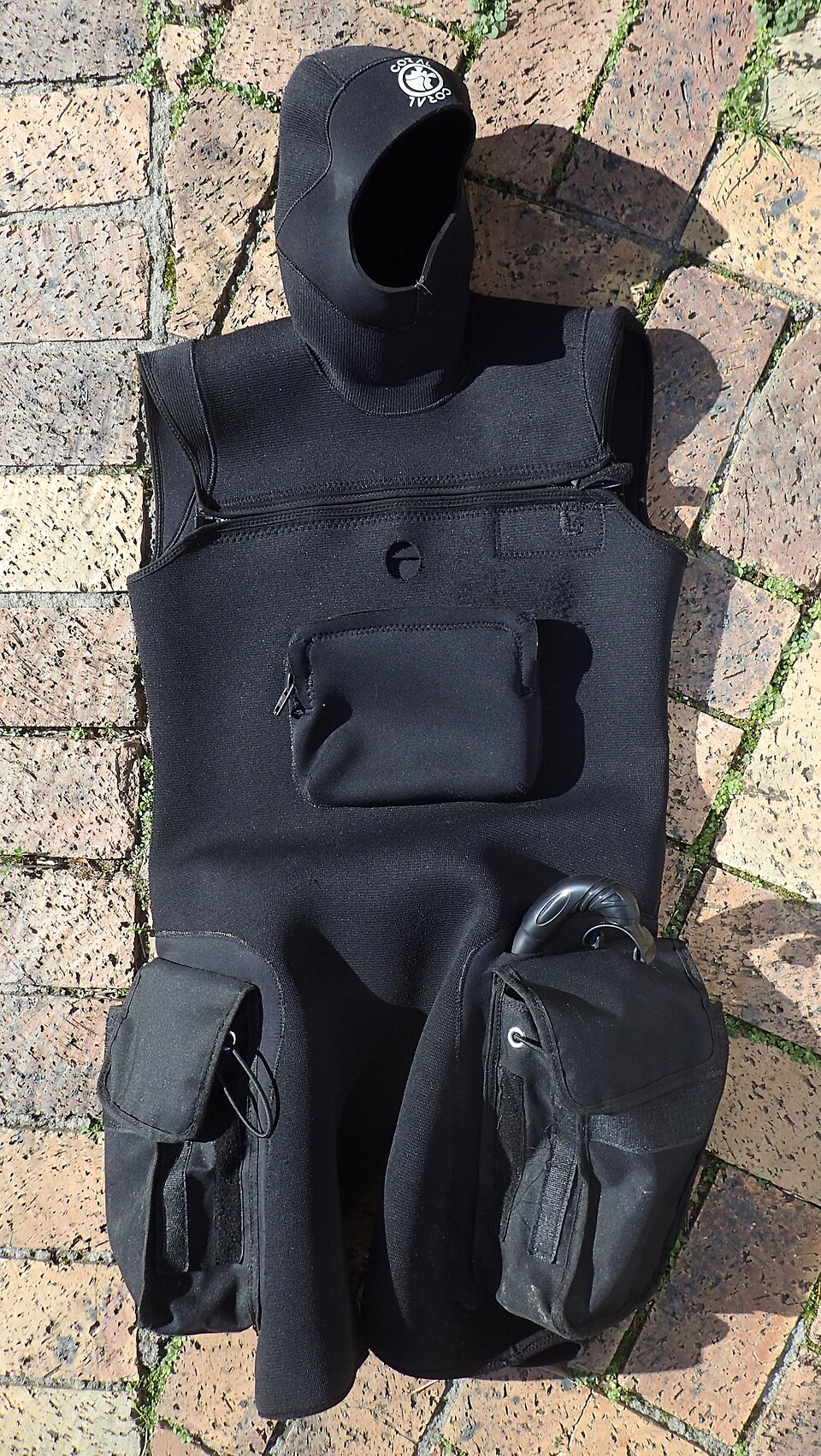
- (c)Neoprene – Specialized rubber — Correctly matched, so it is not the answer. Neoprene is polychloroprene, made by polymerising chloroprene, and it is a synthetic rubber. DuPont scientists invented it on 17 April 1930 with Wallace Carothers leading; it resists degradation more than natural or synthetic rubber, stays flexible across a wide temperature range and resists burning better than hydrocarbon rubbers, which is exactly what makes it a specialised rubber for wetsuits, gaskets, cable jackets and fan belts.
- (d)Oxytocin – Hormone — Correctly matched, so it is not the answer. Oxytocin is a hormone whose classic physiological role is inducing contraction of smooth muscle, and UPSC has itself tested that pairing in a matching question. It is not an enzyme, a fibre or a drug class.
Concept
Fibres are sorted by where the polymer comes from. Natural fibres are used as nature makes them — cotton and jute are cellulose, wool and silk are protein. Synthetic fibres are built from petrochemical monomers — nylon, polyester, acrylic. Rayon sits in between: the polymer is natural cellulose taken from wood pulp, but it is chemically dissolved and re-formed by human process, so it is semi-synthetic, or regenerated. The same three-way sorting works for the rest of this question. Neoprene is a fully synthetic polymer, an elastomer rather than a fibre. Aspartame is a small synthetic molecule built from two amino acids. Oxytocin is a natural peptide that the body makes and uses as a chemical messenger. Four different classes of substance, one classification skill.
'Which pair is NOT correctly matched' is answered fastest by scanning for the one pair whose two halves come from different worlds rather than by verifying all four. Here three pairs put a substance with its functional class — sweetener, rubber, hormone — while one puts a textile fibre with a food ingredient, and that mismatch is visible before you know any chemistry. If you want the chemical check, ask what the substance is made of: rayon is cellulose, and cellulose is emphatically not starch, even though both are glucose polymers of plant origin. The starch-versus-cellulose distinction is itself a recurring prelims topic — UPSC has asked which statement about the two is not correct, the answer being that only starch gives a colour with iodine. Finally, note how this question travels. UPPSC printed the same four pairs in 2019 and again in 2022 with the options shuffled, so the reliable preparation is to learn the pair, never the letter.
Key facts
- Rayon, also called viscose, is a semi-synthetic fibre of regenerated cellulose made from wood pulp — not a modified starch; the viscose process treats cellulose with a strong base and then carbon disulfide, and the fibre is precipitated from that solution.
- Rayon's older name is artificial silk, reflecting the fibre it was created to imitate.
- Neoprene is polychloroprene, a synthetic rubber invented at DuPont on 17 April 1930 under Wallace Carothers; it resists degradation better than natural rubber and stays flexible over a wide temperature range.
- Aspartame is an artificial sweetener about 180 to 200 times sweeter than table sugar, so the quantity used contributes negligible calories.
- Starch and cellulose are both plant-derived glucose polymers, but only starch gives a colour with iodine — the standard laboratory distinction between them.
Study next
Common traps
- Reading 'Rayon is a plant-derived fibre' as making the starch pairing acceptable. It is plant-derived, but as cellulose, not starch.
- Calling rayon a synthetic fibre. It is semi-synthetic or regenerated, because the polymer itself is natural cellulose that has been dissolved and re-formed.
- Memorising the letter instead of the pair. UPPSC printed these same four pairs in 2019 with the wrong pair at (d) and in 2022 with it at (b).
UPPSC asks this area almost every year as a 'which pair is NOT correctly matched' item or a four-row substance-to-use match, and it visibly recycles the same substances across papers. UPSC prefers reasoning questions on the same material — why aspartame works as a low-calorie sweetener, or which statement about starch and cellulose is wrong — so learn the property that explains the classification, not just the label.
Related PYQs
Which one of the following statements regarding starch and cellulose is NOT correct?
- (a) Both of them are of plant origin
- (b) Both of them are polymers
- (c) Both of them give colour with iodine
- (d) Both of them are made up of glucose molecules
Answer(c) Both of them give colour with iodine
The exact confusion this question is built on. Starch and cellulose share origin, polymer nature and glucose units, which is why 'rayon = modified starch' sounds almost right — but they are different polymers, and rayon is the cellulose one.
Aspartame is an artificial sweetener sold in the market. It consists of amino acids and provides calories like other amino acids. Yet, it is used as a low-calorie sweetening agent in food items. What is the basis of this use?
- (a) Aspartame is as sweet as table sugar, but unlike table sugar, it is not readily oxidized in human body due to lack of requisite enzymes
- (b) When aspartame is used in food processing, the sweet taste remains, but it becomes resistant to oxidation
- (c) Aspartame is as sweet as sugar, but after ingestion into the body, it is converted into metabolites that yield no calories
- (d) Aspartame is several times sweeter than table sugar, hence food items made with small quantities of aspartame yield fewer calories on oxidation
Answer(d) Aspartame is several times sweeter than table sugar, hence food items made with small quantities of aspartame yield fewer calories on oxidation
Option (a) of this UPPSC question turned into a full reasoning item — aspartame really is a synthetic sweetener, and UPSC pushes past the label to why it works as a low-calorie one.
Match List I with List II and select the correct answer using the codes given below the Lists: List I (Substance) I. Ptyalin II. Pepsin III. Renin IV. Oxytocin List II (Physiological role) A) Converts angiotensinogen in blood into angiotensin B) Digests starch C) Digests proteins D) Hydrolyses fats E) Induces contraction of smooth muscles
- (a) I-B, II-C, III-A, IV-E
- (b) I-C, II-D, III-B, IV-E
- (c) I-B, II-C, III-E, IV-A
- (d) I-C, II-A, III-B, IV-D
Answer(a) I-B, II-C, III-A, IV-E
Confirms option (d) of this question from the other side — oxytocin as the hormone that induces contraction of smooth muscle, set against enzymes so that the hormone-versus-enzyme distinction has to be made.
Which of the following pairs is NOT correctly matched ?
- (a) Oxytocin — Hormone
- (b) Aspartame — Synthetic sweetner
- (c) Neoprene — Specialized rubber
- (d) Rayon — Modified starch
Answer(d) Rayon — Modified starch
The same question, three years earlier, with the identical four pairs in a different order — the wrong pair sat at (d) then and at (b) here. The clearest possible demonstration that you must learn the pair and read the option text, never the letter.
Which one of the following substances is NOT synthetic?
- (a) Fibroin
- (b) Lexan
- (c) Neoprene
- (d) Teflon
Answer(a) Fibroin
The natural-versus-synthetic sorting that decides this question, with neoprene again in the option list — fibroin is the natural protein of silk, while neoprene, Lexan and Teflon are all man-made polymers.
Practice
- practice — not a real PYQ
Rayon is best described as a
- (a)natural fibre obtained from plants
- (b)semi-synthetic fibre of regenerated cellulose
- (c)synthetic fibre polymerised from petrochemical monomers
- (d)protein fibre similar to silk
Answer(b) semi-synthetic fibre of regenerated cellulose — cellulose from wood pulp is dissolved by the viscose process and precipitated back into fibre, which is why it is also called artificial silk. - practice — not a real PYQ
Which one of the following is a synthetic rubber?
- (a)Neoprene
- (b)Fibroin
- (c)Cellulose acetate
- (d)Casein
Answer(a) Neoprene — polychloroprene, invented at DuPont in 1930, prized for its resistance to degradation and its flexibility over a wide temperature range.