
Which one among the following is NOT included in the National Food Security Mission Commercial Crops (NFSM-CC)?
- (a)Cotton
- (b)Coffee
- (c)Jute
- (d)Sugar cane
Answer
Why
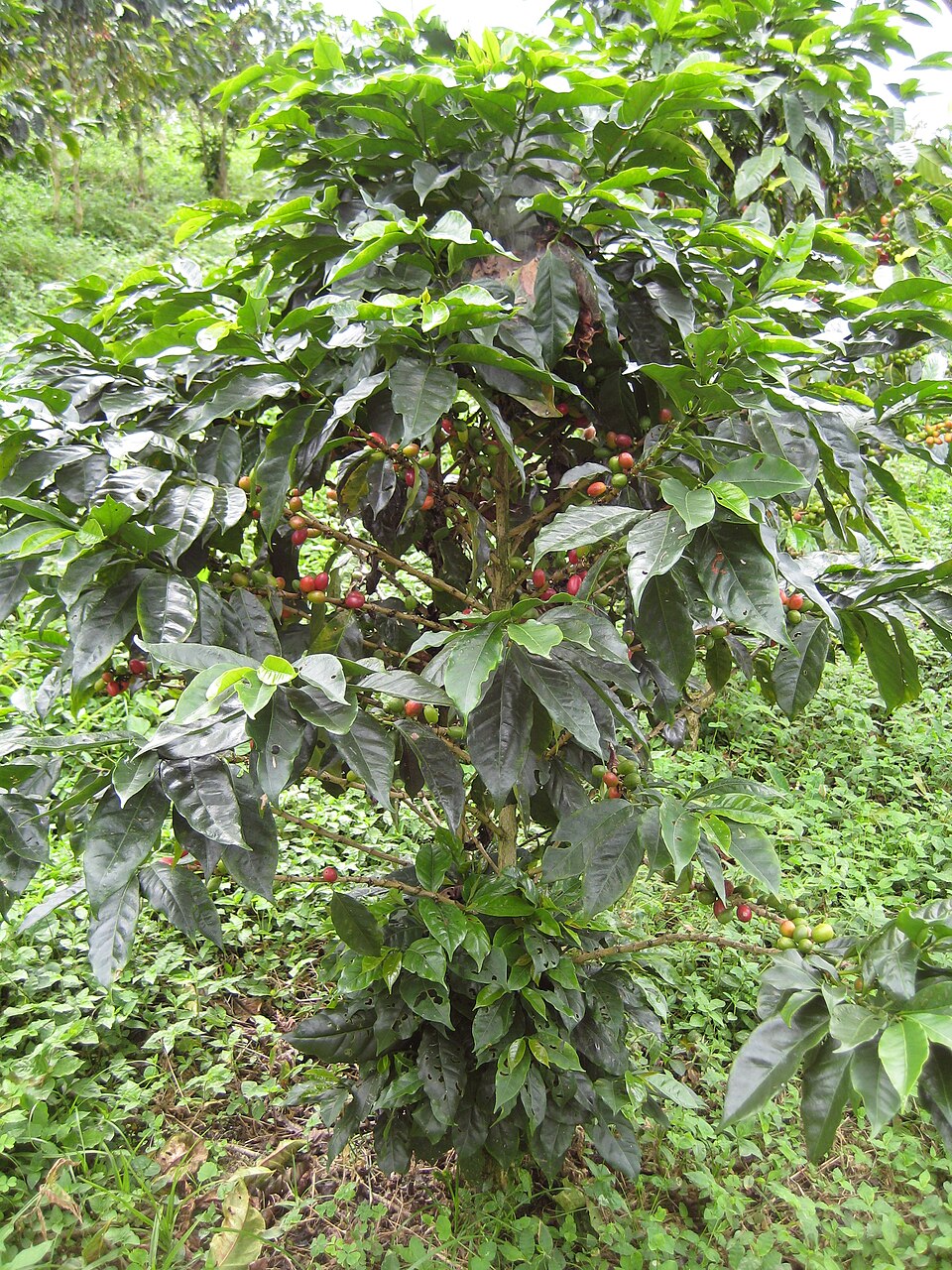
Correct — B, Coffee. The National Food Security Mission's Commercial Crops wing (NFSM-CC) covers three crops — cotton, jute and sugarcane. Coffee is a plantation crop looked after by the Coffee Board under a separate arrangement, and it is not part of NFSM-CC, so coffee is the crop NOT included.
Why the others are wrong
- (a)Cotton — Cotton is a fibre crop covered under the NFSM Commercial Crops programme, so it is included.
- (c)Jute — Jute is one of the three commercial crops supported under NFSM-CC, so it is included.
- (d)Sugar cane — Sugarcane is covered under NFSM Commercial Crops, so it too is part of the scheme.
Concept
The National Food Security Mission (NFSM), launched in 2007-08, works to raise the output and productivity of key crops. Beyond food grains, its Commercial Crops component (NFSM-CC) supports cotton, jute and sugarcane through improved technology and area-based interventions.
The trick is to separate NFSM crops from plantation crops. Cotton, jute and sugarcane are the three commercial crops inside NFSM-CC. Coffee, though commercially important, is a plantation crop managed by the Coffee Board, so it falls outside NFSM and is the odd one out.
Key facts
- NFSM Commercial Crops covers cotton, jute and sugarcane.
- Coffee is a plantation crop under the Coffee Board, outside NFSM-CC.
- The NFSM was launched in 2007-08 to boost the production of key crops.
- Its original food-crop basket was rice, wheat and pulses, later widened to more crops.
Study next
Common traps
- NFSM Commercial Crops means cotton, jute and sugarcane — not plantation crops.
- Coffee, tea and rubber are plantation crops under commodity boards, outside NFSM.
NFSM crops are tested as an odd-one-out item, placing a plantation crop among the scheme's commercial crops.
Related PYQs
An objective of the National Food Security Mission is to increase the production of certain crops through area expansion and productivity enhancement in a sustainable manner in the identified districts of the country. What are those crops?
- (a) Rice and wheat only
- (b) Rice, wheat and pulses only
- (c) Rice, wheat, pulses and oilseeds only
- (d) Rice, wheat, pulses, oilseeds and vegetables
Answer(b) Rice, wheat and pulses only
The same National Food Security Mission. UPSC asks about the original food-crop basket (rice, wheat, pulses); the NDA item asks about the newer NFSM Commercial Crops wing (cotton, jute, sugarcane — coffee excluded), so together they map the whole mission.
Practice
- practice — not a real PYQ
Which of the following is a commercial crop covered under NFSM Commercial Crops?
- (a)Coffee
- (b)Tea
- (c)Jute
- (d)Rubber
Answer(c) Jute — cotton, jute and sugarcane form the NFSM Commercial Crops list. - practice — not a real PYQ
Coffee production in India is promoted mainly by which body?
- (a)The Coffee Board
- (b)The Food Corporation of India
- (c)NAFED
- (d)The Tea Board
Answer(a) The Coffee Board — coffee is a plantation crop looked after by the Coffee Board.