UPSC Current Affairs

14 topicsGS-1: 2GS-2: 4GS-3: 8
0/14 done
GS-2Polity

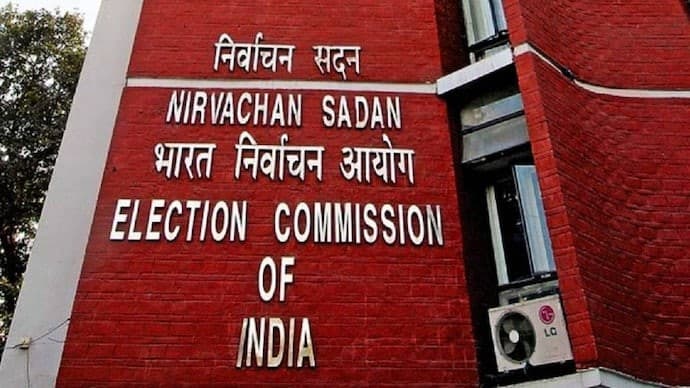
1.Special Intensive Electoral Roll Revision (Electoral Rolls)

LiveMint

What & Where

Special Intensive Revision (SIR) = house-to-house verification of electoral rolls

Mandated by Election Commission of India in Bihar, 2024

Focus on citizenship validation for voters, especially post-2003 entrants

Quick Facts for MCQs

Legal & Policy

  • Authority; ECI can order SIR under Section 21(3) without state request
  • Citizenship; verification aligns with 2003 RPA amendment linking voter right to Indian nationality
  • Future scope; successful Bihar SIR may trigger nationwide roll scrutiny

Operational Criteria

  • Documentation; passport, birth certificate, parent’s voter ID accepted as proof
  • Enumeration; all electors must resubmit Form 6 or equivalent, no auto-carryover
  • Accessibility; online forms permitted yet physical verification compulsory

Security Dimension

  • Border concern; Bihar adjacency to Nepal and porous borders heighten illegal entrant risk
  • Demographic manipulation; multiple registrations via migration flagged as threat to electoral integrity
  • Trust factor; accurate rolls intended to pre-empt voter-fraud litigations

Key Data Points

FeatureData-Point
Legal hookSec 21(3) RPA 1950 & Art 324(1) Constitution
Core processFresh door-to-door enumeration
GeographyEntire state of Bihar
Proof soughtBirth & citizenship documents
Pre-1 Jul 1987 votersOwn birth document enough
1 Jul 1987–2004 votersPersonal + one parent’s proof
Post-2004 votersPersonal + both parents’ proofs
Digital optionECINET app & ECI website
Key objectiveRemove duplicates, illegal immigrants
Age eligibilityIndian citizens ≥18 yrs

Related UPSC Prelims PYQs

GEO_GS, GS1 2026PYQ 1

What is the full form of SIR introduced by the Election Commission of India?

GEO_GS, GS1 2017PYQ 2

लोक सभा के निर्वाचन के लिए नामांकन-पत्र
GS-2Polity

2.Registered Unrecognised Political Parties Overview (Political Parties)

DC
Illustration for Registered Unrecognised Political Parties Overview (Political Parties)

What & Where

RUPPs: parties registered under RPA 1951 Sec 29A, yet to gain State/National recognition, present pan-India.

ECI drive 2024-25: delisting 345 inactive, untraceable RUPPs that skipped all polls since 2019.

Scale: India hosts >2,800 RUPPs; ≈97 % of all registered political parties are unrecognised.

Quick Facts for MCQs

Legal & Policy

  • Section 29A registration needs party constitution, democratic internal rules, constitutional pledge.
  • Delisting power: ECI may remove parties for inactivity, non-traceability, compliance failure.
  • PPRTMS portal offers end-to-end digital tracking of party registration status.

Electoral Criteria

  • State recognition: any one of five thresholds, e.g., 6 % vote plus two Assembly seats.
  • National status: 6 % vote in four states + 4 LS seats or 2 % LS seats across three states.
  • Recognition benefits: exclusive symbol, free Doordarshan airtime, electoral roll copies.

Financial Oversight

  • Funding opacity: only <5 % RUPPs submitted donation reports (2013-16).
  • Tax abuse: dormant outfits retain Sec 13A exemption despite zero electoral activity.
  • Reform cues: compulsory annual audits, IT-EC data linkage, routine delisting of dormants.

Key Data Points

FeatureData-Point
Legal anchorRepresentation of the People Act 1951 – Sec 29A
Privilege100 % income-tax exemption under IT Act Sec 13A
Total RUPPs (2025 est.)>2,800
RUPPs now facing delisting345
Share of unrecognised parties≈97 % of total registered
Donation reports filed 2013-16<5 % of RUPPs

Related UPSC Prelims PYQs

CDS_GK, GS1 2001PYQ 1

Consider the following statements regarding the political parties in India:

CDS_GK, GS1 2020PYQ 2

निम्नलिखित में से कौन-सा भारत के निर्वाचन आयोग द्वारा पंजीकृत राजनीतिक दलों की मान्यता श्रेणी नहीं है?

GS-3Economy

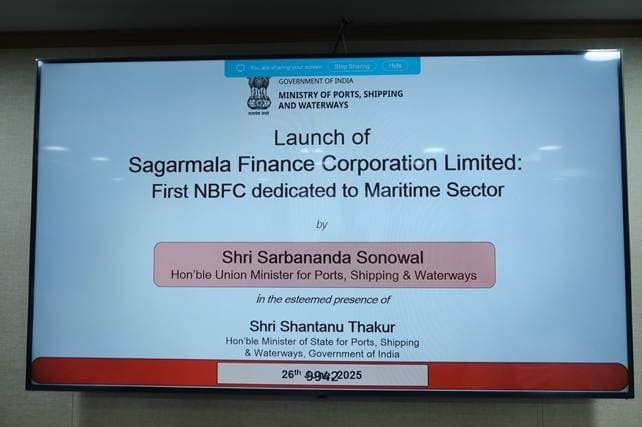
3.Sagarmala Finance Corporation Maritime NBFC (Maritime NBFC)

Economic Times
Illustration for Sagarmala Finance Corporation Maritime NBFC (Maritime NBFC)

What & Where

Entity: Sagarmala Finance Corporation Limited (SMFCL) — India’s first sector-specific maritime NBFC, Mini Ratna Category-I CPSE.

Registration: RBI-licensed; head office New Delhi; under Ministry of Ports, Shipping & Waterways (MoPSW).

Purpose: Fill funding gaps in ports, shipping & logistics toward Maritime Amrit Kaal Vision 2047 goals.

Quick Facts for MCQs

Economic Angle

  • Financing: Acts as catalyst for PPP projects, enhancing investment readiness of maritime infrastructure.
  • Inclusion: Tailored credit widens access for MSMEs and maritime entrepreneurs.
  • Growth: Supports port-led development to boost trade competitiveness.

Policy Alignment

  • Vision: Directly aligned with Maritime Amrit Kaal Vision 2047 for global leadership.
  • Programme: Complements existing Sagarmala Programme initiatives.
  • Demand: Addresses long-standing need for dedicated maritime financier.

Tech & Schemes

  • Green energy: Funds green hydrogen and other clean-tech maritime projects.
  • Digitalisation: Supports digital port initiatives for efficiency gains.
  • R&D: Partners with startups & institutions for skilling and innovation.

Key Data Points

FeatureData-Point
Year of launch2024*
Inaugurated byUnion Minister of Ports, Shipping & Waterways
Parent ministryMoPSW
Corporate statusMini Ratna Category-I CPSE
RegulatorReserve Bank of India (NBFC)
HQ cityNew Delhi
Credit tenor offeredShort, medium & long term
Key beneficiariesPort authorities, logistics firms, MSMEs, startups, edu-institutions
Focus sectorsShipbuilding, cruise tourism, green hydrogen, digital ports
Flagship linkageSagarmala Programme

Related UPSC Prelims PYQs

CDS_GK, ESE_GS 2024PYQ 1

Which of the following statements is not correct?

CDS_GK, ESE_GS 2026PYQ 2

What is the name of the national digital framework launched at India Maritime Week 2025 to make Indian ports data-driven and AI-enabled?

GS-3Infrastructure

4.Maritime Sector Digital Initiatives (Maritime Digitization)

PIB

What & Where

India’s Maritime Digital Initiatives: MoPSW–led modernization of port logistics using AI, IoT, blockchain.

Flagship tools: SAGAR SETU interface, Digital Centre of Excellence, DRISHTI KPI portal, uniform Scale of Rates.

Coverage: 80 + ports, 40 + logistics stakeholders; aligned to Maritime India Vision 2030 & Amrit Kaal 2047.

Quick Facts for MCQs

Tech & Schemes

  • AI/IoT dashboards enable real-time berth, cargo, energy monitoring across major ports.
  • Blockchain adoption targets paperless trade documents, fraud reduction.
  • DCoE pilots green-port analytics for carbon, energy optimisation.

Economic Angle

  • Unified tariffs via SOR cut cost ambiguity, boosting investor confidence.
  • SAGAR SETU streamlines EXIM workflows, reducing turnaround time → higher port productivity.
  • Digitisation supports India’s $5-trillion economy vision through reduced logistics cost.

Governance & Monitoring

  • DRISHTI provides live status on Maritime India Vision 2030 projects to ministerial dashboard.
  • Data-driven reviews accelerate decision-making, minimise implementation delays.
  • Standard metrics ensure uniform performance benchmarking across 12 major ports.

Key Data Points

FeatureData-Point
Nodal ministryMinistry of Ports, Shipping & Waterways
Technology hubDigital Centre of Excellence (MoPSW + C-DAC)
Unified EXIM platformSAGAR SETU
SAGAR SETU reach80 + ports, 40 + stakeholder agencies
KPI portal full formDRISHTI = Data-driven Review Institutional System for Tracking Implementation
DRISHTI pillarsKPI Monitoring, Progress Tracking, Organisation Oversight, Cell-wise Review
Tariff toolStandardised Scale of Rates (SOR) Template
Primary tech usedAI, IoT, Blockchain
National plan linkagePM Gati Shakti Master Plan
Ease of Doing Business impactPaperless, faster clearance, transparent tariffs

Related UPSC Prelims PYQs

CDS_GK, ESE_GS 2026PYQ 1

What is the name of the national digital framework launched at India Maritime Week 2025 to make Indian ports data-driven and AI-enabled?

CDS_GK, ESE_GS 2024PYQ 2

Which of the following statements is not correct?

GS-1History

5.Shiva-Vishnu Syncretic Dual-Faced Lamp (Temple Artifacts)

The Hindu

What & Where

Artefact: 15th-century dual-faced bronze(?) lamp blending Shaiva-Vaishnava iconography.

Location: Perdoor Anantapadmanabha Temple, Udupi district, Coastal Karnataka.

Context: Inscription dates donation to 1456 CE, illustrating temple’s medieval ritual plurality.

Quick Facts for MCQs

Iconography

  • Duality: One side Shaiva destruction, other Vaishnava preservation; emblem of cosmic balance.
  • Headgear: Distinct crowns differentiate pantheons, aiding immediate visual identification.
  • Composition: Equal limb distribution under Samabhanga conveys stability amidst depicted turmoil.

Historical Context

  • Medieval Karnataka: 15th-century coastal temples patronised syncretic art reflecting Vijayanagara influence.
  • Epigraphy: Kannada inscription authenticates date, donor, intercult unity.
  • Material culture: Ritual lamps central to temple nightly deepa-aradhana ceremonies.

Syncretic Traditions

  • Shaiva-Vaishnava overlap: Lamp embodies doctrinal coexistence rather than rivalry.
  • Folk-Brahmanical merge: Khadga Ravana-Mari presence shows integration of local deities.
  • Continuity: Present-day rituals still acknowledge lamp’s composite theology.

Cultural Continuity

  • Worship practice: Outer prakara maintains Khadga Ravana-Mari offerings alongside Vedic rites.
  • Pilgrimage draw: Unique artefact boosts heritage tourism in Udupi beyond famous Krishna Matha.

Key Data Points

FeatureData-Point
Donor inscription year1456 CE
First face focusShiva as Nataraja in Pralaya Tandava
Second face focusVishnu as Anantapadmanabha calming Shiva
Gesture highlightedVismaya Mudra (one-handed, palm inward, fingers spread)
Common poseSamabhanga (balanced posture)
Folk deity shownKhadga Ravana seated on Goddess Mari
Supporting deitiesParvati, Ganapati, Bringi, Brahma, Indra, Agni, Varuna
Artistic hallmarkDual religious symbolism on single ritual lamp
Temple prakara traitOngoing Khadga Ravana–Mari worship
RegionTulunad, Coastal Karnataka

Related UPSC Prelims PYQs

CDS_GK 2024PYQ 1

Which one of the following has been an important early Chola painting discovered at the Brihadisvara Temple, Thanjavur in 1931?

GS-1MappingQuick Bite

6.Rhone Glacier Characteristics and Retreat (Alpine Glaciers)

The Hindu

What & Where

Rhone Glacier: fifth-largest Swiss glacier in southern Alps, near Furka Pass and Italian border.

Source glacier of Rhône River, which traverses Switzerland, France and empties into Mediterranean Sea.

Alps: Europe’s highest fold mountains across eight nations; Mont Blanc (4,808 m) is tallest summit.

Quick Facts for MCQs

Climate Change Impact

  • Retreat: Rhone shrinking since 19th C, projected loss by 2100.
  • Instability: Warming drills Swiss-cheese holes, heightening collapse and avalanche hazards.
  • Disaster: Birch Glacier slide buried Blatten village parts in May 2025.

Physical Features

  • Accessibility: Rhone is Switzerland’s most reachable and heavily studied glacier.
  • Surface: Dominated by deep crevasses and extensive ice caves.
  • Hydrology: Meltwater crucial for perennial Rhône River flow.

Alpine Geography

  • Extent: Alps form ~1,200 km arc across eight European states.
  • Origin: Classic fold mountains from Alpine orogeny, highest chain in Europe.
  • Border peak: Mont Blanc straddles France–Italy frontier.

Key Data Points

FeatureData-Point
Glacier rank (Switzerland)5th largest
Nearest mountain passFurka Pass
River sourcedRhône
River outflowMediterranean Sea
Highest Alpine peakMont Blanc
Alpine countriesFR CH IT LI AT DE SI MC
Retreat duration≈170 years
Predicted fateDisappear by late 21st C
May 2025 eventBirch Glacier avalanche
Europe glacier leaderSwitzerland hosts most
GS-3Environment

7.Male Mahadeshwara Hills Sanctuary Profile (Wildlife Sanctuary)

DH
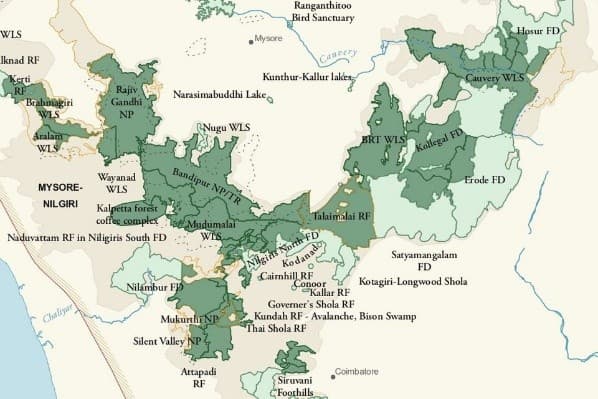
Illustration for Male Mahadeshwara Hills Sanctuary Profile (Wildlife Sanctuary)

What & Where

Male Mahadeshwara Hills Wildlife Sanctuary (MM Hills WLS) – 906 sq km dry-moist deciduous landscape in Chamarajanagar, Karnataka

Sits at Eastern Ghats tri-junction with Kerala & Tamil Nadu; contiguous to BRT, Sathyamangalam & Cauvery PAs

Hilly, undulating terrain with altitude-driven micro-habitats hosting rising tiger population since 2013

Quick Facts for MCQs

Geography & Ecology

  • Altitude variation creates micro-habitats supporting both dry deciduous and shola elements
  • Contiguity forms vital Eastern Ghats–Western Ghats linkage corridor for tigers and elephants
  • Valleys, hill ranges aid seasonal water availability, influencing herbivore distribution

Biodiversity

  • Apex predators: stable tiger numbers rising post-2013 protection upgrades
  • Omnivores: sloth bear, wild boar, honey badger sustain ecological balance through seed dispersal, scavenging
  • Avifauna & herpetofauna unreported here but benefit from mixed forest strata

Conservation Status

  • Proposal: upgrade to Tiger Reserve pending, would unlock NTCA funding & buffer regulations
  • Existing management under Wildlife Sanctuary rules limits dedicated tiger-centric monitoring capacity
  • Landscape critical for Eastern Ghats tiger gene-flow, making prompt notification priority

Conflict & Threats

  • Suspected poisoning incident highlights human-wildlife conflict around fringe villages & livestock depredation
  • Degraded scrub edges from fuel-wood collection enlarge interface zones, increasing retaliatory risks
  • Absence of tiger-reserve level staff strength hampers swift conflict mitigation and crime detection

Key Data Points

FeatureData-Point
Year declared WLS2013
Administrative divisionMM Hills Wildlife Division (ex-Kollegal)
District / StateChamarajanagar, Karnataka
Total area~906 sq km
Neighbouring protected areasBRT TR, Sathyamangalam TR, Cauvery WLS
Dominant vegetationDry & moist deciduous; scrub on fringes
High-altitude pocketsSemi-evergreen, evergreen, shola
Key megafaunaTiger, elephant, leopard, gaur, dhole
Key herbivoresSambar, barking deer, chital, four-horned antelope
Tiger Reserve statusYet to be notified despite suitability
Recent incidentFive tigers (mother + 4 cubs) found dead; suspected poisoning

Related UPSC Prelims PYQs

GS1 2017PYQ 1

From the ecological point of view, which one of the following assumes importance in being a good link between the Eastern Ghats and the Western Ghats ?

GS-3S&T

8.Silica Gel Desiccant Properties (Desiccant Material)

Down to Earth
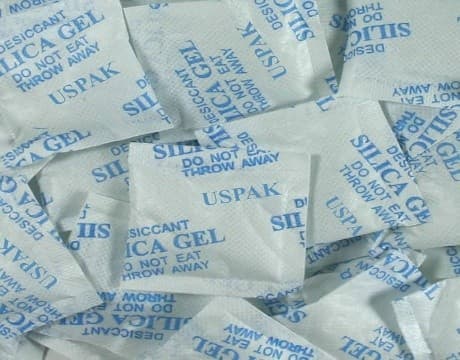
Illustration for Silica Gel Desiccant Properties (Desiccant Material)

What & Where

Silica gel = amorphous SiO₂ desiccant in paper/cloth sachets placed inside consumer & industrial packages worldwide.

Two main variants: plain (clear/white, non-toxic) and cobalt-chloride coated (blue→pink indicator, toxic).

Works via nanoscale pores enabling capillary condensation, keeping surroundings dry and mould-free.

Quick Facts for MCQs

Composition & Properties

  • High porosity: nanopores maximise water adsorption without swelling or dissolving.
  • Chemically inert: does not react with stored goods, extends shelf life.
  • Reusable: heat removes trapped moisture, restoring capacity.

Applications

  • Pharmaceuticals: sachets in pill/vitamin bottles prevent hydrolysis.
  • Industrial: safeguards camera lenses, precision instruments, lab reagents.
  • Logistics: inserted in shipping containers to curb condensation damage.

Toxicity & Safety

  • Choking risk: bead size poses hazard, especially to children/pets.
  • Cobalt-chloride gel restricted to industrial settings due to carcinogenic potential.
  • Ingestion of plain gel usually causes mild GI discomfort, not poisoning.

Key Data Points

FeatureData-Point
Chemical formulaSiO₂ (silicon dioxide)
Internal surface area≈ 700 m² per gram
HydrophilicityStrong affinity, absorbs up to 40 % of its weight
Recharge temperature115 – 125 °C (oven drying)
Indicator colour shiftBlue (dry) → Pink (wet) when cobalt chloride coated
Toxicity statusBase gel non-toxic; cobalt-chloride variant hazardous
Key consumer usesElectronics, shoes, clothes, food packs
Key preservation usesLibraries, museums, photo/film storage

Related UPSC Prelims PYQs

GS1, NDA_GAT 2000PYQ 1

A small pouch containing silica gel is often found in bottles of medicine in tablet or powder form because silica gel

GS1, NDA_GAT 2020PYQ 2

Which one of the following is the best example of desiccant?

GS-3S&T

9.International Potato Centre South Asia Hub (Agricultural Research)

Indian Express

What & Where

CIP-South Asia Regional Centre (CSARC): upcoming global potato R&D hub at Singna, Agra, Uttar Pradesh.

Parent body: International Potato Centre (CIP), a CGIAR research organisation on potato, sweet potato, Andean roots.

Coverage: India plus neighbouring South-Asian potato-growing nations.

Quick Facts for MCQs

Tech & Schemes

  • Seed-innovation: access global germplasm to supply disease-free, high-yield seed locally.
  • Climate-research: breed heat-, drought-, late-blight tolerant potato & sweet-potato lines.
  • Post-harvest: develop storage, processing, packaging technologies to cut losses.

Economic Angle

  • Income-boost: value-addition and export-oriented processing to raise farmer earnings.
  • Seed-self-reliance: domestic production curtails import dependence on neighbouring nations.
  • Export-push: stronger value chains to tap global snack & frozen potato markets.

Food & Nutrition

  • Security-focus: nutrient-dense sweet potato and potato promoted for vulnerable, climate-hit regions.
  • Diversification: supports balanced diets beyond cereals in government schemes.

Key Data Points

FeatureData-Point
CIP HQLima, Peru
CIP founded1971; India work since 1975 (ICAR tie-up)
CSARC budget₹171 cr (India ₹111.5 cr; CIP ₹60 cr)
Other CGIAR centre in IndiaIRRI-South Asia Hub, Varanasi
India’s potato output (2020)51.3 million tonnes
Global production rank2nd after China (78 MT)
Avg Indian yield25 t/ha vs 50 t/ha potential
Top producing statesUP ~15 MT, WB ~15 MT, Bihar ~9 MT
Key CSARC goalsHigh-quality seed, climate-resilient varieties, post-harvest tech, farmer training
Cabinet approval siteUnion Cabinet, GoI

Related UPSC Prelims PYQs

GS1 2021PYQ 1

In the context of India’s preparation for Climate-Smart Agriculture, consider the following statements:

GS-3S&T

10.Second Indian Astronaut on ISS (Human Spaceflight)

Indian Express

What & Where

Mission Axiom-4 fourth private crewed flight by Axiom Space to ISS

Crew Multinational quartet visiting ISS conducting commercial and scientific activities

Orbit Low Earth ~400 km docking with largest habitable satellite

Quick Facts for MCQs

Crew & Roles

  • Commander Peggy Whitson US ex-NASA 675+ days experience
  • Pilot Shubhanshu Shukla India first Indian on ISS
  • Specialists Sławosz Uznański-Wiśniewski Poland ESA reserve and Tibor Kapu Hungary

Scientific Payload

  • Microgravity research 60 experiments across materials biology Earth observation astrobiology
  • Agriculture trials six crops including moong dal plus cyanobacteria life-support studies
  • Human-factors test screens exposure impact on crew cognition and eyesight

Indian Benefits

  • Gaganyaan readiness via crew operations microgravity protocols and space biology insights
  • Strategy boost towards 2035 Indian station and 2040 human lunar mission
  • Economy push attracting private investment FDI and STEM talent

ISS Basics

  • Partnership five agencies NASA Roscosmos ESA JAXA CSA spanning 15 nations
  • Altitude about 400 km Low Earth Orbit continuous habitation since 2000
  • Research hub 3 000 plus experiments from over 108 countries microgravity advantage

Key Data Points

FeatureData-Point
Mission codeAxiom-4 (Ax-4)
Launch natureCommercial crewed flight
OperatorAxiom Space with NASA collaboration
Indian astronaut rankIAF Group Captain
Indian order2nd Indian in space; 1st on ISS
Crew size & nationalities4 – USA, India, Poland, Hungary
Experiments count~60 from 31 countries
Mission commanderPeggy Whitson, 675+ cumulative days
ISS orbit altitude≈400 km LEO

Related UPSC Prelims PYQs

CDS_GK, ESE_GS 2023PYQ 1

Who among the following is India's first Space Tourist?

CDS_GK, ESE_GS 2022PYQ 2

India's maiden human space mission will be launched in 2023. What is its name?

GS-3S&TQuick Bite

11.Favipiravir Against Chandipura Virus (Antiviral Drug)

The Hindu

What & Where

Chandipura virus (CHPV): neglected Vesiculovirus; negative-sense ssRNA arbovirus causing abrupt encephalitic illness in children.

Transmission: bites of Phlebotomus papatasi sandflies; Aedes aegypti occasionally implicated; replicates in insect salivary glands.

Geography: endemic rural/tribal belt of Maharashtra, Telangana, Gujarat; monsoon sandfly surge triggers outbreaks.

Quick Facts for MCQs

Epidemiology

  • Endemicity concentrated in central India; periodic spikes linked to sandfly ecology and rural exposure.
  • 2024 resurgence confirms persistent circulation beyond historic 2003 Telangana outbreak.

Clinical Profile

  • Symptoms: influenza-like prodrome rapidly advancing to seizures, altered sensorium, respiratory distress, anaemia, bleeding.
  • Mortality: high without timely care due to swift neurological deterioration.

Therapeutics & R&D

  • Favipiravir: oral broad-spectrum antiviral earlier repurposed for Ebola, Zika, Covid-19.
  • NIV Pune mouse study shows promise; additional animal validation precedes human trials; no licensed antivirals yet.

Key Data Points

FeatureData-Point
Virus familyRhabdoviridae
GenusVesiculovirus
Genome typeNegative-sense ssRNA
Discovery year/place1965, Maharashtra
Major outbreak2003 Telangana, >300 cases, >50 % CFR
2024 flare-upGujarat & Maharashtra
Primary vectorPhlebotomus papatasi sandfly
Secondary vectorAedes aegypti
Peak seasonMonsoon
High-risk groupChildren <15 years
Clinical onsetFever, headache → encephalitis
Specific vaccineAbsent
Investigational drugFavipiravir
Drug mechanismInhibits viral RdRp
Preclinical outcomeLower viral load, better mouse survival
Current careSymptomatic & supportive
GS-2Polity

12.Bangkok Conference on Civil Registration (Civil Registration)

The Hindu

What & Where

Definition: CRVS continuously records births deaths marriages divorces under law

Resolution: Third Ministerial Bangkok pledges universal birth death registration by 2030

Geography: Applies across 58 UN ESCAP Asia-Pacific members including India

Quick Facts for MCQs

Legal & Policy

  • Declaration: CRVS Decade extended to 2030 targeting 100 % birth death registration
  • Inclusion: Resolution urges cover for refugees LGBTQIA+ surrogate adopted children
  • Coordination: Calls unified work of health interior local bodies

Tech & Schemes

  • Digitisation: Promotes AI tools interoperable portals Digilocker certificates with encryption
  • Mobility: Recommends mobile registration units for islands Himalayas conflict zones
  • Mortality: WHO verbal autopsy rollout for high home-death nations

Social Concerns

  • Exclusion: 14 mn unregistered children miss education health social protection
  • Vulnerability: Lack of ID boosts trafficking child marriage slavery risks
  • Statelessness: Migrants minorities in Myanmar Pakistan Nepal face identity gaps

Key Data Points

FeatureData-Point
Lead organisationUN ESCAP
Target year universal registration2030
SDG linkageTarget 16.9 Legal identity
Unregistered Asia-Pacific children14 million
Countries ≥90 % birth registration29
India birth registration coverage86 %→96 % (2014-21)
GS-3Security

13.Adamya Fast Patrol Vessel Induction (Coast Guard Vessel)

Times of India
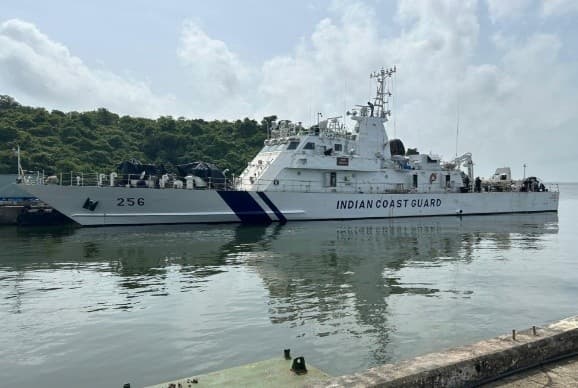
Illustration for Adamya Fast Patrol Vessel Induction (Coast Guard Vessel)

What & Where

Adamya – high-speed Fast Patrol Vessel (FPV) inducted into Indian Coast Guard for coastal & EEZ tasks.

Built by Goa Shipyard Limited; first unit of an 8-vessel FPV series.

Operates around Indian coastline and Exclusive Economic Zone.

Quick Facts for MCQs

Tech & Schemes

  • Propellers: Controllable-pitch design enables rapid acceleration, tight manoeuvres.
  • Systems: Integrated IBS-IPMS-APMS suite centralises navigation, machinery, power control.
  • Gearboxes: 100 % indigenous production advances Aatmanirbhar Bharat.

Security Dimension

  • Response: High speed elevates SAR, anti-smuggling, anti-poaching readiness.
  • Firepower: 30 mm CRN-91 plus twin 12.7 mm RC guns deter coastal threats.
  • Endurance: EEZ patrol coverage safeguards shipping lanes and offshore assets.

Industrial Angle

  • Shipyard: Goa Shipyard Limited delivers first in eight-FPV series.
  • Employment: Contract supports domestic shipbuilding workforce and MSME supply chain.
  • Export: Indigenous FPV design opens potential foreign sales.

Key Data Points

FeatureData-Point
Vessel classFast Patrol Vessel
Inducting forceIndian Coast Guard
BuilderGoa Shipyard Limited
Series size8 vessels; Adamya is 1st
PropulsionControllable Pitch Propellers, indigenous gearboxes
Main armament30 mm CRN-91 gun
Secondary armament2 × 12.7 mm remote-control guns
Core systemsIBS, IPMS, APMS
Flagship initiativeAatmanirbhar Bharat / Make in India
Primary rolesSAR, coastal surveillance, interdiction

Related UPSC Prelims PYQs

CDS_GK, ESE_GS 2026PYQ 1

Where were the Fast Patrol Vessels (FPVs) ICGS Ajit and ICGS Aparajit launched?

CDS_GK, ESE_GS 2024PYQ 2

Which one of the following statements about 'INS Tarmugli' is not correct?

GS-2Scheme

14.Lakhpati Didi SHG Empowerment Initiative (Lakhpati Didi)

PIB

What & Where

Definition: Lakhpati Didi – DAY-NRLM SHG woman earning ≥ ₹1 lakh/yr (≈ ₹10,000+/month for 4 cycles); not a standalone scheme.

Process: MoRD-MSDE June 2025 MoU adds customised skilling & certification to scale SHG livelihoods; leverages SHG-Bank Linkage Programme (NABARD, 1992).

Geography: 91 lakh SHGs span all states; 1 crore Lakhpati Didis created till Jun 2024; target 3 crore by 2027-28.

Quick Facts for MCQs

Targets & Progress

  • Milestone: Interim Budget raised goal from 2 cr to 3 cr Lakhpati Didis; aim includes future “Millionaire Didis”.
  • Coverage: 8.9 mn SHGs accessed ₹2.54 lakh cr loans by Feb 2023, underscoring scaling potential.
  • Certification: MSDE will provide NSQF-aligned credentials boosting employability beyond traditional crafts.

Implementation Tools

  • Four-pillar support: Assets, Skills, Finance, Market; delivered via Community Resource Persons and digital livelihood planning apps.
  • Convergence: Taps Skill India, PM-SVANidhi, MGNREGA, CSR funds for technology, infra, working capital.
  • Market linkage: E-commerce, GeM, branding & packaging assistance to lift rural price realisations.

Financial Linkage

  • SHG-Bank models: I (bank-promoted), II (NGO-formed, bank-funded), III (NGO intermediary) enable collateral-free credit.
  • Products: Revolving funds, microcredit, term loans; micro-insurance proposed for health, crops, life.
  • Priority sector: Banks classify SHG lending under PSL, ensuring concessional rates and mandated quotas.

Challenges

  • Credit gap: Documentation hurdles, irregular savings spur fund shortages and defaults.
  • Managerial limits: Weak accounting, leadership conflicts, high dropout/migration threaten sustainability.
  • Market risks: Limited scale, competition from bigger firms, low innovation curb profit margins.

Key Data Points

FeatureData-Point
Ministries in MoURural Development & Skill Development/Entrepreneurship
MoU signedJune 2025
SHG size norm10–20 members, mostly women
Current SHG coverage10 crore women in 91 lakh SHGs (Jun 2025)
Loan repayment rate> 96 % (Econ Survey 2022-23)
Credit disbursed 2023-24*₹1.7 lakh cr (till Feb 2024)
Lakhpati Didi threshold₹1 lakh annual sustainable income
Existing Lakhpati Didis1 crore (Jun 2024)
Revised target3 crore (Interim Budget 2024-25)
SHG-BLP launch year1992 by NABARD

Related UPSC Prelims PYQs

CAPF_GAI, GEO_GS 2020PYQ 1

Which one of the following statements about Deendayal Antyodaya Yojana is NOT correct?

CAPF_GAI, GEO_GS 2025PYQ 2

नवीनी सहकार योजना के बारे में निम्नलिखित कथनों पर विचार कीजिए:

Ready to practice?

Test your knowledge with our UPSC test series.

Start Free Trial