
Which of the following pairs is/are NOT correctly matched ? (Acid) - (Acid found in) 1. Lactic acid - Curd 2. Tartaric acid - Grapes 3. Acetic acid - Potato Select the correct answer from the code given below :
- (a)1 and 2
- (b)2 and 3
- (c)Only 3
- (d)Only 1
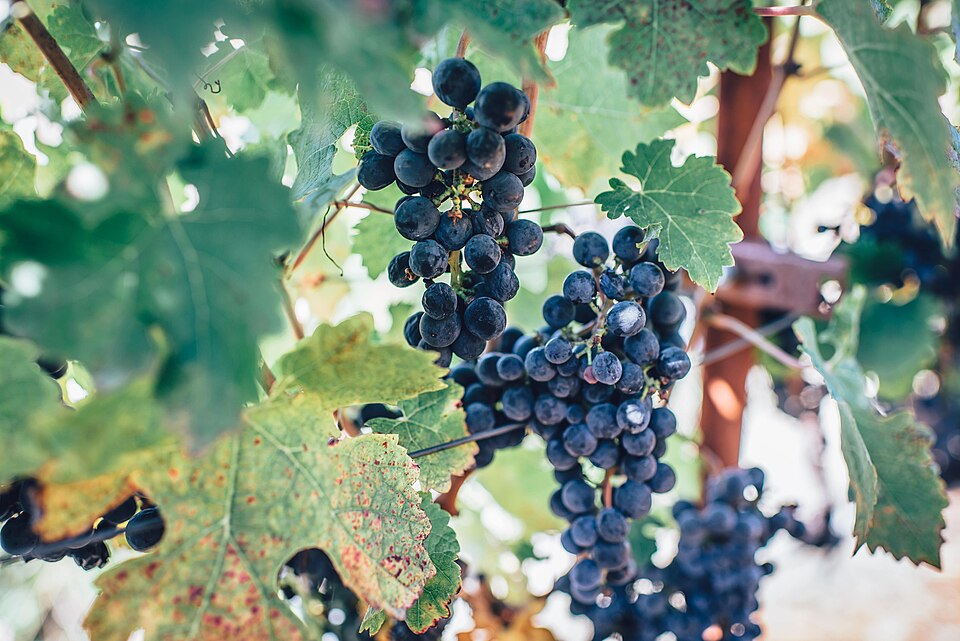
Correct — C, Only 3. The single mismatched pair is 'Acetic acid - Potato'. Acetic acid is the acid of vinegar: vinegar is a dilute solution of acetic acid, typically no less than 4 per cent by mass, with table vinegar around 4 to 8 per cent. It is not the acid one associates with the potato tuber. Pair 1 is correct — curd is set by lactic acid, produced when Lactobacillus bacteria ferment the lactose in milk; the casein in fermented milk is coagulated, that is curdled, by that lactic acid. Pair 2 is correct — tartaric acid occurs naturally in many fruits, most notably in grapes, and also in tamarind, bananas, avocados and citrus. Since only the third pair is wrong, the answer is (c). One honest nuance worth knowing: industrial vinegar is sometimes made by fermenting potato mash, but that is starch converted first to alcohol and then oxidised to acetic acid by acetic-acid bacteria in a factory — it is not an acid sitting in the potato you eat.
- (a)1 and 2 — Both of these pairs are textbook-correct. Lactic acid is exactly what turns milk into curd, and grapes are the fruit tartaric acid is most famously associated with — its salt, potassium bitartrate, is literally named cream of tartar. Marking them wrong means reading the stem backwards.
- (b)2 and 3 — It catches the real mismatch at 3 but wrongly drags tartaric acid and grapes in with it. Tartaric acid is the principal acid of grapes and the reason cream of tartar forms as a deposit during wine fermentation.
- (d)Only 1 — Lactic acid and curd is the most secure pair in the whole question — it is the standard first line of the acids-in-daily-life table, and the chemistry is direct: Lactobacillus ferments lactose to lactic acid, whose acidity coagulates the milk protein casein.
Prelims tests a small, fixed table of naturally occurring organic acids and the everyday substance each is identified with. Lactic acid (C3H6O3) is the fermentation acid of milk products. Tartaric acid is a diprotic acid, food additive E334, whose home is the grape. Acetic acid is the acid of vinegar. The table works only if you learn the pair as a pair; the exam's whole trick is to keep the acids and shuffle the sources. Note also that 'the acid found in X' means the acid characteristically present in or obtained from X, not merely any acid that can be manufactured using X as a raw material.
Read the stem first: it asks which pairs are NOT correctly matched, and every option is written so that a polarity slip lands you somewhere plausible. Then work pair by pair rather than looking for the answer. Pairs 1 and 2 are the two most heavily drilled entries in the standard school table, so they should clear instantly; that alone eliminates (a), (b) and (d), because each of them marks one of those two as wrong. Pair 3 is the outlier — acetic acid has one canonical source in this table, and it is vinegar. Potato appears here precisely because it is a plausible-sounding vegetable with no place in the acid table at all.
- Lactic acid, C3H6O3: fermented milk products are made by fermenting milk or whey with Lactobacillus bacteria, and the casein in fermented milk is coagulated (curdled) by lactic acid — that is how curd sets
- Tartaric acid occurs naturally in many fruits, most notably in grapes, and also in tamarinds, bananas, avocados and citrus; it is diprotic and carries the food-additive number E334
- Potassium bitartrate, the salt of tartaric acid, develops naturally during fermentation and is sold as cream of tartar, mixed with sodium bicarbonate to make baking powder
- Acetic acid is the acid of vinegar — vinegar is typically no less than 4 per cent acetic acid by mass, and table vinegar runs about 4 to 8 per cent
- The classic pairs to memorise: curd - lactic acid, lemon and orange - citric acid, tamarind and grape - tartaric acid, vinegar - acetic acid, ant sting - formic acid, spinach - oxalic acid, amla - ascorbic acid
- Reading 'NOT correctly matched' as 'correctly matched' — three of the four options are built to reward that slip
- Assuming acetic acid belongs to a starchy vegetable because industrial vinegar can be brewed from potato mash; that is a manufacturing route, not the acid content of the tuber
- Confusing tartaric acid with citric acid — tartaric goes with grapes and tamarind, citric with lemon, orange and other citrus
UPPSC likes the negative pair format across whole families of tables — acid and source, vitamin and rich source, substance and use. UPSC asks the same chemistry as statement sets about what the substance does: whether citric acid is used in soft drinks, whether it can replace ascorbic acid nutritionally.
Consider the following statements: 1. Caffeine, a constituent of tea and coffee, is a diuretic. 2. Citric acid is used in soft drinks. 3. Ascorbic acid is essential for the formation of bones and teeth. 4. Citric acid is a good substitution for ascorbic acid in our nutrition. Which of the statements given above are correct?
- (a) 1 and 2 only
- (b) 1, 2 and 3 only
- (c) 3 and 4 only
- (d) 1, 2, 3 and 4
Answer(b) 1, 2 and 3 only
The same small family of organic acids, tested by what each one is actually for. It confirms citric acid's role in soft drinks and separates it from ascorbic acid — the neighbouring rows of the very table this UPPSC question shuffles.
Which of the following pairs is NOT correctly matched ? (Vitamin) - (Rich source)
- (a) Vitamin B6 - Rice bran
- (b) Vitamin B2 - Cod-liver oil
- (c) Vitamin E - Wheat germ oil
- (d) Vitamin K - Alfalfa
Answer(b) Vitamin B2 - Cod-liver oil
UPPSC's own template, one substance-family across: a chemical compound paired with the food it is found in, phrased negatively so you must hunt the mismatch. Vitamins in 2019, acids in 2025 — the reading discipline required is identical.
- practice — not a real PYQ
Cream of tartar, an ingredient of baking powder, is a salt of which acid?
- (a)Citric acid
- (b)Tartaric acid
- (c)Oxalic acid
- (d)Acetic acid
Answer(b) Tartaric acid — the salt is potassium bitartrate, which develops naturally during fermentation.
- practice — not a real PYQ
The sour taste of curd is chiefly due to:
- (a)Acetic acid
- (b)Citric acid
- (c)Lactic acid
- (d)Tartaric acid
Answer(c) Lactic acid — Lactobacillus bacteria ferment the lactose of milk into lactic acid, which also coagulates casein and sets the curd.