
Who among the following established a modern armoury in Dindigal Mysore in 1755 ?
- (a)Nanjraj
- (b)Haider Ali
- (c)Devraj
- (d)Chikka Krishnaraj
Correct — B, Haider Ali. Having risen through the Mysore army under the Wodeyars' ministers, Haider Ali was appointed Faujdar (military commander) of Dindigul in 1755. There he modernised his forces — retaining French advisers to organise and train his artillery and setting up a modern arsenal/armoury. This military modernisation launched his ascendancy in Mysore, and by 1761 he had become its de facto ruler.
- (a)Nanjraj — Wrong — Nanjaraja was the Dalavayi (commander-in-chief)/sarvadhikari of Mysore under whom Haider Ali served and rose; he was a court power-holder, not the founder of the Dindigul arsenal.
- (c)Devraj — Wrong — Devaraja (Nanjaraja's brother) was a chief minister of Mysore; like his brother he was a court official rather than the one who built the modern armoury at Dindigul.
- (d)Chikka Krishnaraj — Wrong — Chikka Krishnaraja (Krishnaraja Wodeyar II) was the titular Raja of Mysore in this period, later reduced to a figurehead by Haider Ali; he did not establish the Dindigul armoury.
By the mid-18th century, real power in the Wodeyar kingdom of Mysore had passed from the titular Raja (Krishnaraja Wodeyar II) to strong ministers (Nanjaraja and Devaraja). This opening let the soldier Haider Ali rise; his European-style artillery and the Dindigul arsenal (1755) built the military machine that he and later his son Tipu Sultan turned against rivals and the English.
All four names belong to the same Mysore court, so the item tests who specifically modernised the military at Dindigul. Separate the office-holders — Nanjaraja and Devaraja (ministers) and Krishnaraja Wodeyar II (the puppet king) — from the rising commander, Haider Ali.
- Haider Ali was appointed Faujdar of Dindigul in 1755
- He retained French advisers to organise and train his artillery in European methods
- He became the de facto ruler of Mysore by 1761, sidelining Krishnaraja Wodeyar II
- His army modernisation set the stage for the Anglo-Mysore Wars, later continued by Tipu Sultan
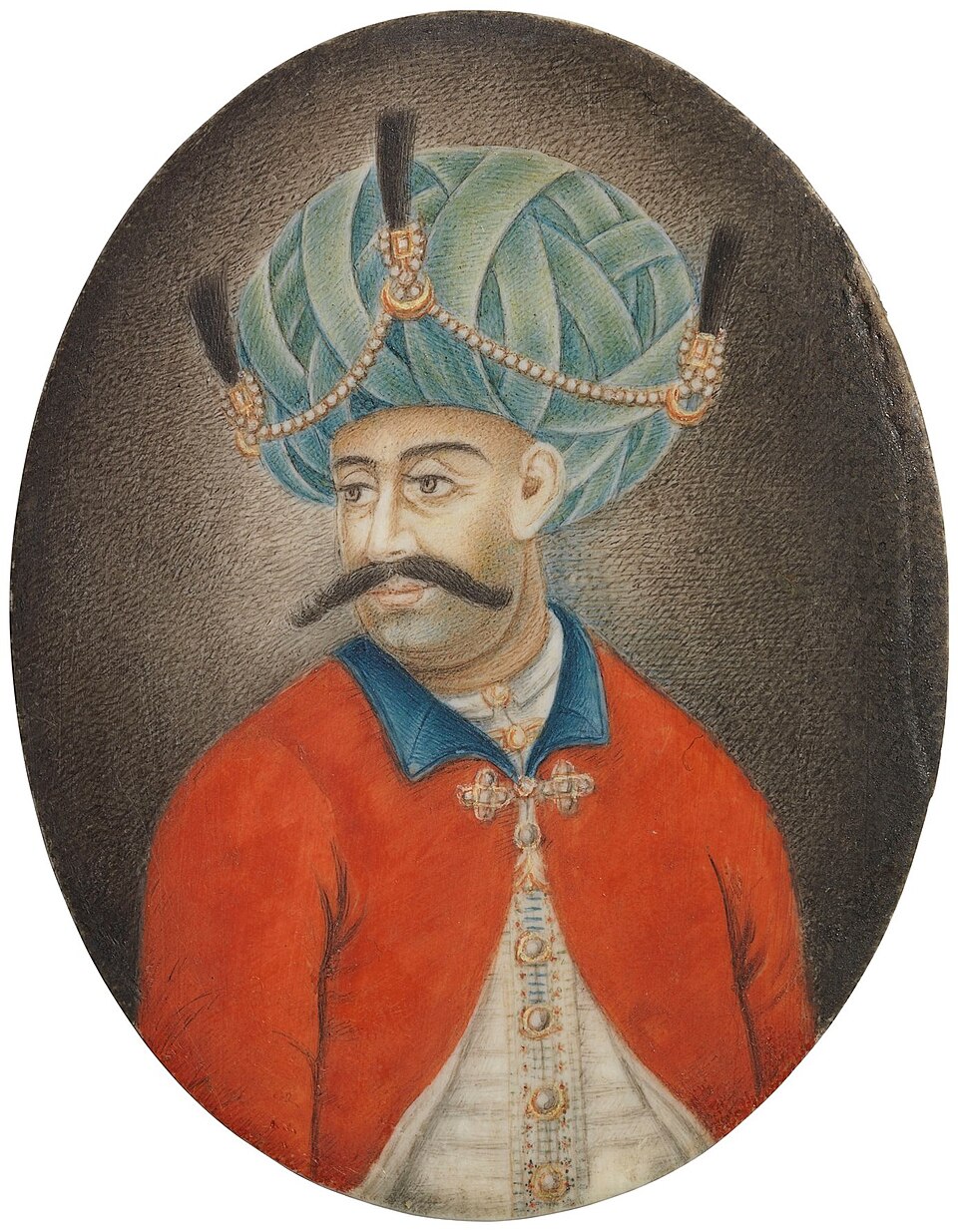
- Crediting Tipu Sultan (Haider's son) with the initial modernisation of the Mysore army
- Confusing the ministers (Nanjaraja/Devaraja) or the titular king with the commander Haider Ali
UPPSC/UPSC ask 'who established/modernised X' — link Haider Ali to Dindigul (1755), French-trained artillery and his rise in Mysore.
- practice — not a real PYQ
Haider Ali became the de facto ruler of Mysore in which year, sidelining the Wodeyar king?
- (a)1755
- (b)1761
- (c)1782
- (d)1799
Answer(b) 1761 — he seized effective control of Mysore, making Krishnaraja Wodeyar II a figurehead. - practice — not a real PYQ
The Anglo-Mysore Wars were fought between the English East India Company and the rulers of Mysore, namely
- (a)Haider Ali and Tipu Sultan
- (b)the Nizam of Hyderabad
- (c)the Maratha Peshwas
- (d)the Nawab of Arcot
Answer(a) Haider Ali and Tipu Sultan — the father-and-son rulers of Mysore.