
With reference to Eutrophication, which of the following statements is/are correct ? 1. It is a phenomenon of nutrient enrichment of a water body. 2. It depletes dissolved oxygen of the water. Select the correct answer using the codes given below :
- (a)1 only
- (b)2 only
- (c)Both 1 and 2
- (d)Neither 1 nor 2
Correct — C, Both 1 and 2. Statement 1 is the textbook definition: eutrophication is the enrichment of a water body with plant nutrients, chiefly nitrogen (nitrates) and phosphorus (phosphates), reaching it from untreated sewage, phosphate detergents and fertiliser run-off. Statement 2 states its defining consequence: the extra nutrients trigger a dense algal bloom; the bloom cuts off light to submerged plants and then dies; aerobic bacteria decomposing that mass of dead organic matter consume the dissolved oxygen of the water (which is what a high BOD measures). Oxygen falls to hypoxic levels, fish and other aerobic organisms suffocate, and the water body degrades. Cause and effect are both correctly stated, so the answer is 'Both 1 and 2'.
- (a)1 only — Wrong — statement 1 is correct, but so is statement 2. Oxygen depletion is not an incidental side effect of eutrophication; it is the change that makes eutrophication an ecological problem at all.
- (b)2 only — Wrong — statement 2 is correct, but statement 1 cannot be excluded: nutrient enrichment IS the definition of eutrophication, not merely one of its causes.
- (d)Neither 1 nor 2 — Wrong — both statements are correct. This option would only work if eutrophication were something other than nutrient enrichment and left dissolved oxygen untouched, which is the opposite of what happens.
Eutrophication is the nutrient enrichment of a water body and the chain of changes that follows. Nitrogen and phosphorus loading sets off an explosion of algae and phytoplankton; the bloom blankets the surface, shades out rooted and submerged vegetation, and then dies; aerobic decomposers break down the dead biomass and in doing so strip the water of dissolved oxygen. The result is hypoxia, fish kills, loss of species and eventually foul-smelling anaerobic water. Lakes age and fill in naturally over geological time, but the human-accelerated version — driven by sewage, detergents and fertiliser run-off — is called cultural eutrophication.
The trap here is to reason that algae photosynthesise and therefore add oxygen. Surface water in daylight during a bloom can indeed be oxygen-rich, but the net and lasting effect — at night, and in the bottom water where the dead bloom settles and decomposes — is a severe oxygen crash. Statements pairing the cause (nutrient enrichment) with the effect (oxygen depletion) are the standard framing, and both are correct.
- Eutrophication = enrichment of a water body with plant nutrients, mainly nitrogen (nitrates) and phosphorus (phosphates).
- Chief sources: untreated sewage, phosphate-based detergents, and fertiliser run-off from farmland.
- Chain of effects: nutrient loading → algal bloom → light cut off and bloom dies → aerobic decomposition → dissolved oxygen crashes → fish kill.
- Biochemical Oxygen Demand (BOD) is the standard measure of this biodegradable organic load; high BOD means low oxygen left for aquatic life.
- Cultural (anthropogenic) eutrophication is the human-accelerated form of a slow natural lake-ageing process.
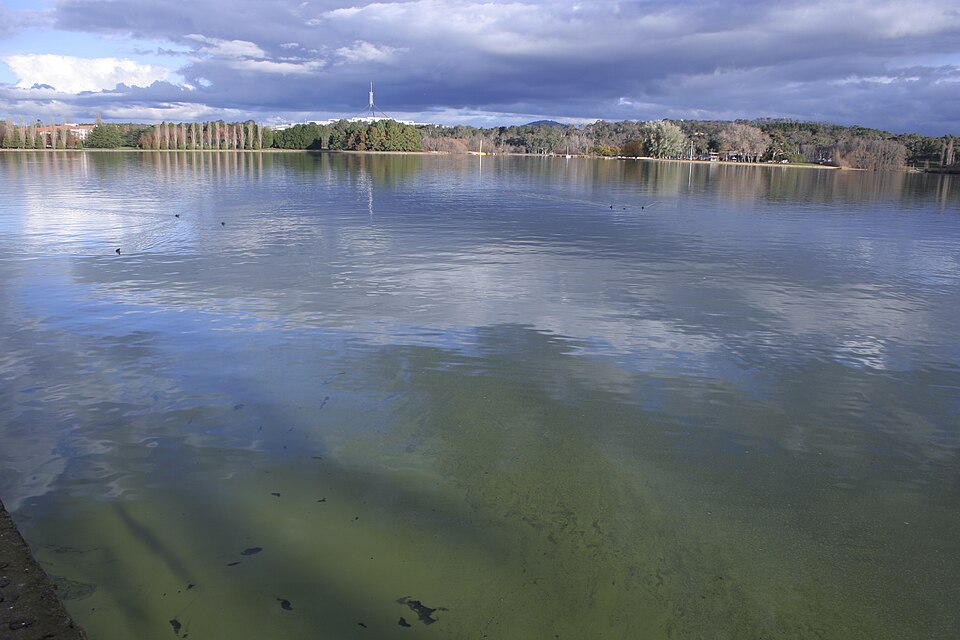
- Assuming an algal bloom means more oxygen — daytime surface photosynthesis raises O2, but the decay of the bloom crashes dissolved oxygen overall.
- Confusing eutrophication (nutrient enrichment of water) with biomagnification (a toxin concentrating up a food chain).
- Mixing up BOD (the organic load imposed on the water) with dissolved oxygen (what is actually left in the water).
Both UPPSC and UPSC set this as a two-statement 'is/are correct' item pairing the cause (nutrient enrichment) with the effect (oxygen depletion), or fold it into questions on algal blooms, BOD and dead zones. UPPSC asked almost the identical question in its 2020 paper.
There is a concern over the increase in harmful algal blooms in the seawaters of India. What could be the causative factors for this phenomenon? 1. Discharge of nutrients from the estuaries. 2. Run-off from the land during the monsoon. 3. Upwelling in the seas. Select the correct answer from the codes given below:
- (a) 1 only
- (b) 1 and 2 only
- (c) 2 and 3 only
- (d) 1, 2 and 3
Answer(d) 1, 2 and 3
Same mechanism from the other end — UPSC asks what supplies the nutrients (estuarine discharge, monsoon run-off, upwelling) that set off an algal bloom, which is precisely statement 1 of this UPPSC item.
Biological Oxygen Demand (BOD) is a standard criterion for
- (a) Measuring oxygen levels in blood
- (b) Computing oxygen levels in forest ecosystems
- (c) Pollution assay in aquatic ecosystems
- (d) Assessing oxygen levels in high altitude regions
Answer(c) Pollution assay in aquatic ecosystems
The oxygen-depletion half of the same concept — BOD measures the dissolved oxygen consumed by microbes decomposing organic matter, which is exactly how eutrophication starves a water body of oxygen.
With reference to Eutrophication, which of the following statement(s) is/are correct ? 1. It decreases dissolved oxygen of water. 2. It is a phenomenon of nutrient enrichment of a water body. Select the correct answer from the codes given below. Codes :
- (a) 1 only
- (b) 2 only
- (c) Both 1 and 2
- (d) Neither 1 nor 2
Answer(c) Both 1 and 2
The very same question with the two statements swapped in order — UPPSC repeated this eutrophication item in 2020, and the answer was again 'Both 1 and 2'.
- practice — not a real PYQ
Which pair of nutrients is chiefly responsible for the eutrophication of freshwater bodies?
- (a)Nitrogen and phosphorus
- (b)Carbon and sulphur
- (c)Potassium and calcium
- (d)Iron and magnesium
Answer(a) Nitrogen and phosphorus — nitrates and phosphates from sewage, detergents and fertiliser run-off are what drive algal blooms.
- practice — not a real PYQ
A high Biochemical Oxygen Demand (BOD) value for a river water sample indicates:
- (a)the water is rich in dissolved oxygen
- (b)a heavy load of biodegradable organic matter
- (c)high salinity of the water
- (d)very low turbidity
Answer(b) a heavy load of biodegradable organic matter — the more organic pollution present, the more oxygen micro-organisms consume to break it down.