
As per ancient Sanskrit literature, which of the following spices was called Yavanapriya?
- (a)Ginger
- (b)Nutmeg
- (c)Black pepper
- (d)Cardamom
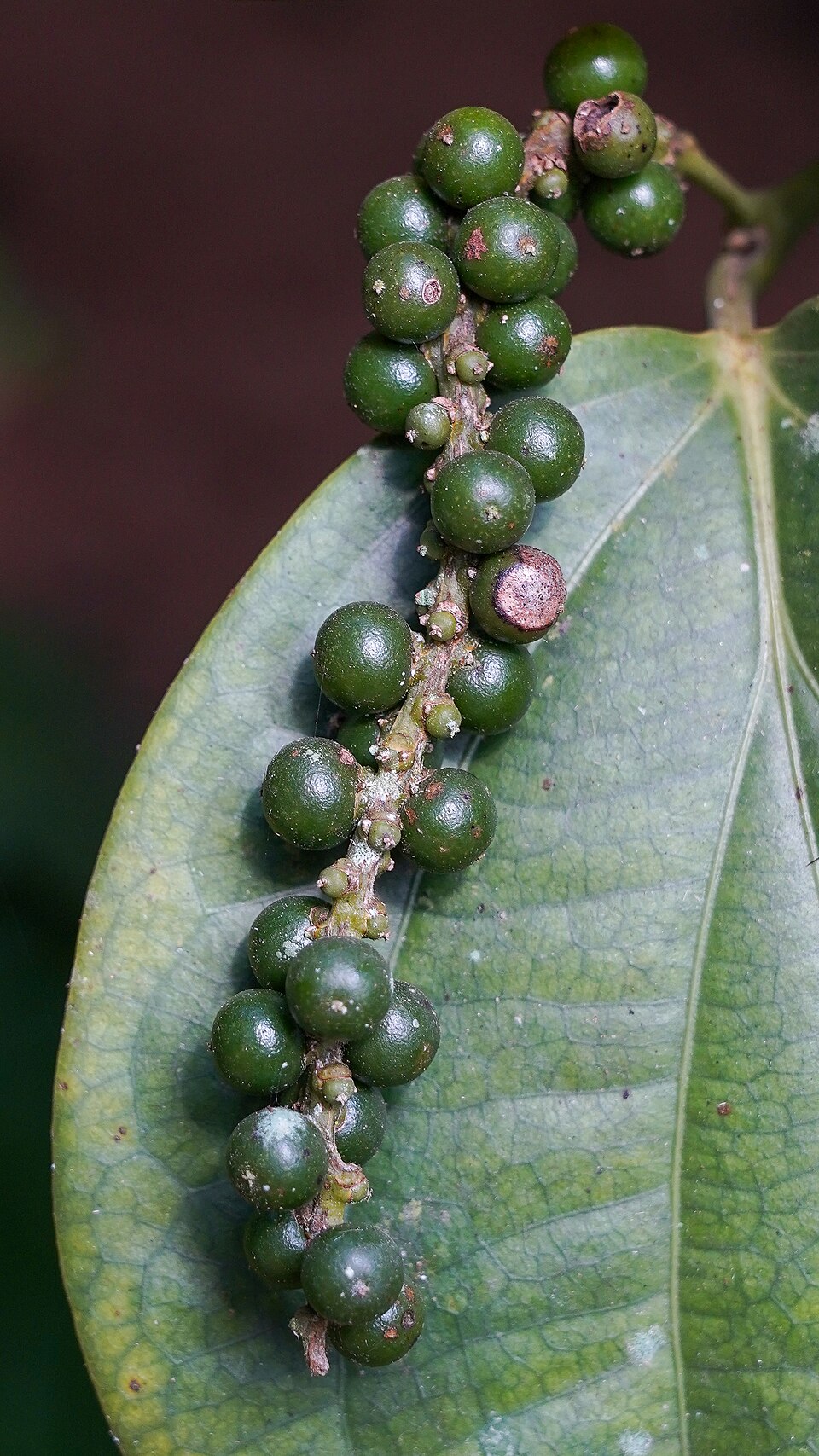
Correct — C, Black pepper. 'Yavanapriya' literally means 'dear to the Yavanas', and in Sanskrit texts it is a name for black pepper (Piper nigrum). The Yavanas were the Greeks and, by extension, the westerners who traded with India; pepper grown on the Malabar coast was the single commodity they wanted most, and Roman writers themselves record how much bullion left the empire to pay for it. The name is therefore a trade nickname preserved in literature — the spice the foreigners loved.
- (a)Ginger — Ginger (Sanskrit ardraka / shunthi) was certainly exported westwards, but the term Yavanapriya is not used for it in Sanskrit sources.
- (b)Nutmeg — Nutmeg is native to the Banda Islands in the Moluccas, not to India; it entered Indian trade much later and has no place in the early Yavana pepper trade.
- (d)Cardamom — Cardamom (ela) is a genuine Western Ghats spice and a real export item, which makes it the most tempting wrong answer — but the Yavanapriya label belongs to pepper alone.
In the first centuries CE, peninsular India was the western end of a busy maritime trade with the Roman world, run on the monsoon winds. The Periplus of the Erythraean Sea, a Greek merchant's handbook of the 1st century CE, names Muziris and Nelkynda on the Malabar coast as the ports where ships loaded pepper, and Roman gold and silver coin hoards found across peninsular India show what was paid in return. Sanskrit and Tamil literature preserves the memory of these traders as Yavanas, and preserves their appetite for pepper in the very name Yavanapriya.
This is a vocabulary question wearing a history costume. Break the word: yavana (Greek/westerner) + priya (dear, beloved) — 'the thing westerners loved'. Once you know that the Indo-Roman trade was overwhelmingly a pepper trade, the answer follows without any memorised list. UPSC asked the identical term in 1995 and its trap options were even more inventive (muslin, ivory, dancing girls), so treat the word itself, not the spice list, as the thing to remember.
- Yavanapriya = 'dear to the Yavanas' = black pepper (Piper nigrum)
- 'Yavana' comes from the Greek 'Ionian' (Old Persian Yauna); Ashoka's edicts already use 'Yona' for Greek rulers, and later texts widen it to westerners generally
- The Periplus of the Erythraean Sea (1st century CE) lists pepper as the chief cargo from Muziris and Nelkynda on the Malabar coast
- Hoards of Roman gold and silver coins in peninsular India are the archaeological signature of this trade
- Nutmeg is native to the Banda Islands (Moluccas), not India
- Reading 'Yavanapriya' as a person or a dancer rather than a commodity — UPSC 1995 used exactly that trap
- Choosing cardamom because it is also a Western Ghats export spice
- Assuming every spice in an Indian question is Indian in origin — nutmeg is not
MPPSC asks the plain term-to-object recall; UPSC asks the same word but with far wilder distractors, or shifts to the trade itself — which port, which source text, which direction the trade turned after Rome declined.
The term Yavanapriya, mentioned in ancient Sanskrit texts, denoted
- (a) a fine variety of Indian muslin
- (b) ivory
- (c) damsels sent to the Greek court for dance performance
- (d) pepper
Answer(d) pepper
The identical term, asked by UPSC in 1995 — same answer, only with more imaginative distractors.
From the third century AD when the Hun invasion ended the Roman Empire, the Indian merchants relied more and more on the
- (a) African trade
- (b) West European trade
- (c) Southeast Asian trade
- (d) Middle Eastern trade
Answer(c) Southeast Asian trade
The other half of the same story — once the Roman market that made pepper 'Yavanapriya' collapsed, Indian merchants turned east.
- practice — not a real PYQ
The chief port on the Malabar coast from which pepper was shipped to the Roman world, mentioned in the Periplus of the Erythraean Sea, was:
- (a)Muziris
- (b)Tamralipti
- (c)Barygaza
- (d)Arikamedu
Answer(a) Muziris — Tamralipti served Bengal, Barygaza (Bharuch) served Gujarat, and Arikamedu was a trading settlement on the Coromandel coast. - practice — not a real PYQ
In ancient Indian texts, the term 'Yavana' originally referred to:
- (a)the Greeks (Ionians)
- (b)the Kushanas
- (c)the Sakas
- (d)the Hunas
Answer(a) the Greeks — from Ionian via Old Persian 'Yauna'; the sense later widened to west Asian foreigners in general.