UPSC Current Affairs

14 topicsGS-1: 1GS-2: 5GS-3: 8
0/14 done
GS-2Polity

1.Governor’s Rule in Chakma ADC (Sixth Schedule)

The Hindu

What & Where

Chakma Autonomous District Council (CADC) — Sixth Schedule body granting self-rule to Chakma tribe in Mizoram

Governor’s Rule first July 2025, re-extended Jan 2026 citing continued Council instability

Part of four Sixth Schedule states: Assam, Meghalaya, Tripura, Mizoram

Quick Facts for MCQs

Legal & Policy

  • Sixth Schedule enables asymmetric federalism safeguarding tribal land, customs
  • Central laws need Presidential notification; State laws need Governor notification in Mizoram
  • Councils may legislate on land, forests (non-reserved), inheritance, social customs

Governor’s Powers

  • Governor can create, alter, dissolve Autonomous Districts or Regions within Sixth Schedule areas
  • Inquiry commission findings may trigger Council dissolution and temporary gubernatorial administration
  • Up to four members of an ADC can be Governor-nominated, serving at pleasure

Tribal Demography

  • Chakma speak Changma Bhajchare, practice Theravada Buddhism, dispersed in NE India & Chittagong hills
  • Rank second to Mizo tribe in Mizoram ST population share
  • Traditional livelihood centres on shifting Jhum cultivation

Institutional Structure

  • Village courts under ADC handle ST cases; severe offences need special empowerment
  • High Court jurisdiction over ADC customised through gubernatorial rules
  • Districts may subdivide into Autonomous Regions, each with its own Regional Council

Key Data Points

FeatureData-Point
Year constituted1972
Constitutional hookSixth Schedule + Art 244(2)
Max strength30 (26 elected + 4 nominated)
Elected tenure5 years
Exception body sizeBodoland Council – 46 members
Current statusGovernor’s Rule till July 2026
Core tribeChakma (2nd-largest ST in Mizoram)
Tribe faithBuddhism
Key agri methodJhum cultivation
Governor assentMandatory for ADC laws

Related UPSC Prelims PYQs

CDS_GK 2023PYQ 1

Who among the following is given discretionary powers under the Fifth Schedule of the Constitution of India to set up a Tribes Advisory Council in a State which has Scheduled Tribes but not Scheduled Areas?

CDS_GK 2024PYQ 2

As per Article 371G of the Constitution of India, special provisions have been made with respect to the state of Mizoram. Accordingly, no Act of Parliament shall apply on certain matters unless the Legislative Assembly of Mizoram so decides by a resolution. Which one of the following matters is not covered under this Article?
GS-3Editorial

2.India’s Critical Minerals Resilience Strategy (Critical Minerals)

Urban

What & Where

Definition: Minerals vital for economic, clean-energy & security goals whose supply faces high disruption risk.

Types: 30-item Indian list incl. lithium, REE, cobalt, gallium, graphite, titanium, tungsten.

Core geography: J&K lithium find; Rajasthan, 35 of 195 GSI 2024-25 projects; 6.9 Mt REE mainly in eastern/coastal sands.

Quick Facts for MCQs

Legal & Policy

  • Amendment 2023 removed Li, Ti, Zr from Atomic list; enabled private & exploration licences.
  • NCMM mandates periodic list update via Centre of Excellence; targets exploration, processing, recycling.
  • MoEFCC 2025 exempted critical-mineral mines from public hearing; still central expert appraisal.

International Cooperation

  • KABIL JV: lithium exploration MoU with Argentina’s CAMYEN (15,703 ha) & Australia’s Critical Minerals Office.
  • India joined US-led Minerals Security Partnership Finance Network for diversified, ESG-compliant supply.
  • Quad, Indo-Pacific forums leveraged for offtake deals, tech & investment against Chinese dominance.

Economic Challenges

  • Concentration: China export curbs on REE magnets (2025) exposed supply shock vulnerability.
  • Low exploration spend: <1 % of global, only ~10 % OGP mapped; private risk high.
  • Price volatility: 80 % lithium crash hinders new Indian mining without price-floor or assured offtake.

Tech & Schemes

  • PLI-ACC, Semiconductor Mission, IREL magnet expansion push value-added domestic manufacturing.
  • Urban mining: hydrometallurgical e-waste & battery recycling pitched as “third pillar” of mineral security.
  • R&D focus: sodium-ion, zinc-air batteries & REE substitutes via DRDO-academia Centres of Excellence.

Social & Environmental

  • Protests: Nayakkarpatti (TN) tungsten mine flagged groundwater & biodiversity fears.
  • FRA & PESA compliance plus benefit-sharing essential to cut project delays in tribal belts.
  • Global ESG warning: DRC cobalt (70 % supply) illustrates ecological & labour risks mirrored in India.

Key Data Points

FeatureData-Point
GOI critical-mineral list30 minerals (2023)
Import dependence (Li, Co, Ni) FY24~100 %
China’s share in global processing>90 %
Indian REE reserve size6.9 million t (top-3 globally)
India’s REE production share<1 % of world
GSI exploration, 2024-25195 projects; 35 in Rajasthan
E-waste generated annually1.75 million t
Spent Li-ion batteries (2024)~60 kt
Recycling incentive outlay₹1,500 crore
Lithium price fall 2022-24~80 % drop

Related UPSC Prelims PYQs

CDS_GK, GS1 2025PYQ 1

Consider the following statements:

CDS_GK, GS1 2024PYQ 2

Recently the Government of India entered into an agreement for a lithium exploration and mining project with which one among the following countries?

GS-3Economy

3.Export Preparedness Index 2024 Highlights (Export Index)

PIB

What & Where

Composite index evaluating export readiness, competitiveness and institutional capacity of Indian States/UTs.

Released by NITI Aayog; EPI 2024 represents the 4th annual edition.

Pan-India coverage with districts treated as core export-competitiveness units.

Quick Facts for MCQs

Index Structure

  • Components expanded to include macro stability, MSME and finance to reflect holistic competitiveness.
  • Cluster-based, value-chain lens enables granular district diagnostics.
  • Evidence methodology supports targeted export infrastructure and policy reforms.

Top Performers

  • Large-state top five: Maharashtra, Tamil Nadu, Gujarat, Uttar Pradesh, Andhra Pradesh.
  • Small/NE/UT top five: Uttarakhand, J&K, Nagaland, Dadra & Nagar Haveli & Daman & Diu, Goa.
  • Rankings encourage inter-state benchmarking and best-practice sharing.

Policy Significance

  • Tool guides states in plugging export gaps, boosting jobs and integrating global value chains.
  • Aligns sub-national efforts with national $1-trillion-export aspiration.
  • Encourages regulatory simplification, logistics upgrades and MSME competitiveness.

Key Data Points

FeatureData-Point
PublisherNITI Aayog
First editionAugust 2020
Current editionEPI 2024 (4th)
Pillars4
Sub-pillars13
Indicators70
Top-weight pillarBusiness Ecosystem 40 %
Other pillar weightsInfrastructure 20 %, Policy 20 %, Performance 20 %
State categoriesLeaders, Challengers, Aspirers
Large-state leader 2024Maharashtra
Small/NE/UT leader 2024Uttarakhand
New 2024 dimensionsMacroeconomic stability, Cost competitiveness, MSME ecosystem, Financial access
Data sourcesOfficial central, state and public-institution datasets

Related UPSC Prelims PYQs

CAPF_GAI 2022PYQ 1

Based on the scoring on SDG (Sustainable Development Goals) India Index, the NITI Aayog has classified various States into certain categories. Which one of the following is not one of the categories?

CAPF_GAI 2021PYQ 2

Which one of the following States ranked first on Sustainable Development Goal India Index, 2020-21 released by NITI Aayog?

GS-1HistoryQuick Bite

4.Makar Sankranti Cultural Significance (Harvest Festival)

Indian Express

What & Where

Definition : pan-India harvest festival marking Sun’s northward turn into Capricorn

Timing : fixed solar date ≈ 14 Jan, signalling end-winter, start-spring

Core geography : celebrated nationwide under region-specific names—Pongal (TN), Lohri (Punjab), Magh Bihu (Assam) etc.

Quick Facts for MCQs

Astronomical Basis

  • Uttarayan onset considered auspicious period in Hindu tradition
  • Declining winter solstice darkness gives way to longer daylight

Agrarian Significance

  • Harvest-completion rituals thank sun, soil, cattle for Rabi crops
  • Signals sowing window for spring-summer pulses, vegetables

Regional Variants

  • Tamil Nadu: Bhogi, Surya Pongal, Mattu Pongal, Kaanum Pongal sequence
  • Assam: Uruka feast night, morning meji bonfire, community jalpan meals
  • Bihar-UP: Khichdi offering at temples, holy dip in Ganga

Social & Cultural

  • Sesame-jaggery exchange symbolizes warmth, letting go of past rancour
  • Community bonfires, fairs, kite festivals foster rural-urban social bonding

Key Data Points

FeatureData-Point
Calendar baseSolar (not lunar)
Astronomical markerSun enters Makara (Capricorn); Uttarayan begins
Typical date14 January (rarely 15 Jan in leap adjustments)
Primary themeHarvest gratitude, season change
Key sweetTil-gur (sesame-jaggery)
Famous activityKite-flying in Gujarat, Rajasthan
Four-day versionPongal in Tamil Nadu
Bonfire practiceLohri (Punjab) & Magh Bihu meji (Assam)
GS-3Species

5.Indian Vultures Conservation Status (Indian Vultures)

The Hindu
Illustration for Indian Vultures Conservation Status (Indian Vultures)

What & Where

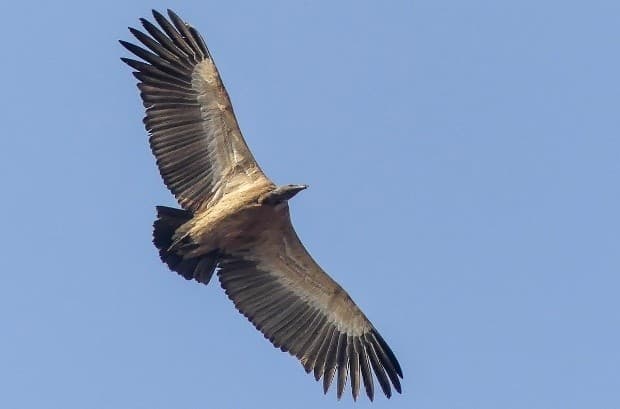
Vultures = obligate scavenging raptors preventing disease spread by rapidly consuming carcasses

India hosts 9 regularly recorded vulture species across plains, forests, Himalayas

First Tamil Nadu Vulture Safe Zone notified in Moyar River Valley, Nilgiris Biosphere Reserve

Quick Facts for MCQs

Conservation Measures

  • VSZ concept; restrict toxic NSAIDs, monitor carcass dumps, promote meloxicam alternative
  • High Court oversight; state affidavit ensuring phased VSZ expansion beyond Moyar

Species Traits

  • White-rumped; steepest decline near slaughterhouses due to diclofenac exposure
  • Bearded; bone-specialist, occupies rocky Himalayan zones
  • Slender-billed; forested river valleys, most sensitive to NSAID poisoning

Threat Drivers

  • Veterinary diclofenac residues in livestock carcasses primary mortality cause
  • Habitat loss, collision with power lines, food shortage add synergistic stress

Key Data Points

FeatureData-Point
Moyar Vulture Safe ZoneNilgiris Biosphere Reserve, Tamil Nadu
Key veterinary toxinDiclofenac (NSAID)
Indian Vulture statusCritically Endangered
Slender-billed Vulture statusCritically Endangered
White-rumped Vulture statusCritically Endangered
Red-headed Vulture statusCritically Endangered
Egyptian Vulture statusEndangered
Griffon Vulture statusLeast Concern
Himalayan, Cinereous, Bearded statusNear Threatened
Unique bearded diet70-90 % bones

Related UPSC Prelims PYQs

GEO_GS, GS1 2012PYQ 1

Vultures, which used to be very common in Indian countryside some years ago, are rarely seen nowadays. This is attributed to

GEO_GS, GS1 2024PYQ 2

According to IUCN Red list, a ‘vulnerable’ species is one which:

GS-3Mapping

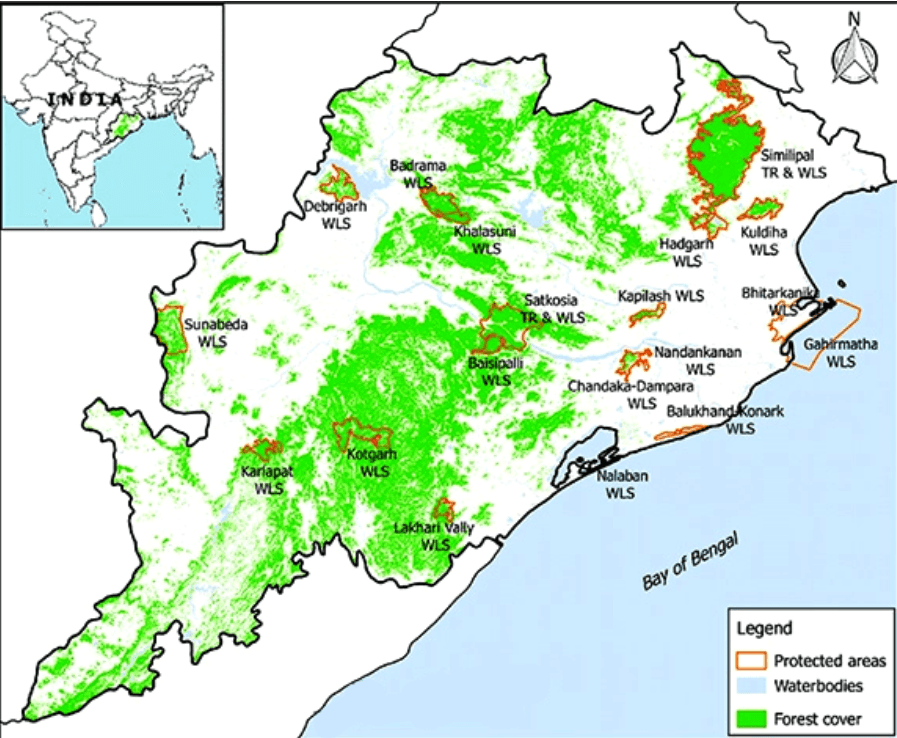
6.Similipal National Park Biodiversity Highlights (National Park)

News on Air
Illustration for Similipal National Park Biodiversity Highlights (National Park)

What & Where

Similipal – national park, tiger reserve & biosphere reserve inside Mayurbhanj Elephant Reserve, northern Odisha, Eastern Ghats.

Spreads ≈ 2,750 sq km; high-plateau massif avg 900 m, peaks > 1,150 m, iconic waterfalls.

Rivers Budhabalanga, Salandi, Deo, Khairi create wetlands supporting mugger crocodiles and diverse megafauna.

Quick Facts for MCQs

Biodiversity & Ecology

  • Habitat spectrum spans moist deciduous to semi-evergreen; high floral & faunal richness.
  • Tiger reserve hosts Bengal tiger core, contiguous elephant corridors, thriving mugger wetlands.
  • UNESCO biosphere status underscores global ecological value & research importance.

Conservation Measures

  • Ramtirtha centre annually rear-and-release hatchlings, bolstering wild mugger numbers.
  • Periodic three-day censuses monitor population trends, recent uptick reverses prior decline.
  • Community guards & forest staff patrol river stretches, mitigate poaching and nest theft.

Physical Features

  • Plateau topography with Meghasani & Khairiburu peaks channels seasonal streams into deep valleys.
  • Barehipani & Joranda waterfalls enhance microhabitats, vital for amphibians & aquatic reptiles.
  • Multiplex drainage by Budhabalanga, Salandi, Deo, Khairi sustains perennial wetlands across reserve.

Key Data Points

FeatureData-Point
UNESCO tag year2009 (World Network of Biosphere Reserves)
Latest mugger census year2026 (three-day count)
Mugger population 202684 individuals
Mugger population 202581 individuals
River with ~70% muggersWest Deo
Largest peakKhairiburu 1,178 m
Highest waterfallBarehipani 217 m
Breeding centreRamtirtha Mugger Crocodile Breeding Centre

Related UPSC Prelims PYQs

GS1 2011PYQ 1

Two important rivers – one with its source in Jharkhand (and known by a different name in Odisha), and another, with its source in Odisha – merge at a place only a short distance from the coast of Bay of Bengal before flowing into the sea. This is an important site of wildlife and biodiversity and a protected area. Which one of the following could be this?

GS1 2017PYQ 2

From the ecological point of view, which one of the following assumes importance in being a good link between the Eastern Ghats and the Western Ghats ?

GS-3S&T

7.Nipah Virus Outbreak Details (Zoonotic Virus)

The Hindu
Illustration for Nipah Virus Outbreak Details (Zoonotic Virus)

What & Where

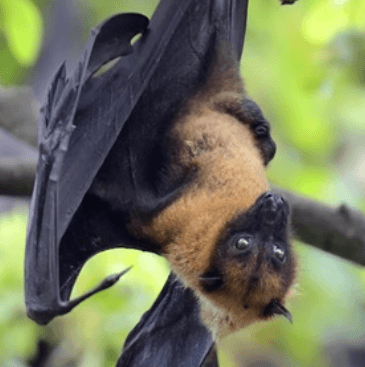
Nipah virus (NiV): zoonotic paramyxovirus causing febrile encephalitis and severe respiratory disease

Natural focus: fruit-bat (Pteropus) belts of South & Southeast Asia; current cases in West Bengal, India

Transmission cycle: bat-to-food/animal, spill-over to humans, then limited human-to-human spread

Quick Facts for MCQs

Transmission Modes

  • Bat contamination: half-eaten fruits, raw date-palm sap, farm fodder
  • Animal contact: handling or slaughtering infected pigs, horses etc.
  • Human chain: respiratory droplets, body fluids, prolonged caregiving

Clinical Course

  • Prodrome: fever to confusion within days
  • Rapid progression: coma possible in 24–48 hours post-neurological signs
  • Relapse/late onset encephalitis documented months after recovery

Outbreak Management

  • Measures: early isolation, PPE, strict infection-control in hospitals
  • Tools: contact tracing, 21-day observation, community awareness on sap/fruit hygiene
  • Gaps: no vaccine; CEPI, ICMR & Serum Institute pursuing candidate vaccines

Key Data Points

FeatureData-Point
Virus familyParamyxoviridae, genus Henipavirus
Primary reservoirFruit bats (Pteropus spp.)
Intermediate hostsPigs, horses, goats, dogs
Human fatality rate40 – 75 %
Incubation window4–14 days; up to 45 days recorded
Early signsFever, headache, myalgia, sore throat, vomiting
Severe manifestationsAcute respiratory distress, encephalitis, seizures, coma
Specific antiviralsNone; only supportive care
WHO statusR&D Blueprint priority pathogen
Current West Bengal contacts≈ 120 traced & isolated
GS-3S&T

8.India’s Marine and Space Biotechnology Drive (Marine Biotechnology)

The Hindu

What & Where

Marine biotechnology—ocean organisms leveraged for bioactive compounds, enzymes, biomaterials, food, biostimulants

Space biotechnology—microbe, plant, human biology under microgravity for food, materials, life-support, health solutions

India—11,000 km coastline and >2 million sq km EEZ supply marine feedstock; ISRO offers microgravity labs

Quick Facts for MCQs

Tech & Schemes

  • Blue Economy integrates cultivation, extraction, downstream marine biomanufacturing
  • Deep Ocean Mission funds high-value seaweed, enzyme, biomaterial research
  • ISRO microgravity biology explores microbes, algae, protein crystals for life-support

Economic Angle

  • Import substitution target—agar, carrageenan, alginates presently imported
  • Marine bioproducts promise revenue while sparing land and freshwater resources
  • Private investment nascent yet growing via Sea6 Energy, ClimaCrew

International Examples

  • EU Horizon Europe backs large-scale marine bioprospecting infrastructure
  • China rapidly scales seaweed aquaculture linked to deep-sea exploration
  • NASA, ESA, JAXA study plants, microbiomes, regenerative medicine under microgravity

Key Data Points

FeatureData-Point
Indian cultivated marine biomass~70,000 t / year
Coastline length~11,000 km
EEZ area>2 million sq km
Key marine schemesBlue Economy, Deep Ocean Mission, BioE3
Major marine instituteICAR-CMFRI
Leading private seaweed firmSea6 Energy
Import gap itemsAgar, carrageenan, alginates
ISRO focusMicrogravity biology programme
Space-biotech utilityLong-duration human spaceflight support
Global microgravity playersNASA, ESA, JAXA, Tiangong

Related UPSC Prelims PYQs

ESE_GS, GS1 2026PYQ 1

Which institution released the report titled “India’s Blue Economy: Strategy for Harnessing Deep-Sea and Offshore Fisheries”?

ESE_GS, GS1 2017PYQ 2

It is possible to produce algae-based biofuels, but what is/are the likely limitation(s) of developing countries in promoting this industry?

GS-3S&TQuick Bite

9.Smartphone Source Code Disclosure Debate (Source Code Disclosure)

The Hindu

What & Where

Source code – fundamental instruction set running smartphone OS, hardware and apps

India – no legal or policy requirement to submit handset source code to government

Oversight – DoT & MeitY shifted smartphones from MTCTE to BIS certification post-Telecommunications Act 2023

Quick Facts for MCQs

Legal & Policy

  • Telecommunications Act 2023 removed smartphones from MTCTE, easing compliance
  • ITSAR 2023 amended 2025 deleted mandatory code-sharing paragraph
  • Policy approach consultative, non-intrusive, safeguards intellectual property rights

Security Dimension

  • Source-code secrecy forms primary barrier against exploits and malware
  • Government accepts internal security test reports instead of full code access
  • Full code exposure could heighten vulnerability to cyber-attacks and data leaks

Industry Framework

  • BIS handles handset conformity; DoT/MeitY supervise telecom network equipment only
  • MAIT publicly refuted media claims of impending code-disclosure mandate
  • Framework balances cybersecurity, IP protection and ease of doing business

International Practice

  • Apple and other global OEMs withhold complete source code from all governments
  • Comprehensive code disclosure worldwide occurs solely in narrow defence procurements

Key Data Points

FeatureData-Point
Government stanceNo source-code disclosure sought
Apex industry bodyMAIT (Manufacturers’ Association for Information Technology)
Key security standardITSAR 2023; source-code clause deleted in 2025
Governing lawTelecommunications Act 2023
Certification regime nowBIS standards, not MTCTE
Security audit requirementInternal test reports; IP excluded
Global normFull code sharing rare, defence only
GS-2Economy

10.India–EU Free Trade Agreement Status (Bilateral FTA)

BT
Illustration for India–EU Free Trade Agreement Status (Bilateral FTA)

What & Where

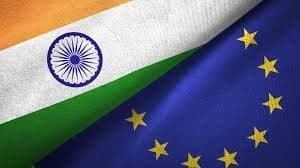
Definition: Comprehensive India–EU pact covering goods, services, investment protection and GIs.

Geography: Partners are India plus 27-nation European Union, a 450 million-consumer market.

Process: Talks began 2007, paused 2013, relaunched June 2022; currently in final stage.

Quick Facts for MCQs

Economic Angle

  • Tariff-free access boosts textiles, leather, pharma, engineering competitiveness in EU market.
  • Regulatory alignment eases IT & telecom services mobility, enlarging India’s services surplus.
  • Legal certainty likely to draw FDI in green hydrogen and semiconductor value chains.

Challenges & Barriers

  • CBAM and strict labour-environment standards act as non-tariff hurdles for Indian firms.
  • EU push to cut Indian tariffs on cars, spirits risks domestic auto and beverage sectors.
  • Demands on data flows, IPR, public procurement conflict with Aatmanirbhar and pharma interests.

Negotiation Strategy

  • Asymmetric liberalisation sought: early EU market entry, phased Indian tariff cuts.
  • Carve-outs for agriculture & dairy essential to protect small producers from subsidised EU imports.
  • DPI success used to balance data-flow liberalisation with national digital sovereignty.

Key Data Points

FeatureData-Point
EU member nations27
EU share in India’s exports≈ 17 %
Talks first launched2007
Negotiations relaunchedJune 2022
EU duty on Indian textiles/leather12–16 %
EU consumer base~ 450 million

Related UPSC Prelims PYQs

CAPF_GAI, CDS_GK 2024PYQ 1

If India enters into Free Trade Agreements (FTAs) with other nations, then the growth of exports of India would depend upon which of the following?

CAPF_GAI, CDS_GK 2022PYQ 2

Which of the following statements is/are correct?

GS-2Security

11.US Military Bases in Middle East (US CENTCOM)

CNN
Illustration for US Military Bases in Middle East (US CENTCOM)

What & Where

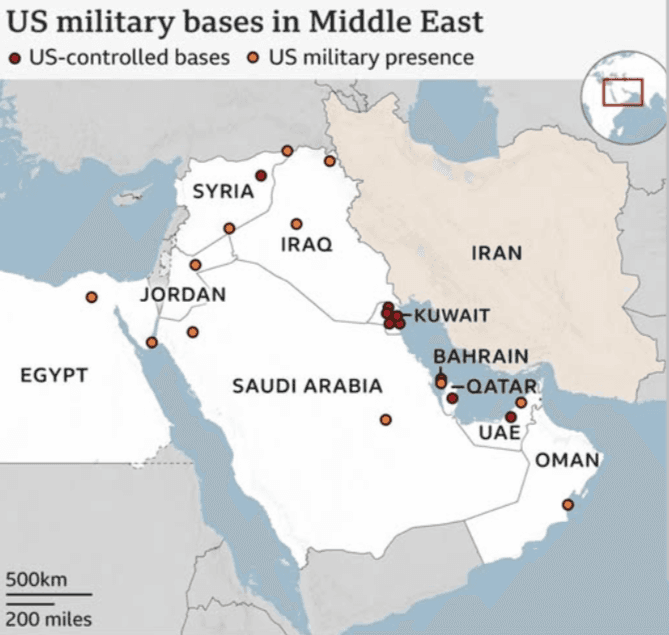
US operates permanent & rotational military bases across West Asia under CENTCOM to secure sea lanes, support allies, deter Iran.

Major nodes: Bahrain (Fifth Fleet), Qatar (Al Udeid), Kuwait, UAE, Iraq, Saudi Arabia, Jordan, Turkey.

Geography spans Persian Gulf, Red Sea, Arabian Sea and Levant—virtually encircling Iran within regional strike range.

Quick Facts for MCQs

Security Dimension

  • Missile-defence: Patriot, THAAD at Prince Sultan shield Kingdom and US assets from ballistic threats.
  • Naval presence: Fifth Fleet patrols Hormuz, Bab-el-Mandeb, Suez to safeguard oil transit.
  • Nuclear-deterrence: Incirlik stores US/NATO B61 gravity bombs for contingency operations.

Operational Roles

  • Al Udeid coordinates theatre-wide air, ISR, missile-defence missions as CENTCOM forward HQ.
  • Camp Arifjan, Kuwait hosts US Army Central forward HQ; Ali Al Salem serves key air logistics hub.
  • Al Dhafra (UAE) & Muwaffaq al Salti (Jordan) launch ISR and strike sorties vs ISIS in Syria/Iraq.

Iran Tensions

  • Tehran fired ballistic missiles at Ain Al Asad in Jan 2020 after Soleimani killing, injuring US troops.
  • 2023 IRGC warning: any US interference in Iranian unrest will trigger strikes on listed regional bases.
  • Most bases lie within ~1,000 km of Iran, squarely inside its missile envelope, heightening escalation risk.

Key Data Points

FeatureData-Point
Fifth Fleet HQ locationManama, Bahrain
Largest US base in M.E.Al Udeid Air Base, Qatar (~10,000 troops)
Forward CENTCOM HQAl Udeid Air Base
Busiest US Navy portJebel Ali, UAE
US nuclear weapons storedIncirlik Air Base, Turkey
Missile-defence assetsPatriot & THAAD at Prince Sultan AB, Saudi Arabia
Base hit by Iran (2020)Ain Al Asad, Iraq
Air Wing in Jordan332nd Air Expeditionary Wing, Muwaffaq al Salti AB
GS-2SecurityQuick Bite

12.Indian Chairs UN Disarmament Board (UN Disarmament)

Economic Times

What & Where

UN Advisory Board on Disarmament Matters (ABDM): 15-member expert body advising Secretary-General on arms control & disarmament.

Set up 1978 after 10th UNGA Special Session; sessions alternate between New York and Geneva.

2026-27: D.B. Venkatesh Varma becomes first Indian to chair the Board.

Quick Facts for MCQs

Composition & Rotation

  • Members chosen by UN SG, balanced across regions, proven disarmament expertise.
  • UNIDIR Director always sits ex officio, ensuring research linkage.
  • Chair rotates yearly, reflecting geographic or thematic balance.

Working Mechanism

  • Agenda shaped by SG requests and Board’s prior recommendations.
  • Post-session private report submitted to SG for consolidation.
  • Outputs feed UNGA via annual SG report, influencing global disarmament discourse.

Functional Mandate

  • Advises on arms control policies, confidence-building, non-proliferation initiatives.
  • Oversees UNIDIR research priorities and funding allocations.
  • Guides UN Disarmament Information Programme, enhancing public outreach.

India Angle

  • D.B. Varma’s chairmanship marks India’s first leadership role in ABDM.
  • Builds on earlier Indian memberships, elevating New Delhi’s disarmament stature.
  • Opportunity to showcase Global South perspectives within UN security architecture.

Key Data Points

FeatureData-Point
Establishment year1978
Origin forum10th Special Session of UNGA
Core mandateArms limitation & disarmament advice
Membership strength15 experts + UNIDIR Director (ex officio)
Chair selectionRotates annually by region/theme
Meeting frequencyTwice a year
Regular venuesNew York & Geneva
Reporting chainChair → SG → Annual report to UNGA
Role for UNIDIRServes as Board of Trustees
First Indian Chair2026-27 term
GS-3SecurityQuick Bite

13.Bhairav Battalion Modern Warfare Formation (Indian Army Unit)

The Hindu

What & Where

Bhairav Battalions – new high-speed, offensive Indian Army formations raised 2025 for hybrid, tech-centric warfare

Bridge gap between strategic Para Special Forces and battalion-level Ghatak Platoons; enable rapid border contingencies

Stationed under corps/divisions in sensitive sectors: Rajasthan, Jammu, Ladakh, Northeast; debut Army Day Parade 2026 Jaipur

Quick Facts for MCQs

Force Structure

  • Integrated teams fuse fire, air defence, signal capabilities for autonomous operations
  • Size kept compact to maximise mobility and stealth
  • Sits operationally between Para SF (deep) and Ghatak Platoons (localised)

Deployment & Expansion

  • 15 units already operational; expansion target 23–25
  • Placed at corps/division level for quick tasking across multiple theatres
  • Priority sectors: western deserts, northern mountains, northeastern borders

Unmanned Warfare Focus

  • Mandated spearhead for Army’s drone warfare doctrine
  • Trained for deep-strike drone targeting of enemy bases and formations
  • Forms nucleus of proposed 1 lakh-strong drone operator cadre

Key Data Points

FeatureData-Point
Initiative year2025
Battalions raised so far15
Planned strength23–25 battalions
Troop size per unit~200–250 personnel
Arms mixInfantry, artillery, air defence, signals
Recruitment modelSons of the Soil
Core roleRapid response, short-notice offensives
Tech focusDrone-enabled unmanned strikes
Drone operators pool>1 lakh planned
Parade debutArmy Day 2026, Jaipur

Related UPSC Prelims PYQs

CAPF_GAI 2023PYQ 1

What are Airawat, Param Siddhi, Pratyus and Mihir?

CAPF_GAI 2023PYQ 2

Exercise Ajeya Warrior is a biennial training event between the Indian Army and the army of:

GS-2Scheme

14.Digital Transformation of India’s Dairy (Dairy Digitalization)

PIB

What & Where

Digital overhaul of Indian dairy by NDDB via National Digital Livestock Mission creating Bharat Pashudhan, issuing 12-digit Pashu Aadhaar to livestock.

Key platforms: AMCS for milk collection, NDERP enterprise system, INAPH & SSMS for breeding/health, i-DIS & GIS optimiser for data, logistics.

India world’s No. 1 milk producer (≈25% output); top states — Uttar Pradesh, Rajasthan, Madhya Pradesh, Gujarat, Maharashtra.

Quick Facts for MCQs

Tech & Schemes

  • Platform AMCS automates quantity-fat recording, instant SMS payments, live dashboards for 26k cooperatives
  • Suite NDERP integrates finance, inventory, HR, manufacturing, linked to AMCS for cow-to-consumer traceability
  • Mission NDLM’s Bharat Pashudhan builds unified livestock database, enabling health, breeding, insurance services via 12-digit IDs

Economic Angle

  • Contribution milk group ~40% of agriculture, livestock, forestry, fishing output value FY23
  • Feed costs surged 246% in 30 years, squeezing farmer margins, risking demand contraction
  • Daily cooperative procurement goal to rise 50% to 1,007 lakh kg by 2028-29 under White Revolution 2.0

Environmental Impact

  • Climate heatwaves caused 10–30% yield loss in north, threatening 30% national output
  • Livestock emit ~32% anthropogenic methane, prompting push for feed additives, biogas capture
  • Disease Lumpy Skin cut 2022-23 production 10%, mastitis losses touch Rs 14,000 crore annually

Key Data Points

FeatureData-Point
Global milk share≈25%
Milk output 2024-25247.87 Mt
Per capita availability485 g/day
Livestock IDs issued35.68 crore
AMCS coverage>26,000 DCS
Producers under AMCS17.3 lakh
Milk export rank49th
Agri GDP share (milk group)≈40% (2022-23)
Operation Flood launch13 Jan 1970
White Revolution 2.0 launch19 Sep 2024

Related UPSC Prelims PYQs

CDS_GK, GEO_GS 2024PYQ 1

Which of the following statements with respect to milk production in India is/are not correct?

CDS_GK, GEO_GS 2025PYQ 2

Which one of the following platforms marks a transformative step in India's immunization efforts by digitizing vaccination records for pregnant women and children up to 16 years?

Ready to practice?

Test your knowledge with our UPSC test series.

Start Free Trial