UPSC Current Affairs

15 topicsGS-1: 3GS-2: 6GS-3: 6
0/15 done
GS-2Editorial

1.Daily Current Affairs 14 Jan 2026 (Daily Compilation)

The Hindu
Illustration for Daily Current Affairs 14 Jan 2026 (Daily Compilation)

What & Where

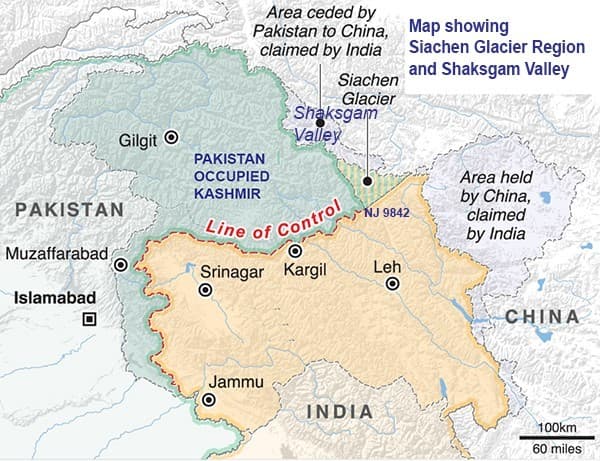
Trans-Karakoram high-altitude valley (~5,180 km²) legally in Ladakh; ceded by Pakistan, now run by China’s Xinjiang.

Lies north of Siachen between Karakoram & Kunlun ranges; drained by Shaksgam-Yarkand rivers, glaciated & uninhabited.

Overlooks CPEC corridor, contiguous to Aksai Chin and Gilgit-Baltistan—critical for India-China-Pakistan tri-junction security.

Quick Facts for MCQs

Legal & Policy

  • India deems 1963 pact void; Pakistan lacked locus to alienate J&K territory.
  • Article 6 obliges re-negotiation after Kashmir settlement, keeping dispute alive.
  • Valley figures in India’s Parliament resolutions affirming undivided J&K sovereignty.

Security Dimension

  • Controls northern approaches to Siachen & Karakoram Pass, influencing Indian supply lines.
  • PLA roads enable swift Xinjiang-Gilgit mobilisation, bolstering China-Pakistan military synergy.
  • Joint patrols, new posts escalate monitoring burden for Indian Northern Command.

Mapping Angle

  • Pre-1947 Survey of India charts marked tract within Kashmir; Ladakhi/Balti toponyms persist.
  • Coordinates ~35° N, 76–77° E; watershed feeds Tarim basin, not Indus.
  • Featured in GS-I map questions; understand adjacent glaciers: Rimo, Gasherbrum, K2 zone.

Key Data Points

FeatureData-Point
Year Pakistan ceded area to China1963
Pact name / clauseSino-Pakistan Frontier Agreement, Article 6 (provisional boundary)
Indian territorial claimUnion Territory of Ladakh
Chinese admin unitsTaxkorgan & Yecheng counties, Xinjiang
Nearest active battlefieldSiachen Glacier (~80 km south)

Related UPSC Prelims PYQs

CDS_GK 2024PYQ 1

ISRO, in its studies, has revealed that there is a 178% increase in the size of the Gepang Ghat Glacial Lake. In which of the following States/UTs is this lake located?

CDS_GK 2023PYQ 2

Which one of the following passes is not located in Indian Himalayan region?
GS-2Polity

2.Responsible Nations Index Launch (Governance Index)

PIB

What & Where

Responsible Nations Index (RNI): India’s first globally anchored ranking of 154 countries on responsible governance.

Launched by World Intellectual Foundation (WIF), a global, non-partisan think tank.

Measures internal, environmental, and external responsibility dimensions.

Quick Facts for MCQs

Index Structure

  • Dimensions: Internal (dignity, justice, well-being); Environmental (resource stewardship, climate action); External (peace, multilateralism).
  • Scoring emphasizes responsible governance over military or GDP strength.

Significance

  • Paradigm shift to value-based, human-centric assessment of nations.
  • Supports India’s push for ethical leadership and reformed global governance.

Institutional Collaboration

  • WIF partners with premier Indian academia and policy centres.
  • Multi-institution input aims to enhance credibility and comparability.

Key Data Points

FeatureData-Point
Launch year2026
Lead agencyWorld Intellectual Foundation
Indian collaboratorsJNU, IIM Mumbai, Dr. Ambedkar International Centre
Coverage154 countries
Core dimensionsInternal, Environmental, External Responsibility
Data natureTransparent, globally sourced
GS-3Economy

3.M.S. Sahoo Pension Committee (Pension Reform)

PIB

What & Where

Committee: 15-member M.S. Sahoo group to craft assured-pension framework under National Pension Scheme

Jurisdiction: Constituted by Pension Fund Regulatory & Development Authority, pan-India applicability

Focus: Shift NPS from market-linked savings to predictable lifelong income

Quick Facts for MCQs

Legal & Policy

  • Framework: Draft legal rules defining guarantee amount, duration, conditions
  • Safeguards: Mis-selling, misleading claims, unfair practices to be barred
  • Compliance: Clear lock-in, withdrawal, fee norms for pension providers

Operational Design

  • Mechanisms: Pricing structures, fee caps, lock-in periods under review
  • Governance: Transparent processes to ensure actuarial soundness of guarantees
  • Monitoring: Ongoing oversight by PFRDA for scheme integrity

Economic Angle

  • Security: Stable post-retirement income expected to boost elderly financial resilience
  • Participation: Predictability likely to raise NPS enrolment among unorganized workforce
  • Risk-transfer: Moves scheme closer to defined-benefit attributes without burdening exchequer

Key Data Points

FeatureData-Point
Constituting bodyPFRDA
Committee size15 members
ChairpersonM.S. Sahoo, ex-IBBI chief
Core mandateDesign assured, predictable pension payouts
Scheme coveredNational Pension Scheme (NPS)
Key risk addressedMarket-linked income volatility
Target beneficiariesPrivate-sector, self-employed NPS subscribers

Related UPSC Prelims PYQs

ESE_GS 2022PYQ 1

Which one of the following statements is NOT correct regarding the Pension Fund Regulatory and Development Authority (PFRDA)?

GS-3Economy

4.Department of Expenditure 2025 Review (Public Finance)

PIB

What & Where

Department of Expenditure (DoE) under Finance Ministry oversees Union public spending.

PFMS digital backbone executes nation-wide Direct Benefit Transfer and fund tracking.

Scheme for Special Assistance to States supports capital projects across India.

Quick Facts for MCQs

Tech & Digitisation

  • PFMS: Rs 2.87 lakh crore via 210 crore transactions FY25-26.
  • CRM: automated system resolves > 1.5 lakh expenditure grievances annually.

Capital Investment Support

  • SASCE: cumulative release Rs 4.49 lakh crore since Covid-hit 2020-21.
  • Multiplier: each rupee capital spend adds about three rupees GDP.

Borrowing & Debt

  • NBC: States capped at 3 % GSDP; extra 0.5 % on power reforms.
  • Constitution: Article 293(3) mandates Centre consent for indebted states’ loans.

Procurement & Pay

  • Manuals: goods, works, services revised; allow reverse auctions, lower security.
  • Pay: 8th Central Commission set up for wage, pension review.

Key Data Points

FeatureData-Point
PFMS DBT schemes966
DBT payout 2025-26Rs 2.87 lakh cr
Transactions till 31-12-25210.56 crore
SASCE outlay 2025-26Rs 1.5 lakh cr
SASCE release totalRs 4.49 lakh cr
Loan tenor50 years, 0 interest
State NBC 2025-263 % GSDP
Reform bonus borrowing0.5 % GSDP
Central debt-GDP 2024-2557.1 %

Related UPSC Prelims PYQs

CDS_GK, GS1 1996PYQ 1

The following Table shows the percentage distribution of revenue expenditure of Government of India in 1989-90 and 1994-95:

CDS_GK, GS1 2024PYQ 2

Which one among the following items comprises the major portion of revenue expenditure of the Union Government of India?

GS-1History

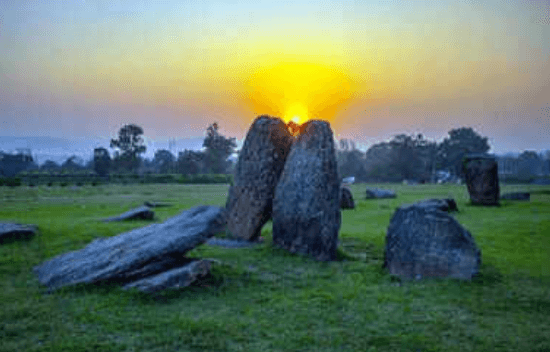
5.Jharkhand Megalithic Landscapes (Megalithic Sites)

Times of India
Illustration for Jharkhand Megalithic Landscapes (Megalithic Sites)

What & Where

Megaliths: large stone menhirs, dolmens, cairns, stone circles—serve burial, memorial, ritual, boundary, calendric roles

Core belts: Ranchi-Khunti, Hazaribagh, Chatra-Ramgarh-Lohardaga-Gumla-Simdega, Singhbhum (Ho areas)

Feature: rare “living megalithism” where Adivasi groups still erect new stones alongside prehistoric ones

Quick Facts for MCQs

Cultural Continuity

  • Inter-generational stone additions create layered landscapes
  • Practices embed clan history without written records
  • Living tradition considered globally uncommon

Astronomy & Science

  • Select alignments act as prehistoric solar calendars
  • Demonstrates indigenous knowledge of seasonal cycles
  • Stones double as time-keeping and ritual markers

Conservation Push

  • State seeking UNESCO World Heritage tag for entire landscape
  • CM showcased sites on international platforms for backing
  • “Living + extensive + unique” positioning strengthens nomination

Key Data Points

FeatureData-Point
Key tribes linkedMunda, Ho, Oraon, Asur
Local burial termSasandiri (family dolmen)
Local memorial termBirdiri/Biridiri (menhir)
Village burial ground namehargarhi / hargarha
Astronomical useEquinox/solstice sunrise-sunset alignments
UNESCO move byJharkhand Govt, highlighted at Davos & UK
Distinct traitContinuity of stone-placing tradition
Main significanceIndigenous archive of memory, lineage, ritual
GS-1History

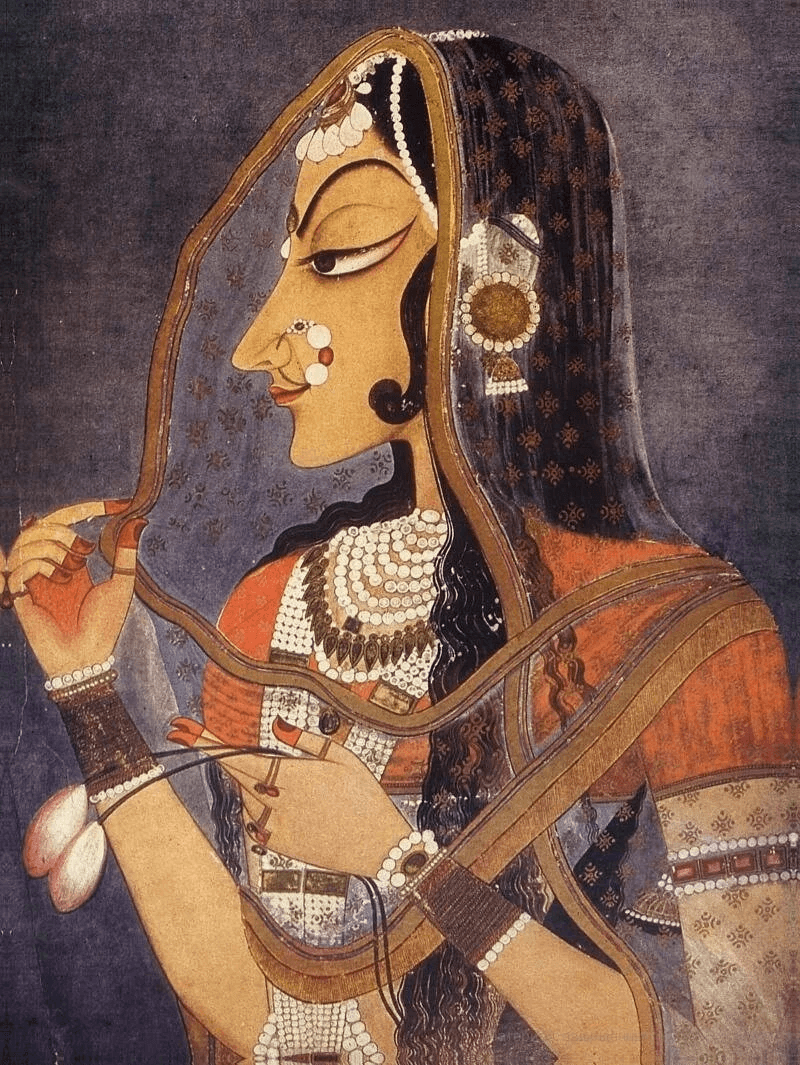
6.Indian Miniature Painting Traditions (Miniature Painting)

Indian Express
Illustration for Indian Miniature Painting Traditions (Miniature Painting)

What & Where

Miniature paintings: ultra-detailed tempera works ≤ 25 sq in, figures rendered at roughly one-sixth real size.

Core centres: Pala (East), Western Apabhramsa, Mughal courts, Rajput states, Himalayan Pahari belt (Kangra, Basholi, Guler).

Current spotlight: 19th-century Guru Gobind Singh panel in Golden Temple, restored by Kangra artists with natural pigments.

Quick Facts for MCQs

Historical Evolution

  • Pala palm-leaf start; Western Apabhramsa Jain texts; Delhi Sultanate Indo-Persian fusion preceded Mughal zenith.
  • Mughal era secularised subjects; Akbar’s Tasvir Khana, Jahangir’s naturalism, Shah Jahan’s European gold-silver accents.

Regional Schools

  • Rajput cluster: Mewar Ragamala by Sahibdin; Kishangarh romantic finesse; Bundi, Jaipur, Marwar nurture epic narratives.
  • Pahari offshoots: Basholi bold primaries, Guler-Kangra soft lines, Kullu-Mandi folk dark palette.

Techniques & Materials

  • Pigments from minerals—lapis lazuli, orpiment; binders egg yolk or gum; supports shifted palm-leaf → handmade paper.
  • Detailing via single-bristle brush; gold & silver highlights popularised during Shah Jahan reign.

Colonial & Modern

  • Company painters documented flora, monuments for British patrons, merging shading, linear perspective realism.
  • Bengal School (early 20th c.) rejected Western academism, revived simplified indigenous aesthetic.

Key Data Points

FeatureData-Point
Standard size limit≤ 25 sq in
MediumTempera: water + pigment + egg emulsion
Signature anatomyBulging fish-eye, pointed nose, slim waist
Finest detail toolSingle-bristle squirrel-hair brush
Earliest schoolPala, 750–1150 AD
Mughal innovationForeshortening for depth
Kangra hallmarkDelicate naturalism, romantic Krishna themes
Kishangarh iconsRaja Savant Singh & Bani Thani (artist Nihal Chand)
Company styleIndian motifs blended with European realism
Guru Gobind Singh lifespan1666 – 1708

Related UPSC Prelims PYQs

GS1 1995PYQ 1

The Mughal School of Painting formed the spinal column of the various schools of Indian miniature art. Which one of the following painting styles was not affected by Mughal painting?

GS1 2018PYQ 2

The well-known painting "Bani Thani" belongs to the

GS-1Mapping

7.Shaksgam Valley Dispute (Border Dispute)

NDTV
Illustration for Shaksgam Valley Dispute (Border Dispute)

What & Where

High-altitude Trans-Karakoram tract north of Siachen, sandwiched between Karakoram & Kunlun ranges

Claimed by India (UT Ladakh) yet administered by China since Pakistan’s 1963 cession

Geographically part of PoK’s Hunza-Gilgit belt, now in Xinjiang’s Taxkorgan & Yecheng counties

Quick Facts for MCQs

Historical Timeline

  • 1947 Accession; India claimed entire J&K including Shaksgam
  • 1947-48 war; Pakistan occupied northern areas, including valley
  • 1963 agreement; Pakistan transferred tract to China pending Kashmir settlement

Legal & Treaty Points

  • India labels 1963 transfer illegal, Pakistan lacked locus standi over Indian territory
  • Article 6 obliges China, Pakistan to renegotiate boundary post-Kashmir resolution
  • Valley remains part of Indian official maps of Ladakh

Security Dimension

  • Location bolsters China-Pakistan military logistics near Siachen & Aksai Chin
  • Ongoing Chinese road, infrastructure projects integrate tract with Xinjiang, CPEC
  • Proximity poses two-front strategic challenge to Indian forces in Karakoram sector

Key Data Points

FeatureData-Point
Alternate nameTrans-Karakoram Tract
Area ceded5,180 sq km
Cession treatySino-Pakistan Frontier Agreement, 2 Mar 1963
Temporary-boundary clauseArticle 6 of 1963 pact
Pre-1947 affiliationBaltistan/Ladakh region
Present administratorChina (Xinjiang)
ClaimantIndia (Union Territory of Ladakh)
Lost control during1947-48 Indo-Pak war
Adjacent glacierSiachen (world’s highest battlefield)
Nearby corridorChina–Pakistan Economic Corridor (CPEC)
GS-3Environment

8.International Renewable Energy Agency (Renewable Agency)

News on Air
Illustration for International Renewable Energy Agency (Renewable Agency)

What & Where

Intergovernmental agency dedicated solely to renewable energy worldwide.

Provides policy, technology, data & investment support to accelerate clean-energy transition.

HQ: Masdar City, Abu Dhabi (UAE); founded in Bonn, Germany.

Quick Facts for MCQs

Legal & Policy

  • Statute drafted 2008 in Berlin & Madrid; agency operational since 2011.
  • Membership open to UN states; serves as multilateral platform for renewable diplomacy.
  • Supports implementation of SDG-7 and national Net-Zero pledges.

Functions & Services

  • Policy‐guidance: national road-maps, regulatory advice.
  • Data-hub: global costs, investments, transition scenarios across solar, wind, bio, hydro, geo, ocean.
  • Capacity & finance: training institutions, mobilising green funding for developing nations.

Environmental & Development Goals

  • Climate-mitigation: promotes fossil-fuel displacement and resilience.
  • Energy-access: aids universal, affordable, modern energy in Global South.
  • Green-growth: aligns renewable deployment with job creation and energy security.

Key Data Points

FeatureData-Point
Full nameInternational Renewable Energy Agency (IRENA)
Founded on / at26 Jan 2009, Bonn (Germany)
Statute effective8 Jul 2010
HeadquartersMasdar City, Abu Dhabi, UAE
India’s statusFounding member
First proposal year/place1981, Nairobi UN Conference
States at formal launch75
Latest Assembly16th, Abu Dhabi
GS-3Environment

9.AI Carbon Footprint in India (AI Carbon Footprint)

The Hindu
Illustration for AI Carbon Footprint in India (AI Carbon Footprint)

What & Where

AI Impact Summit 2026, New Delhi: to launch “Planet Sutra” global mandate for resource-efficient, climate-resilient AI.

Key process: high-density data-centre training/inference of Large Language Models; reliant on 24×7 power & water cooling.

Core geography: India’s AI clusters—Mumbai, Bengaluru, Hyderabad—half sited in extremely water-stressed zones.

Quick Facts for MCQs

Environmental Impact

  • Electricity: Mumbai AI centres add 1,100 + MW load, largely coal-sourced, spiking Scope 2 emissions.
  • Water: GPU cooling drives billions-litre demand, aggravating 2024 Bengaluru crisis.
  • E-waste: AI GPUs obsolete in 2–3 yrs, funneling toxic metals to informal scrapyards.

Regulatory Gap & Proposals

  • Absence: Current EIA rules exclude > 5 MW data-centres; no mandatory energy/water disclosure.
  • Proposal: Amend EIA 2006, enforce Carbon Usage Effectiveness reporting via MCA & SEBI.
  • Incentive: Tie fiscal perks to 100 % renewable supply and national Power Usage Effectiveness standards.

Resource Metrics & Examples

  • Cooling paradox: In India’s climate, cooling can consume power nearly equal to computation load.
  • Mumbai example: Coal-heavy grid undermines “green” claims whenever renewable input dips.
  • Semiconductor push: India Semiconductor Mission raises groundwater depletion worries in fab zones.

Key Data Points

FeatureData-Point
Global ICT GHG shareUp to 3.9 % of world emissions
India data-centre capacity 20272,073 MW (↑ 85 % over 2025)
CO₂ from training one large model≈ 626,000 lb (≈ 5 cars’ lifetime)
Electricity: ChatGPT vs Google search10 × higher per query
India’s AI adoption rate59 % of surveyed firms
Data-centres in water-stressed areas50 % (e.g., Bengaluru, Mumbai)
Bengaluru DC water use 202426 million L annually
India e-waste generation 20241.6 million metric tonnes

Related UPSC Prelims PYQs

CAPF_GAI, GS1 2025PYQ 1

Consider the following statements:

CAPF_GAI, GS1 2025PYQ 2

India’s key climate targets include

GS-2Editorial

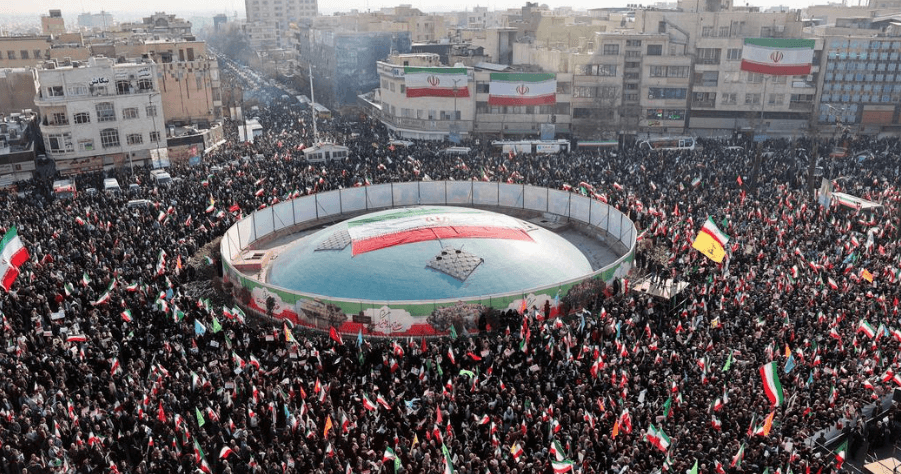
10.Iranian Economic Unrest 2025 (Iran Unrest)

The Hindu
Illustration for Iranian Economic Unrest 2025 (Iran Unrest)

What & Where

Iranian conundrum : repeating loop of sanctions-driven economic pain, legitimacy crises, hard-power crackdowns

December 2025 unrest : Tehran bazaar shutdown over rial plunge (~1.45 mn rials/USD) rapidly spread nationwide

Core geography : Iran astride Strait of Hormuz; protests span Tehran, provincial hubs impacting Gulf energy routes

Quick Facts for MCQs

Historical Milestones

  • 1905–11 Constitutional Awakening; first Majlis; foreign meddling undermined democracy
  • 1953 CIA–MI6 coup ousted Mossadegh after oil nationalisation, deepening anti-West sentiment
  • 1979 Islamic Revolution toppled Pahlavi monarchy, establishing cleric-led republic

Governance Structure

  • Supreme Leader controls armed forces, judiciary, state media; overrides elected bodies
  • Guardian Council 12-member cleric-legal panel vets laws, candidates ensuring ideological conformity
  • IRGC + Bonyads dominate economy, internal security, limiting presidential reform space

Implications for India

  • Energy : Hormuz instability threatens crude supply, price and domestic inflation
  • Connectivity : Sanctions fickleness delays Chabahar, Central Asia corridor ambitions
  • Diaspora : West Asian turbulence endangers Indian workers, remittance flows; Shia sentiment sensitive

Key Data Points

FeatureData-Point
Bazaar shutdown date28 Dec 2025
Market rial rate≈ 1.45 million rials / USD
Current PresidentMasoud Pezeshkian (elected 2024)
Supreme Leader roleFinal say on defence, foreign policy, nuclear file
Guardian Council members12 (6 clerics + 6 jurists)
Constitutional Awakening1905 – 1911
Pahlavi monarchy span1925 – 1979
1953 coup actorsCIA & MI6
Islamic Revolution year1979
Protest precedents2009, 2019, 2022 mass unrest
GS-2Misc

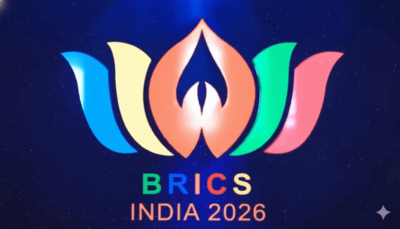
11.BRICS India 2026 Chairship Logo (BRICS Chairship)

New Indian Express
Illustration for BRICS India 2026 Chairship Logo (BRICS Chairship)

What & Where

Definition: BRICS India 2026 logo is the official visual identity for India’s Chairship of BRICS during calendar year 2026

Geography: Host and Chair—India; website acts as central hub for all 2026 BRICS meetings

Occasion: Marks 20th anniversary of BRICS formation (2006-2026)

Quick Facts for MCQs

Symbolism

  • Lotus depicts resilience, renewal, civilisational identity
  • Five-colour petal set denotes unity of founding BRICS members
  • Namaste hands signify respect, dialogue, cooperative spirit

Strategic Significance

  • Projects Indian leadership in Global South and multilateral reform debates
  • Reinforces BRICS as people-centric, development-oriented platform aligned with Global South priorities
  • Aligns Chairship agenda with four stated pillars for 2026

Digital Platform

  • Website serves single-window information interface for delegates, media, public
  • Hosts schedules, documents, live updates of BRICS-2026 events
  • Enhances transparency and outreach for India’s Chairship

Key Data Points

FeatureData-Point
Chairship Year2026
Host CountryIndia
Milestone20 years of BRICS
Core MotifLotus with Namaste hands
Petal Colours RepresentBrazil, Russia, India, China, South Africa
Central MessageTogetherness for global welfare
Guiding PhilosophyVasudhaiva Kutumbakam
Priority PillarsResilience, Innovation, Cooperation, Sustainability
Website RoleMeeting, initiative, outcome repository
Logo Launch StatusOfficially unveiled 2024

Related UPSC Prelims PYQs

CDS_GK, GS1 2020PYQ 1

BRICS Summit, 2020 will be hosted by

CDS_GK, GS1 2025PYQ 2

Consider the following statements with regard to BRICS:

GS-3Security

12.Havana Syndrome Directed Energy Concern (Directed Energy)

Business Standard

What & Where

Definition: Anomalous Health Incidents called Havana Syndrome; unexplained neurological ailments in US diplomats, spies since 2016

Mechanism-suspect: Pulsed radio-frequency or microwave energy delivered via portable directed-energy devices

Geography-core: First in Havana, later clusters in China, Europe, Russia, and within United States

Quick Facts for MCQs

Medical Manifestations

  • Symptoms-set includes severe headaches, nausea, balance loss mirroring mild traumatic brain injury
  • No visible external injuries; brain imaging shows trauma-like patterns
  • Cases lack uniform triggers complicating diagnosis

Technological Hypotheses

  • Pentagon testing backpack-sized pulsed RF generator matching recorded exposure profiles
  • Scientific panels favour radio-frequency/microwave energy over chemical or acoustic causes
  • Device enables covert, deniable stand-off attacks without physical entry

Geo-Political Angle

  • Incidents strained US relations with Russia and China amid mutual accusations
  • Diplomats, spies, military officers abroad identified as primary targets heightening vulnerability concerns
  • Emergence indicates new-age non-kinetic warfare challenging international norms

Institutional Response

  • US adopted Havana Act granting compensation to victims
  • Congressional inquiries press intelligence agencies for attribution clarity
  • Medical monitoring and interagency task forces continue cross-discipline investigations

Key Data Points

FeatureData-Point
Year first reported2016
Official US termAnomalous Health Incidents (AHIs)
Typical symptom triadHeadaches, vertigo, tinnitus
Investigated device sizeBackpack-sized RF emitter
Intelligence assessmentForeign attack unlikely in most cases
Latest testerUS Pentagon
GS-3Security

13.India's Evolving Maritime Strategy (Maritime Strategy)

The Hindu

What & Where

Maritime strategy: India’s pivot from land focus to rules-based Indo-Pacific engagement, positioning as net IOR security provider.

Frameworks: SAGAR, MAHASAGAR, Indo-Pacific Oceans Initiative fuse security, development and sustainability agendas.

Geography: Hormuz-Bab-el-Mandeb-Malacca arc; Andaman-Nicobar & South-Asian littorals anchor India’s maritime reach.

Quick Facts for MCQs

Historical Evolution

  • Ancient linkages: trade with SE Asia, Arab world, East Africa; Chola & Maratha naval expeditions.
  • Colonial legacy: British dismantled indigenous fleets, post-1947 security remained continental.
  • Reorientation: 1980s oil dependence and 1990s liberalisation spurred blue-water outlook.

Legal & Policy

  • Reform: 2025 Acts align Indian maritime law with IMO and UNCLOS standards.
  • Vision: SAGAR expanded globally via MAHASAGAR, stressing Global South cooperation.
  • Initiative: Indo-Pacific Oceans Initiative enables multi-pillar regional collaboration.

Capability Gaps

  • Shortages: submarines, indigenous propulsion, sensors hinder network-centric dominance.
  • Asymmetry: China’s superior shipbuilding and dual-use IOR ports widen strategic gap.
  • Finance: Fiscal limits slow switch from platform-centric to tech-driven navy.

Climate Risks

  • Exposure: Sea-level rise threatens Andaman-Nicobar bases and coastal infrastructure.
  • Tasking: IOR disasters likely to divert naval assets to humanitarian relief.
  • Adaptation: Ports and bases tagged climate-critical under NAPCC, CRZ norms.

Key Data Points

FeatureData-Point
Merchant Shipping Act2025
Carriage of Goods by Sea Act2025
Indian Ports Act2025
Vision documentMaritime India Vision 2030
Long-term road-mapMaritime Amrit Kaal Vision 2047
Core sloganSAGAR – Security And Growth for All in the Region
Global extensionMAHASAGAR Vision
Fusion centreIFC–IOR, Gurugram
Ancient naval epithetCholas called “Nautical Tigers”
Key choke-pointsHormuz, Bab el-Mandeb, Malacca

Related UPSC Prelims PYQs

CAPF_GAI, CDS_GK 2024PYQ 1

Which one among the following statements with regard to India’s maritime initiative, SAGAR, is correct?

CAPF_GAI, CDS_GK 2024PYQ 2

Which of the following statements is not correct?

GS-2Scheme

14.Tex-RAMPS Textile Data Scheme (Textile Statistics)

The Hindu

What & Where

Tex-RAMPS: Central Sector scheme boosting textile statistics, research and planning across India.

MoUs signed with 15 States at National Textile Ministers’ Conference, Guwahati, Assam.

Covers handlooms, handicrafts, apparel, technical textiles during FY 2025-26 → 2030-31.

Quick Facts for MCQs

Tech & Schemes

  • Components: Research & Innovation, Data Analytics, ITSS, Capacity Building, Start-up aid.
  • Integrated ITSS provides real-time statistical backbone for sector decisions.
  • Capacity initiatives train state officials in data protocols and diagnostics.

Legal & Policy

  • Central funding avoids state matching share, easing adoption.
  • MoUs formalise cooperative federalism and define reporting obligations.
  • District action plans legally prerequisite for fund disbursal.

Economic Angle

  • Accurate datasets aimed at reducing planning inefficiencies, boosting productivity.
  • Enhanced evidence base expected to spur exports, jobs, value-addition.
  • Scheme dovetails with national target of USD 350 billion textile economy by 2030.

Key Data Points

FeatureData-Point
Full nameTextiles Focused Research, Assessment, Monitoring, Planning And Start-Up
Implementing ministryMinistry of Textiles
Scheme nature100 % Centrally funded Central Sector
Operational spanFY 2025-26 to FY 2030-31
Finance Commission linkAligned with 16th FC cycle
Annual State/UT grant₹12 lakh each
Annual District grant₹1 lakh, post district action plan
Sub-sectors coveredHandloom, Handicraft, Apparel, Technical Textiles
Expected industry goalSupport path to USD 350 billion size
GS-2Scheme

15.PANKHUDI Women CSR Portal (CSR Portal)

DD News

What & Where

PANKHUDI = integrated, single-window digital portal by Ministry of Women & Child Development, India

Purpose : channel CSR & partnership funds for women-child nutrition, health, ECCE, welfare, safety

Geography : nationwide coverage across Anganwadis, CCIs, One-Stop Centres, Shakhi Niwas & Shakti Sadan

Quick Facts for MCQs

Tech & Schemes

  • Digital workflow enables single sign-on, live dashboards, automated approvals
  • Scheme convergence reduces duplication across Poshan 2.0, Vatsalya, Shakti
  • Financial traceability ensured through electronic receipt generation

Governance & Transparency

  • Jan Bhagidari model fosters citizen-government co-creation and oversight
  • Structured workflow improves coordination, monitoring, accountability for CSR projects
  • Portal simplifies CSR compliance, cutting paperwork and lead time

Implementation Footprint

  • Reach spans 14 lakh+ Anganwadis and ~5,000 Child Care Institutions nationwide
  • Additional linkage with 800 OSCs, 500+ Shakhi Niwas, 400+ Shakti Sadan shelters
  • Potential impact on crores of women and children beneficiaries

Key Data Points

FeatureData-Point
Launch ministryWomen & Child Development
Launch year2026
StakeholdersIndividuals, NRIs, NGOs, CSR firms, Govt bodies
Contribution modeOnly non-cash, traceable electronic payments
Flagship schemes linkedMission Saksham Anganwadi & Poshan 2.0; Mission Vatsalya; Mission Shakti
Thematic areasNutrition, Health, ECCE, Child welfare & rehab, Women safety & empowerment
Key facilities mapped14 lakh+ Anganwadi; ~5,000 CCIs; ~800 OSCs; 500+ Shakhi Niwas; 400+ Shakti Sadan
Portal utilitiesRegistration, initiative search, proposal upload, approval & progress tracking

Ready to practice?

Test your knowledge with our UPSC test series.

Start Free Trial