UPSC Current Affairs

13 topicsGS-1: 4GS-2: 2GS-3: 7
0/13 done
GS-2Polity

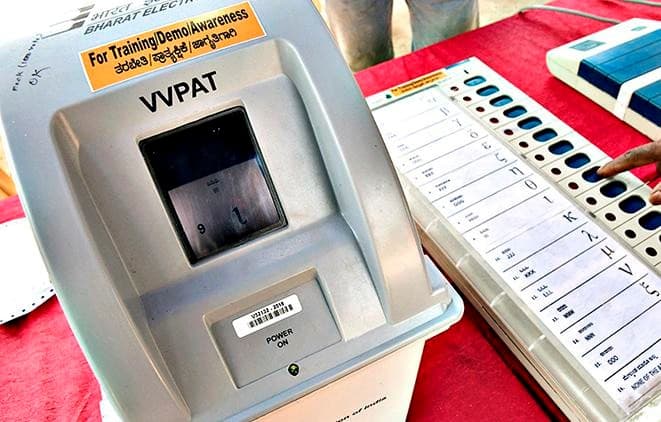
1.EVM Ballot Paper Photo Reform (Election Reforms)

NDTV
Illustration for EVM Ballot Paper Photo Reform (Election Reforms)

What & Where

What: Revised EVM ballot-paper format mandating colour candidate photos and larger numerals

Where: All polling stations in India, effective from next Bihar Assembly elections

Governance: Rule 49B, Conduct of Election Rules 1961 under Election Commission of India

Quick Facts for MCQs

Legal & Policy

  • Authority: ECI circular issued via Chief Electoral Officers to all States and UTs
  • Security: Strict press safety protocols mandated for any private printing
  • Transparency: Reform aligns with constitutional free and fair election obligation

Design Specifications

  • Colour: Candidate photo in colour; uniform typeface for names
  • Layout: Blank space left if fewer than 16 candidates
  • Paper: Distinct pink sheet improves differentiation from parliamentary ballot

Operational Procedure

  • Distribution: Revised design to be supplied with every EVM ballot unit
  • Training: Poll officials briefed on new serial number and photo checks
  • Logistics: Presses tasked to finish printing within election notification timelines

Voter Experience

  • Accessibility: Larger numerals benefit elderly and low-vision voters
  • Identification: Colour photos cut risk of impersonation among similar names or symbols
  • Confidence: Enhanced clarity expected to raise voter satisfaction and trust

Key Data Points

FeatureData-Point
Governing ruleRule 49B, Conduct of Election Rules 1961
First election using new formatBihar Assembly polls (next cycle)
Photo coverage on ballot75 % of candidate cell
Numeral font size30, bold, international style
Max candidates per sheet15 plus NOTA
Paper colour for AssemblyPink, specific RGB code
NOTA placementImmediately after last candidate
Primary printing sitesGovernment or semi-government presses
Fallback printingPrivate press only when capacity shortfall
ObjectiveBetter visibility, reduce name or symbol confusion

Related UPSC Prelims PYQs

CDS_GK 2022PYQ 1

The use of ‘Electors Photo Identity Cards (EPIC)’ by the Election Commission of India was started in which one of the following years ?
GS-3Economy

2.National Geothermal Energy Policy 2025 (Geothermal Energy)

News on Air
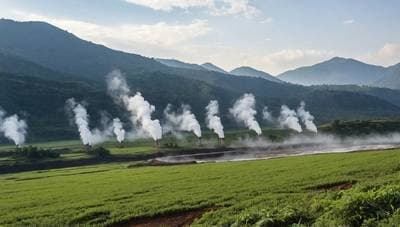
Illustration for National Geothermal Energy Policy 2025 (Geothermal Energy)

What & Where

Definition: 2025 National Policy on Geothermal Energy; MNRE framework to tap ~10 GW subsurface heat for power & direct use

Process: Utilises hydrothermal reservoirs, enhanced geothermal systems, hybrid solar-geothermal setups, mineral co-extraction

Geography: 381 hot springs across 10 provinces; marquee sites – Puga (Ladakh), Manikaran (HP), Tattapani (Chhattisgarh)

Quick Facts for MCQs

Legal & Policy

  • Framework: single-window state clearance, inter-ministerial coordination led by MNRE
  • Risk-sharing: JV incentives with oil & gas PSUs, abandoned well repurposing mandate
  • Compliance: periodic progress reviews, Standard Operating Procedures for rollout

Tech & Schemes

  • R&D: Geothermal Centres of Excellence for drilling, reservoir management, hybrid integration
  • Innovation: encourages mineral extraction of lithium, boron for project viability
  • Infrastructure: mandates reuse of depleted hydrocarbon wells for pilot generation

Economic Angle

  • Incentives: tax holidays up to 10 yrs, accelerated depreciation 40 %, VGF to bridge tariffs
  • Investment: open 100 % FDI route; public-private partnerships promoted
  • Markets: aims to create heating/cooling, agro-processing clusters in high-enthalpy zones

Environmental Impact

  • Decarbonisation: zero-combustion baseload energy supporting Net Zero 2070 target
  • Substitution: offsets fossil fuel in space conditioning, industrial drying, greenhouse farming
  • Circular use: utilises abandoned wells, reducing new land disturbance

Key Data Points

FeatureData-Point
Launch year2025
Nodal ministryMNRE
Geothermal potential≈10 GW
Hot springs mapped by GSI381
Provinces listed10
Flagship sitesPuga, Manikaran, Tattapani
Net-zero alignment year2070
Foreign Direct Investment100 % allowed
Key end-usesPower, district heating/cooling, aquaculture, tourism, desalination
Fiscal toolsGST & duty exemption, tax holidays, accelerated depreciation, VGF

Related UPSC Prelims PYQs

CDS_GK, GEO_GS 2022PYQ 1

Manikaran in Himachal Pradesh is known for :

CDS_GK, GEO_GS 2026PYQ 2

India's installed solar capacity in 2025 is close to

GS-3Economy

3.Bima Sugam Digital Insurance Platform (Insurance Marketplace)

Indian Express

What & Where

Definition: Bima Sugam = unified, UPI-like digital marketplace to buy-renew-manage-claim life/health/general insurance on one portal.

Key process: end-to-end policy servicing & claim settlement via secure Digital Public Infrastructure, run by Bima Sugam India Federation.

Geography: pan-India rollout under IRDAI’s ‘Insurance for All by 2047’; backed by Life & General Insurance Councils.

Quick Facts for MCQs

Tech & Schemes

  • Digital Public Infrastructure: UPI-style open architecture, API access, central policy repository.
  • Interoperability: common KYC, e-sign, e-mandate streamline renewals & portability.
  • Low distribution cost: platform fee replaces high agent commissions.

Economic Angle

  • Goal: expand insurance reach to 100 % population under Viksit Bharat 2047.
  • Efficiency: centralized database promises quicker product rollout & fraud reduction.
  • Transparency: real-time premium comparison and claim tracking boost consumer trust.

Policy Framework

  • Bima Trinity: Bima Sugam (platform), Bima Vistar (bundled micro-cover), Bima Vaahak (last-mile agents).
  • Governance: IRDAI oversight; Life & General Insurance Councils provide industry coordination.
  • Inclusivity: women-centric Vaahak model targets rural & low-income segments.

Key Data Points

FeatureData-Point
Launch bodyBima Sugam India Federation (BSIF)
Regulator frameworkPart of IRDAI’s “Bima Trinity”
Coverage basketLife, Health, Motor, Travel/PA, Commercial
Market rankIndia 10th now; 6th projected by 2032
Insurance density FY24USD 95 per capita
Insurance penetration FY243.7 % of GDP (global avg 7 %)
Unique edgeLow-cost, zero-commission end-to-end services
Grass-roots armBima Vaahaks: women-led awareness network

Related UPSC Prelims PYQs

NDA_GAT 2022PYQ 1

भारत सरकार की प्रमुख टेलीमेडिसिन सेवा ‘ई-संजीवनी’ को हाल ही में किसके साथ एकीकृत किया गया?

GS-3Economy

4.Startup India Innovation Ecosystem (Startup Ecosystem)

Economic Times
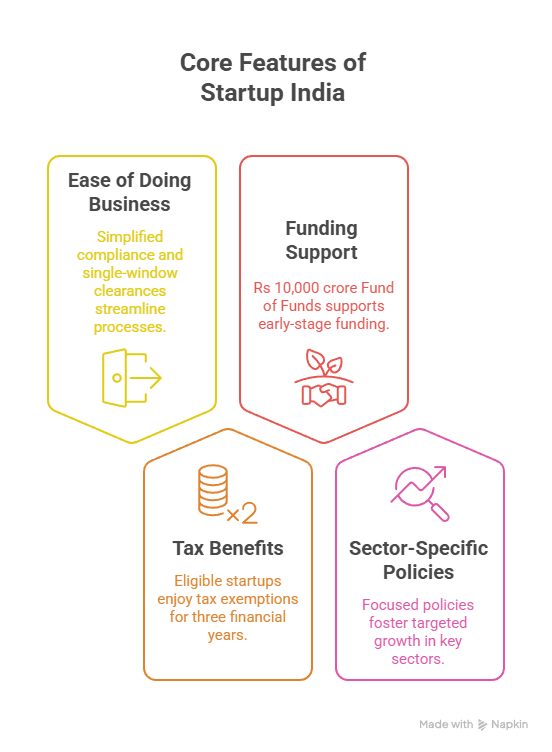
Illustration for Startup India Innovation Ecosystem (Startup Ecosystem)

What & Where

Startup India: 2016 flagship nurturing entrepreneurs via tax perks, funding access and simplified compliance nationwide

Unicorn: privately held startup valued > USD 1 billion; India count 118 by mid-2025

Geography: 1.59 lakh DPIIT-recognised startups across 670+ districts, Tier-2/3 hubs emerging

Quick Facts for MCQs

Legal & Policy

  • Reforms: single-window clearances, online filings slash incorporation time and cost
  • DPIIT tag: enables 3-year tax holiday, easier IPR, Fund-of-Funds access
  • Digital stack: Aadhaar, UPI, BharatNet lower entry barriers and compliance friction

Sectoral Spread

  • FinTech: UPI places India among global digital payments leaders
  • SpaceTech: post-2020 opening spurs 300+ firms like Skyroot, Agnikul
  • DefenceTech: 600+ startups via iDEX, ADITI boosting indigenisation

Challenges

  • Capital: Tier-2/3 funding dropped ~70 % between July-August 2024
  • Regulation: Motor Vehicles Act, Data Protection Act heighten compliance load
  • Survival: 90 % startups fold within five years due to scaling and market hurdles

Way Forward

  • Tax: extend holiday to five years; deep-tech concessions akin to Israel’s 12 % rate
  • Procurement: reserve fixed government purchase quota for startups
  • Decentralisation: hub-and-spoke model upgrading Tier-2/3 infrastructure and skills

Key Data Points

FeatureData-Point
Startup India launch year2016
DPIIT-recognised startups (2025)1.59 lakh
Unicorns in India (mid-2025)118
Direct jobs from startups16.6 lakh (Oct 2024)
Startups with ≥1 woman director73,151
SpaceTech startups count300 plus
DefenceTech startups under iDEX600 plus
Tier-2/3 funding Jul→Aug 2024₹2,202 cr → ₹630 cr

Related UPSC Prelims PYQs

CDS_GK 2022PYQ 1

What is ‘Unicorn Company’ often mentioned in Indian news?

GS-3Infrastructure

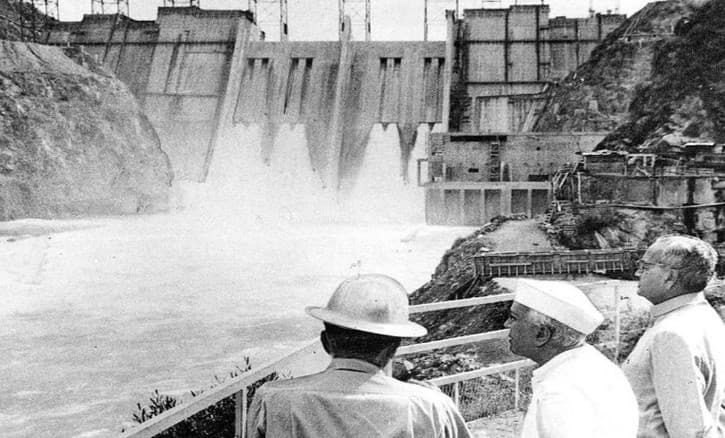
5.India’s Ageing Dam Infrastructure (Dam Safety)

The Hindu
Illustration for India’s Ageing Dam Infrastructure (Dam Safety)

What & Where

Ageing dams: large reservoirs ≥50 years; India has 1,065 such dams (2023), 224 exceed 100 years.

Typology: mainly earthen/masonry multipurpose structures built 1951-71 for irrigation, hydropower, flood control.

Geography: spread over 19 States; notable examples Bhakra-Nangal (HP-Punjab), Hirakud (Odisha), Mullaperiyar (Kerala-TN).

Quick Facts for MCQs

Historical Phases

  • Pre-Independence: Kallanai, Mettur, Nizam Sagar laid irrigation groundwork.
  • Nehruvian era: Bhakra, Hirakud, Koyna hailed as “modern temples,” powering Green Revolution.
  • 1951-71 boom: 418 large dams initiated, unprecedented infrastructure surge.

Legal & Policy

  • Dam Safety Act 2021 establishes NDSA, National Committee, SDSOs; mandates pre- & post-monsoon inspections.
  • DRIP I–III: World Bank-AIIB loans fund gate replacement, structural rehab, monitoring gear, personnel training.
  • Decommissioning gap: India lacks formal policy for retiring unsafe or obsolete dams.

Key Challenges

  • Sedimentation: Bhakra, Hirakud, Lower Bhavani lost 20-30 % capacity, shrinking irrigation and power output.
  • Climate extremes: Cloudbursts, GLOFs exceed legacy spillway design, overtopping probability rising.
  • Seismic risk: Mullaperiyar, Koyna in active zones; cracks, seepage, piping threaten integrity.

Case Studies

  • Mullaperiyar (1895): 120+ yrs, Kerala-TN dispute, seismic vulnerability highlighted by experts.
  • Hirakud (1957): 1982 near-overtop led to auxiliary spillway addition.
  • Tiware breach 2019: inspection lapses caused failure, killing 19 and spurring safety reviews.

Key Data Points

FeatureData-Point
Dams 50–100 yrs old (2023)1,065
Dams >100 yrs old (2023)224
Dams crossing 50 yrs by 2050>4,200
Dam Safety Act2021
DRIP coverage736 dams, 19 States
Oldest functioning damKallanai, 2nd century CE
Sediment loss Bhakra reservoir23 % live storage
Tiware failure deaths19 (2019)

Related UPSC Prelims PYQs

NDA_GAT 2021PYQ 1

Match List I with List II and select the correct answer using the code given below the lists:

NDA_GAT 2022PYQ 2

निम्नलिखित में से कौन-सा/कौन-से कथन सही है/हैं?

GS-1History

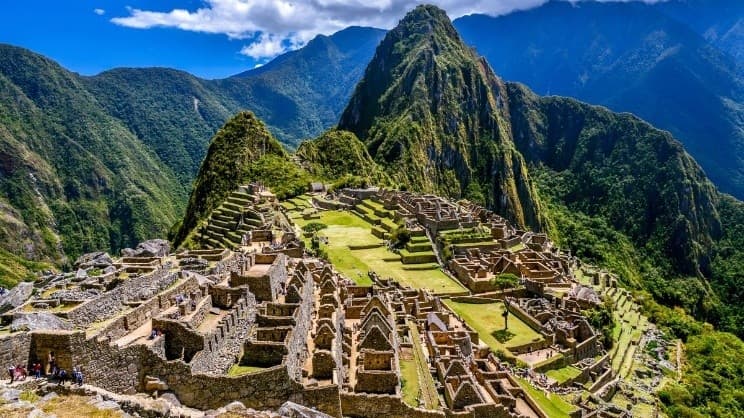
6.Machu Picchu Inca Citadel (UNESCO Heritage)

FP
Illustration for Machu Picchu Inca Citadel (UNESCO Heritage)

What & Where

15th-century Inca citadel on a mountain saddle between Machu Picchu and Huayna Picchu peaks.

Sits at 2,350 m in Cordillera de Vilcabamba, ~80 km NW of Cusco, above Urubamba River Valley.

UNESCO World Heritage Site and one of New Seven Wonders, blending ceremonial, residential, agricultural zones.

Quick Facts for MCQs

Architectural Features

  • Terracing; stone-cut steps link ceremonial, residential, agricultural sectors.
  • Temple of the Sun, Temple of the Three Windows showcase trapezoidal stonework.
  • Advanced aqueduct irrigation sustains hillside agriculture.

Historical Timeline

  • Construction mid-1400s as royal estate; abandonment mid-1500s post-Spanish conquest.
  • Remained locally known; globally spotlighted after 1911 Yale expedition.
  • UNESCO inscription 1983 spurred intensive conservation.

Tourism & Economy

  • Site generates major foreign exchange; Peru’s top tourist draw.
  • Visitor cap debates balance revenue with preservation.
  • New Seven Wonders status (2007) amplified global arrivals.

Access & Transport

  • Primary route: PeruRail to Aguas Calientes then 25-min bus ascent.
  • Alternative: 3-6 day Inca Trail trek through cloud forest passes.
  • Pending bus operator bid sparked recent local protests.

Recent Unrest

  • January 2024 blockade cut rail line, trapping ~1,600 tourists.
  • Protesters demanded inclusion in new bus concession bidding.
  • Government organized evacuation trains, reopening pending negotiations.

Key Data Points

FeatureData-Point
Builder & EraPachacuti Inca Yupanqui, c. 1438-1471
Altitude2,350 m (7,710 ft)
Nearest Major CityCusco, 80 km southeast
Mountain RangeAndes, Cordillera de Vilcabamba
River Valley BelowUrubamba
Rediscovery1911 by Hiram Bingham
UNESCO Listing Year1983
Daily Visitors≈4,500
Access ModalitiesTrain to Aguas Calientes + bus or Inca Trail trek
Key SundialIntihuatana Stone
GS-1History

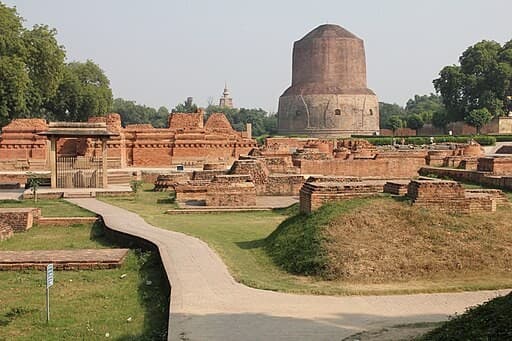
7.Sarnath Buddhist Heritage Site (Buddhist Heritage)

Indian Express
Illustration for Sarnath Buddhist Heritage Site (Buddhist Heritage)

What & Where

Sarnath – Buddhist pilgrimage centre ≈10 km northeast of Varanasi, Uttar Pradesh.

Site of Gautama Buddha’s first sermon (Dhammachakkappavattana Sutta), birth-place of Buddhist Sangha.

One of four supreme Buddhist sites, with Lumbini, Bodh Gaya, Kushinagara.

Quick Facts for MCQs

Historical Timeline

  • Ashokan-era patronage built stupas, pillar, monasteries.
  • Kushana–Gupta phases expanded vihara complex, art schools.
  • 12th-century sack emptied monasteries, seven-century abandonment.

Archaeological Milestones

  • 1787-88 unearthing of Buddha images sparked scholarly interest.
  • 1835-36 Alexander Cunningham confirmed sermon location.
  • 1904-05 Oertel excavation formalised 476 artefacts, 41 Brahmi, Gupta inscriptions.

Key Structures

  • Dhamek Stupa marks sermon spot; 43.6 m high, 28 m diameter.
  • Ashokan Lion Capital originally atop pillar—polished sandstone, four lions.
  • Vihara ruins signify organised monastic life, residential cells.

Conservation & Recognition

  • Archaeological Survey of India plans plaque restoring credit to Jagat Singh.
  • ASI maintains on UNESCO tentative list since 1998; formal dossier submitted 2024.
  • Sarnath Archaeological Museum preserves sculptures, earliest Buddha images in Gupta style.

Key Data Points

FeatureData-Point
UNESCO statusIndia’s 2025-26 World Heritage nomination
Ancient namesMrigadava, Rishipattana
Earliest patronEmperor Ashoka 268-232 BCE
Iconic pillarAshokan Lion Capital (India’s emblem)
Main stupaDhamek Stupa, cylindrical stone
Flourishing dynastiesKushana & Gupta, 1st–6th CE
Destruction eventSack circa 1193 CE, post-Aibek raids
Rediscovery agentBabu Jagat Singh workers, 1787-88
First British reportJonathan Duncan, 1799
Scientific digsF. Oertel 1904-05; 476 artefacts, 41 inscriptions
Distance from Kashi≈10 km NE
Museum richesSeated Buddha in Dharmachakra Mudra, inscriptions

Related UPSC Prelims PYQs

CAPF_GAI, GS1 1998PYQ 1

Which of the following pairs are correctly matched?

CAPF_GAI, GS1 2023PYQ 2

Consider the following observations about the largest stupa at Sanchi:

GS-1Environment

8.Himalayan Flood and Landslide Vulnerability (Flood & Landslides)

Indian Express

What & Where

Himalaya: Uttarakhand, Himachal, Sikkim, J & K repeatedly hit by flash-floods, landslides, GLOFs.

Geology: Steep, young, fractured mountains with thin soil accelerate runoff and slope failure.

2025 Monsoon: Northwest received >30 % surplus rain, pushing rivers and hills to crisis levels.

Quick Facts for MCQs

Physical Factors

  • Gradient: Steep slopes speed runoff; valleys funnel flow, raising erosive energy.
  • Lithology: Fractured, weathered rock mass easily dislodged, nurturing frequent landslides.
  • Soil: Thin, weak mountain soils lack deep roots; wash away rapidly.

Climate Change

  • Rainfall: Warmer air holds more moisture, intensifying cloudbursts and flash floods.
  • Cryosphere: Glacier retreat creates moraine-dammed lakes, risking GLOFs downstream.
  • Permafrost: Thaw loosens high-altitude slopes, triggering rockfalls and debris flows.

Anthropogenic Drivers

  • Construction: Road-cutting and slope buildings block drainage, destabilise terrain.
  • Vegetation loss: Deforestation, overgrazing strip binding roots, heightening erosion.
  • Joshimath 2023: Subsidence exemplified unchecked hill urbanisation hazards.

Legal & Policy

  • NDMA: Flood Management Plans, flood-plain zoning, IWRM mandatory for all agencies.
  • Landslides: Hazard-zonation maps, rainfall-threshold early-warning, community capacity building prescribed.
  • Building Codes: Updated BIS hill standards and carrying-capacity studies enforced in mountain zones.

Mitigation Tools

  • Eco-based: Afforestation, contour trenches, check dams slow runoff, trap sediment.
  • Engineering: Rock bolts, soil nails, debris-flow barriers stabilise slopes and roads.
  • Finance: Parametric insurance plus dedicated DRR budgets ensure rapid post-disaster payouts.

Key Data Points

FeatureData-Point
Seasonal rain surplus (NW, Jun–Sep 2025)>30 %
Moisture increase per 1 °C warming≈7 %
South Lhonak GLOF occurrence2023
Chungthang hydropower damage₹16,000 crore
Uttarakhand forest fires (Nov 22–Jun 23)5,351 incidents
Landslide mapping scales1 : 50k–25k & 1 : 10k

Related UPSC Prelims PYQs

CDS_GK, NDA_GAT 2022PYQ 1

Consider the following features about a geographical phenomenon:

CDS_GK, NDA_GAT 2024PYQ 2

ISRO, in its studies, has revealed that there is a 178% increase in the size of the Gepang Ghat Glacial Lake. In which of the following States/UTs is this lake located?

GS-3Environment

9.Periyar Tiger Reserve Ecotourism (Tiger Reserve)

The Hindu
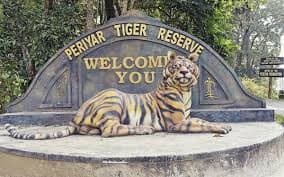
Illustration for Periyar Tiger Reserve Ecotourism (Tiger Reserve)

What & Where

Protected area & Project Tiger Reserve in Cardamom and Pandalam Hills, Southern Western Ghats, Kerala.

Covers Idukki, Kottayam, Pathanamthitta districts; part of UNESCO Western Ghats World Heritage serial site.

Declared wildlife sanctuary 1950; became India’s 10th Tiger Reserve 1978; showcases Periyar participatory conservation model.

Quick Facts for MCQs

Legal & Policy

  • Audit finding: Kerala Finance Inspection Wing cited unauthorised diversion of tourism receipts to Park Welfare Fund, contravening government financial rules.
  • Project Tiger: Reserve notified 1978, governed by NTCA guidelines, funding shared Centre-State 60:40 for Kerala.
  • Assessment: NTCA’s Management Effectiveness 2022 ranked Periyar “Best Managed”, indicating compliance in protection, habitat and stakeholder engagement.

Social Engagement

  • Ecodevelopment Committees 81 involve ex-poachers, local tribes, drive eco-tourism, anti-poaching, livelihood projects.
  • Vasanthasena all-women group conducts sandalwood patrols, litter removal, emblematic of gender-inclusive conservation.
  • Urali tribes cultivate organic pepper, export income supplements conservation-dependent livelihoods.

Tech & Schemes

  • M-STrIPES smartphone app logs patrolling routes, wildlife sightings, ecological data, enabling evidence-based management.
  • Periyar Sniffers dog squad tracks wildlife crimes, complements VIPER special task-force rapid response.
  • Climate-resilient farming schemes support buffer-zone tribals, reduce resource extraction pressure on core habitat.

Biodiversity

  • Flagship species include Bengal Tiger, Asian Elephant, Gaur, Leopard, Wild Dog, indicating apex predator survival.
  • Ichthyofauna richness: 7 endemic fish species, reflects freshwater ecosystem integrity within reserve.
  • Three unique endemic plants underscore Western Ghats hotspot value, necessitate strict habitat protection.

Key Data Points

FeatureData-Point
Year wildlife sanctuary1950
Tiger Reserve order10th (1978)
HillsCardamom & Pandalam
Districts coveredIdukki, Kottayam, Pathanamthitta
UNESCO statusWestern Ghats serial WH site
NTCA award year2022
Title receivedBest Managed Tiger Reserve
Ecodevelopment Committees81
Endemic fish species7
Endemic plant species3
Women patrol groupVasanthasena
Patrolling appM-STrIPES
Anti-poaching unitVIPER & Periyar Sniffers

Related UPSC Prelims PYQs

GS1 2007PYQ 1

Which one of the following is also known as Top Slip?

GS1 2019PYQ 2

Which of the following are in Agasthyamalai Biosphere Reserve?

GS-3S&T

10.Meta Ray-Ban AR Smart Glasses (Augmented Reality)

BT
Illustration for Meta Ray-Ban AR Smart Glasses (Augmented Reality)

What & Where

Device: Ray-Ban smart glasses with in-built AR micro-display, wearable like regular eyewear

Process: Projects digital overlays via right-lens HUD, sensors map surroundings, phone link renders content

Geography: Unveiled by Meta (USA) at Meta Connect 2025, first mainstream display-equipped AR glasses since Google Glass

Quick Facts for MCQs

Technical Specs

  • Sensors: Cameras plus environment sensors enable context-aware overlays
  • Processor: On-board chip renders AR content in real time without visible lag
  • Charging: Glasses dock into pocketable case for on-the-go top-ups

Use Cases

  • Navigation: Turn-by-turn walking directions, landmark information on lens
  • Communication: Live captions, language translation, hands-free video calls
  • Fitness: Real-time pace, heart-rate metrics via Garmin integration

Risks & Constraints

  • Battery: Heavy AR usage drains in ~6 hours, necessitating frequent case charges
  • Privacy: Public camera use and continuous sensing raise surveillance, consent worries
  • Safety: Visual overlays may distract users, unsafe while driving or high-risk tasks

Key Data Points

FeatureData-Point
Display locationInside right lens, below eye-line
Display typeMicro-LED HUD
Primary controlsTouch panel, voice, neural wristband
Camera indicatorLED lights up when active
Active battery life≈ 6 hours
Case endurance≈ 30 hours extra
ConnectivityBluetooth tether to smartphone
AI layerMeta AI chatbot, multimodal
Media sharingWhatsApp, Instagram, Messenger
Launch year2025
GS-3S&TQuick Bite

11.Aquamonitrix Portable Ion Chromatograph (Ion Chromatography)

The Hindu

What & Where

Ion chromatography: liquid sample pushed through resin column to separate charged species

Aquamonitrix: portable battery-run ion chromatograph analysing nitrate & nitrite on-site

Origin: Developed by Australian researchers; deployable in soil, water, classroom globally

Quick Facts for MCQs

Technological Design

  • Miniaturisation: integrated pump, column, UV detector in handheld unit
  • Selectivity: distinct peaks avoid interference from other ions
  • Power: battery operation enables remote field measurements

Environmental & Agricultural Use

  • Pollution tracking: measures nitrate/nitrite pollution in soil and water in real time
  • Fertiliser management: guides optimal nitrogen application, preventing overuse
  • Drinking water: quick on-site testing for safety compliance

Pedagogical Tool

  • Classroom integration: connects textbook ion-separation concepts to live data
  • Affordability: lower cost suits school laboratory budgets
  • Engagement: hands-on sampling increases student understanding of environmental chemistry

Key Data Points

FeatureData-Point
Device nameAquamonitrix
TechniqueIon chromatography
PortabilityHandheld, battery-operated
Cost≈ 10 × cheaper than lab IC
DetectorUV light, distinct peaks
Carrier solutionSodium chloride
Primary analytesNitrate, nitrite
Developer countryAustralia
Sample intakeVacuum-extracted, filtered
Key usesEnvironment, agriculture, water safety, education
GS-2SchemeQuick Bite

12.PM Vishwakarma Scheme Overview (PM Vishwakarma)

PIB

What & Where

PM Vishwakarma Scheme; Central Sector support for traditional artisans & craftspeople in 18 manual/tool trades.

Implemented jointly by MSME, Skill Development & Finance ministries; pan-India coverage.

Mega conclave held at Bodh Gaya, Bihar on 2nd anniversary (17 Sep 2025).

Quick Facts for MCQs

Legal & Policy

  • Eligibility mandates unorganised-sector, self-employed artisans actively working during registration.
  • Exclusion filters avoid overlap with recent credit schemes, improving fiscal targeting.
  • Central Sector tag implies 100 % Union funding, direct oversight.

Economic Angle

  • Collateral-free loans enhance micro-enterprise liquidity without banking apprehensions.
  • Toolkit grants lower capital barriers, encouraging productivity upgrades.
  • Conclave platforms may catalyse market linkages and vendor registrations.

Social Impact

  • Skill training for 23 lakh elevates livelihood security and upskilling.
  • Focus on manual, hereditary trades preserves intangible cultural heritage.
  • SC-ST Hub integration strengthens inclusivity and affirmative action outcomes.

Key Data Points

FeatureData-Point
Launch date17 Sep 2023
Scheme categoryCentral Sector
Eligible trades18 traditional (e.g., Carpenter, Goldsmith)
Age criterion≥ 18 years
Loan nature₹4,100 cr collateral-free disbursed
Toolkit distribution8 lakh toolkits
Skill training23 lakh beneficiaries
Recent exclusion windowPrior similar loan within 5 years
2nd-anniversary venueBodh Gaya, Bihar
Key ministriesMSME, Skill Development, Finance
GS-1Social Issues

13.De-notified and Nomadic Tribes Welfare (De-notified Tribes)

The Hindu
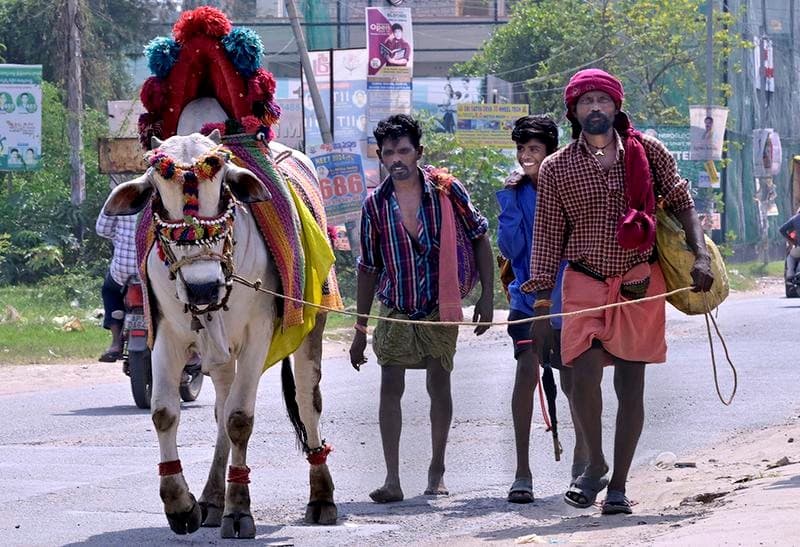
Illustration for De-notified and Nomadic Tribes Welfare (De-notified Tribes)

What & Where

De-notified Tribes: communities once criminalised under 1871 Act, legally freed in 1952

Nomadic & Semi-Nomadic Tribes: livelihoods based on seasonal/continuous migration across India

Present in all states; ~10 % of population, 150 DNT and ≈500 nomadic groups

Quick Facts for MCQs

Historical Timeline

  • 1871 Criminal Tribes Act labelled ~200 communities criminal, restricting movement
  • 1952 repeal de-notified communities, ending formal criminal status
  • 2008 Renke and 2017 Idate commissions mapped marginalisation, urged dedicated mechanism

Institutional Setup

  • DWBDNC gazetted 21 Feb 2019 under MoSJ&E as advisory facilitative board
  • Composition includes Secretary MoSJ&E, Tribal Affairs, School Education reps, five nominated experts
  • Board now seeks permanent commission status, own staff, budget and financial powers

Policy & Programmes

  • Mandate advising legal recognition, sub-categorisation, certificates for DNT/NT/SNT
  • Oversees SEED, Dr Ambedkar scholarships, hostels, skill training and livelihood initiatives
  • Coordinates surveys, land allotment, housing and education parity with states

Key Data Points

FeatureData-Point
Criminal Tribes Act enacted1871
Act repealed1952
DNT/NT/SNT population share~10 % (~13 crore)
Renke Commission year2008
Idate Commission year2017
Groups identified by Idate≈1,200
Unclassified groups269
DWBDNC formation21 Feb 2019
Parent ministrySocial Justice & Empowerment
Ex-officio chairpersonSecretary, MoSJ&E

Related UPSC Prelims PYQs

GEO_GS, GS1 1996PYQ 1

In the Indian context the term De-notified tribes refers to

GEO_GS, GS1 2020PYQ 2

Which one of the following was NOT a feature of Criminal Tribes Act, 1871?

Ready to practice?

Test your knowledge with our UPSC test series.

Start Free Trial