Editorial
1.Political Interference in Governance (Civil Service Ethics)
DHPolitical interference · Civil services · Constitutional morality
What & Where
Definition: Political interference = undue influence by elected actors over civil-service decisions, eroding neutrality and legality
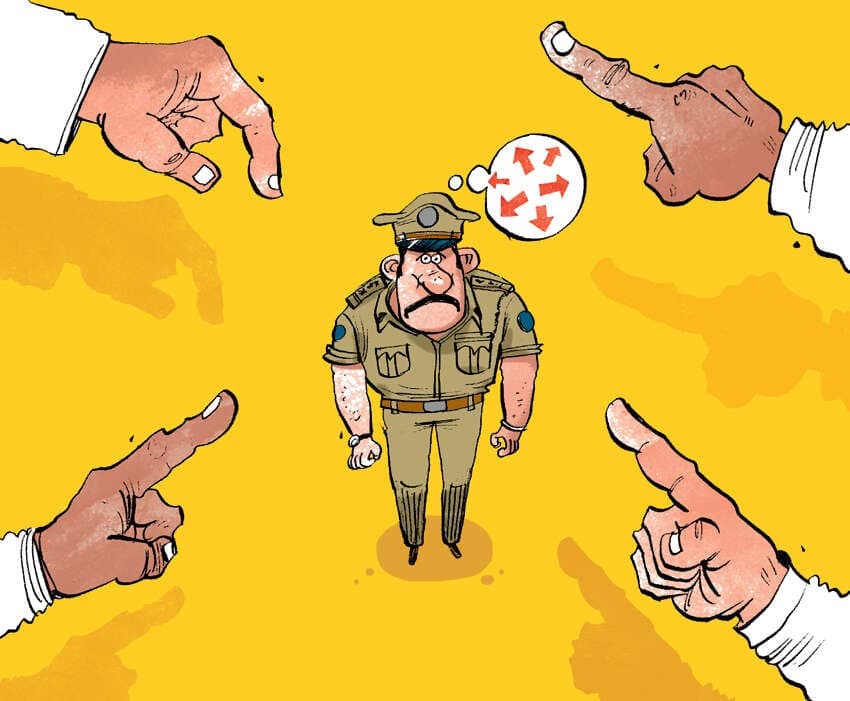
Current flashpoint: Solapur, Maharashtra anti-illegal excavation raid; Deputy CM’s phone rebuke to IPS officer
Manifestations: pressure to halt enforcement, patronage postings, transfer threats, populist short-term orders
Quick Facts for MCQs
Ethical Concerns
- Violation: constitutional morality, impartiality, gender dignity
- Fallout: public trust erosion, officer demoralisation, accountability dilution
- Conflict: party loyalty versus duty to citizens
Philosophical Roots
- Plato: philosopher-king ideal opposes partisan coercion
- Aristotle: rule of law priority over rule of men
- Kant: duty ethics breached when officials used as partisan means
Institutional Challenges
- Weak safeguards: oral orders lack statutory bar
- Transfer culture: frequent moves reward pliability over merit
- Civil Services Boards: limited autonomy, cannot shield against ministers
Reform Path
- Fixed tenure: ARC-recommended security via empowered Boards
- Legal armour: statutory backing to refuse illegal or verbal directions
- Political code: enforceable ethics charter, media-led citizen vigilance
Key Data Points
| Feature | Data-Point |
|---|---|
| Average civil-service tenure (ARC) | < 16 months |
| Constitutional value hit | Article 14 – equality before law |
| 2nd ARC warning | Politicisation is “greatest threat to probity” |
| Recent incident district | Solapur, Maharashtra |
| Guiding Weberian norm | Bureaucratic neutrality & rational-legal authority |
Related UPSC Prelims PYQs
CDS_GK, GS1 2020PYQ 1
In the context of India, which one of the following is the characteristic appropriate for bureaucracy ?
CDS_GK, GS1 2020PYQ 2
निम्नलिखित में से कौन-सी अधिकार-पृच्छा का आदेश (को वारंटो रिट) जारी करने की आवश्यक शर्त नहीं है?