UPSC Current Affairs

15 topicsGS-1: 4GS-2: 3GS-3: 8
0/15 done
GS-2Polity

1.National Sports Governance Bill 2025 (Sports Governance)

Economic Times
Illustration for National Sports Governance Bill 2025 (Sports Governance)

What & Where

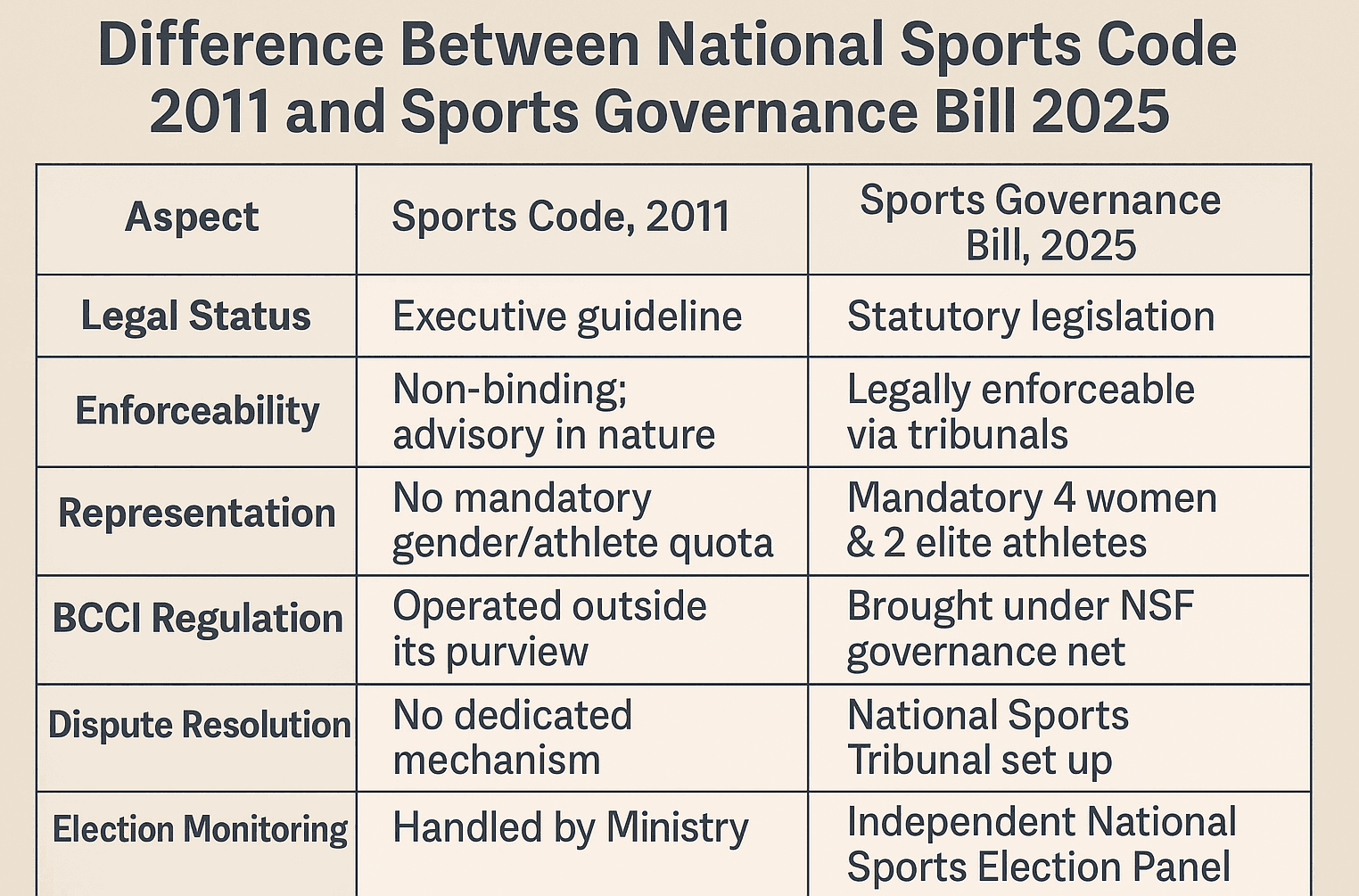
National Sports Governance Bill, 2025: Central legislation to replace 2011 Sports Code with binding law.

Introduced in Lok Sabha; covers all National Sports Federations, including BCCI, across India.

Seeks athlete-centric, transparent, accountable sports administration framework.

Quick Facts for MCQs

Legal & Policy

  • Binding law converts voluntary 2011 Sports Code norms into enforceable provisions.
  • Litigation bar channels all federation disputes exclusively to National Sports Tribunal.
  • Annual recognition mechanism tightens Union oversight on federations.

Institutional Setup

  • National Sports Board monitors compliance, funding, sanctions.
  • National Sports Tribunal provides fast-track arbitration, mediation, appeals.
  • National Sports Election Panel certifies voter lists, audits poll processes.

Representation & Tenure

  • Gender mandate inserts minimum four women in every NSF executive.
  • Athlete voice ensured through two elite players on governing bodies.
  • Term limits curb entrenched leadership, with 70-year age cap.

Key Data Points

FeatureData-Point
Legal natureParliamentary Act (replaces executive Sports Code)
Oversight bodyNational Sports Board
Dispute forumNational Sports Tribunal; court bar for NSFs
Election monitorNational Sports Election Panel
BCCI statusRecognised as NSF; annual recognition compulsory
Executive quota≥ 4 women + 2 elite athletes
Age ceiling70 years for officials
Tenure rule3 consecutive terms × 4 yrs; 1-term cooling-off
Safe SportStatutory protocols and internal grievance cells
Court litigationDirect suits by NSFs/BCCI prohibited
GS-3Editorial

2.India's Critical Minerals Strategy (Critical Minerals)

Indian Express
Illustration for India's Critical Minerals Strategy (Critical Minerals)

What & Where

Critical minerals: supply-risk elements (lithium, cobalt, REEs, graphite, nickel, silicon) indispensable for EVs, solar, wind, semiconductors, defence.

Geography: India fully import-dependent; China holds 70-90 % global mid-stream processing capacity.

Institution: National Critical Mineral Mission, 2024, Ministry of Mines—exploration, refining, strategic reserves.

Quick Facts for MCQs

Legal & Policy

  • MMDR amendment enables competitive auctions; initial rounds drew limited private interest.
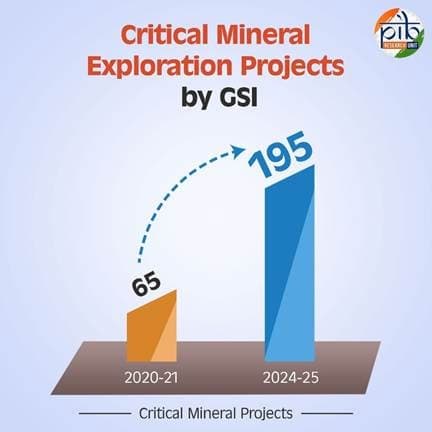
  • GSI capability upgrade, viability-gap funding proposed to de-risk early exploration.
  • PLI-style incentives eyed for dedicated mineral processing zones.

Industrial Needs

  • EV, solar, electronics PLI schemes require assured lithium, graphite, silicon feedstock.
  • Defence systems rely on REE magnets for navigation, missiles, surveillance.
  • Tech sovereignty goal: secure minerals underpinning telecom, AI, semiconductors.

International Axis

  • Mineral Security Partnership with US, Australia; bilateral MoUs with Argentina, Bolivia for lithium.
  • Engagement through Quad, G20, BRICS to diversify supply, pursue friend-shoring.
  • Objective: curtail China-centric dependence, boost Indo-Pacific leverage.

ESG & Tribal

  • Many blocks overlap eco-sensitive, tribal belts, inviting protest and litigation.
  • Mandated ESG audits, community benefit-sharing to fast-track yet safeguard mining.
  • Compliance lapses risk environmental penalties and delayed clearances.

Circular Economy

  • Battery and e-waste recycling remains informal, fragmented, lacking collection centres.
  • Proposed tax breaks, subsidies for high-efficiency formal recyclers.
  • Goal: cut import reliance via domestic material recovery loops.

Key Data Points

FeatureData-Point
NCMM launch year2024
Admin ministryMines
MMDR amendment scopeAuction for 30 critical minerals
Auction rounds completed5
Planned exploration projects400 +
China share in processing70–90 %
India’s lithium-cobalt-REE import ratio100 %
Key partnership platformMineral Security Partnership

Related UPSC Prelims PYQs

CDS_GK, GS1 2025PYQ 1

Consider the following statements:

CDS_GK, GS1 2024PYQ 2

Recently the Government of India entered into an agreement for a lithium exploration and mining project with which one among the following countries?

GS-3EconomyQuick Bite

3.RBI Financial Inclusion Index 2025 (Financial Inclusion)

Indian Express

What & Where

RBI’s Financial Inclusion Index (FI-Index) gauges nationwide access, usage, quality of financial services.

Covers banking, investment, insurance, pension, postal sectors across India.

Released annually each July; scale 0 = exclusion, 100 = full inclusion.

Quick Facts for MCQs

Index Evolution

  • Rise: 43.4 → 53.9 (2017-21) → 67 (2025) shows steady inclusion gains.
  • No base year: index captures cumulative progress, not YoY rebasing.

Tech & Schemes

  • Digital initiatives credited for sharper access and usage improvements post-2021.
  • Sustained outreach under PMJDY, DBT, UPI accelerated account activity.

Social Concerns

  • Quality pillar embeds financial literacy drives and consumer-centred safeguards.
  • Equity focus aims balanced outreach across gender, geography, income bands.

Economic Angle

  • Deeper inclusion expected to boost savings mobilisation and formal credit penetration.
  • Index used by policymakers to target lagging districts and fine-tune subsidy delivery.

Key Data Points

FeatureData-Point
Latest score (Mar 2025)67.0
Previous score (Mar 2024)64.2
Launch year measured fromMar 2017
First recorded value (2017)43.4
Weight: Access35 %
Weight: Usage45 %
Weight: Quality20 %
Base yearNone
Publication monthJuly
Unique quality sub-itemsLiteracy, consumer protection, service equity

Related UPSC Prelims PYQs

ESE_GS, GS1 2022PYQ 1

Which one of the following is NOT important initiatives under EASE 4.0?

ESE_GS, GS1 2010PYQ 2

With reference to India, consider the following :

GS-1History

4.Paika Rebellion 1817 Uprising (Early Revolts)

IT
Illustration for Paika Rebellion 1817 Uprising (Early Revolts)

What & Where

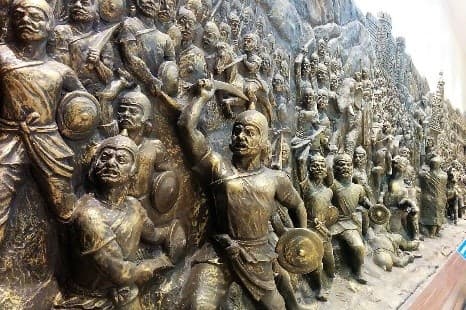
Paika Rebellion (1817): armed uprising of Paika militia, peasants & tribals against East India Company rule.

Core geography: Khurda district; quickly spread to Puri, Banpur, Ghumusar and adjoining tribal hills of present-day Odisha.

Led by Bakshi Jagabandhu, ex-commander of Khurda king; Paikas = hereditary warrior-landholders earlier enjoying rent-free jagirs.

Quick Facts for MCQs

Economic Grievances

  • Land revenue reforms cancelled hereditary jagirs, turning Paikas into taxed tenants.
  • New currency & tax demands strained agrarian economy of coastal-hill interface.
  • Salt monopoly cut customary income sources of hill communities.

Social & Leadership

  • Leadership combined feudal elite (Bakshi Jagabandhu) and tribal-peasant masses.
  • Rejection of Odia kingship by Company galvanised regional identity.
  • Absentee Bengali zamindars’ pressure deepened tenant resentment.

Course & Strategy

  • Early attacks: Khurda treasury, Banpur police station, coastal trade routes.
  • Guerrilla warfare in forests/hills hampered Company troop movement for months.
  • Multi-district coordination without central command showcased proto-national mobilisation.

Outcome & Legacy

  • Revolt crushed; sporadic resistance lingered till late 1820s.
  • Became cultural motif in Odia literature, folk theatre & state politics.
  • NCERT’s recent textbook omission triggered new debate on regional historiography.

Key Data Points

FeatureData-Point
Year of outbreak1817
Main leaderBakshi Jagabandhu Bidyadhar
Colonial targetEast India Company rule in Odisha
Immediate triggerConfiscation of Paikas’ rent-free lands under new land settlement
Salt policy issueCompany monopoly curbed hill people’s salt trade
Key supporter tribeKondhs
Main tacticsGuerrilla raids + direct attacks on police posts & treasuries
British responseMartial suppression; Jagabandhu underground till negotiated surrender (1825)
Cultural symbolBarunei Fort of Khurda kings destroyed by British
Later claimProjected by Odisha govt as “First War of Independence”

Related UPSC Prelims PYQs

GS1 2020PYQ 1

With reference to the history of India, "Ulgulan" or the Great Tumult is the description of which of the following events?

GS-1HistoryQuick Bite

5.Chandra Shekhar Azad Birth Anniversary (Freedom Fighters)

PIB

What & Where

Revolutionary leader Chandra Shekhar Azad born 1906 Bhabhra village Madhya Pradesh

Shifted from Non-Cooperation to armed struggle heading HSRA military wing

Martyred 27 Feb 1931 Alfred Park Allahabad now Chandra Shekhar Azad Park

Quick Facts for MCQs

Early Life

  • Bhabhra hamlet renamed Chandrashekhar Azad Nagar
  • Non-Cooperation arrest gave self adopted title Azad meaning free
  • Disillusionment with 1922 movement withdrawal drove turn to militancy

Revolutionary Activities

  • HRA reorganised 1928 with socialism objective renamed HSRA
  • Azad commanded military wing overseeing training weapons planning
  • Collaborated with Bhagat Singh Rajguru in Saunders retaliation

Legacy

  • Alfred Park renamed Chandra Shekhar Azad Park Allahabad
  • Birth anniversary 23 July honoured annually by Prime Minister tributes
  • Ideals continue inspiring youth revolutionary zeal

Key Data Points

FeatureData-Point
Birth year1906
Birth nameChandra Shekhar Tiwari
Birth placeBhabhra village Jhabua MP
Joined Non-Cooperation1921 age 15
Key organisationHindustan Socialist Republican Association
Earlier nameHindustan Republican Army
Kakori train robbery1925
Saunders plot year1928 Lahore
Death date27 Feb 1931
Death siteAlfred Park Allahabad

Related UPSC Prelims PYQs

GEO_GS 2023PYQ 1

Who among the following revolutionaries founded the Hindustan Socialist Republican Army?

GS-1Mapping

6.United Kingdom Overview (World Geography)

Financial Express

What & Where

United Kingdom = England, Scotland, Wales, Northern Ireland; island nation NW of mainland Europe

Bordered by Atlantic, North Sea, Irish Sea, English Channel; only land border with Republic of Ireland

Capital London; terrain spans Ben Nevis highlands, Pennine spine, Thames–Severn lowlands

Quick Facts for MCQs

Physical Geography

  • Ben Nevis, Cambrian Mountains, Pennines shape climate, rivers
  • Thames vital for London trade; Severn largest tidal range; Clyde drove Glasgow shipbuilding

Political & Historical

  • Former colonial power; global linguistic-cultural imprint
  • First nation to exit EU under Brexit 2020
  • Founding member NATO, G7, Commonwealth, UNSC P-5

Economic Angle

  • India–UK bilateral trade already $20 bn+; FTA talks aim major uptick
  • UK financial hub status anchored in London; fintech, health, climate tech collaboration growing

Security Dimension

  • Extradition, extremism high on India–UK dialogue agenda
  • Partnership spans defence R&D, indigenisation, Indo-Pacific maritime security

Indo-UK Relations

  • 2021 roadmap covers trade, defence, innovation, clean energy
  • PM visits accelerate FTA, address diaspora, mobility agreements

Key Data Points

FeatureData-Point
CapitalLondon
Political systemParliamentary constitutional monarchy
Highest peakBen Nevis, 1,345 m
Longest riverSevern
Major riversThames, Clyde
Brexit year2020
UNSC statusPermanent member (P-5)
NATO membershipFounding 1949
Land borderOnly with Republic of Ireland
Comprehensive Strategic Partnership with India2021

Related UPSC Prelims PYQs

GS1 2005PYQ 1

Consider the following statements :

GS-3Environment

7.India Climate Goal Progress (Paris Commitments)

Indian Express
Illustration for India Climate Goal Progress (Paris Commitments)

What & Where

India’s Paris pledge: by 2030, 50% installed power from non-fossil, ­45% emission intensity, +2.5–3 bn t CO₂ sink.

Geography: entire Indian power sector; forests/trees nationwide as carbon sinks.

Processes: rapid solar-wind rollout, hydro & nuclear retention, afforestation under ISFR monitoring.

Quick Facts for MCQs

Achievements

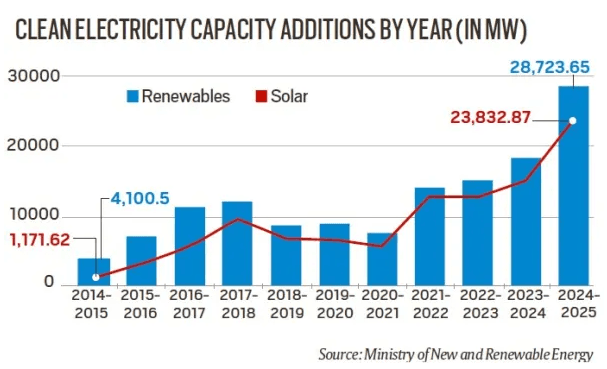
  • Landmark: 50% non-fossil capacity reached five years early, boosting global credibility.
  • Trend: Sink likely to cross 2.5 bn t by 2023, nearly meeting forestry target.
  • Confidence: Current trajectory suggests 45% intensity cut achievable before 2030.

Sectoral Gaps

  • Disparity: Transport, industry, cooking still dominated by coal, oil, gas.
  • Intermittency: Solar-wind weather dependence limits round-the-clock supply.
  • Benchmark: China adding renewables ~10× faster, widening capability gap.

Roadmap

  • Diversify: Push EVs, green hydrogen, clean biomass beyond power sector.
  • Stabilise: Accelerate nuclear & large hydro for base-load reliability.
  • Finance: Seek concessional climate funds; develop regulated domestic carbon market.

Key Data Points

FeatureData-Point
Total installed power (2024)484.82 GW
Non-fossil installed share50%+ (242.78 GW)
Renewable addition 202430 GW; solar 24 GW
Carbon sink added till 20212.29 bn t CO₂-eq
Annual sink increment≈150 Mt CO₂-eq
Emission intensity cut by 202036% vs 2005
Target emission cut 203045%
Non-fossil share in actual generation28%
Electricity share in India’s energy use<22%
Clean energy in total consumption≈6%

Related UPSC Prelims PYQs

CAPF_GAI, GEO_GS 2025PYQ 1

India’s key climate targets include

CAPF_GAI, GEO_GS 2020PYQ 2

India has committed to reduce emission intensity of its GDP from 2005 levels by 33-35 per cent by the year:

GS-3Environment

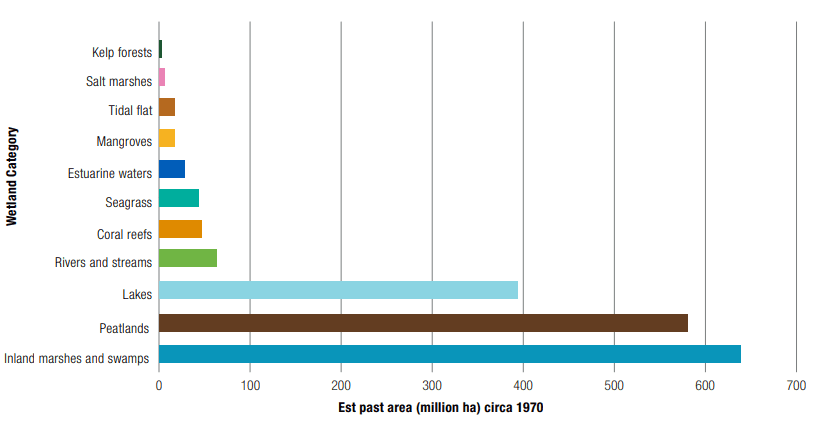
8.Global Wetland Outlook 2025 Findings (Wetland Conservation)

GWO
Illustration for Global Wetland Outlook 2025 Findings (Wetland Conservation)

What & Where

Water-saturated transition ecosystems where land stays permanently/seasonally inundated, hosting specialised soils and biota

Key types: marshes, swamps, bogs, peatlands, mangroves, estuaries, lake margins

Global Wetland Outlook 2025 by Ramsar Convention maps status, warning of rapid worldwide loss

Quick Facts for MCQs

Status & Trends

  • Loss: >35% area gone, disappearing thrice quicker than forests
  • Biodiversity: wetland vertebrate populations down >80% since 1970
  • Climate: Rising heat, erratic rains accelerate drying and salinisation

Ecosystem Services

  • Flood-buffer: Wetlands like Kolleru absorb monsoon surges, lowering downstream damage
  • Carbon: Peatlands sequester high-density CO₂, supporting India net-zero 2070 pathway
  • Livelihood: Fisheries, agriculture, tourism sustain ~1 billion people worldwide

India Angle

  • Stress: Keoladeo, Chilika, Bellandur suffer pollution, encroachment, altered inflows
  • Over-extraction: Ganga plain wetlands shrinking due to intensive groundwater withdrawal
  • Governance: Multiple ministries share mandates; coordination gaps hinder conservation

Governance & Policy

  • Proposal: Central Wetland Authority under MoEFCC for unified oversight
  • Law update: Extend Wetland Rules 2017 to small, seasonal and urban sites
  • Tech: AI-enabled remote sensing recommended for real-time mapping and monitoring

Key Data Points

FeatureData-Point
Report issuerRamsar Convention
EditionGlobal Wetland Outlook 2025
Wetland loss since 1970>35%
Relative loss speed3× faster than forests
Species population fall 1970-2022>80%
Peatland area share3% Earth surface
Peatland carbon store30% global soil carbon
Degradation via agriculture/water≈50% wetlands
People depending~1 billion
Indian Ramsar sites stressed19

Related UPSC Prelims PYQs

CAPF_GAI, CDS_GK 2025PYQ 1

The Ramsar Convention is an intergovernmental treaty which provides the framework for national action and international cooperation for the conservation of

CAPF_GAI, CDS_GK 2022PYQ 2

The ‘Ramsar Convention’ relates to which one of the following areas?

GS-3EnvironmentQuick Bite

9.Hornbill Conservation Centre Anamalai (Hornbill Conservation)

The Hindu

What & Where

Centre of Excellence for Hornbill Conservation; India’s first; located in Anamalai Tiger Reserve, Tamil Nadu, Western Ghats.

Targets four Western Ghats hornbills: Great, Malabar Grey, Malabar Pied, Indian Grey.

Coverage will widen to Kalakkad-Mundanthurai TR, Sathyamangalam TR, and parts of Kanyakumari landscape.

Quick Facts for MCQs

Species Biology

  • Morphology: large curved bill, resonant booming calls, heavy wing-beats.
  • Breeding: cavity sealed with mud; male provisioning critical.
  • Diet: primarily frugivorous, aiding long-distance seed movement.

State Schemes

  • Tamil Nadu portfolio: Dugong Conservation Reserve, Nilgiri Tahr Project, Slender Loris Centre, AI-aided elephant monitoring.
  • Centre aligns with existing tiger-reserve infrastructure for multi-taxa management.
  • Expansion across three reserves ensures landscape-level connectivity.

Conservation Value

  • Keystone status: hornbill presence indicates intact, mature tropical forests.
  • Seed dispersal maintains forest composition, aids carbon sequestration.
  • Western Ghats: global biodiversity hotspot; hornbill loss risks cascade effects.

Key Data Points

FeatureData-Point
Establishing StateTamil Nadu
Host SiteAnamalai Tiger Reserve
India Rank1st hornbill-dedicated Centre of Excellence
Focus Species Count4 (Great, Malabar Grey, Malabar Pied, Indian Grey)
Total Hornbill Species in India9
Endemic Hornbill ExampleNarcondam Hornbill – Narcondam Island
Ecological Tag“Farmers of the forest” seed dispersers
Key Hornbill HabitFemale seals nest cavity; male feeds through slit

Related UPSC Prelims PYQs

GS1 2016PYQ 1

In which of the following regions of India are you “most likely” to come across the ‘Great Indian Hornbill’ in its natural habitat?

GS1 2017PYQ 2

From the ecological point of view, which one of the following assumes importance in being a good link between the Eastern Ghats and the Western Ghats ?

GS-3S&T

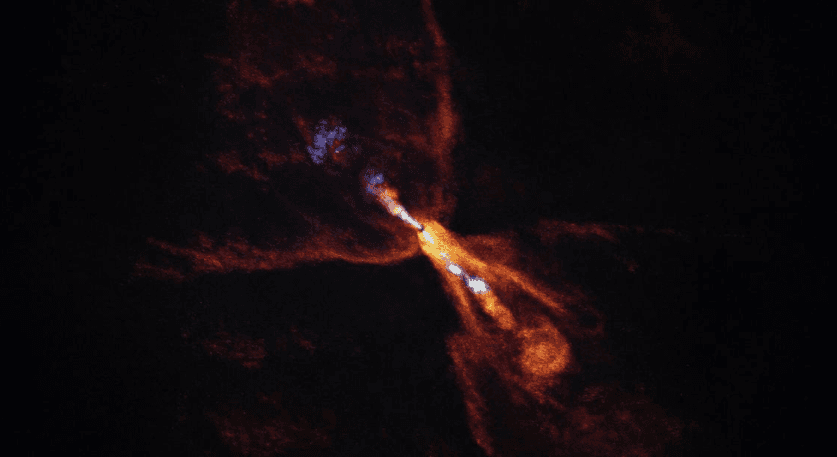
10.HOPS-315 Protostar Observation (Protostar Formation)

The Hindu
Illustration for HOPS-315 Protostar Observation (Protostar Formation)

What & Where

HOPS-315 : newborn protostar inside Orion molecular cloud, ~1350 ly from Earth.

Inner disc (≤2.2 AU) shows vapor-to-rock condensation of silicates, earliest rocky-planet stage.

Unique edge-on tilt lets JWST & ALMA probe normally hidden planet-forming region.

Quick Facts for MCQs

Observation Instruments

  • JWST mid-infrared spectra caught hot SiO emission, crystalline silicate signatures.
  • ALMA radio data mapped cooler gases, validated disc kinematics, ruled out shock outflows.
  • Disc inclination offered unobscured line-of-sight into inner 2 AU chemistry.

Condensation Chemistry

  • Dust vaporised at ~1300 K then nucleated into olivine-rich and pyroxene-rich crystals.
  • Process mirrors chondrule formation seen in primitive Solar System meteorites.
  • Absence of slow SiO indicates crystals lofted by warm disc atmosphere, not jets.

Astronomical Significance

  • Discovery pinpoints earliest solid-rock step in terrestrial planet assembly.
  • Provides empirical benchmark for protoplanetary disc models and exoplanet composition predictions.
  • Suggests rocky-planet chemistry may be universal across star-forming regions.

Key Data Points

FeatureData-Point
Telescopes usedJames Webb Space Telescope + ALMA
Emitted gas tracedSilicon monoxide (SiO)
SiO gas temperature~470 K
Vaporisation radius~1 AU from star
Re-condense mineralsForsterite, Enstatite, Silica
Crystallisation evidenceFirst direct in any extrasolar system
Cooler disc gas finderALMA molecular lines
Slow SiO absentConfirms crystals in disc, not outflow
GS-3S&T

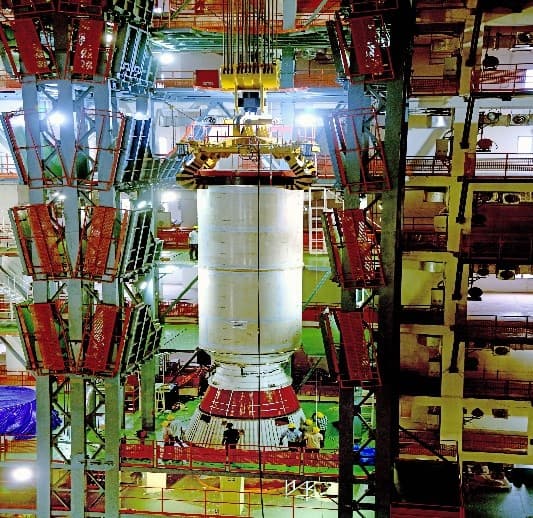
11.HLVM3 Human Rated Launch Vehicle (Human Spaceflight)

Hindustan Times
Illustration for HLVM3 Human Rated Launch Vehicle (Human Spaceflight)

What & Where

Human-Rated Launch Vehicle-Mk III (HLVM3) = modified LVM3/GSLV-Mk III to ferry Gaganyatris to Low Earth Orbit.

Developed by ISRO under Human Space Flight Centre; launch from Satish Dhawan Space Centre, Sriharikota.

Backbone for Gaganyaan, future Bharatiya Antariksha Station (2035) and Indian lunar landing (2040).

Quick Facts for MCQs

Tech & Schemes

  • HLVM3 ground-tested 2024; first Indian human spaceflight planned before decade-end.
  • CES operational from liftoff to orbital insertion, enabling abort at any ascent point.
  • Training facility, communication & recovery networks ready for crewed missions.

Safety Systems

  • Redundant avionics & sensors increase safety margins over standard LVM3.
  • Enhanced QA protocols align with international human-rating norms.
  • Fault-tolerant architecture ensures mission continuation after single-point failures.

Infrastructure

  • Launch pad modifications include crew access arm, escape tower clearance systems.
  • Naval assets earmarked for splash-down recovery in Bay of Bengal.
  • Continuous tracking via ISTRAC, Telemetry stations, and Indian NavIC satellites.

Future Plans

  • HLVM3 forms baseline launcher for modular Indian orbital station assembly.
  • Technology pathfinder for heavy-lift, deep-space human missions post-2040.

Key Data Points

FeatureData-Point
Stages3 : twin S200 solids + L110 liquid + C25 cryogenic
LEO Payload≈ 10 tonnes
Human-rating add-onsRedundancy, fault-tolerance, escape options, stricter QA
Crew Escape Motors5 types successfully tested
Crew Module statusRe-entry, parachute, thermal tests done
Service Module rolePower, propulsion, ECLSS support
DeveloperISRO; HSFC guidance
Launch siteSDSC, Sriharikota (modified pad)
Control facilityDedicated Gaganyaan Control Centre, Bengaluru
Long-term targetsSpace station 2035; Moon landing 2040

Related UPSC Prelims PYQs

CDS_GK, GS1 2022PYQ 1

India's maiden human space mission will be launched in 2023. What is its name?

CDS_GK, GS1 2018PYQ 2

भारत के उपग्रह प्रक्षेपित करने वाले वाहनों के संदर्भ में, निम्नलिखित कथनों पर विचार कीजिए :

GS-2Misc

12.United States Exits UNESCO Again (UNESCO Withdrawal)

The Hindu

What & Where

UNESCO: UN specialised agency advancing peace via education, science, culture

HQ Paris; founded 16 Nov 1945; 194 Member States, 12 Associate Members

US announced third withdrawal (completion by Dec 2026) alleging anti-Israel bias

Quick Facts for MCQs

Timeline

  • 1984: US left citing mismanagement and pro-Soviet tilt
  • 2017: US quit after Palestine admission, alleging anti-Israel bias
  • 2025: Trump II announced fresh withdrawal after 2023 reentry

Global Impact

  • Budget-gap: US non-payment jeopardises education, heritage, climate initiatives
  • Power-shift: Chinese influence likely to expand within UNESCO agenda-setting
  • Multilateralism: Repeated US exits undermine credibility of global institutions

India Angle

  • Opportunity: Greater say in heritage listings, AI ethics, South-South cooperation
  • Risk: Funding cuts threaten Nalanda, Sundarbans projects and education schemes
  • Constraint: Balancing rising Chinese clout may strain diplomatic and financial resources

Way Forward

  • Governance: Limit geopolitical influence; focus strictly on education, science, culture mandate
  • Finance: Adopt equitable diversified funding with hybrid assessed-voluntary contributions
  • Localisation: Expand South-South cooperation, strengthen regional offices, ensure transparent monitoring

Key Data Points

FeatureData-Point
HeadquartersParis, France
Founded16 Nov 1945
Member States194; Associate Members 12
India’s statusFounding member
Core SDG linkSDG-4 (inclusive lifelong learning)
US 1st exit1984, Reagan administration
US 2nd exit2017, Trump I
US rejoinedJul 2023, Biden administration
Planned 3rd exitBy Dec 2026, Trump II

Related UPSC Prelims PYQs

CDS_GK 2024PYQ 1

निम्नलिखित में से किस संयुक्त राष्ट्र (UN) संगठन को नोबेल पुरस्कार से समानित नहीं किया गया है?

GS-3SecurityQuick Bite

13.Bharat NCX 2025 Cybersecurity Exercise (Cybersecurity Exercise)

PIB

What & Where

Bharat NCX 2025: national-level cyber-security exercise, 21 Jul–1 Aug 2025, pan-India virtual & physical nodes

Simulates critical-infra breaches, deepfakes, AI-driven malware to test operational readiness

Conducted by National Security Council Secretariat with Rashtriya Raksha University, headquartered Gandhinagar

Quick Facts for MCQs

Organisational Set-Up

  • NSCS provides policy oversight; RRU supplies research, training infrastructure
  • Multi-tier participation: government CERTs, defence, PSUs, finance, energy sectors
  • Senior leadership, CISOs, startups integrated into same exercise framework

Capacity Building

  • STRATEX hones high-level crisis decisions, chain-of-command clarity
  • CISO Conclave shares emerging threat intel, compliance frameworks
  • Startups gain test-bed to validate indigenous tools, fostering Atmanirbhar cyber ecosystem

Security Dimension

  • Scenarios include deepfake disinformation, AI-powered malware, supply-chain compromise
  • Focus on protecting critical infrastructure—power, telecom, banking grids
  • Metrics collected to refine national cyber incident response protocols

Key Data Points

FeatureData-Point
Full NameBharat National Cybersecurity Exercise 2025
ThemeEnhancing the Operational Preparedness of Indian Cyberspace
Duration21 July – 1 August 2025 (12 days)
Core OrganiserNational Security Council Secretariat (NSCS)
Academic PartnerRashtriya Raksha University (RRU)
Flagship SimulationReal-world cyber-attack scenarios on critical infrastructure
Leadership DrillSTRATEX – Strategic Decision-Making Exercise
Stakeholder ForumChief Information Security Officers (CISO) Conclave
Innovation ShowcaseCybersecurity Startup Exhibition
Primary GoalStrengthen national cyber resilience & crisis response

Related UPSC Prelims PYQs

CAPF_GAI 2023PYQ 1

कवच-2023 (KAVACH-2023) के बारे में निम्नलिखित कथनों में से कौन-सा/कौन-से सही है/हैं?

CAPF_GAI 2022PYQ 2

भारतीय कंप्यूटर आपातकालीन प्रतिक्रिया दल (CERT-In) द्वारा जारी किए गए नवीनतम दिशानिर्देशों के संदर्भ में निम्नलिखित कथनों पर विचार कीजिए:

GS-2Scheme

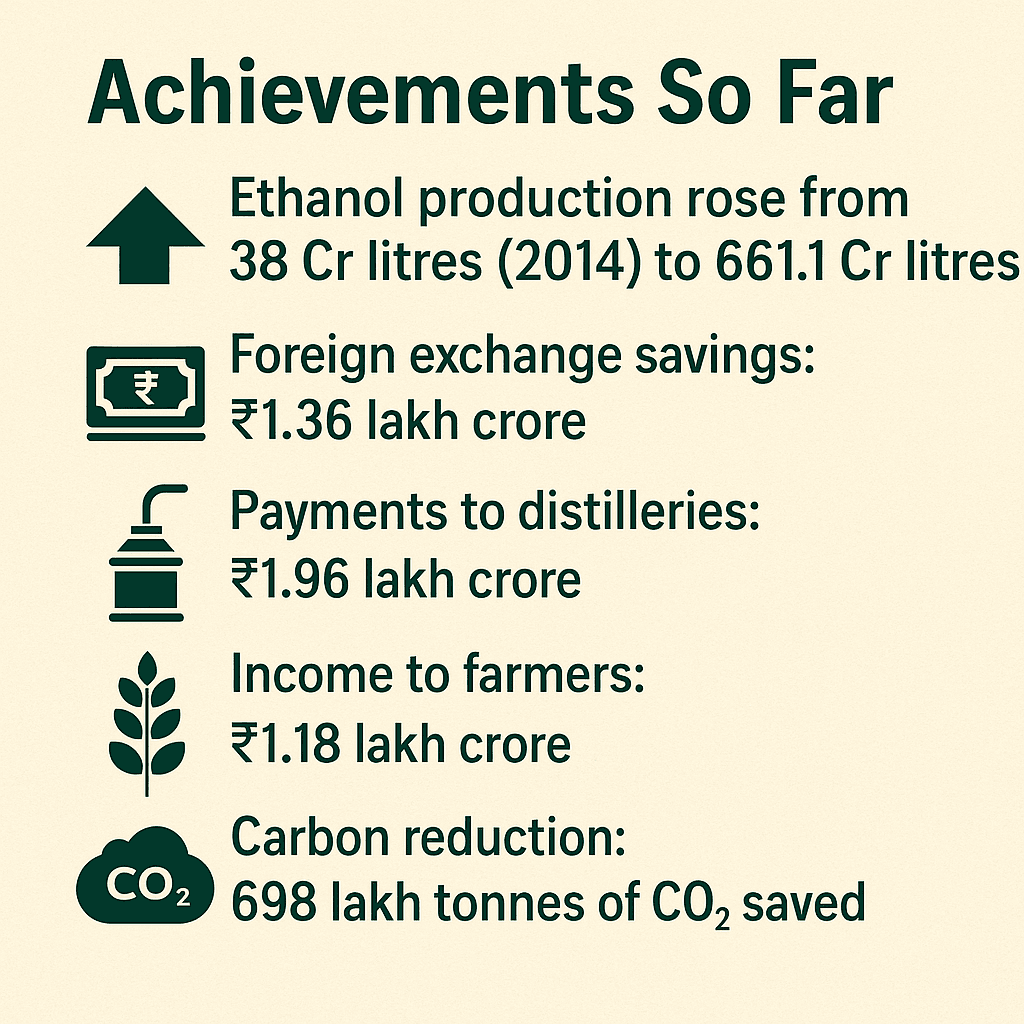
14.Ethanol Blended Petrol Programme Milestone (Ethanol Blending)

News on Air
Illustration for Ethanol Blended Petrol Programme Milestone (Ethanol Blending)

What & Where

Programme: Ethanol Blended Petrol (EBP) blends anhydrous ethanol with motor spirit across India’s retail fuel network.

Custodian: Ministry of Petroleum & Natural Gas; coordination with Food Processing & Agriculture ministries.

Feedstock Geography: Sugarcane belts (UP, Maharashtra, Karnataka) + grain-surplus states supply molasses, juice & damaged grains.

Quick Facts for MCQs

Legal & Policy

  • Policy anchor: National Policy on Biofuels 2018 sets blending targets, feedstock hierarchy.
  • Regulation: BIS prescribes E20 fuel specifications for vehicle compatibility.
  • Roadmap: NITI Aayog’s 2021 Ethanol Roadmap sequences E10→E20 transition nationwide.

Economic Angle

  • Forex saving: Reduced crude imports lowers bill ~USD 4 bn at full E20 scale.
  • Rural boost: Additional distilleries create jobs, stabilise sugar & grain prices.
  • Price support: Government-set ethanol rates shield mills from market volatility.

Environmental Impact

  • Emission cut: E20 lowers CO₂ up to 10%, CO & HC up to 20% versus neat petrol.
  • Urban air: Blending curbs particulate precursors, aiding NCAP city targets.
  • Climate pledge: Contributes to India’s NDC of 45% emission intensity reduction by 2030.

Tech & Schemes

  • Infrastructure: Dedicated ethanol pipelines, storage tanks funded under OMC CAPEX plans.
  • Vehicle readiness: Flex-fuel compatible two-wheelers launched; phased compliance for cars by 2027.
  • SATAT: Pushes compressed biogas; distillery by-products routed for CBG generation.

Key Data Points

FeatureData-Point
Launch year2003
Implementing ministryPetroleum & Natural Gas
Original E20 deadline2030 (National Policy on Biofuels 2018)
Actual E20 achievement2025 (5 yrs early)
Core objectivesImport cut, farmer income, emission reduction
Main feedstocksSugarcane juice, B-heavy molasses, broken/damaged grains
Ethanol buyersOMCs: IOC, BPCL, HPCL
Pricing regimePre-fixed procurement prices, revised annually
Supporting schemesSATAT, Production-Linked Incentive for biofuels
Latest policy tweakCabinet hiked ethanol prices for Supply Year 2024-25

Related UPSC Prelims PYQs

CAPF_GAI, ESE_GS 2021PYQ 1

E-100 pilot project, launched in Pune in June 2021, is related to the production and distribution of

CAPF_GAI, ESE_GS 2024PYQ 2

Consider the following statements about ethanol:

GS-1Editorial

15.Ending Manual Scavenging Challenges (Manual Scavenging)

The Hindu

What & Where

Definition : Manual scavenging—hand removal of human excreta from sewers, septic tanks, insanitary toilets in India

Process : Hazardous cleaning mainly without mechanised tools; suction pumps or robots missing in 90 % fatal cases

Geography : 84,902 sewer-and-septic workers mapped under NAMASTE across 36 States/UTs

Quick Facts for MCQs

Institutional Gaps

  • Awareness : Safety trainings largely absent or incomplete across agencies
  • Consent : Workers frequently sent underground without informed written consent of risks
  • Hiring : Predominant informal contracting denies security, benefits, accountability

Legal & Policy

  • Constitution : Practice violates Untouchability abolition and right to dignity provisions
  • SupremeCourt2023 : Ordered elimination, compensation scale, NALSA monitoring, public portal for deaths and payouts
  • Penalties : Sewer deaths to invite contract cancellation and culpable-homicide proceedings

Health & Safety

  • Exposure : High incidence of hepatitis, cholera, tetanus, asphyxiation from hydrogen sulphide
  • Mortality : 54 recorded deaths linked to absent mechanisation and protective gear
  • MentalHealth : Stigma, abuse, insecure pay trigger anxiety, depression, substance misuse

Tech & Schemes

  • Mechanisation : Bandicoot robot, jetting machines, vacuum trucks pushed via Safaimitra Suraksha & NAMASTE
  • Skilling : PM-DAKSH offers training for waste-management and machine operation roles
  • Screening : Proposal for routine health check-ups of sanitation workers in all Urban Local Bodies

Key Data Points

FeatureData-Point
Deaths analysed (2022-23)54 of 150 nationwide, in 8 States/UTs
Cases with zero safety gear90 % (49/54)
Core banning lawPEMSR Act 2013
SC compensation for death₹30 lakh
Compensation for disability₹10–20 lakh
NAMASTE worker count84,902
Toxic gas riskHydrogen sulphide
Constitutional breachArticles 17 & 21
Offence under SC/ST ActEmploying SCs in manual scavenging
Key robot mentionedBandicoot

Related UPSC Prelims PYQs

GS1 2016PYQ 1

'Rashtriya Garima Abhiyaan' is a national campaign to

Ready to practice?

Test your knowledge with our UPSC test series.

Start Free Trial