UPSC Current Affairs

16 topicsGS-1: 4GS-2: 5GS-3: 7
0/16 done
GS-2Polity

1.Press Council of India Overview (Statutory Media Body)

The Hindu

What & Where

Statutory, quasi-judicial body to preserve press freedom, created by Press Council Act, 1978

Operates across India; jurisdiction confined to newspapers and other print periodicals; HQ New Delhi

Structure includes Chairperson (ex-SC judge norm) + 28 members from Parliament, media, public bodies

Quick Facts for MCQs

Composition & Selection

  • Representation: 13 press bodies, 6 MPs, 7 public figures, 1 UGC nominee, 1 Bar Council
  • Qualification: Chair typically a retired SC judge or equivalent eminent jurist
  • Vacancy filling: Central Govt notification after consultative committee forms panel

Mandate & Functions

  • Independence: Safeguards press autonomy from external pressures
  • Standards: Frames journalistic code; promotes high public taste, citizen responsibility
  • Monitoring: Reviews events or legislation likely to restrict news flow

Powers & Limits

  • Inquiry: Can take suo-motu or complaint-based cases on ethical breaches
  • Evidence: May administer oath, compel records, summon individuals
  • Limitation: Lacks punitive authority; electronic, digital media outside remit

Legal Status

  • Classification: Non-constitutional, statutory body under Union list entry on newspapers
  • Judicial review: Decisions not justiciable, barring writs on natural justice grounds

Key Data Points

FeatureData-Point
Statutory basePress Council Act, 1978
NatureQuasi-judicial, autonomous
Total membership29 (Chairperson + 28)
Chair choosing panelLS Speaker, RS Chairman, one PCI-elected member
Tenure of members3 years
CoveragePrint media only
Key powerIssue warnings/admonitions; summon witnesses
Appellate scopePCI decisions final; no court appeal
Enforcement strengthAdvisory; no financial or penal sanctions

Related UPSC Prelims PYQs

GS1 2003PYQ 1

Which one of the following statements is correct?
GS-3Economy

2.Provisional GDP Estimates for FY 2025 (GDP Estimates)

Indian Express
Illustration for Provisional GDP Estimates for FY 2025 (GDP Estimates)

What & Where

Provisional GDP = national income/output released end‐FY; includes all four quarters; subject to later revision

Compiled by MoSPI, India; uses benchmark-indicator method on IIP, crop, rail-port traffic, taxes etc.

Revision ladder: First AE (Jan) → Second AE (Feb) → Provisional (May) → Revised estimates over next 2 yrs

Quick Facts for MCQs

Economic Angle

  • Resilient expansion despite global headwinds keeps India fastest-growing major economy
  • Real metrics preferred internationally as inflation adjusted; aid monetary, fiscal planning
  • Nominal slowdown signals softer tax buoyancy, affects deficit calculations

Sectoral Performance

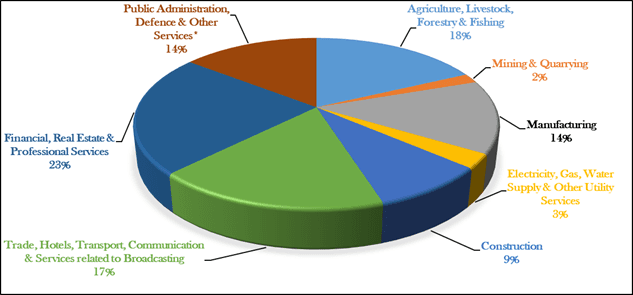
  • Construction, public services lead GVA surge; manufacturing underperforms agriculture, impacting jobs
  • Primary sector rebound 5 % in Q4 attributed to bumper rabi output
  • PFCE uptick shows demand revival; capex momentum sustained via 7.1 % GFCF rise

Data & Revision

  • Provisional integrates Q4 data for first full-year picture; further revisions due 2026, 2027
  • Uses >12 macro indicators; accuracy improves as audited corporate, tax, agri data arrive
  • Benchmark-indicator method aligns sectoral proxies with base-year 2011-12 series

Concerns

  • Manufacturing drag linked to high urban youth unemployment, rural labour migration
  • 9.8 % nominal growth only above pandemic years and FY18, limiting wage, revenue gains
  • Sectoral imbalances pose risk to sustainable, inclusive growth targets

Key Data Points

FeatureData-Point
FY25 real GDP growth6.5 %
FY25 nominal GDP growth9.8 %
FY25 real GDP size₹187.97 lakh cr
FY25 nominal GDP size₹330.68 lakh cr
Q4 FY25 real GDP growth7.4 %
FY25 real GVA growth6.4 %
Construction GVA growth9.4 %
Public admin & defence GVA8.9 % growth
Financial services GVA7.2 % growth
Primary sector FY254.4 % growth
PFCE growth FY257.2 %
GFCF growth FY257.1 %
Manufacturing CAGR FY20-254.04 %
Agriculture CAGR FY20-254.72 %
Third-slowest nominal growth since2014

Related UPSC Prelims PYQs

CAPF_GAI 2025PYQ 1

Which one among the following is the estimated fiscal deficit as a percentage of GDP of India in the Budget Estimates of 2025-26?

CAPF_GAI 2024PYQ 2

हाल के वर्षों में, निम्नलिखित में से कौन-सा, भारतीय अर्थव्यवस्था में, अवरोही क्रम में, माँग का स्रोत रहा है?

GS-3Infrastructure

3.Ghatampur Thermal Power Plant, Uttar Pradesh (Thermal Power Plant)

Times of India

What & Where

Project Ghatampur: supercritical coal-based thermal plant, total 1,980 MW.

Location Ghatampur town, Kanpur Nagar district, Uttar Pradesh.

Promoter NUPPL, JV of NLC India 51 % & UPRVUNL 49 %.

Quick Facts for MCQs

Tech & Systems

  • Supercritical boilers raise efficiency to 88.81 % lowering coal per kWh.
  • Zero-Liquid-Discharge design prevents wastewater into soil or rivers.
  • CEMS, AAQMS enable continuous digital compliance monitoring.

Environmental Impact

  • SCR cuts NOx; FGD removes SOx meeting strict emission norms.
  • Canal lining 288 km conserves 195 million litres water daily.
  • Raw water pond 4.6 million m³ assures lean-season operations.

Economic Angle

  • Investment ₹21,780.94 crore boosts regional power supply reliability.
  • Equity split NLC 51 % UPRVUNL 49 % ensures central-state collaboration.
  • 75 % power to UP, 25 % to Assam strengthens interstate energy exchange.

Key Data Points

FeatureData-Point
Project capacity1,980 MW (3×660)
Unit-1 dedicated660 MW
Project cost₹21,780.94 crore
Lead company stakeNLC India 51 %
State company stakeUPRVUNL 49 %
Power share Uttar Pradesh75.12 % (1,487.28 MW)
Power share Assam24.88 % (492.72 MW)
Boiler typeSupercritical; 88.81 % efficiency
Liquid dischargeZero Liquid Discharge
Air pollution techSCR + FGD
Emission monitoringCEMS & AAQMS 24×7
Canal lining length288 km
Daily water saved195 million litres
Raw water storage4.6 million m³
Coal mine output9 Mt per year
On-site coal stock1.0165 Mt (30 days)

Related UPSC Prelims PYQs

NDA_GAT 2025PYQ 1

Which one among the following is NOT a beneficiary state from the Vindhyachal Power Plant of the NTPC?

NDA_GAT 2025PYQ 2

Consider the following pairs with reference to Thermal Power Plants and their location in respective states in India:

GS-1Environment

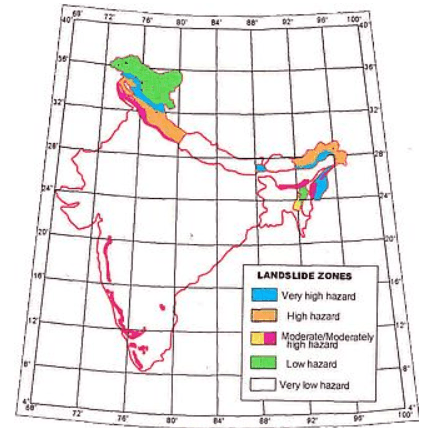
4.Landslide Hazards and Indian Vulnerability (Landslide Hazards)

Times of India
Illustration for Landslide Hazards and Indian Vulnerability (Landslide Hazards)

What & Where

Definition – sudden downslope movement of rock/earth/debris under gravity

Types – debris flow, rockfall, creeping slide common across Indian ranges

Hotspots – ~15 % landmass; Himalayas, North-East, Western Ghats, Nilgiris

Quick Facts for MCQs

Drivers

  • Geological – fragile fold mountains, active tectonics, weathered lithology
  • Hydro-meteorological – intense or prolonged rainfall saturates slopes, triggers failures
  • Anthropogenic – deforestation, road blasting, unregulated urbanisation destabilise mass

Impacts

  • Immediate – life loss, Kedarnath NH blockage, crop & infrastructure damage
  • Environmental – reservoir siltation, river sedimentation, downstream flood amplification
  • Socio-economic – population displacement, geographic isolation, slowed regional development

NDMA Toolkit

  • Mapping – LHZ maps 1:50,000; NRSC Uttarakhand example guiding corridor planning
  • Early warning – real-time sensors, GIS alerts, school drills, district awareness drives
  • Mitigation – land-use zoning, drainage improvement, rock bolting, vegetation restoration, insurance push

Key Data Points

FeatureData-Point
Fatalities Kedarnath NH May 20251 dead, 5 injured
Indian plate convergence rate~5 cm / year (GSI)
National landslide-prone area≈15 % of country (NDMA)
Main monsoon-season slide typeDebris flow
LHZ mapping scale1 : 50,000
Uttarakhand corridor atlas agencyNRSC
Classic rainfall-trigger casesMalpha (Pithoragarh), Okhimath (Chamoli)
Ongoing DST research projects30 +
Early warning toolsStress sensors, remote sensing, GIS
Insurance recommendationLandslide-specific cover encouraged

Related UPSC Prelims PYQs

NDA_GAT 2022PYQ 1

Consider the following features about a geographical phenomenon:

NDA_GAT 2022PYQ 2

Which of the following statements in respect of landslides are correct?

GS-1Mapping

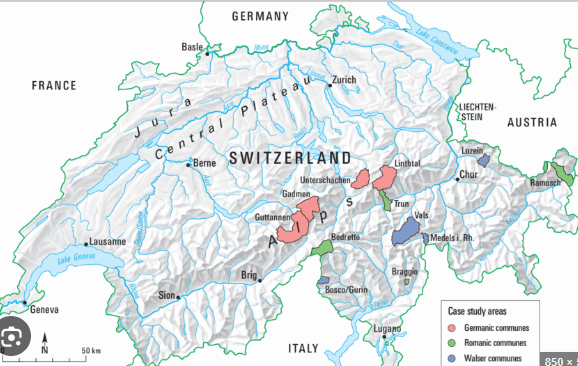
5.Lonza Valley Glacier Collapse, Switzerland (Glacial Hazard)

The Print
Illustration for Lonza Valley Glacier Collapse, Switzerland (Glacial Hazard)

What & Where

Loetschental (Lonza) Valley, canton Valais, southern Swiss Alps; fragile high-altitude basin

River Lonza glacier-fed, now dammed by May 28 2025 ice–rock avalanche

Site of Blatten village, buried under debris; example of climate-linked alpine hazards

Quick Facts for MCQs

Environmental Impact

  • Blocked Lonza raises flash-flood, outburst-lake risk downstream
  • Loss of glacier mass accelerates valley temperature–albedo feedback
  • Debris blanket alters riverine nutrient and sediment load

Disaster & Risk

  • Avalanche created natural dam, emergency dredging or blasting likely
  • Alpine communities face compound threats: landslide, flood, infrastructure cut-off
  • Incident spotlights need for early-warning in mid-latitude glaciers

Local Settlements

  • Blatten tourism economy jeopardised by access loss and landscape change
  • Small hamlets rely on valley roads now threatened by dammed waters
  • Cultural Alpine chalets at risk as permafrost melts, ground destabilises

Key Data Points

FeatureData-Point
CountrySwitzerland
CantonValais
Main riverLonza
Event date28 May 2025
Hazard typeGlacier collapse with ice–rock avalanche
Village hitBlatten
EcosystemHigh-altitude Alpine
Key climate driversGlacial retreat, permafrost thaw

Related UPSC Prelims PYQs

NDA_GAT 2022PYQ 1

Consider the following features about a geographical phenomenon:

GS-1Mapping

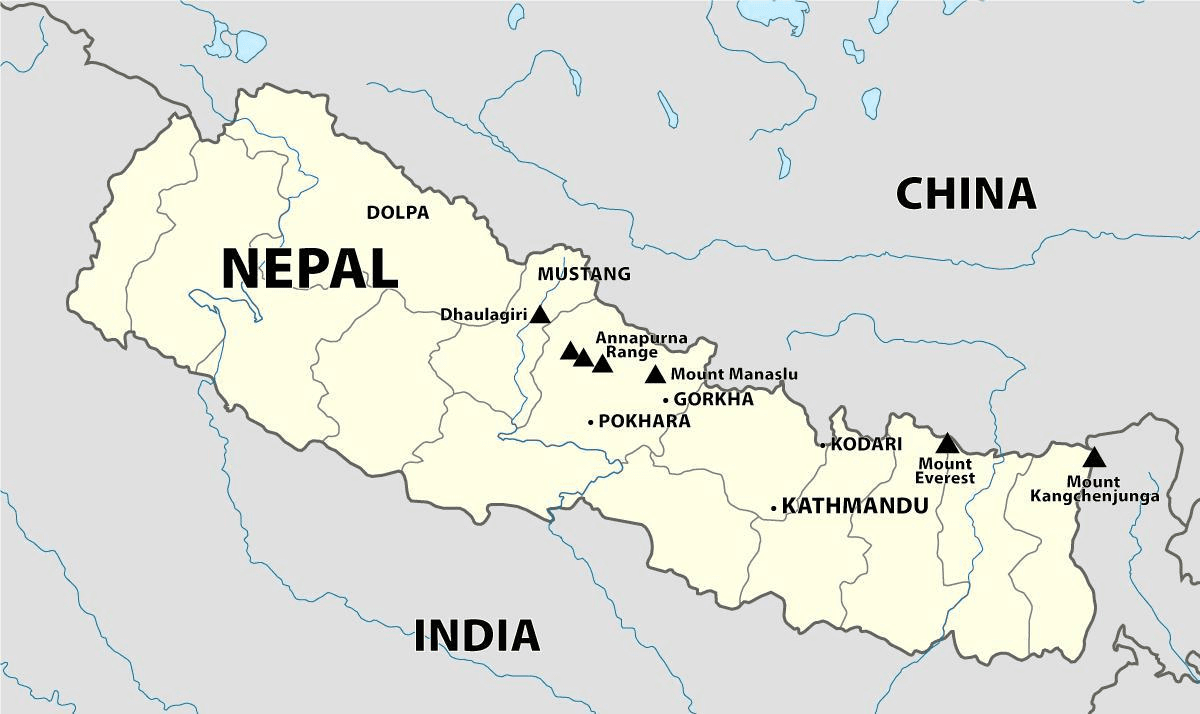
6.Sacred Mount Khangchendzonga Conservation Issues (Sacred Peak)

The Hindu
Illustration for Sacred Mount Khangchendzonga Conservation Issues (Sacred Peak)

What & Where

Peak: Mt Khangchendzonga (8,568 m), India’s highest, world’s 3rd, straddling Sikkim–Nepal border in Eastern Himalaya

Protected area: Enfolded by Khangchendzonga National Park/Biosphere Reserve, UNESCO Mixed World Heritage Site

Status: Sacred to Lepcha and Bhutia peoples; climbing banned on Indian side, allowed via Nepal routes

Quick Facts for MCQs

Legal & Policy

  • Proposal: Sikkim seeks Union sanction to restrict mountaineering on Mt Khangchendzonga
  • Regulation: Climbing already banned on Indian side; Nepal side activity continues
  • Objective: Preserve cultural sanctity & fragile alpine ecology

Cultural Significance

  • Deity: Mountain revered as abode of guardian Dzoe-Nga (Pho-lha) recognised by Guru Padmasambhava
  • Community: Lepcha practise Mun faith; priests Bongthing maintain oral myths, songs, poetry
  • Sanctity: Climbing taboo among indigenous groups, reinforcing demand for strict access control

Biodiversity & Ecology

  • Landscape: Park spans glaciers, alpine meadows, lakes, valleys, temperate forests
  • Flora: Dzongu Valley hosts rich medicinal plant assemblage
  • Fauna: Flagships Red Panda, Snow Leopard, Blood Pheasant, Musk Deer justify high conservation value

Key Data Points

FeatureData-Point
Elevation8,568 m
Global rank3rd highest peak
National rankHighest in India
Border geographySikkim (India) – Nepal
Climbing (Sikkim side)Prohibited since 2000
First ascent1955; Charles Band & Joe Brown
UNESCO WHS tag2016
UNESCO Biosphere Reserve2018 inclusion
Heritage categoryIndia’s first Mixed WHS
Iconic faunaBlood Pheasant, Red Panda, Snow Leopard
GS-3Environment

7.International Glacier Preservation Conference 2025 (Glacier Preservation)

UN

What & Where

UN-backed high-level summit dedicated to halting glacier retreat and safeguarding cryospheric freshwater.

Venue: Dushanbe, Tajikistan; convenes during UN-declared International Year of Glaciers’ Preservation (2025).

Anchored in a UNGA resolution; organised by Tajikistan with multi-agency UN support.

Quick Facts for MCQs

Legal & Policy

  • Resolution: 2025 tagged International Year of Glaciers’ Preservation by UNGA.
  • Alignment: Urges integration of glacier issues into NDCs and National Adaptation Plans.
  • Financing: Advocates creation of UN-backed Glacier Preservation Fund for long-term support.

Tech & Schemes

  • Monitoring: Drives cross-border glacier data sharing and coordinated cryospheric observation networks.
  • Early-warning: Crafts mountain-specific climate risk prediction and disaster response systems.
  • Knowledge: Shares best practices, adaptive innovations for communities in glacial hazard zones.

Social Concerns

  • Gender: Seeks stronger women’s voice in glacier-related water policies.
  • Communities: Guarantees targeted hydro-meteorological services to glacier-dependent populations.
  • Urban water: Promotes resilient supply systems for downstream cities and agriculture.

Environmental Impact

  • Cryosphere: Intends to slow glacier loss and protect freshwater ecosystems.
  • Climate-resilience: Supports sustainable water use amid warming trends.
  • Awareness: Elevates global understanding of risks from accelerated glacier melt.

Key Data Points

FeatureData-Point
International Year2025
Host cityDushanbe
Host countryTajikistan
Declared underUNGA Resolution on Glaciers’ Preservation
Main organiserRepublic of Tajikistan
UN partnerMultiple UN agencies
Core objectiveCombat glacier retreat; secure freshwater supplies
Proposed fundUN Glacier Preservation Fund
Key priorityClimate-resilient water management

Related UPSC Prelims PYQs

CDS_GK 2023PYQ 1

Which one of the following is the venue of the UN 2023 Water Conference?

CDS_GK 2023PYQ 2

The resolution adopted by the United Nations General Assembly on 3 March, 2021 decided to celebrate the year 2023 as the International Year of

GS-3SpeciesQuick Bite

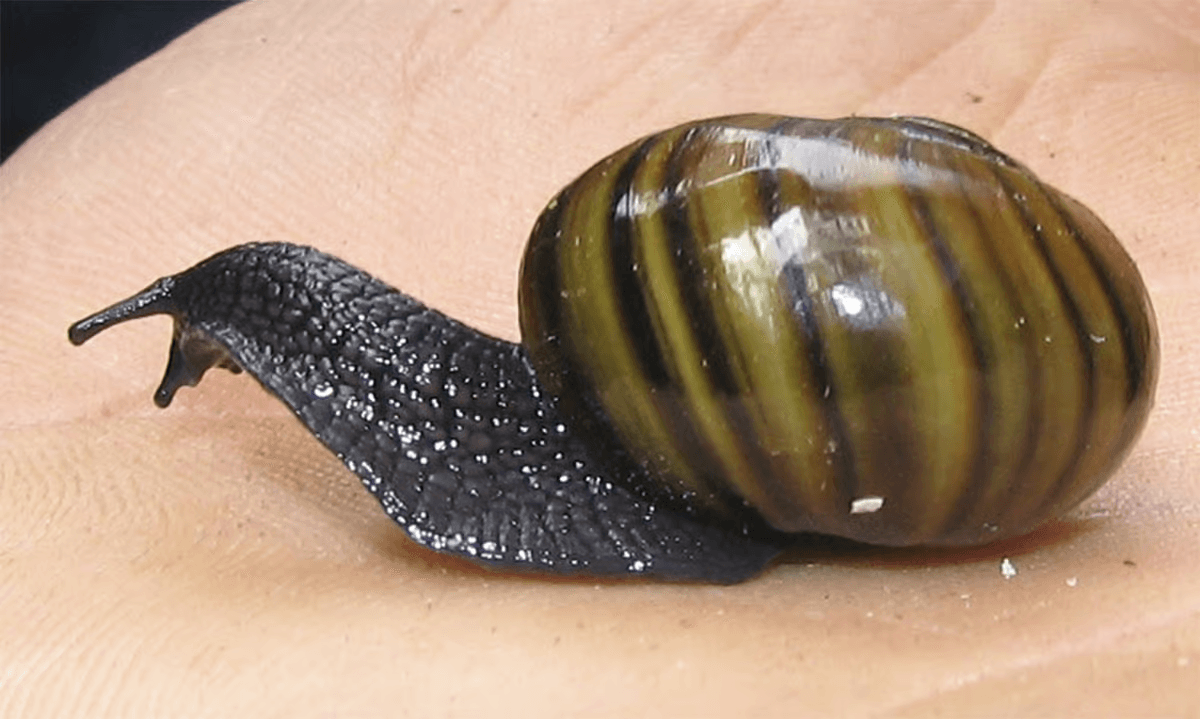
8.Endemic Mount Augustus Carnivorous Snail (Endemic Snail)

The Hindu
Illustration for Endemic Mount Augustus Carnivorous Snail (Endemic Snail)

What & Where

Mount Augustus Snail (Powelliphanta augusta) = carnivorous land mollusk, vibrant spiral shell, newly filmed neck-egg laying

Endemic location = single mountain, Mount Augustus, South Island, New Zealand

Core process = hermaphroditic mutual sperm exchange via neck pore, eggs incubate >1 year in soil

Quick Facts for MCQs

Species Traits

  • Size category among world’s largest carnivorous land snails
  • Shell provides retreat during desiccation or danger
  • Slow metabolism supports extended lifespan

Reproductive Biology

  • Mutual sperm exchange, both partners can lay fertilised eggs
  • Annual output low, heightening vulnerability to population shocks
  • Single clutch hatching may overlap two breeding seasons

Conservation Threats

  • Early-2000s open-cast coal mining destroyed original Mount Augustus habitat
  • Micro-endemic range eliminates alternative wild refuges
  • Conservation needs include habitat restoration and ex-situ breeding

Gastropod Basics

  • Gastropods = snails plus slugs, key molluscan class
  • Defining difference: external spiral shell present only in snails
  • Shell enables moisture regulation and predator protection

Key Data Points

FeatureData-Point
Taxonomic groupGastropod, family Rhytididae
Common nameMount Augustus Snail
Scientific namePowelliphanta augusta
DietSlugs and earthworms
Life span (captivity)25–35 years
Sexual maturity~8 years
Eggs laid per year≈5
Incubation period>12 months
Reproductive typeHermaphroditic, genital pore on neck
Unique observationEgg emerging from neck filmed 2025
Native rangeOnly Mount Augustus, NZ
Main threatHabitat loss from coal mining
Shell traitLarge, colourful swirling pattern
Growth rateSlow-growing species
ComparisonSnails possess external shell; slugs lack shell
GS-3S&T

9.IndiaAI Mission National AI Infrastructure (AI Infrastructure)

Hindustan Times
Illustration for IndiaAI Mission National AI Infrastructure (AI Infrastructure)

What & Where

National-programme: IndiaAI Mission to build indigenous AI capacity through public–private partnership

Scope: GPUs, multilingual foundation models, open datasets, startup funding, skills pipeline

Geography: Pan-India rollout under MeitY, including Tier-II innovation labs

Quick Facts for MCQs

Tech & Schemes

  • Compute: 15,916 GPUs added, total capability beyond 34k for large-model training
  • Models: Sarvam, Soket, Gnani, Gan chosen to craft India-centric multilingual LLMs and Voice AI
  • Data: AI Kosh opens 367+ public datasets for research, governance

Economic Angle

  • Funding: ₹10,300-crore budget covers infrastructure, startup seed, academic grants
  • Startups: Dedicated financing windows and Tier-II AI labs to broaden innovation spread
  • Talent: Graduate–postgraduate skilling programmes to create domestic AI workforce

Ethics & Safety

  • Frameworks: Mission mandates safe, trusted, inclusive AI standards across sectors
  • Goal: Democratise AI access for citizens while guarding against bias, misuse
  • Vision: Self-reliant yet globally aligned ethical norms positioning India as responsible AI leader

Key Data Points

FeatureData-Point
Launched byMinistry of Electronics & IT (MeitY)
Cabinet approvalMarch 2024
Mission outlay₹10,300 crore+
GPUs added (2024)15,916
Total national GPUs≈34,000
TaglineMake AI in India & Make AI work for India
Datasets on AI Kosh367
Lead research hubIndia AI Innovation Centre (IAIC)

Related UPSC Prelims PYQs

ESE_GS, GS1 2026PYQ 1

Which Ministry released the India AI Governance Guidelines in 2025?

ESE_GS, GS1 2025PYQ 2

ग्रैण्ड पैलै (Grand Palais) पेरिस में नवम्बर 2025 में आयोजित होने वाले AI शिखर सम्मेलन के सन्दर्भ में, निम्नलिखित कथनों पर विचार कीजिए :

GS-3S&T

10.Indigenous Mechanical Thrombectomy Device for Stroke (Medical Device Innovation)

BL

What & Where

Mechanical Thrombectomy Kit removes brain clots in acute ischemic stroke, alternative to clot-busting drugs.

Developed by S3V Vascular Technologies Ltd, Mysuru; manufactured at Medical Devices Park, Oragadam (Tamil Nadu).

Supported by Technology Development Board (DST), marking India’s first fully indigenous stroke-care device.

Quick Facts for MCQs

Tech & Schemes

  • Indigenous design spans microcatheters, guidewires, aspiration catheters, stent retrievers.
  • Integrated high-precision plant enables end-to-end production, quality per global norms.
  • TDB funding exemplifies Make-in-India push for high-end medical devices.

Economic Angle

  • Import substitution lowers treatment cost, widens domestic market access.
  • Export potential grows once CE/FDA certified, boosting India’s med-tech footprint.
  • Public procurement via govt schemes ensures steady demand for local industry.

Skill Development

  • Simulator-based neuro-intervention training offered to young doctors, esp. Tier-II cities.
  • Knowledge transfer accelerates adoption, raising national stroke-care standards.

Public Health

  • Rapid clot removal averts paralysis, permanent brain damage, mortality.
  • Affordable indigenous kit aligns with universal health coverage goals under Ayushman Bharat.

Key Data Points

FeatureData-Point
Medical useAcute ischemic stroke, large-vessel occlusion
Core toolsStent retrievers + aspiration catheters
DeveloperS3V Vascular Technologies Ltd
Govt supportTechnology Development Board, DST
Manufacturing siteMedical Devices Park, Oragadam, TN
Certifications targetedCE Mark, US FDA
R&D statusPatent filings for clot-retriever head & catheter design
Public-health linkagePlanned inclusion under Ayushman Bharat
GS-3S&T

11.TR1 Cells Drive Malaria Immunity (Immunology Research)

The Hindu

What & Where

TR1 cells: CD4⁺ regulatory T-cell subset now identified as principal immune modulator during Plasmodium falciparum infection.

Malaria: mosquito-borne parasitic disease; chief human species P. falciparum and P. vivax dominate tropical belts.

India: pursuing malaria-free status under National Framework 2016-2030, supported by vector-control and research alliances.

Quick Facts for MCQs

Cell Biology

  • TR1 function: suppress excessive inflammation enabling clinical immunity without severe disease.
  • CD4⁺ identity: surface protein guiding helper T-cell coordination of adaptive responses.

Disease Profile

  • Transmission: female Anopheles bite introduces sporozoites; liver stage precedes red-cell infection.
  • Severity drivers: P. falciparum causes high mortality, P. vivax relapses via hypnozoites.

Therapies & Vaccines

  • ACTs: combine artemisinin derivative with partner drug, frontline against falciparum resistance.
  • Primaquine: targets dormant liver forms, prevents P. vivax and P. ovale relapse.
  • WHO vaccines: RTS,S and R21 reduce childhood malaria, endorsed for endemic deployment.

India Initiatives

  • Framework 2016-2030: national roadmap aiming malaria elimination by 2030.
  • MERA-India: ICMR-led alliance funding multidisciplinary malaria research.
  • NVBDCP: implements surveillance, diagnostics, vector control under Union Health Ministry.

Key Data Points

FeatureData-Point
Main immune driver in malariaTR1 cell, not TH1
Cell surface marker CD4Defines helper T-cell lineage
Human-infecting Plasmodium spp.5
Highest-risk speciesP. falciparum; P. vivax
First WHO-recommended vaccineRTS,S/AS01 (Mosquirix)
Second WHO-recommended vaccineR21/Matrix-M by SII-Oxford
Gold-standard falciparum therapyArtemisinin-based Combination Therapies
Drug clearing hypnozoitesPrimaquine
Indian elimination roadmapNational Framework 2016-2030

Related UPSC Prelims PYQs

GS1 2010PYQ 1

Widespread resistance of malarial parasite to drugs like chloroquine has prompted attempts to develop a malarial vaccine to combat malaria. Why is it difficult to develop an effective malaria vaccine ?

GS-2Polity

12.WHO Global Pandemic Agreement Adoption (Pandemic Treaty)

Indian Express

What & Where

WHO Global Pandemic Agreement (GPA): first pandemic treaty, adopted 20 May 2025 under Article 19, WHO Constitution

Sets cooperation principles for equitable access to diagnostics, vaccines, therapeutics; binding after 60 ratifications

Finalised at 78th World Health Assembly, Geneva; open to all 194 WHO members for signature

Quick Facts for MCQs

Legal & Policy

  • Treaty bars WHO from directing national laws, travel bans, vaccine mandates, lockdowns
  • Clause requires publicly funded R&D to ensure timely, affordable access to resulting medical products
  • IPR balance still negotiated; pharma seek strong protection while members demand compulsory tech transfer

Access & Sharing

  • PABS system promises rapid pathogen, genome data exchange with fair benefit-sharing; rules due 2026 WHA
  • Pharma access to samples conditional on 10 % free plus 10 % low-cost health products to WHO
  • Coordinating Financial Mechanism and 2025-launched GSCL aim smooth, affordable supply chains during emergencies

India Angle

  • India championed equity clauses, LMIC vaccine access, opposed vaccine nationalism during negotiations
  • Delhi–Pretoria initiative pushed WTO Covid-19 IPR waiver, guiding treaty’s technology-transfer language
  • Health ministry stresses global investment in public health infrastructure, workforce training, digital surveillance capacity

Trans Fat Efforts

  • Recognition bestowed on Austria, Norway, Oman, Singapore for eliminating industrial TFAs from food supply
  • WHO REPLACE Framework 2018 targets global TFA elimination by 2025; only 60 countries compliant
  • India capped TFAs in fats/oils at 2 % from 2022 under FSS Regulations 2021

Key Data Points

FeatureData-Point
Adoption date20 May 2025
Forum78th World Health Assembly, Geneva
Legal basisArticle 19, WHO Constitution
WHO treaty order2nd after 2003 FCTC
Ratification needed60 countries
Free product quota10 % of vaccines/therapeutics/diagnostics
Low-cost quotaAdditional 10 %
Financing toolCoordinating Financial Mechanism
Supply-chain toolGlobal Supply Chain & Logistics Network
US membershipWithdrawn (2025)
GS-2Economy

13.OPEC Plus Output Increase Strategy (OPEC+ Output)

The Hindu
Illustration for OPEC Plus Output Increase Strategy (OPEC+ Output)

What & Where

OPEC – oil-exporting cartel, created 1960 (Baghdad), HQ Vienna; core aim price stability.

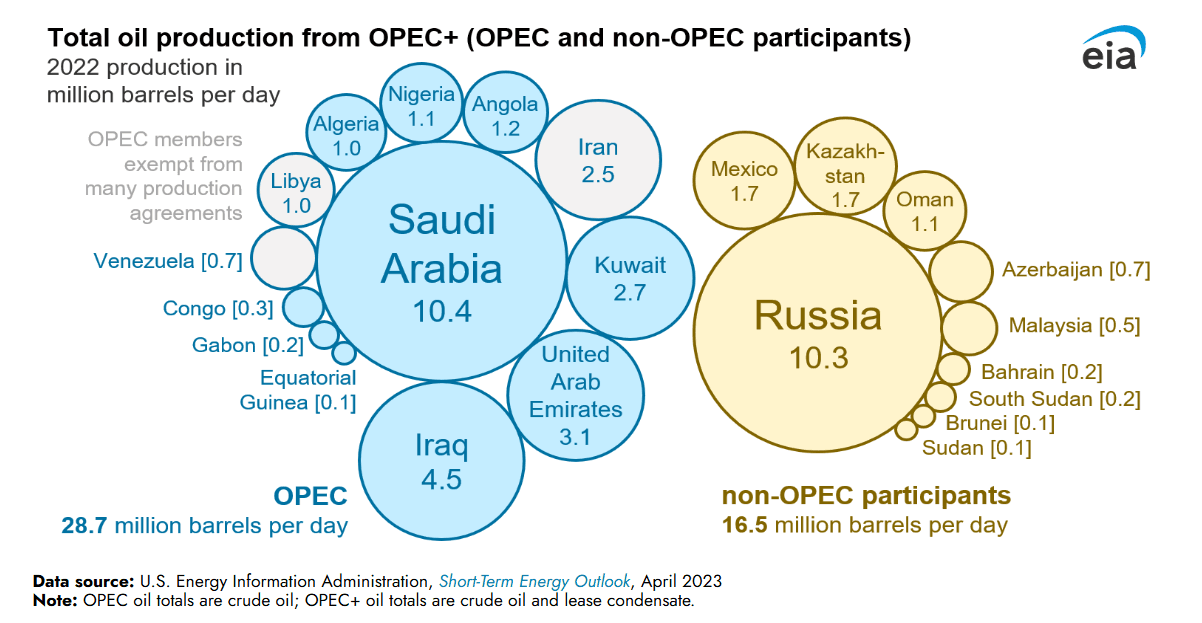
OPEC+ – 2016 pact: 12 OPEC states + 10 others (incl. Russia, Kazakhstan, Mexico); controls ≈60 % global output.

May 2025 move – lift supply by 411 000 bpd, third straight hike after 2023 voluntary cuts.

Quick Facts for MCQs

Membership & Production

  • Non-OPEC+ add-ons – Azerbaijan, Bahrain, Brunei, Kazakhstan, Malaysia, Mexico, Oman, Russia, South Sudan, Sudan.
  • Over-producers – Iraq, UAE, Nigeria, Kazakhstan breached quotas, eroding Saudi cuts.
  • Swing-producer Saudi Arabia historically floods market (1985-86, 1998, 2014-16, 2020) to punish quota violators.

Market Factors

  • Demand drag – EV uptake, climate policy, slower GDP; peak-demand thesis gaining traction.
  • Supply resilience – US shale, Brazil & Guyana offshore, sanctioned Russia–Iran–Venezuela still pumping.
  • WTO outlook – global trade to shrink 0.2 % in 2025, capping price upsides.

India Angle

  • Demand surge – domestic growth ~3.2 % (2024-25) versus world 0.73 %.
  • Benefit – every USD 1/bbl fall saves ≈USD 1.5 bn on import bill.
  • Risk – Gulf slowdown threatens ≈9 mn Indian jobs, USD 50 bn remittances.

Price Dynamics

  • Weak price response despite 2023 cuts signalled ineffective cartel leverage.
  • Strategy pivot – Saudi now prioritising market share over price defence.
  • Oversupply expectation keeps medium-term Brent outlook subdued despite geopolitical risks.

Key Data Points

FeatureData-Point
Founding OPEC membersIran, Iraq, Kuwait, Saudi Arabia, Venezuela
Current OPEC tally12 countries
Largest OPEC producerSaudi Arabia
OPEC share world crude~30 %
OPEC proven reserves share~80 %
2023 voluntary cut size2.2 mn bpd
May 2025 production hike411 000 bpd
Forecast oil demand growth 20250.73 % (IEA)
India crude import rank3rd after China, USA
India share future demand growth~25 % till 2040

Related UPSC Prelims PYQs

GS1 2009PYQ 1

Other than Venezuela, which one among the following from South America is a member of OPEC ?

GS-2Scheme

14.DHRUVA Digital Address Infrastructure Framework (Digital Addressing)

PIB

What & Where

Digital Hub for Reference and Unique Virtual Address (DHRUVA)-–national geo-coded digital addressing public infrastructure.

Provides Address-as-a-Service enabling secure, interoperable, consent-based access to standardised address data.

Nationwide framework spearheaded by Department of Posts, Ministry of Communications; launched May 2025.

Quick Facts for MCQs

Tech & Schemes

  • DIGIPIN backbone assigns unique, longitude-latitude-linked code per address
  • API layer enables real-time address generation, verification, sharing
  • Open architecture invites third-party apps and innovation contests

Governance & Delivery

  • Geospatial tagging sharpens disaster relief, urban planning, subsidy targeting
  • Uniform addresses streamline KYC compliance for banking and welfare
  • Eliminates duplicate records across government databases, boosting efficiency

Economic Angle

  • Precise last-mile data cuts logistics costs, raises e-commerce delivery success
  • Faster address validation improves Ease of Doing Business metrics
  • Public-private partnerships encouraged for AaaS-based value-added services

Security Dimension

  • Consent mechanism aligns with Digital Personal Data Protection Act safeguards
  • Immutable digital trail aids fraud detection and address authenticity checks
  • Federated storage design reduces single-point breach vulnerabilities

Key Data Points

FeatureData-Point
Launch month-yearMay 2025
Implementing agencyDepartment of Posts
Parent ministryMinistry of Communications
Core technologyGeospatial mapping + DIGIPIN integration
Service modelAddress-as-a-Service (AaaS)
Privacy modelConsent-driven, user-controlled
AccessibilityOpen, free public digital good
Key sectors servedE-governance, logistics, e-commerce, emergency response

Related UPSC Prelims PYQs

ESE_GS 2020PYQ 1

Which one of the following is not the vision area of Digital India as a program to transform India into a digitally empowered society and knowledge economy?

GS-2Scheme

15.Modified Interest Subvention Scheme Extension (Interest Subvention)

PIB

What & Where

Modified Interest Subvention Scheme (MISS) – Central-Sector credit subsidy for agriculture/allied sectors via Kisan Credit Card.

Nationwide reach; loans up to Rs 3 lakh sanctioned at 7 % for ≤ 12-month crop cycle.

Govt gives 1.5 % subvention to banks; farmers get extra 3 % Prompt Repayment Incentive, net rate 4 %.

Quick Facts for MCQs

Legal & Policy

  • Union Cabinet cleared continuation; budget provisioning under FY 2025-26.
  • Scheme classified under Interest Subvention, not subsidy per WTO, easing compliance.

Implementation Setup

  • RBI and NABARD co-monitor with PSBs, RRBs, Co-operatives, Private Banks.
  • Funds released directly to banks based on verified claim statements.

Tech & Schemes

  • Kisan Rin Portal automates claim tracking, speeds reimbursement, heightens transparency.
  • Portal built jointly by MoA & FW, Finance Ministry, RBI, NABARD.

Economic Angle

  • Effective 4 % credit lowers working-capital cost, boosting farm liquidity.
  • Revolving KCC allows multiple withdrawals, matching sow-harvest cash flows.

Key Data Points

FeatureData-Point
Launch year2006-07 (as Interest Subvention Scheme)
Current approvalExtended for FY 2025-26
Scheme typeCentral Sector
Nodal ministryMoA & FW
Interest to banks1.5 % subvention
PRI to farmers3 % for timely repayment
Maximum eligible loanRs 3 lakh
Collateral-free ceilingRs 2 lakh
Revolving KCC validityUp to 5 years
Interest during calamityRelief up to 1 yr; 5 yrs if severe
Small & marginal share76 % of agri-credit accounts
Digital portalKisan Rin Portal, launched 2023
GS-1Misc

16.National Florence Nightingale Nursing Awards 2025 (Nursing Awards)

The Print
Illustration for National Florence Nightingale Nursing Awards 2025 (Nursing Awards)

What & Where

National Florence Nightingale Awards – apex Indian honour for exemplary nursing and midwifery service

Started 1973; conferred by Ministry of Health & Family Welfare, Government of India

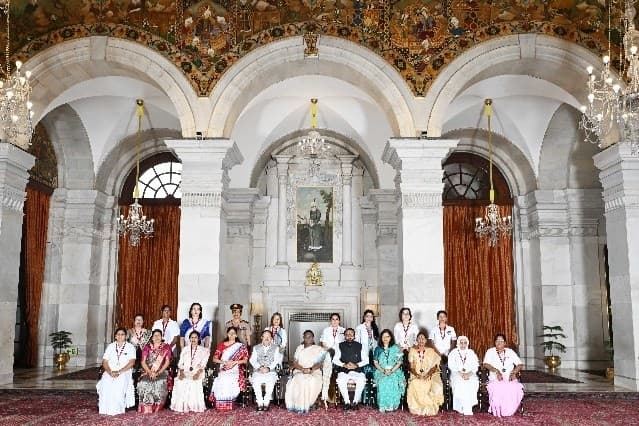
2025 edition held at Rashtrapati Bhavan, New Delhi; 15 awardees spanning 15 States / UTs

Quick Facts for MCQs

Award Components

  • Cash award ₹1 lakh supports continued professional development
  • Silver Nightingale medal symbolizes global nursing legacy
  • Certificate validates meritorious record within official personnel files

Eligibility & Selection

  • Open cadre includes ANM, Staff Nurse, LHV, community health officers
  • Nominations routed via state health directors ensuring grassroots outreach visibility
  • Evaluation emphasises dedication, innovation, measurable public-health impact

Social Significance

  • Recognises frontline labour in maternal care, immunisation, rural outreach
  • Enhances profession prestige, encouraging youth entry amid national nurse shortages
  • Reinforces empathy-driven healthcare culture in resource-constrained settings

Key Data Points

FeatureData-Point
MinistryHealth & Family Welfare
Instituted1973
Cash prize₹1 lakh
Other componentsSilver medal + Certificate of Merit
Core eligibilityANM, Staff Nurse, LHV, midwives, public-health nurses
Nominating bodiesState Govts, UTs, healthcare institutions
Selection panelHealth-sector experts evaluate service, innovation, impact
2025 awardees15 professionals
Iconic mentionDevrani sisters, Uttarakhand; 40 years rural service
Ceremony venueRashtrapati Bhavan
Presenter 2025President Droupadi Murmu
CoverageDelhi, Karnataka, Mizoram, Tamil Nadu, A&N Islands etc.
PurposeMotivate excellence, highlight nursing role in public health

Ready to practice?

Test your knowledge with our UPSC test series.

Start Free Trial