UPSC Current Affairs

16 topicsGS-1: 5GS-2: 2GS-3: 9
0/16 done
GS-3Economy

1.RBI Drafts Gold-Loan Guidelines (Gold Loan Norms)

The Hindu

What & Where

RBI draft guidelines to standardise gold-loan practices across Indian banks & NBFCs

Covers collateral eligibility, valuation, LTV, tenure, renewal, repossession

Seeks borrower protection amid rising gold-loan NPAs and rapid portfolio growth

Quick Facts for MCQs

Legal & Policy

  • Harmonisation codifies disparate bank & NBFC practices
  • Ownership declaration or original bill compulsory, uncertain titles ineligible
  • Concurrent loans on same collateral expressly prohibited

Economic Angle

  • Tighter norms may curtail NBFC liquidity, slow >100 % YoY portfolio growth
  • Mandatory assay, monitoring increases compliance cost, especially for small lenders
  • Inclusion of interest in bullet loans lowers disbursable quantum, impacting margins

Consumer Protection

  • LTV cap plus valuation safeguards curb over-leveraging, asset loss
  • Seven-day return clause with hefty penalty guarantees swift release of pledged gold
  • Separate scrutiny for business loans emphasises cash-flow viability over collateral value

Key Data Points

FeatureData-Point
Permitted collateralOnly jewellery, bank-issued coins
Barred collateralBars, ingots, bullion
Loan-to-Value ceiling75 % of assessed gold value
Bullet loan ruleInterest counted inside LTV
Valuation priceLower of 30-day average or previous day 22-carat rate
Max gold per borrower1 kg jewellery or 50 g coins
Consumption loan tenure≤ 12 months
Fresh loan conditionAllowed only after full repayment
Gold return deadlineWithin 7 working days post-closure
Delay penalty₹5,000 per day
FY24 NPAs – banks₹2,040 crore
FY24 NPAs – NBFCs₹4,784 crore
GS-3Economy

2.RBI Annual Report 2024-25 Insights (RBI Annual Report)

Indian Express

What & Where

RBI Annual Report: statutory disclosure (Sec 53, RBI Act) summarising policy, operations, audited accounts.

Time-frame: FY 2024-25 (Apr 2024–Mar 2025); focus India with global comparisons.

Released by Reserve Bank of India, Mumbai; tabled before Parliament.

Quick Facts for MCQs

Monetary & Inflation

  • Repo 6.50 %; stance neutral Oct 2024; CRR cut to 4 % to ease liquidity.
  • CPI 4.6 %; food 2.9 %; fuel −2.5 % deflation, easing pressure.
  • Core 3.5 %; services inflation sticky, vigilance maintained.

External & Fiscal

  • Exports +0.1 %, imports +6.2 %; trade gap USD 282.8 bn; CAD 1.3 %.
  • Reserves USD 668.3 bn, covering 11-month imports; foreign assets 74.3 % of RBI sheet.
  • Centre GFD 4.7 %; FY26 target 4.4 %; states seen within 3.2 %.

Digital & Tech

  • Digital payments volume +34.8 %, value +17.9 %; UPI commands 48.5 % global instant share.
  • CBDC pilot spans 17 banks, 60 lakh users; secure ‘.bank.in’ domain introduced.
  • FinTech & EmTech Repositories monitor AI/ML adoption for evidence-based regulation.

Challenges & Risks

  • Fake notes: Rs 200 up 13.9 %, Rs 500 up 37.3 %, sustained checks required.
  • Fraud amount surged three-fold to ₹36,014 cr; PSBs top value, private banks top cases.
  • Protectionism, wars, climate shocks threaten growth and price stability; buffers, diversification vital.

Key Data Points

FeatureData-Point
Global growth 20243.3 %
India GDP FY256.5 %
Headline CPI FY254.6 %
Core CPI FY253.5 %
Repo rate FY256.50 %
CRR after Dec 20244 %
RBI surplus FY25₹2.68 lakh cr
Forex reserves Mar 2025USD 668.3 bn
CAD % of GDP1.3 %
Centre GFD FY254.7 % of GDP
Digital payment volume growth34.8 %
UPI global real-time share48.5 %
RBI Fin-Inclusion Index 202464.2
Gold stock Mar 2025879.58 MT

Related UPSC Prelims PYQs

CAPF_GAI, GS1 2025PYQ 1

Which one among the following is the estimated fiscal deficit as a percentage of GDP of India in the Budget Estimates of 2025-26?

CAPF_GAI, GS1 2022PYQ 2

In India, which one of the following is responsible for maintaining price stability by controlling inflation?

GS-3Economy

3.Liberalised Remittance Scheme Overview (LRS Outflows)

LiveMint
Illustration for Liberalised Remittance Scheme Overview (LRS Outflows)

What & Where

Liberalised Remittance Scheme (LRS); RBI window (2004) for resident individuals to remit foreign exchange abroad

Geographic scope: whole of India; annual ceiling USD 2,50,000 per person (April–March)

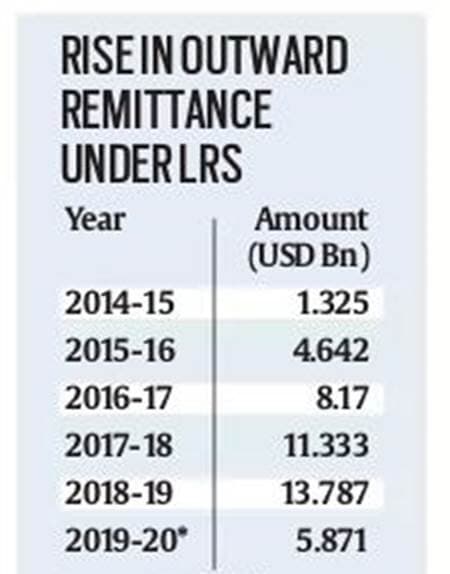
Peak outward remittance logged July 2019: USD 1.69 billion, signalling capital-flight concerns

Quick Facts for MCQs

Eligibility & Scope

  • Individuals; minors included; corporates, HUFs, trusts, firms excluded
  • Frequency unlimited; cumulative remittance capped at USD 2,50,000 per fiscal
  • Uses: travel, study, medical, gifts, overseas shares, debt, property, foreign-currency accounts

Prohibited Uses

  • Schedule-I items such as lottery tickets, banned magazines barred
  • Trading in foreign exchange abroad expressly disallowed
  • Capital remittances to FATF black-listed or terror-linked entities prohibited

Legal & Compliance

  • Governance under FEMA 1999; transactions classified current vs capital account
  • PAN quoting and Form A2 filing with authorised dealer mandatory
  • Banks report LRS flows through RBI’s FETERS monitoring system

Outflow Trend

  • 2014-19 LRS outflows nearly match foreign portfolio inflows, indicating resident capital shift
  • July 2019 record outflow underscores rising overseas education, travel, asset diversification demand
  • Persistent rise viewed by policymakers as potential pressure on domestic capital availability

Key Data Points

FeatureData-Point
RegulatorReserve Bank of India
Launch year2004
Annual ceilingUSD 2,50,000
Highest monthly outflowJuly 2019 – USD 1.69 bn
Eligible categoryResident individuals incl. minors
ID requirementPAN compulsory
Prohibited jurisdictionsFATF non-cooperative & terror-linked

Related UPSC Prelims PYQs

GS1 2001PYQ 1

Assertion (A): Ceiling on foreign exchange for a host of current account transaction heads was lowered in the year 2000. Reason (R): There was a fall in foreign currency assets also.

GS1 1995PYQ 2

As part of the liberalisation programme and with a view to attracting foreign exchange, the Government and the RBI have devised two schemes known as FCNR-‘A’ and FCNR-‘B’. Which of the following is/are true regarding these two schemes?

GS-1History

4.Ahilyabai Holkar Legacy (Ahilyabai Holkar)

PIB
Illustration for Ahilyabai Holkar Legacy (Ahilyabai Holkar)

What & Where

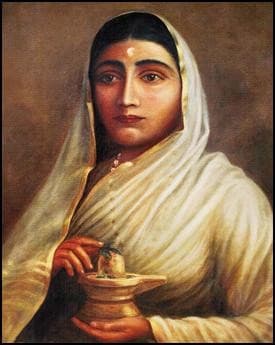
Lokmata Devi Ahilyabai Holkar – 18th-century Maratha queen who ruled Malwa after 1767.

Geography – Born Chondi (Ahmednagar, MH); shifted capital to Maheshwar on Narmada, governing present-day western MP.

Identity – Revered as “Philosopher Queen” for just rule, temple reconstruction and women-centric reforms.

Quick Facts for MCQs

Administrative Measures

  • Audience – Conducted daily Darbar to redress public grievances.
  • Agriculture – Promoted irrigation, crop diversity, rural crafts for farmers, artisans, tribals.
  • Military – Personally led campaigns; created organised Holkar army in 1792.

Cultural Projects

  • Temple-building – Rebuilt/renovated hundreds incl. Kashi Vishwanath, Somnath.
  • Pilgrimage facilities – Commissioned ghats, wells, dharamshalas nationwide.
  • Jyotirlinga focus – Sponsored two Jyotirlinga shrines, bolstering pan-Indian religious unity.

Social Reforms

  • Advocacy – Supported higher marriage age, widow remarriage, women property rights.
  • Security – Formed women’s army and village safety squads.
  • Education – Set up gurukuls, schools encouraging female literacy.

Infrastructure & Economy

  • Roads – Laid all-weather routes to Rameshwaram, Haridwar, Kashi, Somnath.
  • Rest houses – Built vast network of traveller rest-homes boosting commerce.
  • Textile – Founded Maheshwari saree industry, sustaining local livelihoods.

Legacy

  • Title – Remembered as “Lokmata” for combining dharma with development.
  • Governance model – Continues to inspire grassroots, inclusive administration in India.
  • Cultural imprint – 300th birth anniversary celebrated nationally, 2025 declared commemorative year.

Key Data Points

FeatureData-Point
Birth31 May 1725
BirthplaceChondi, Ahmednagar, Maharashtra
FatherMankoji Rao Shinde
DynastyHolkar, Maratha Confederacy
Ascended throne1767 with Peshwa sanction
Capital cityMaheshwar, Madhya Pradesh
Army founded1792 Holkar standing army
Notable restorationKashi Vishwanath Temple, 1780
Death13 Aug 1795, age 70
GS-1Infrastructure

5.India Urban Drainage Crisis (Urban Flooding)

Urbanisation
Illustration for India Urban Drainage Crisis (Urban Flooding)

What & Where

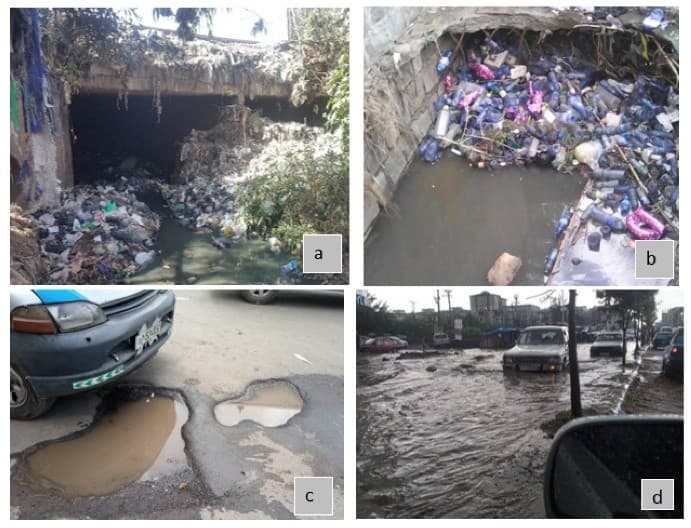
Urban drainage = engineered channels, pipes, water-bodies managing storm run-off in cities.

Crisis acute in Delhi, Mumbai, Bengaluru; 70 % urban India lacks scientific storm drains.

High-intensity, short-burst rains + rampant concretisation overwhelm 19th--20th-century systems.

Quick Facts for MCQs

Drivers of Failure

  • Climate-change: rising frequency of 100 mm+ hourly downpours across north-western plains, coastal Konkan.
  • Concretisation: floodplains, lake-beds, open soils replaced by impervious surfaces, cutting infiltration.
  • Legacy design: many drains built for 1-in-2-yr events; no separate sewer-storm lines in Patna, Bhopal.

Legal & Policy

  • Central Manual 2019 sets higher return periods, capacity checks every five years.
  • AMRUT 2.0, Atal Bhujal, Amrit Sarovar push integrated drains, recharge, water-body revival.
  • GIS-based mapping made compulsory in Smart Cities & Delhi master-plan 2041 draft.

Tech & Schemes

  • Simulation models: runoff forecasting, land-use linked redesign (Delhi, Hyderabad pilots).
  • Permeable pavements, bioswales, rooftop gardens promoted under Swachh Bharat Green City guidelines.
  • Underground retention tanks under parks, bus-depots tested in Chennai, Surat.

Prescribed Remedies

  • Enforcement: desilting schedules, ban on drain covering, strict zoning of floodplains.
  • Decentralisation: ward-level soak-pits, recharge shafts, community rainwater capture.
  • Awareness: city campaigns on not dumping waste in nallahs, linking RW harvesting to property tax rebates.

Key Data Points

FeatureData-Point
Urban areas without planned drains>70 % (MoHUA)
Mumbai drain design (year)1860s; 25 mm/hour capacity
Mumbai current peak rain>100 mm/hour; 80 % water-bodies lost in 40 yrs
Delhi design norm (1976)50 mm/day; 185.9 mm fell in one day, May 2025
Bengaluru encroached lakes>65 % of interlinked lakes
Manual on SWD 2019Recommends 1-in-5 / 1-in-10 yr design
AMRUT 2.0Mandates integrated storm-water networks & water-body harvesting
MBBL 2016Rainwater harvesting mandatory for plots > 100 sq m
Jal Shakti AbhiyanPromotes urban groundwater recharge structures
GS-1MappingQuick Bite

6.Birch Glacier Collapse Switzerland (Birch Glacier Collapse)

Hindustan Times

What & Where

Birch Glacier – valley glacier in Lötschental, Swiss Alps, adjoining Bietschhorn peak.

Collapse zone affects River Lonza, triggering ice-rock-mud landslide and flood threat.

Alps – Europe’s largest fold-mountain arc across 8 countries; Swiss segment south of Swiss Plateau.

Quick Facts for MCQs

Environmental Impact

  • Landslide buried Alpine village under ice, rock, mud; high casualty and infrastructure risk.
  • Debris accumulation elevates Lonza flood potential, sediment overload downstream.
  • Glacier instability driven by compounded geohazards rather than single trigger.

Climate Change Indicators

  • Rapid 40 % Swiss glacier volume decline underscores accelerated warming of European highlands.
  • Permafrost thaw weakens ice-bonded rock, increasing likelihood of multi-hazard collapses.
  • Record 2022–23 temperatures produced unprecedented 10 % ice loss within two years.

Regional Geography

  • Swiss Alps positioned south of Swiss Plateau, forming primary climatic and trade divide.
  • Mountain passes historically linked Italian markets to northern Europe despite rugged topography.
  • Alps’ eight-nation span creates shared transboundary climate-adaptation challenges.

Key Data Points

FeatureData-Point
Glacier nameBirch Glacier
LocationLötschental Valley, Switzerland
Nearest peakBietschhorn (3,934 m)
River impactedLonza
Swiss glacier volume loss since 2000≈ 40 %
Loss in 2022–23 heat years≈ 10 %
Alps countries spannedFR, CH, IT, LI, AT, DE, SI, MC
Highest Alpine peakMont Blanc (4,808 m)
Alps roleHistoric N–S Europe trade barrier
Key destabilisersHeavy debris, permafrost thaw, rising temperature
GS-1Mapping

7.Nigeria Floods and Geography (Nigeria Geography)

Times of India
Illustration for Nigeria Floods and Geography (Nigeria Geography)

What & Where

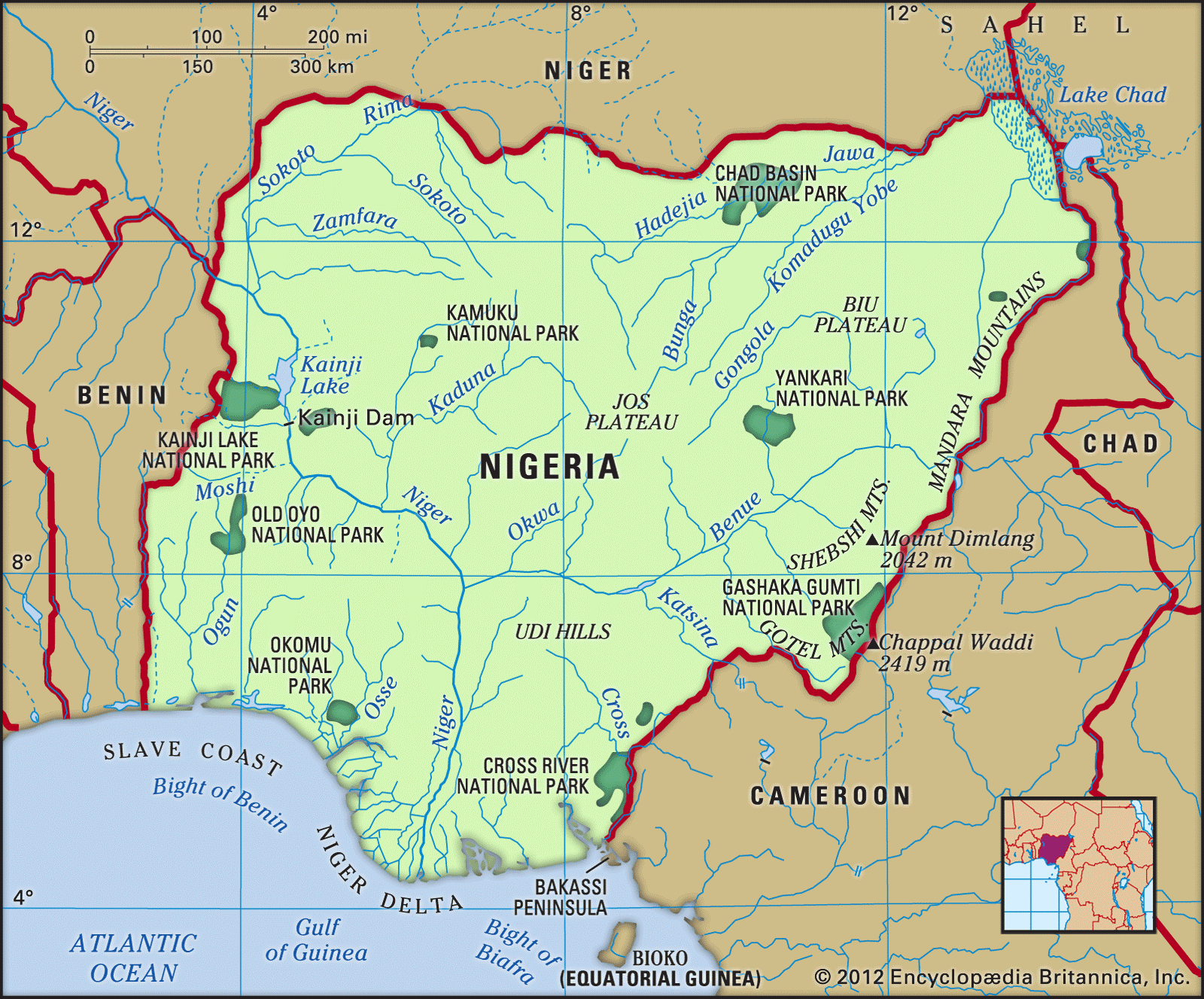
Flood event: Central Nigeria, chiefly Niger State, triggered by torrential rain plus Mokwa-based Alau dam collapse.

Setting: Middle-Belt confluence of Niger & Benue rivers, draining toward low-lying, mangrove-rich Niger Delta.

Toll: 150 + fatalities; extensive rural inundation and crop loss.

Quick Facts for MCQs

Hydrometeorological Cause

  • Intense monsoon-type rainfall overwhelmed catchment storage.
  • Dam failure released additional surge, amplifying riverine flooding.
  • Poor early-warning systems limited evacuation time.

Physical Geography

  • Confluence zone of Niger–Benue naturally flood-prone during peak rains.
  • Low coastal gradient of Niger Delta slows discharge, prolonging inundation.
  • Udi-Nsukka escarpments bound eastern floodplains.

Vulnerability & Impact

  • Agrarian settlements on fertile alluvium face recurrent waterlogging.
  • Damage to transport links hampers relief delivery to interior.
  • Potential secondary outbreaks: water-borne diseases, vector proliferation.

Key Data Points

FeatureData-Point
Capital of NigeriaAbuja
Deaths in 2023 flood150 +
Failed structureAlau dam, Mokwa
Major riverNiger River
Largest tributaryBenue River
Highest peakChappal Waddi – 2,419 m
2nd highest peakMount Dimlang – 2,042 m
Key man-made lakeLake Kainji
Delta ecosystemsBrackish mangroves, swamps, oxbow lakes
Bordering nationsNiger, Chad, Cameroon, Benin; S coast on Gulf of Guinea
Northern plainsSokoto & Borno sedimentary basins
Plateau in centreJos Plateau (extinct volcanoes)
Vulnerable basin NEChad Basin
GS-1Mapping

8.Paraguay Rivers and Landforms (Paraguay Geography)

DD News
Illustration for Paraguay Rivers and Landforms (Paraguay Geography)

What & Where

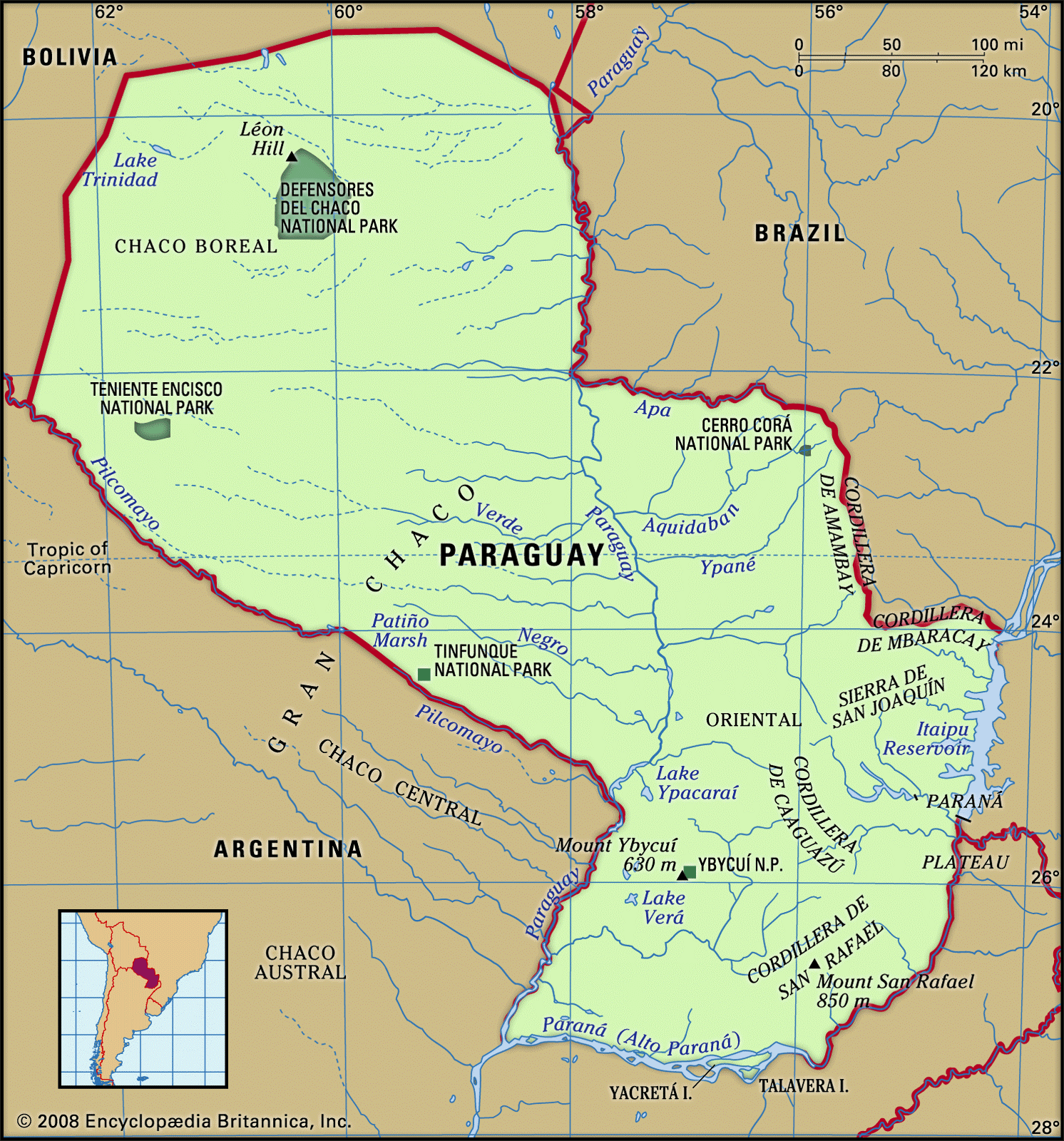
Paraguay; land-locked South-Central American republic, east–west split by Paraguay River into Región Oriental & Chaco Boreal.

Current President Santiago Peña Palacios on first state visit to India, 2–4 June 2025; only second Paraguayan presidential trip.

Core geography: Brazilian Plateau in east, hydropower-rich Paraná–Paraguay basin, subtropical-to-tropical climate gradient.

Quick Facts for MCQs

Diplomatic Visit

  • Objective; deepen trade, tech, diplomatic cooperation during Peña’s maiden Indian state visit.
  • Historical; second Paraguayan presidential visit after 2012 Fernando Lugo trip.
  • Platform; aligns with India’s Latin America outreach under Act Global policy.

Physical Geography

  • Terrain; eastern rolling plateau, western semi-arid lowland Chaco.
  • Hydrography; Paraná & Paraguay valleys dominate central–western landscape, fueling Itaipu-Yacyretá hydropower complexes.
  • Biodiversity; transition from Atlantic Forest east to thorny scrub Chaco west.

Climate & Hydropower

  • Gradient; rainfall halves from humid east to drier west, influencing agriculture zoning.
  • Energy; river flow enables surplus electricity exports to Brazil, Argentina.
  • Vulnerability; El Niño years amplify eastern floods, western droughts.

Key Data Points

FeatureData-Point
CapitalAsunción
Continent zoneSouth-Central America
LandlockedYes
Border countriesBolivia, Brazil, Argentina
Tropic positionMostly south of Tropic of Capricorn
River divisionParaguay River
Eastern region nameRegión Oriental
Western region nameRegión Occidental / Chaco Boreal
Major riversParaguay, Paraná, Pilcomayo, Apa
Key lakesYpoá, Ypacaraí
Highest peakMount San Rafael – 850 m
Main rangesAmambay, Mbaracayú, Cordillera de San Rafael
PlateauBrazilian Plateau extension
Climate eastSubtropical
Climate westTropical
Rainfall east1,400–1,650 mm
Rainfall west~760 mm
Power statusTop hydropower exporter
Visit dates2–4 June 2025
Visiting dignitaryPresident Santiago Peña Palacios

Related UPSC Prelims PYQs

GEO_GS, GS1 2005PYQ 1

Itaipu Dam built on the River Parana is one of the largest dams in the world. Which one of the following two countries have this as a joint project?

GEO_GS, GS1 2023PYQ 2

Which one of the following countries is landlocked?

GS-3Environment

9.Jharkhand Proposes Palamau Tiger Safari (Tiger Safari Policy)

Indian Express

What & Where

Tiger safari – enclosed, naturalistic facility ensuring tiger sighting; houses rescued, conflict-prone or orphaned animals

Key types – Captive safari vs traditional wild safari model

Proposed site – fringe zone of Palamu Tiger Reserve, Latehar district, Jharkhand, Chhotanagpur Plateau

Quick Facts for MCQs

Legal & Policy

  • Compliance requires Wildlife Act provisions, NTCA norms, CZA design approval, SC spatial restriction
  • Safari model offers guaranteed sighting reducing tourist pressure on core habitat
  • Jharkhand’s first safari aligns with national push for regulated ex-situ conservation tourism

Ecology & Biodiversity

  • PTR hosts dry deciduous ecosystem supporting large carnivores plus elephants and endemic antelopes
  • Perennial Burha River ensures crucial water holes during dry season
  • Captive safari can serve as rescue centre for conflict tigers from fragmented Jharkhand forests

Historical Note

  • PTR venue of world’s first pugmark based tiger census in 1932, pioneering population monitoring
  • Inclusion in 1974 Project Tiger list underscores longstanding conservation priority
  • Region’s colonial forestry legacy informed early wildlife enumeration methods

Tourism & Economy

  • Guaranteed tiger views expected to boost eco-tourism revenue in a Naxal-affected district
  • Safari adjoining but outside buffer mitigates wildlife disturbance while offering jobs to local communities
  • Infrastructure must meet CZA visitor, animal welfare, and education criteria

Key Data Points

FeatureData-Point
Governing ActWildlife (Protection) Act 1972
Main GuidelinesNTCA 2012 & 2016
Design AuthorityCentral Zoo Authority
SC March 2024 orderSafari outside core & buffer zones
PTR Project Tiger notification1974
PTR locationLatehar district, Jharkhand
PlateauChhotanagpur
Draining riversNorth Koel, Burha, Auranga
Forest typeNorthern Tropical Dry Deciduous
Dominant treeSal (Shorea robusta)
Flagship faunaBengal Tiger
Other key faunaElephant, Leopard, Sloth Bear, Grey Wolf, Pangolin, Otter, Four-horned Antelope
Original Project Tiger count9 reserves; PTR among them
First pugmark census year1932
Census leadJ W Nicholson

Related UPSC Prelims PYQs

GS1 2017PYQ 1

Recently there was a proposal to translocate some of the lions from their natural habitat in Gujarat to which one of the following sites?

GS1 2012PYQ 2

Consider the following protected areas:

GS-3Environment

10.Tech Industry Cuts Data-Centre Emissions (Data Centre Emissions)

The Hindu

What & Where

Advanced data-centre cooling: cold-plate & immersion methods piloted by Microsoft/WSP, applicable to hyperscale campuses worldwide

Tech industry climate roadmap: 42 % GHG cut (2015-30), net-zero mid-century, 100 % renewable ops (Google 2030 target)

Indian leadership hubs: Bengaluru, Hyderabad, Mumbai firms (Infosys, Reliance, Tech Mahindra) embedding AI, blockchain for ESG

Quick Facts for MCQs

Tech & Schemes

  • Carbon credits: Verified units fund conservation; blockchain boosts issuance transparency per Gold Standard
  • Renewable integration: Amazon, Apple, Meta run green campuses; onsite solar, PPAs dominate supply mix
  • AI-driven cooling: Sensors modulate fluid flow, cutting peak electricity demand in server halls

Challenges

  • Lifecycle trade-off: Coolant manufacture may offset operational gains, stressing LCAs necessity
  • Capital intensity: Retrofitting legacy data centres, R&D on fluids elevate upfront costs
  • Regulatory gaps: No unified coolant standards; fragmented carbon-market rules hinder scale

Way Forward

  • Government levers: Tax credits, green-finance windows, subsidies for early sustainable-tech adopters
  • Global framework: Harmonise carbon-credit certification, climate disclosures across jurisdictions
  • R&D focus: Develop low-GWP fluids, modular immersion designs, adaptive AI control systems

Key Data Points

FeatureData-Point
Emission cut goal42 % by 2030 vs 2015
Net-zero timelineMid-century (~2050)
Cooling emission drop15–21 % vs conventional air systems
Water savingUp to 52 % through immersion/cold-plate
Major study partnersMicrosoft & WSP Global
Google renewable pledge100 % clean energy by 2030
Carbon credit usersGoogle, Netflix; Indian IT adopters via blockchain
Key Indian green IT firmsInfosys, Reliance, Tech Mahindra

Related UPSC Prelims PYQs

CAPF_GAI 2025PYQ 1

India’s key climate targets include

GS-3Species

11.Primates in Peril Report (Endangered Primates)

Down to Earth
Illustration for Primates in Peril Report (Endangered Primates)

What & Where

Report Primates in Peril 2025 identifies 25 globally threatened primate species.

Regional split of species count: Africa 6; Madagascar 4; Asia 9; South America 6.

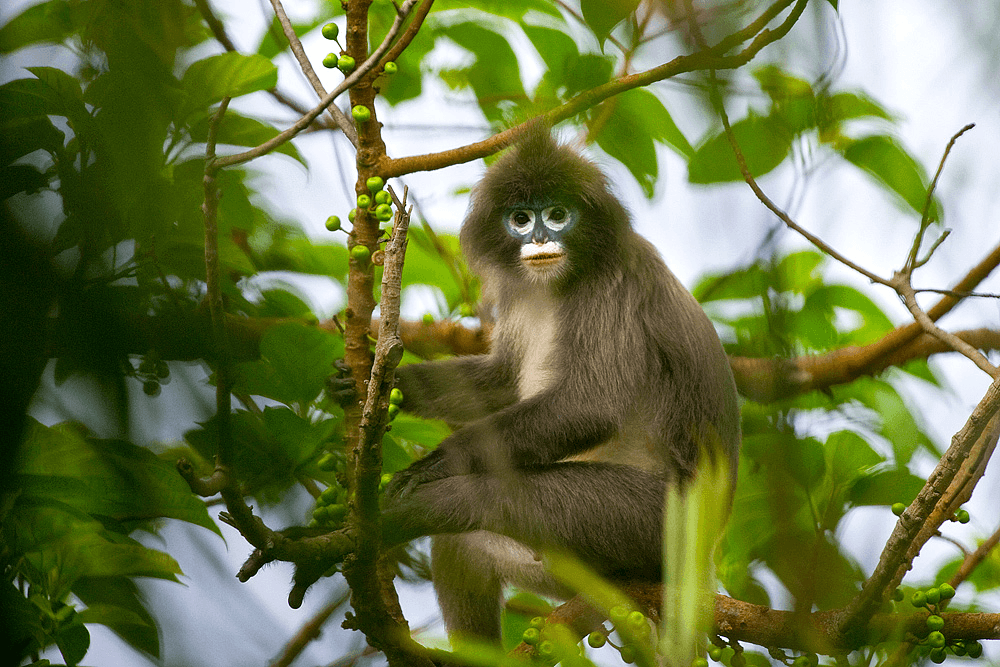
Indian focus: Phayre’s Langur & Western Hoolock Gibbon reviewed yet omitted; both remain Endangered, Schedule I.

Quick Facts for MCQs

Conservation Status

  • Critically Endangered: Cross River Gorilla; Tapanuli Orangutan
  • Endangered India: Phayre’s Langur; Western Hoolock Gibbon
  • All listed species assessed under IUCN Red List criteria

Geographical Distribution

  • Africa primates mainly Cameroon-Nigeria forests
  • Asian list spans Indonesia, India, Bangladesh, Myanmar corridors
  • South American entries concentrated in Amazonian Neotropics

Indian Species Traits

  • Phayre’s Langur spectacled visage; diurnal arboreal folivore preferring evergreen & bamboo mosaics
  • Western Hoolock Gibbon tailless pair-duet singer; occupies moist deciduous to lowland forests
  • Both rely on contiguous canopy; fragmentation primary threat

Legal & Policy

  • Schedule I confers highest protection; hunting or trade prohibited
  • Sanctuaries and community reserves pivotal for Northeast primate corridors
  • Report aids India’s National Primate Conservation Action Plan

Key Data Points

FeatureData-Point
Total species in report25
Africa species share6
Madagascar species share4
Asia species share9
Neotropics species share6
Most endangered great apesCross River Gorilla; Tapanuli Orangutan
Cross River Gorilla groups≥ 11 in Cameroon & Nigeria
Tapanuli Orangutan population< 800 individuals
IUCN status of bothCritically Endangered
India’s only apeWestern Hoolock Gibbon
Gibbon core refugeHoollongapar Sanctuary, Assam
Phayre’s Langur Indian rangeAssam, Mizoram, Tripura
Key Tripura sanctuariesSipahijala; Trishna; Gumti
Legal shield in IndiaWildlife (Protection) Act 1972 Schedule I
2023 UPSC tool-use answerOrangutan

Related UPSC Prelims PYQs

GS1 2008PYQ 1

Among the following, which one is not an ape?

GS1 2012PYQ 2

Which one of the following groups of animals belongs to the category of endangered species?

GS-3S&TQuick Bite

13.Mosura Fentoni Cambrian Fossil (Cambrian Fossil)

The Hindu
Illustration for Mosura Fentoni Cambrian Fossil (Cambrian Fossil)

What & Where

Species Mosura fentoni – small, highly-specialised Cambrian radiodont; fossils from Burgess Shale, British Columbia, Canada.

Timeframe 541-485 Ma; environment shallow Cambrian seas.

Belongs to radiodonts, early arthropod relatives, showing advanced swimming & respiratory tagma.

Quick Facts for MCQs

Anatomy & Physiology

  • Segmentation shows distinct neck, swimming trunk, gill-bearing posterotrunk.
  • Paddle flaps enable agile propulsion unlike many contemporaneous predators.
  • Gilled posterotrunk acts as dedicated respiratory tagma, enhancing oxygen uptake.

Evolutionary Insight

  • Early segment specialisation foreshadows modular body plans in modern insects/crustaceans.
  • Advanced locomotion + respiration suggest rapid arthropod functional diversification post-Cambrian explosion.
  • Radiodonts classify as close relatives, not direct ancestors, of extant arthropods.

Fossil Context

  • Burgess Shale provides soft-tissue preservation, revealing fine gill structures.
  • Discovery challenges view that sophisticated swimming/respiration arose later in arthropod evolution.

Key Data Points

FeatureData-Point
Geological periodCambrian (541-485.4 Ma)
Fossil siteBurgess Shale, Canada
Taxonomic groupRadiodont (primitive arthropod relative)
Body planSegmented trunk + short neck
Swimming aidSix paddle-shaped lateral flaps
Respiratory organPosterotrunk bearing external gills
Tagma analogResembles horseshoe crab oxygen-collecting tail
Evolutionary cueEarly segment specialisation in arthropod lineages
GS-2Economy

14.Asian Development Bank Overview (ADB Functions)

Down to Earth
Illustration for Asian Development Bank Overview (ADB Functions)

What & Where

Asian Development Bank (ADB) – regional MDB promoting inclusive, sustainable growth across Asia-Pacific.

$434.25 mn ADB loan for 1,000 MW Solar Power Park, Karbi Anglong district, Assam, cancelled.

Union Finance Ministry acted on Assam govt request to avoid indigenous land conflict.

Quick Facts for MCQs

Social Concerns

  • Tribal-land protest; Karbi & other indigenous groups feared displacement, loss of community forests.
  • Cancellation aimed at averting further conflict, safeguarding customary land rights.
  • Indicates rising scrutiny of green projects on indigenous territories.

Economic Angle

  • Solar park envisioned to boost Northeast India’s renewable capacity and grid stability.
  • Loan withdrawal stalls $434 mn foreign funding, requiring alternative financing or downsizing.
  • Demonstrates cost of inadequate social impact assessment in infrastructure planning.

Governance & Membership

  • Capital-weighted voting; larger subscriptions give greater influence in ADB decisions.
  • Five biggest shareholders collectively hold ~49 % voting power.
  • Non-regional members (e.g., Germany, Canada) participate to foster wider development cooperation.

Key Data Points

FeatureData-Point
ADB HQMandaluyong, Metro Manila, Philippines
Establishment19 Dec 1966
Total members (2024)69
Asia-Pacific members50
Loan cancelled$434.25 million
Project capacity1,000 MW solar
Affected areaKarbi Anglong, Assam
Major shareholders (2020)Japan 15.7 %, USA 15.7 %, China 6.4 %, India 6.3 %, Australia 5.3 %
Founding inspirationUNESCAP
UN statusObserver in UNGA

Related UPSC Prelims PYQs

GS1 2025PYQ 1

निम्नलिखित में से किस एक ने 'एशिया और प्रशांत क्षेत्र के लिए प्रकृति समाधान (नेचर सॉल्यूशन्स) फंड' प्रारंभ किया?

GS1 2019PYQ 2

एशियाई अवसंरचना निवेश बैंक (Asian Infrastructure Investment Bank – AIIB) के संदर्भ में, निम्नलिखित कथनों पर विचार कीजिए :

GS-2Infrastructure

15.International Air Transport Association Overview (IATA Functions)

PMI

What & Where

IATA; global trade body for commercial airlines; standard-setter in safety, ticketing, cargo

Founded April 1945, Havana; successor to 1919 International Air Traffic Association

Headquarters Montreal, Canada; executive offices Geneva, Switzerland

Quick Facts for MCQs

History & Evolution

  • Post-war creation to coordinate fares; initially allowed price-fixing under state regulation
  • Shifted toward liberalized advocacy, safety audits, digital ticketing leadership
  • AGM returns to India shows emerging aviation market influence

Objectives & Functions

  • Representation; lobbies for fair fees, harmonised global regulations
  • Standardisation; issues technical manuals, financial settlement systems
  • Support; runs clearing house, cargo protocols, training for member carriers

Green Transition

  • Agenda; Sustainable Aviation Fuel, decarbonisation roadmaps, energy security
  • Financing; explores mechanisms for capital-intensive fleet and infrastructure upgrades
  • Innovation; promotes connectivity tech and eco-efficient airport designs

Key Data Points

FeatureData-Point
Current AGM81st edition, New Delhi
India hosts after42-year gap
Members317 airlines
Coverage~82 % world air traffic
Flagship meetWorld Air Transport Summit
First tariff conferenceRio de Janeiro, 1947
Origin contextPost-Chicago Convention 1944
Core HQ cityMontreal
Executive office cityGeneva
Establishment year1945
Founding venueHavana, Cuba
GS-3SecurityQuick Bite

16.Nomadic Elephant 17th Exercise (India-Mongolia Exercise)

PIB
Illustration for Nomadic Elephant 17th Exercise (India-Mongolia Exercise)

What & Where

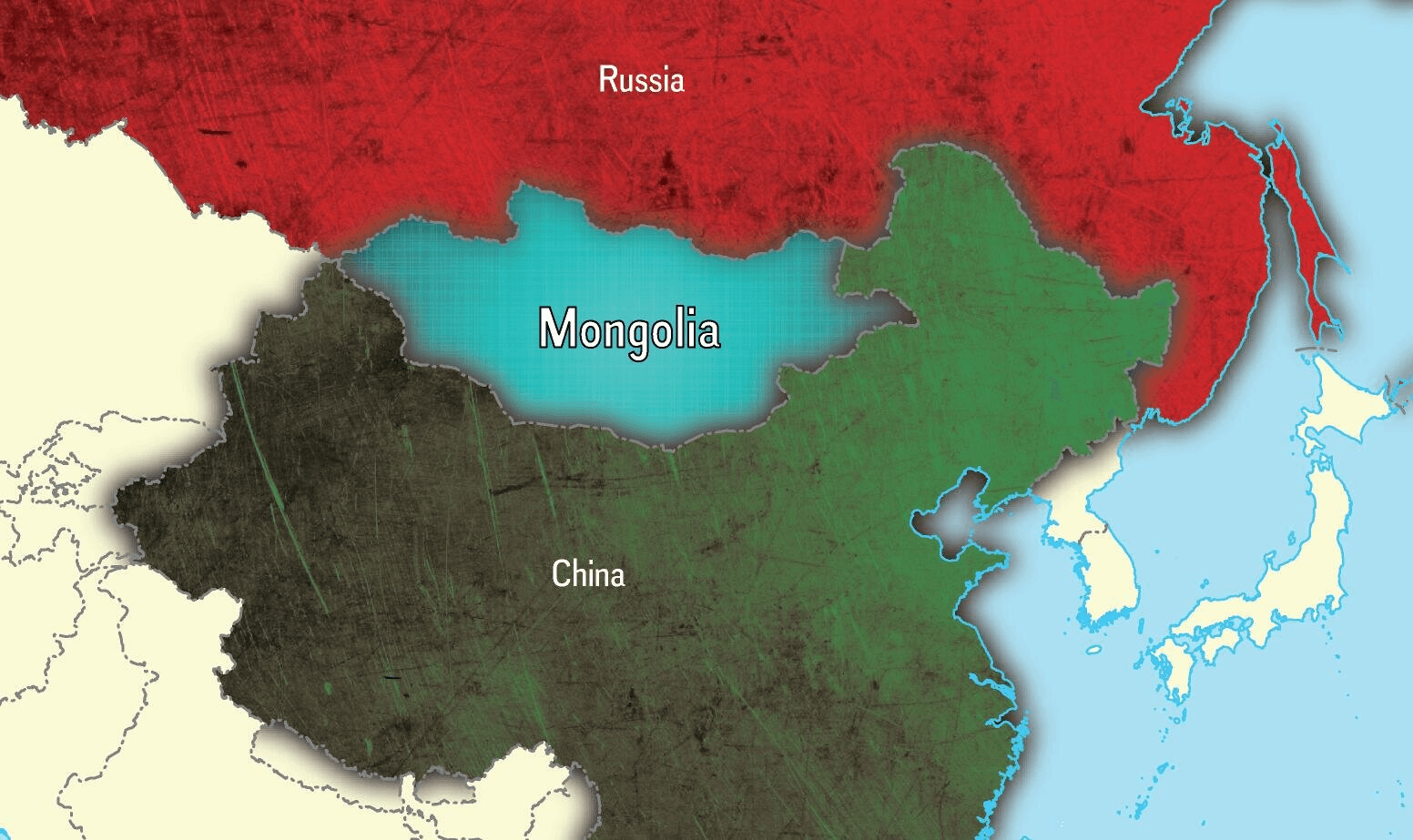
Nomadic Elephant: bilateral India–Mongolia army exercise alternating since 2006.

17th edition: Ulaanbaatar, Mongolia; previous (16th) at Umroi, Meghalaya, Jul 2024.

Focus: semi-conventional ops in semi-urban/mountainous terrain under UN Chapter VII mandate.

Quick Facts for MCQs

Security Dimension

  • Objective: enhance India–Mongolia interoperability for counter-insurgency-like semi-conventional missions.
  • Training includes live-fire, cordon-search, casualty evacuation in high-altitude settings.
  • Builds rapid deployment readiness for UN peace enforcement tasks.

UN Framework

  • Chapter VII empowers UNSC to sanction, blockade or deploy forces to restore peace.
  • Exercises familiarise troops with ROE, mandate compliance under Chapter VII missions.

International Examples

  • Khaan Quest: Mongolia-hosted multinational peacekeeping drill; India a regular participant, reinforcing wider defence ties.

Key Data Points

FeatureData-Point
Edition 202517th
Host cycleAlternates India & Mongolia annually
First held2006
2025 venueUlaanbaatar, Mongolia
2024 venueUmroi, Meghalaya
Terrain focusSemi-urban & mountainous
UN basisChapter VII peace-enforcement
Related exerciseKhaan Quest (multinational, Mongolia)

Related UPSC Prelims PYQs

CAPF_GAI, ESE_GS 2024PYQ 1

Aim of exercise 'Nomadic Elephant' is to build positive military relations, exchange best practices, develop interoperability, bonhomie, camaraderie and friendship between India and which one of the following countries?

CAPF_GAI, ESE_GS 2023PYQ 2

Exercise Ajeya Warrior is a biennial training event between the Indian Army and the army of:

Ready to practice?

Test your knowledge with our UPSC test series.

Start Free Trial