UPSC Current Affairs

14 topicsGS-1: 4GS-2: 4GS-3: 6
0/14 done
GS-3Editorial

1.India's Cryptocurrency Policy Concerns (Cryptocurrency Regulation)

Indian Express

What & Where

MoU between Pakistan’s Crypto Council & US-based World Liberty Financial Inc to build crypto-based financial system

Covers launch of stablecoins, tokenisation of rare-earth assets, aim to make Pakistan a South-Asia crypto hub

Backed by Pakistan PM Shehbaz Sharif & Army Chief Asim Munir; raises security concerns for neighbouring India

Quick Facts for MCQs

Security Dimension

  • Terror-financing risk highlighted; crypto shares hawala traits enabling pseudo-anonymous cross-border transfers
  • Lack of Indian regulator hampers FIU-IND monitoring of suspect wallets and exchanges
  • Early Pakistani adoption could erode India’s strategic tech edge similar to past nuclear intelligence lapse

Legal & Policy

  • India taxes crypto without statute; no dedicated regulator or grievance redressal like SEBI / RBI
  • Supreme Court urged legislative clarity; current vacuum exposes investors and macro-stability
  • Proposal emerging for Digital Asset Regulatory Authority integrating monetary, cyber and compliance roles

Geopolitical Angle

  • Pakistan leveraging US diaspora to court Trump-linked investors, seeking tech diplomacy traction in Washington
  • WLFI pact could shift regional influence, diluting India’s existing advantage in emerging technologies
  • Coordination advised with G20, FATF, IMF to shape cross-border standards and retain normative leadership

Tech & Schemes

  • Plan includes blockchain for financial inclusion, trade settlement, asset tokenisation of rare-earth elements
  • India urged to accelerate e₹ rollout, integrate with fintech stack, avoid private-crypto vacuum
  • Awareness drives needed to educate 100 + million Indian users on risks, legality, and reporting norms

Key Data Points

FeatureData-Point
US firm involvedWorld Liberty Financial Inc (WLFI)
Pakistani partnerNewly formed Pakistan Crypto Council
Indian crypto tax30 % on gains + 1 % TDS on transfers
Indian user base (Triple-A)100 + million
Supreme Court remarkMay 2025 flagged absence of crypto law
Major Indian fraud cited₹900 crore GainBitcoin scam
India CBDC statuse₹ pilot ongoing, limited retail linkages
Global watchdog on terror financeFATF

Related UPSC Prelims PYQs

GS1 2021PYQ 1

भारत के संदर्भ में, निम्नलिखित कथनों पर विचार कीजिए :
GS-3Infrastructure

2.Eco-Fishing Harbour Initiative (Fishing Harbour Infra)

TW
Illustration for Eco-Fishing Harbour Initiative (Fishing Harbour Infra)

What & Where

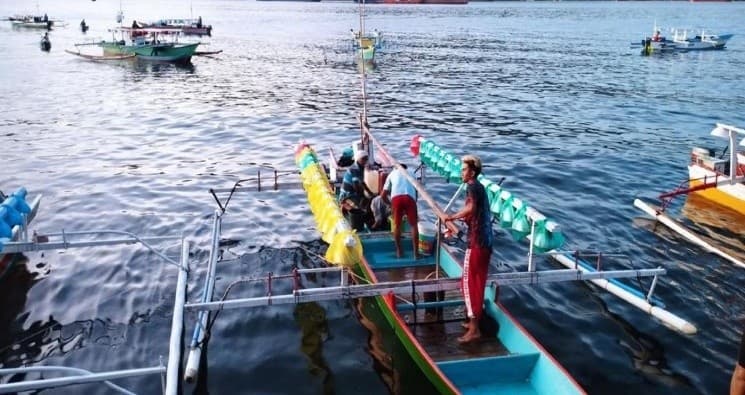
Eco-Fishing Ports – Dept. of Fisheries scheme to build green, smart, inclusive fishing harbours across Indian coast

Blue Ports Initiative – FAO-backed model-harbour programme under PMMSY; 3 pilot sites: Vanakbara (Daman & Diu), Karaikal (Puducherry), Jakhau (Gujarat)

Venue – Technical Dialogue with Agence Française de Développement (AFD), New Delhi

Quick Facts for MCQs

Legal & Policy

  • Alignment with Blue Economy framework of GoI
  • Eco-Fishing Ports launched directly by Department of Fisheries, no separate Act required
  • Supports Sustainable Development Goal 14 (Life Below Water)

Tech & Schemes

  • Smart monitoring via IoT sensors enables real-time harbour operations
  • AI & predictive models used for vessel traffic, weather risks
  • Energy-efficient lighting and electric equipment mandated in pilot sites

Environmental Impact

  • Renewable energy mix lowers carbon footprint of harbour operations
  • Sewage Treatment Plants and composting minimise water & land pollution
  • Climate-resilient breakwaters designed for rising sea levels

Social Concerns

  • Women empowerment through value-added seafood processing units
  • Community co-management ensures local governance & conflict reduction
  • Enhanced cold storage boosts fisher income stability

Key Data Points

FeatureData-Point
Nodal ministryFisheries, Animal Husbandry & Dairying
Foreign partner (dialogue)Agence Française de Développement
Global body linkedFAO (Blue Growth agenda)
Parent schemePradhan Mantri Matsya Sampada Yojana
Pilot harbour states/UTsDaman & Diu, Puducherry, Gujarat
Core tech toolsIoT, AI, sensor networks, remote sensing
Green elementsEco breakwaters, STPs, rainwater harvest, solar/wind power
Social mechanismCo-management societies for fishers & women
Post-harvest focusCold chain, hygienic handling, export quality
Climate actionsMarine-debris removal, adaptive design standards

Related UPSC Prelims PYQs

ESE_GS 2026PYQ 1

What is the name of the national digital framework launched at India Maritime Week 2025 to make Indian ports data-driven and AI-enabled?

ESE_GS 2026PYQ 2

Which institution released the report titled “India’s Blue Economy: Strategy for Harnessing Deep-Sea and Offshore Fisheries”?

GS-1Environment

3.Madden-Julian Oscillation Impact (Monsoon Dynamics)

Indian Express
Illustration for Madden-Julian Oscillation Impact (Monsoon Dynamics)

What & Where

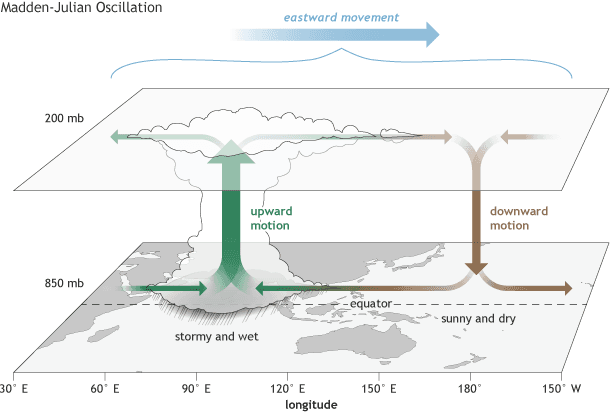
Tropical, east-moving disturbance coupling convection, winds, pressure; spans entire equatorial belt

Alternates Enhanced-rainfall & Suppressed-rainfall phases while circling globe every 30–60 days

Dominant 30° N–30° S over Indian → Pacific → Atlantic Oceans

Quick Facts for MCQs

Formation Process

  • Surface convergence creates rising moist air, upper-level divergence maintains deep convection
  • Dipole of rising–sinking branches migrates eastward along equator
  • Propagation speed modulated by background trade winds

Influencing Factors

  • SST anomalies in Indian & Pacific basins alter convection strength
  • Zonal wind shear and mid-tropospheric moisture modulate propagation
  • El Niño years can amplify or mute MJO amplitude

Indian Monsoon Impact

  • Active phase over Arabian Sea boosts cyclogenesis and onset timing
  • Enhances intra-seasonal rainfall bursts, shortens monsoon breaks
  • Suppressed phase may coincide with dry spells over sub-continent

Global Influence

  • Alters cyclone genesis counts across basins, including Western Pacific & North Indian Ocean
  • Shifts jet streams, spawning US cold surges, European heatwaves, Australian floods
  • Acts as sub-seasonal climate driver, unlike seasonal ENSO control

Key Data Points

FeatureData-Point
Full nameMadden–Julian Oscillation
DiscoverersRoland Madden & Paul Julian
Discovery year1971
Global circuit time30–60 days
Movement directionWest → East
Core latitude band30° N–30° S
Key phasesEnhanced Convective / Suppressed Convective
Kerala monsoon link 2024Active phase over Indian Ocean triggered early onset

Related UPSC Prelims PYQs

GS1 2002PYQ 1

For short-term climate prediction, which one of the following events, detected in the last decade, is associated with occasional weak monsoon rains in the Indian sub-continent?

GS-1Environment

4.Early Southwest Monsoon Onset 2025 (Southwest Monsoon)

Indian Express
Illustration for Early Southwest Monsoon Onset 2025 (Southwest Monsoon)

What & Where

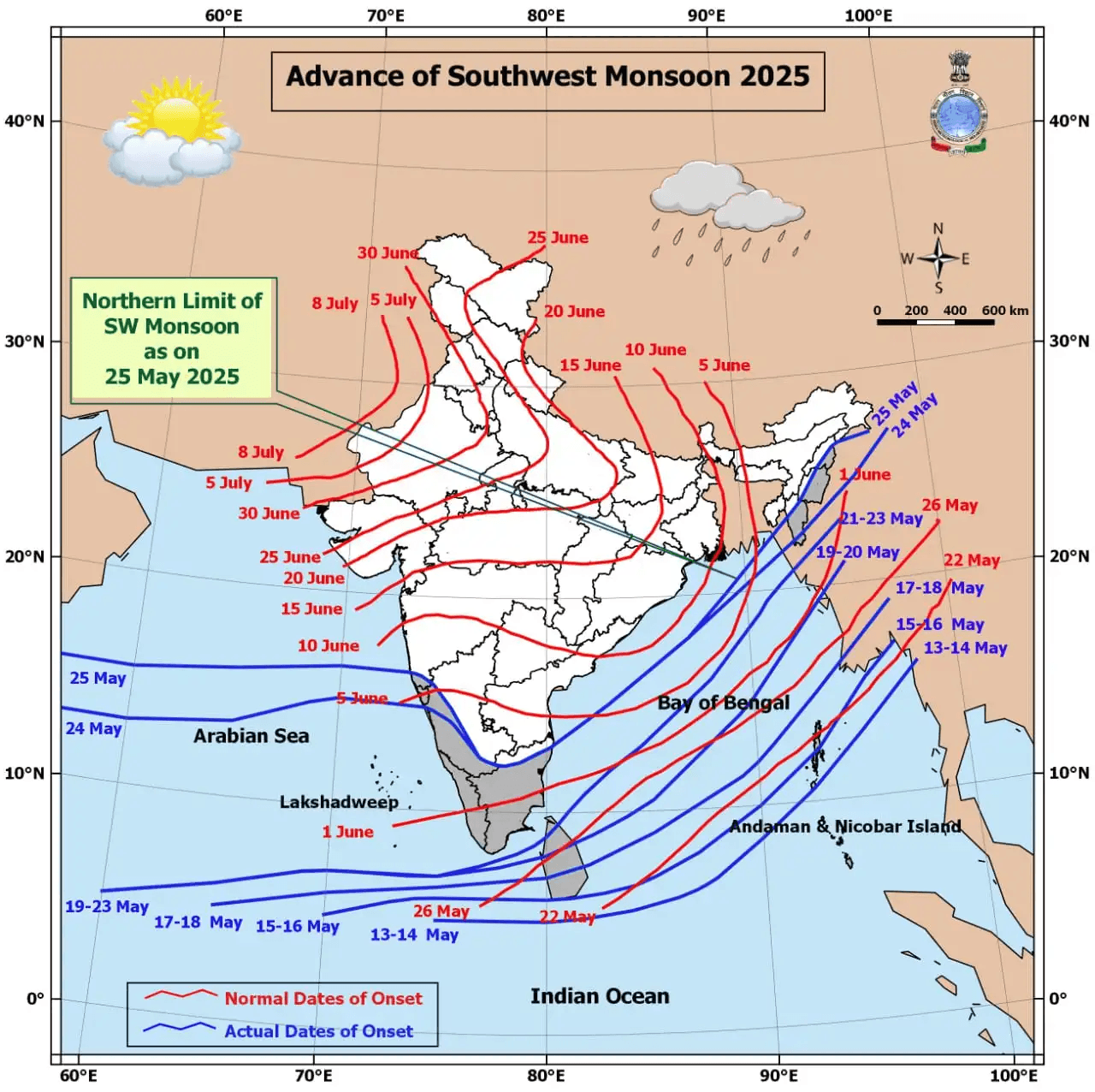
Southwest monsoon = seasonal westerlies delivering ≈70 % of India’s rain; Kerala coast (~8–12° N) is official entry gate.

IMD onset test: ≥60 % of 14 Kerala–Karnataka stations get ≥2.5 mm rain (2 days) + 15–20 kn westerlies (925 hPa, 0–600 hPa depth) + OLR < 200 W/m² (5–10° N, 70–75° E).

2025 onset came early (last such: 2009); timing steers sowing, water storage, power and price dynamics.

Quick Facts for MCQs

Atmospheric Triggers

  • MJO active phase, Mascarene High and strong Somali Jet jointly accelerate moisture inflow toward Kerala.
  • Heat-low over Arabian Sea–Pakistan plus monsoon trough guides moist southwesterlies inland.
  • Onset vortices over Arabian Sea can spin up into cyclones, hastening advance.

Economic Angle

  • Early showers enable timely rice, maize, pulse sowing; lift hydropower & reservoir levels.
  • Sudden rains damage harvested vegetables, spurring urban price spikes.
  • Higher output may raise agri-export earnings, supporting GDP growth.

Climate Change

  • Trend: overall monsoon rain −6 % in 50 yrs, yet extreme events surge, especially Central India.
  • Clausius-Clapeyron: atmosphere moisture capacity +7 % per 1 °C, intensifying cloudbursts.
  • Moderate-intensity rain days declining, complicating farm planning.

Cyclone Suppression

  • Peak monsoon shows vertical wind shear: 20–25 kn westerlies (900–800 hPa) vs 60–80 kn easterlies (150–100 hPa).
  • Shear disrupts vertical alignment, preventing July–Aug tropical cyclones despite warm, moist seas.

Key Data Points

FeatureData-Point
Annual rain share of SW monsoon>70 %
Rainfall criterion for onset60 % of 14 stations ≥2.5 mm (2 days)
OLR threshold zone<200 W/m², 5–10° N & 70–75° E
Required westerly depthUp to 600 hPa
Required wind speed15–20 knots at 925 hPa
MJO global cycle30–60 days
Somali Jet arrivalMay, crosses Arabian Sea
Red alert rainfall≥204.5 mm/24 h
Sea-surface temp for cyclogenesis≥26.5 °C, 50 m depth
Extreme rain rise (Central India)+75 % events (>150 mm/day)

Related UPSC Prelims PYQs

GEO_GS, GS1 1996PYQ 1

High temperature and low pressure over the Indian sub-continent during the summer season, draws air from the Indian Ocean leading to the in-blowing of the

GEO_GS, GS1 2026PYQ 2

Consider the following statements regarding South-West monsoons in India:

GS-3Species

5.Dugong Conservation Status (Endangered Species)

The Hindu
Illustration for Dugong Conservation Status (Endangered Species)

What & Where

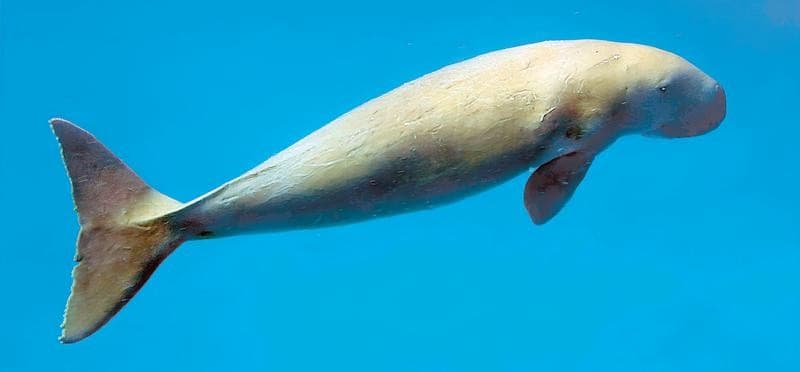
Definition : Dugong (Dugong dugon), only living Dugongidae member, herbivorous “sea cow”.

Habitat India : Warm, shallow coasts of Gulf of Mannar, Palk Bay, Gulf of Kutch, Andaman & Nicobar.

Event Note : World Dugong Day highlights protection focus in Palk Bay & Gulf of Mannar.

Quick Facts for MCQs

Legal & Policy

  • Schedule-I listing affords absolute hunting ban and stringent penalties.
  • India joined CMS Dugong MoU 2007; promotes regional action plans.
  • Tamil Nadu preparing Dugong Conservation Reserve across 500 sq km Palk Bay.

Biological Traits

  • Herbivory demands seagrass meadows, limiting range to productive shallows.
  • Low reproductive rate heightens vulnerability to any adult mortality.
  • No dorsal fin plus flipper forelimbs aid slow, bottom-grazing locomotion.

Ecological Importance

  • Seagrass-grazing prevents overgrowth, enhances light penetration, boosts meadow productivity.
  • Healthy meadows act as nurseries for fish, prawns, molluscs.
  • Seagrass beds sequester blue carbon, buffering coastal climate impacts.

Conservation Concerns

  • Threats : bycatch, boat strikes, habitat loss, seagrass dredging, plastic ingestion.
  • Small, fragmented Indian population (<250) raises genetic and extinction risk.
  • Community awareness and regulated fishing gear critical for immediate mitigation.

Key Data Points

FeatureData-Point
FamilyDugongidae (sole extant species)
Global IUCNVulnerable
India statusRegionally Endangered
WPA, 1972Schedule I (highest protection)
Max length≈ 3 m
Max weight≈ 300 kg
LifespanUp to 70 yrs
Diet20–30 kg seagrass/day
Maturity age9–10 yrs
Calving interval3–5 yrs
Pop-growth ceiling~5 % per annum
Teeth traitContinuous regeneration
Social unitSolitary or mother-calf pair
Dorsal finAbsent; torpedo body
Habitat typeStrictly marine; avoids freshwater

Related UPSC Prelims PYQs

GS1 2015PYQ 1

With reference to ‘dugong’, a mammal found in India, which of the following statements is/are correct?

GS1 2009PYQ 2

The marine animal called dugong which is vulnerable to extinction is a/an

GS-3S&T

6.Indigenous Stealth Fighter AMCA (Stealth Fighter)

Times of India
Illustration for Indigenous Stealth Fighter AMCA (Stealth Fighter)

What & Where

Indigenous fifth-generation stealth fighter programme, Advanced Medium Combat Aircraft (AMCA), sanctioned by Indian MoD

Developed for Indian Air Force to replace MiG/Jaguar fleets; to complement Tejas LCA & future MRFA

Design & production anchored in DRDO-ADA partnership with Hindustan Aeronautics Ltd; manufacturing to occur in India

Quick Facts for MCQs

Tech & Schemes

  • Super-cruise enables sustained supersonic flight without afterburner, improving fuel economy & strike reach
  • Internal bays reduce radar cross-section, maintaining stealth even while armed
  • AI-enabled avionics envisioned for predictive maintenance & adaptive mission management

Organisations & Roles

  • DRDO/ADA: design authority, system integration, certification responsibility
  • HAL: prototype fabrication, serial production, life-cycle support
  • Ministry of Defence: programme funding, user requirements alignment, export clearance

Security Dimension

  • Deep-strike capability strengthens nuclear triad’s aerial leg through standoff weapon delivery
  • Stealth plus sensor fusion expected to counter A2/AD bubbles in contested airspace
  • Indigenous platform reduces reliance on foreign fifth-gen fighters, boosting strategic autonomy

International Examples

  • USA’s F-22 first operational 5th-gen fighter (2005) sets benchmark for super-maneuverability
  • China’s J-20 mass-produced stealth jet; drives regional demand for equivalent Indian platform
  • Russia’s Su-57 offers example of twin-engine stealth design with emphasis on agility

Key Data Points

FeatureData-Point
GenerationFifth
Role spectrumAir-superiority, ground-attack, reconnaissance
Engine layoutTwin-engine with super-cruise
Stealth aidsRadar-absorbing material, internal weapon bays
Core avionicsAESA radar, AI-assisted sensor fusion
Flight controlsDigital fly-by-wire
Lead agenciesDRDO, ADA; production by HAL
Ministerial nodDefence Minister approval (2024)
Comparable jetsF-22, F-35, Su-57, J-20
Network abilityFull network-centric & electronic warfare suite

Related UPSC Prelims PYQs

CAPF_GAI, GS1 2024PYQ 1

Consider the following aircraft:

CAPF_GAI, GS1 2022PYQ 2

निम्नलिखित कथनों पर विचार कीजिए :

GS-3S&T

7.DIGIPIN Geocoded Address System (Digital Addressing)

PIB
Illustration for DIGIPIN Geocoded Address System (Digital Addressing)

What & Where

Initiative: ‘Know Your DIGIPIN’ & ‘Know Your PIN Code’ portals by Department of Posts for digital addressing

Purpose: Geo-coding and GNSS mapping modernise delivery, logistics, disaster response across India

Coverage: Geo-fencing spans 1.5 lakh+ PIN areas, including rural, urban and remote regions

Quick Facts for MCQs

Tech & Schemes

  • Geo-coding: Each DIGIPIN links to precise lat-long grid enabling high-resolution identification
  • GIS integration supports accurate logistics, emergency response, e-governance workflows
  • AaaS: Platform offers secure, standard API for government, private and citizen address services

Governance & Participation

  • Public feedback system crowdsources boundary corrections ensuring dynamic accuracy
  • Uniform digital identifiers aid subsidy delivery, emergency services, electoral management
  • Ministry targets last-mile service quality in underserved rural and remote zones

Open Data & Innovation

  • Source code, tech docs released on GitHub spurring developer experimentation
  • Geo-referenced PIN datasets published on Open Government Data portal under open license
  • Open platforms expected to stimulate indigenous geospatial startups and academic research

Key Data Points

FeatureData-Point
Launch bodyDepartment of Posts, Ministry of Communications
Policy anchorNational Geospatial Policy 2022
DIGIPIN collaboratorsIIT Hyderabad & NRSC-ISRO
DIGIPIN natureLatitude-longitude grid based digital address
Geo-fenced PINs>1.5 lakh six-digit codes mapped
Data hostingSource code on GitHub; PIN data on OGD portal
User utilityReal-time GNSS driven PIN retrieval
Public feedbackCitizen suggestions accepted to refine dataset
GS-3S&T

8.Customised Base Editing Therapy (Gene Editing Therapy)

Indian Express
Illustration for Customised Base Editing Therapy (Gene Editing Therapy)

What & Where

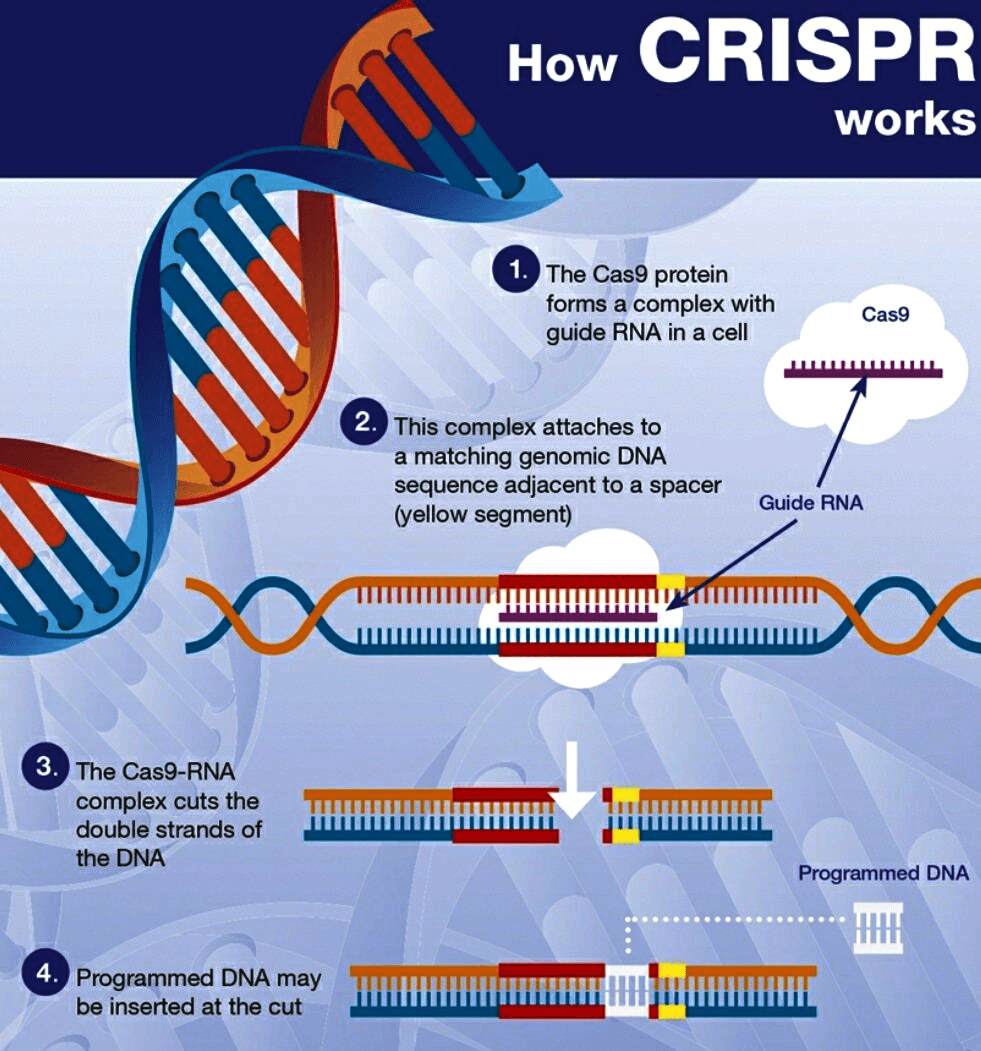
Gene-editing therapy: directed DNA modification for disease correction; chief platforms CRISPR-Cas9, TALENs, ZFNs, base editors

Base editing: Cas9 fused to deaminase swaps single nucleotide without double-strand break, lowering off-target risk

2025 first-ever human success in United States on newborn with CPS1 deficiency

Quick Facts for MCQs

Technique Details

  • CRISPR-Cas9 creates targeted double-strand cuts enabling insertion, deletion, or repair
  • Base editor performs A↔G or C↔T conversion by chemical deamination on one DNA strand
  • Guide RNA dictates locus specificity in both systems

Disorder Profile

  • CPS1 enzyme catalyzes first urea-cycle step; mutations impair ammonia detoxification
  • Newborn onset: lethargy, seizures, cerebral edema from hyperammonemia
  • Conventional care needs protein restriction, hemodialysis, liver transplant

Safety & Precision

  • Base editing avoids large indels, chromosomal translocations common with nuclease breaks
  • Lower DNA damage triggers reduced p53 activation, enhancing cell viability
  • Editing likened to pencil-eraser vs scissors-and-glue approach

Key Data Points

FeatureData-Point
Disorder treatedCarbamoyl-phosphate synthetase-1 (CPS1) deficiency
Key toxinAmmonia accumulation
Affected organLiver (urea cycle)
Editing platformBase editor (Cas9 + base-modifying enzyme)
Double-strand break madeNo
Guide elementSingle-guide RNA
Earlier toolsTALENs, Zinc-finger nucleases
First human use year2025
Implementing countryUnited States
Main advantageHigher precision, fewer off-target mutations

Related UPSC Prelims PYQs

GEO_GS, GS1 2025PYQ 1

Clustered Regularly Interspaced Short Palindromic Repeats are associated with

GEO_GS, GS1 2019PYQ 2

What is Cas9 protein that is often mentioned in news?

GS-2Economy

9.India Chairs Asian Productivity Organization (Productivity Cooperation)

PIB
Illustration for India Chairs Asian Productivity Organization (Productivity Cooperation)

What & Where

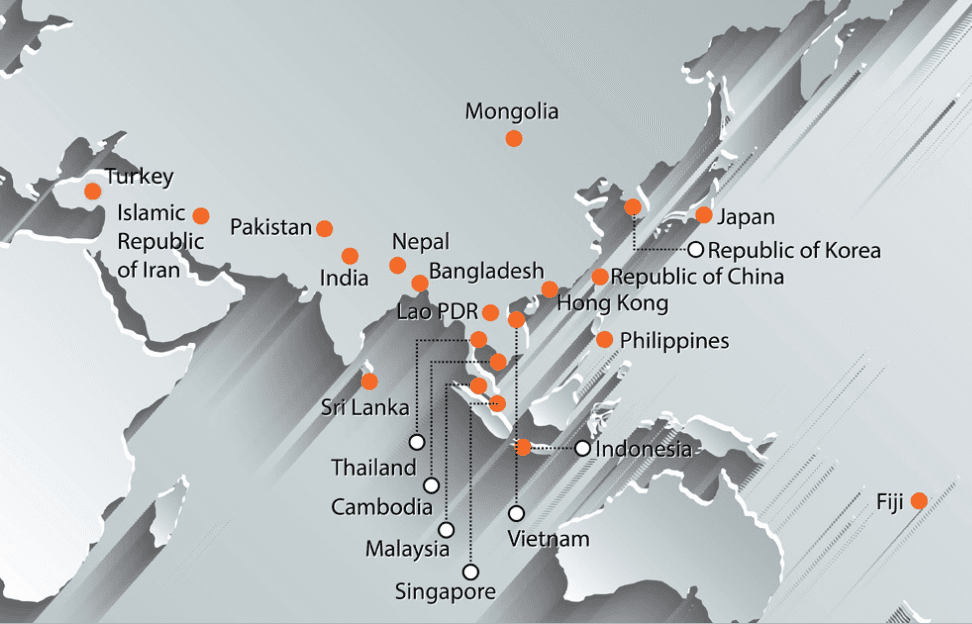
APO = inter-governmental body (1961), HQ Tokyo; improves productivity via cooperation & capacity-building.

Geographic scope = 21 Asia-Pacific economies that are also UN ESCAP members.

India now APO Chair for 2025-26; Chairmanship announced at 67th Governing Body Meeting.

Quick Facts for MCQs

Membership & Eligibility

  • Criterion = Asia-Pacific country plus UN ESCAP membership.
  • Collaboration channel = each nation’s National Productivity Organization.
  • Non-UN ESCAP states in region are ineligible.

India’s Participation

  • NPC functions as India’s NPO; autonomous under Commerce & Industry Ministry.
  • India held APO Chair earlier; 2025-26 term reaffirms leadership role.
  • Indian chairmanship to steer strategic direction, review productivity initiatives.

Organizational Setup

  • Governing Body = highest authority; elects Chair, sets strategy, reviews performance.
  • Additional organs include specialized working groups for industry, agriculture, services.
  • Secretariat based in Tokyo supports program implementation.

Key Data Points

FeatureData-Point
Full formAsian Productivity Organization
Year created1961
HeadquartersTokyo, Japan
Current members21 economies
Regional eligibilityMust be UN ESCAP member
Apex decision bodyGoverning Body (meets annually)
Latest meeting67th GBM, 2025
Chair for 2025-26India
India’s NPONational Productivity Council (Min of Commerce & Industry)
India’s founding statusFounding member

Related UPSC Prelims PYQs

CAPF_GAI, GS1 2008PYQ 1

India is a member of which of the following?

CAPF_GAI, GS1 2024PYQ 2

निम्नलिखित में से कौन-से दो संगठन TIWB (सीमा बहीन कर निरीक्षण) का हिस्सा हैं?

GS-2Security

10.Indian Peacekeepers Honoured by UN (UN Peacekeeping)

DH
Illustration for Indian Peacekeepers Honoured by UN (UN Peacekeeping)

What & Where

Dag Hammarskjöld Medal – UN’s highest post-humous honour for peacekeepers fallen in line of duty

2025 medals to two Indians: Brig Gen Amitabh Jha (UNDOF, Golan Heights) & Hav Sanjay Singh (MONUSCO, DR Congo)

UN Peacekeeping – field missions since 1948; coordinated by Department of Peace Operations across Africa, Asia, Middle East

Quick Facts for MCQs

India’s Contribution

  • Deployment: Infantry, engineers, medical & aviation units across Africa, West Asia
  • Gender push: Indian Female Engagement Teams positive civilian outreach in Congo, Sudan
  • Sacrifice: 179 martyrs underline India’s costliest peacekeeping commitment

UN Mission Objectives

  • Conflict-monitoring: Verify ceasefires, buffer zones, support peace accords
  • Civilian-protection: Patrols, safe sites, early-warning for vulnerable groups
  • DDR & Institution-building: Disarm former fighters, aid elections, train police & judiciary

Legal & Mandate

  • Charter basis: Chapter VII empowers Security Council to authorize force for peace and protection
  • Blue Helmets: Military, police, civilian staff operate under Status-of-Forces Agreements with host states

Key Data Points

FeatureData-Point
International Day of UN Peacekeepers29 May
UN Peacekeeping launch year1948
Current active missions11
Total peacekeeping personnel68,000 + from 125 countries
India’s contributor rank4th largest
Indians deployed (2024)5,300 + uniformed personnel
Indian fatalities since 1948179 (highest among UN members)
2025 Indian awardeesBrig Gen Amitabh Jha; Hav Sanjay Singh
Missions servedUNDOF (Golan Heights); MONUSCO (DR Congo)
2023 Indian honoureeMaj Radhika Sen – UN Military Gender Advocate

Related UPSC Prelims PYQs

CDS_GK 2023PYQ 1

India is the first country in the world to deploy an all-woman contingent to a UN Peacekeeping Mission. In which country did this mission operate?

CDS_GK 2022PYQ 2

Blue Helmets are

GS-2Scheme

11.Honey Mission Beekeeping Scheme (Beekeeping Promotion)

News on Air

What & Where

Honey Mission (2017): KVIC-MSME scheme to scale sustainable beekeeping across India.

Key processes: modern apiculture training, hive distribution, processing & GeM-enabled marketing chain.

Core geography: pan-India; entrepreneurship hotspots—Uttar Pradesh, Gujarat, J-&-K, West Bengal, Arunachal Pradesh.

Quick Facts for MCQs

Tech & Schemes

  • Skill-building: CBRTI Pune offers modern apiculture modules, equipment handling, disease control.
  • Holistic chain: Mission funds hives, processing plants, branding & GeM listing for direct govt sales.
  • Cross-link: Complements National Beekeeping & Honey Mission (Agri-Min) yet distinct under MSME.

Economic Angle

  • ₹325 crore earnings from Mission’s 20,000 MT honey, showcasing high value-to-volume ratio.
  • Export push: ₹25 crore via KVIC channels, tapping premium organic and mono-floral segments.
  • States like UP and Gujarat emerging as rural start-up clusters in beekeeping equipment & wax products.

Social Concerns

  • Employment: Youth, tribal & women beneficiaries prioritized for hive allotment and training slots.
  • Self-reliance: Income diversification for smallholders, reducing crop-price shock dependence.
  • Community model: Cluster approach fosters local FPOs and SHGs for collective processing & marketing.

Key Data Points

FeatureData-Point
Launch year2017
Implementing bodyKVIC under MSME
ObjectivePollination support & rural income via beekeeping
Beekeepers trained>50,000 (CBRTI, Pune)
Honey produced FY 24-2520,000 MT under Mission
National production jump~75,000 MT → 1.25 lakh MT in 11 yrs (≈60 %)
Beekeeper income FY 24-25₹325 crore
Honey export value FY 24-25₹25 crore
India’s export rankAmong top 10 globally
Organic tribal brand‘Sonhani’ honey, Korea dist., Chhattisgarh

Related UPSC Prelims PYQs

ESE_GS 2026PYQ 1

Which organization is responsible for implementing the National Beekeeping & Honey Mission (NBHM)?

GS-2Scheme

12.Viksit Krishi Sankalp Abhiyan (Agriculture Outreach)

DD News

What & Where

Nationwide Viksit Krishi Sankalp Abhiyan modernises agriculture via scientific outreach and sustainable practices

Operated twice yearly before Kharif and Rabi sowings for real-time crop, soil, resource guidance

Coverage pan-India across 65,000 villages, 723 districts moving toward Food Basket of the World vision

Quick Facts for MCQs

Implementation Scale

  • Coverage 65,000 villages, 723 districts ensuring grassroots penetration
  • Outreach 1.3 crore farmers promotes widespread scientific practice uptake
  • Timing biannual before sowing aligns advisories with critical decision windows

Institutional Support

  • Ministry Agriculture & Farmers Welfare nodal, backed by ICAR technical inputs
  • State Agriculture Departments, KVKs, FPOs conduct village-level demonstrations
  • Collaborative model reduces duplication, leverages existing extension networks

Tech & Schemes

  • Digital Agriculture Mission and AgriStack IDs enable data-driven personalised advisories
  • Namo Drone Didi pilots drone spraying; AI irrigation under Per Drop More Crop saves water
  • Kisan Suvidha app supplies weather markets and advisory info in seven regional languages

Key Data Points

FeatureData-Point
Campaign nameViksit Krishi Sankalp Abhiyan
FrequencyBiannual (pre-Kharif & pre-Rabi)
Target villages65,000+
Target districts723
Direct beneficiaries>1.3 crore farmers
Nodal ministryAgriculture & Farmers Welfare
Core partnersICAR, State Depts, KVKs, FPOs

Related UPSC Prelims PYQs

CAPF_GAI, GEO_GS 2026PYQ 1

Which one of the following government schemes in India promotes organic farming?

CAPF_GAI, GEO_GS 2025PYQ 2

Which one among the following schemes focuses on developing modern infrastructure and optimizing supply chain from farm to retail in Indian agriculture sector?

GS-1Editorial

13.Experiential Learning in Indian Education (Education Reform)

The Hindu

What & Where

Experiential Learning – learner-centric method acquiring knowledge via experience, reflection, conceptualisation, experimentation

Kolb Cycle – Concrete Experience ➔ Reflective Observation ➔ Abstract Conceptualisation ➔ Active Experimentation (1984)

India – NEP 2020 pushes shift from exam rote to real-world, higher-order skill orientation

Quick Facts for MCQs

Rationale

  • Evidence – rote limits analysis, evaluation, innovation potential
  • Equity – experiential modules bridge socio-economic learning gaps
  • Employability – industry seeks adaptable, creative graduates over memorisers

Implementation Tools

  • Flipped Classrooms – theory online, class time for problem solving
  • Field Projects – local science, agriculture, heritage studies outside classroom
  • Collaborative Modes – group tasks, role play, peer assessment

Hurdles

  • Infrastructure – labs, devices scarce in many rural schools
  • Teacher Capacity – shortage of mentors skilled in facilitation methods
  • Student Readiness – ASER 2022 shows Grade 8 reading Grade 2 levels

Policy Support

  • NEP 2020 – competency-based curricula, multidisciplinary flexibility
  • PPP & Ed-Tech – NGOs, startups scaling experiential modules
  • Assessment Shift – board exams moving toward application, 2025 onward

Key Data Points

FeatureData-Point
ASER 2023 finding80 % students falter on application-based questions
Learning Outcome GapsUrban–rural, public–private disparities persist
Multiple IntelligencesHoward Gardner, 8 cognition types
Tamil Nadu ModelActivity-based learning improved retention, engagement
Navodaya VidyalayaInquiry-based pedagogy showcased
Core Skills builtProblem-solving, teamwork, creativity
Key Tech ToolsAR/VR simulations in STEM, history
Teacher UpskillingDIKSHA platform, new NCERT modules
Assessment ReformPortfolio, outcome, competency focus
Year Kolb published1984

Related UPSC Prelims PYQs

ESE_GS 2022PYQ 1

Which one of the following learnings is a teaching approach that engages students in sustained, collaborative real-world investigations?

ESE_GS 2020PYQ 2

The pedagogy which involves productive learning and finding new solutions to problems, where manipulation of existing information and creation of real-world products are possible with ICT, is called

GS-1MiscQuick Bite

14.CBSE School Sugar Boards (School Health Nutrition)

The Hindu

What & Where

Sugar boards – wall displays showing teaspoons-equivalent sugar in packaged drinks/snacks

Mandated by CBSE for ≈24,000 affiliated schools nationwide; NCPCR urges all boards to adopt

Aim – early nutrition literacy to curb rising childhood Type-2 diabetes & other lifestyle diseases

Quick Facts for MCQs

Health Concern

  • Incidence – higher South-Asian heart disease risk prompts calls for stricter sugar cap
  • Study need – experts seek nationwide dietary data before setting India-specific limits
  • Overconsumption – typical child intake triples ideal 5 % WHO threshold

Regulatory Gap

  • FSSAI – HFSS standards and front-of-pack labelling still under finalisation
  • NCPCR – advisory extends sugar-board concept beyond CBSE to all school systems
  • WHO guidelines presently serve as interim national reference

Awareness Mechanism

  • Sugar boards leverage simple spoon imagery; avoids technical nutrition jargon
  • Placement in canteens/class corridors to influence snack choices
  • Low-cost printable charts enable rapid rollout across diverse school budgets

Key Data Points

FeatureData-Point
Mandating bodyCentral Board of Secondary Education (CBSE)
Schools covered≈24,000 CBSE-affiliated institutions
Visual metric usedNumber of teaspoons of sugar per item
Children’s current sugar share13-15 % of daily calories
WHO recommended free-sugar limit<10 % of total energy; ideal 5 %
Pending Indian standardFSSAI High Fat, Salt, Sugar (HFSS) norms for school meals & FOP labels
Child-rights watchdog roleNCPCR asked all state-board schools to install sugar boards
Key health trendNoticeable surge in early-onset Type-2 diabetes

Ready to practice?

Test your knowledge with our UPSC test series.

Start Free Trial