UPSC Current Affairs

16 topicsGS-1: 3GS-2: 5GS-3: 8
0/16 done
GS-2Polity

1.Emblems and Names Act 1950 Provisions (Emblems Act 1950)

The Hindu

What & Where

Regulatory law of 1950 preventing commercial or improper use of specified emblems and names of national or public importance

Central Government maintains dynamic Schedule and grants written permission for business, trade, patents, advertising use

Territorial reach spans entire India and Indian citizens abroad

Quick Facts for MCQs

Legal & Policy

  • Definition clause includes abbreviations as names and flags seals coats of arms as emblems
  • Centre empowered to amend Schedule anytime via simple Gazette notification
  • Objective safeguards dignity and prevents misleading affiliation with Government or historic personalities

Enforcement Mechanism

  • Registration authorities barred from approving companies trademarks or patents carrying protected items
  • Central sanction compulsory before launching any court prosecution under the Act
  • Violation attracts only monetary fine thereby serving primarily as deterrent

Judiciary Update

  • 2024 Supreme Court dismissed plea to shield V D Savarkar name under the Act
  • Court held inclusion or removal from Schedule is executive domain not judicial
  • Decision underscores limited judicial intervention in emblem-name protection policy

Key Data Points

FeatureData-Point
Year enacted1950
Enforcement date1 September 1950
Nodal authorityCentral Government
Key prohibition sectionSection 3
Registration bar sectionSection 4
Penalty cap₹500 fine
Prior sanction sectionSection 6
Schedule sampleNational Flag, Mahatma Gandhi name, Rashtrapati Bhavan

Related UPSC Prelims PYQs

CDS_GK 2024PYQ 1

Consider the following statements:
GS-2Polity

2.Quality Council of India Functions (Quality Council)

News on Air

What & Where

QCI – autonomous national accreditation body ensuring quality in products, services, processes via independent third-party assessments

Core processes – accreditation, conformity assessment, capacity building across public & private sectors

Geography – new unified headquarters at World Trade Centre, New Delhi

Quick Facts for MCQs

Structure & Governance

  • Representation – equal seats for government, industry, other stakeholders
  • Funding – self-sustaining through fees for accreditation and assessment services
  • Autonomy – independent policy decisions while aligning with national quality framework

Services & Functions

  • Accreditation – labs, hospitals, education, environment through specialised NAB* boards
  • Assessment – evaluates schemes like Swachh Bharat, Ayushman Bharat, infrastructure ratings
  • Training – quality auditors, inspectors, sector-specific competence development

National Campaigns

  • National Quality Campaign – awareness drives promoting global-level standards across MSMEs, public services
  • ZED certification support – encourages zero-defect, zero-effect manufacturing among SMEs
  • Swachh Survekshan metrics – methodology partner for cleanliness ranking of urban local bodies

Global Alignment

  • WTO TBT compliance – harmonises Indian standards with Technical Barriers to Trade obligations
  • MoUs – collaborates with ISO, IAF, ILAC for mutual recognition of accreditations
  • Export facilitation – trusted Indian certifications reduce foreign conformity costs

Key Data Points

FeatureData-Point
Establishment year1996
OriginEU Expert Mission + inter-ministerial consultations
Nodal ministryDPIIT, Ministry of Commerce & Industry
Legal statusSociety under Societies Registration Act 1860
Governance modelPPP with CII, FICCI, ASSOCHAM
Governing Council size39 members
Chairperson selectionNominated by Prime Minister
Key accreditation boardsNABL, NABH, NABET, NBQP
HeadquartersWorld Trade Centre, New Delhi
Main mandateNational quality assurance & third-party assessments

Related UPSC Prelims PYQs

ESE_GS, GS1 2017PYQ 1

With reference to ‘Quality Council of India (QCI)’, consider the following statements:
ESE_GS, GS1 2024PYQ 2

To increase transparency and consumer awareness and handle customer complaints, a 'Centralised Receipt and Processing Centre' and an 'Integrated Ombudsman Scheme' have been set up. These two schemes are related to which one of the following institutions?

GS-3Economy

3.Revised Minimum Support Prices for Kharif Crops (Agriculture Pricing)

Times of India

What & Where

MSP; nationwide floor price assuring farmers even if mandi rates crash

Covers 14 Kharif, 6 Rabi cereals‐pulses‐oilseeds + select commercial crops across India

Calculated via A2+FL cost concept; announced pre-sowing by CCEA on CACP advice

Quick Facts for MCQs

Legal & Policy

  • Statute-free; MSP rests on executive decision, not a legal right
  • CCEA headed by PM; decision binding on FCI & other procurement agencies
  • National Food Security Act depends on MSP-backed grain procurement

Economic Angle

  • Income-stability; cushions ~ MSP-covered farmers from price shocks
  • Procurement costs feed into food subsidy; inflate fiscal burden
  • Price signals; may skew sowing towards assured-procurement crops

Crop Coverage

  • Cereals; paddy, jowar, bajra, ragi, maize under kharif list
  • Pulses; tur, moong, urad enjoy premium to curb imports
  • Commercial; cotton alone in kharif, jute & sugarcane via separate mechanisms

Key Data Points

FeatureData-Point
Launch year1966-67 (Green Revolution)
Recommending bodyCACP
Approving bodyCabinet Committee on Economic Affairs
Cost formulaA2 + FL
Profit margin mandate≥ 50 % over A2 + FL
Budget 2018-19 tweakMSP at 1.5 × cost
Announcement cycleTwice yearly (Kharif, Rabi)
Kharif crops under MSP14 (incl. paddy, jowar, cotton)
Recent decisionRevised MSPs for 2025-26 marketing season
Key diversification pushHigher rates for pulses, oilseeds, millets

Related UPSC Prelims PYQs

CAPF_GAI, GS1 2020PYQ 1

Consider the following statements :

CAPF_GAI, GS1 2020PYQ 2

कृषि लागत और कीमत आयोग (CACP) द्वारा गेहूं और चावल के लिए न्यूनतम समर्थन मूल्य स्तरों का निर्धारण किया जाना, निम्नलिखित में से किस बात का उदाहरण है ?

GS-3Economy

4.NSO Surveys Indicate Poverty Decline (Poverty Estimates)

Indian Express
Illustration for NSO Surveys Indicate Poverty Decline (Poverty Estimates)

What & Where

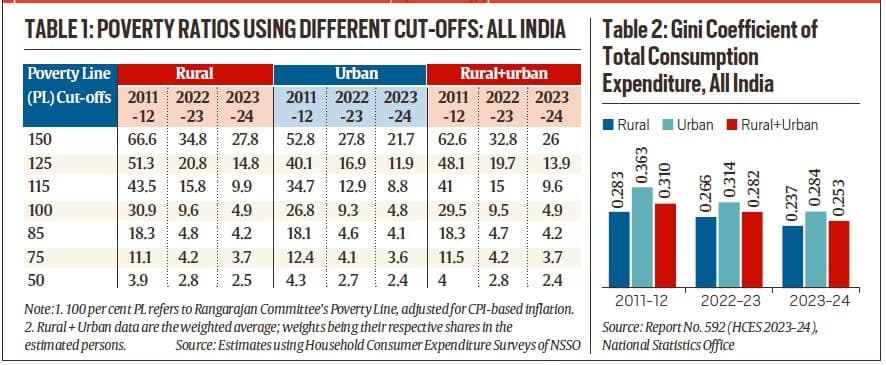
Measure: NSO Household Consumption Expenditure Survey 2022-23 & 2023-24 redefining poverty lines via Rangarajan methodology

Geography: All-India with rural-urban breakup; hotspots Bihar, Jharkhand, Odisha lag national gains

Core Result: Headcount poverty down to 4.9 % (2023-24), extreme poverty ($2.15 PPP) to 2.3 %

Quick Facts for MCQs

Trendlines

  • Decline: 24.6 percentage-point fall in headcount poverty over 12 years
  • Equal rural-urban contribution; faster urban inequality compression
  • World Bank endorses India crossing global target ahead of SDG 1 timeline

Drivers

  • Growth: High GDP and moderated headline inflation lifting real consumption
  • Equity: Falling Gini indicates broader spending gains across deciles
  • Targeting: Pro-poor schemes leverage cluster of poor just below threshold

Challenges & Risks

  • Vulnerability: Health, climate shocks can push near-poor back below line
  • Regional lag: BIMARU states still exhibit double-digit poverty ratios
  • Urban gaps: Informal workers under-covered by PDS, social insurance

Policy Prescriptions

  • Expand cash transfers; align PM-GKAY, LPG-DBT to transient poor
  • Bolster NREGA with climate-resilient assets, raise urban job safety net
  • Institutionalise annual multidimensional poverty audit using real-time datasets

Key Data Points

FeatureData-Point
Updated rural poverty line₹1,940 / capita-month (2023-24)
Updated urban poverty line₹2,736 / capita-month (2023-24)
Poverty ratio fall 2011-12→2023-2429.5 % → 4.9 %
Extreme poverty ($2.15 PPP) 2011-12→2022-2316.2 % → 2.3 %
$3.65 PPP poverty 2011-12→2022-2361.8 % → 28.1 %
Consumption Gini 2011-12→2023-240.310 → 0.253
GDP growth 2023-249.2 %
CPI inflation 2023-245.4 % overall; 7.5 % food
Share of poor within 75-100 % line>50 %

Related UPSC Prelims PYQs

GEO_GS 2021PYQ 1

Which one of the following statements with regard to poverty is correct?

GEO_GS 2020PYQ 2

The ‘head count ratio’ relates to which one of the following?

GS-3InfrastructureQuick Bite

5.DIGIPIN Digital Addressing Platforms by DoP (Digital Addressing)

PIB
Illustration for DIGIPIN Digital Addressing Platforms by DoP (Digital Addressing)

What & Where

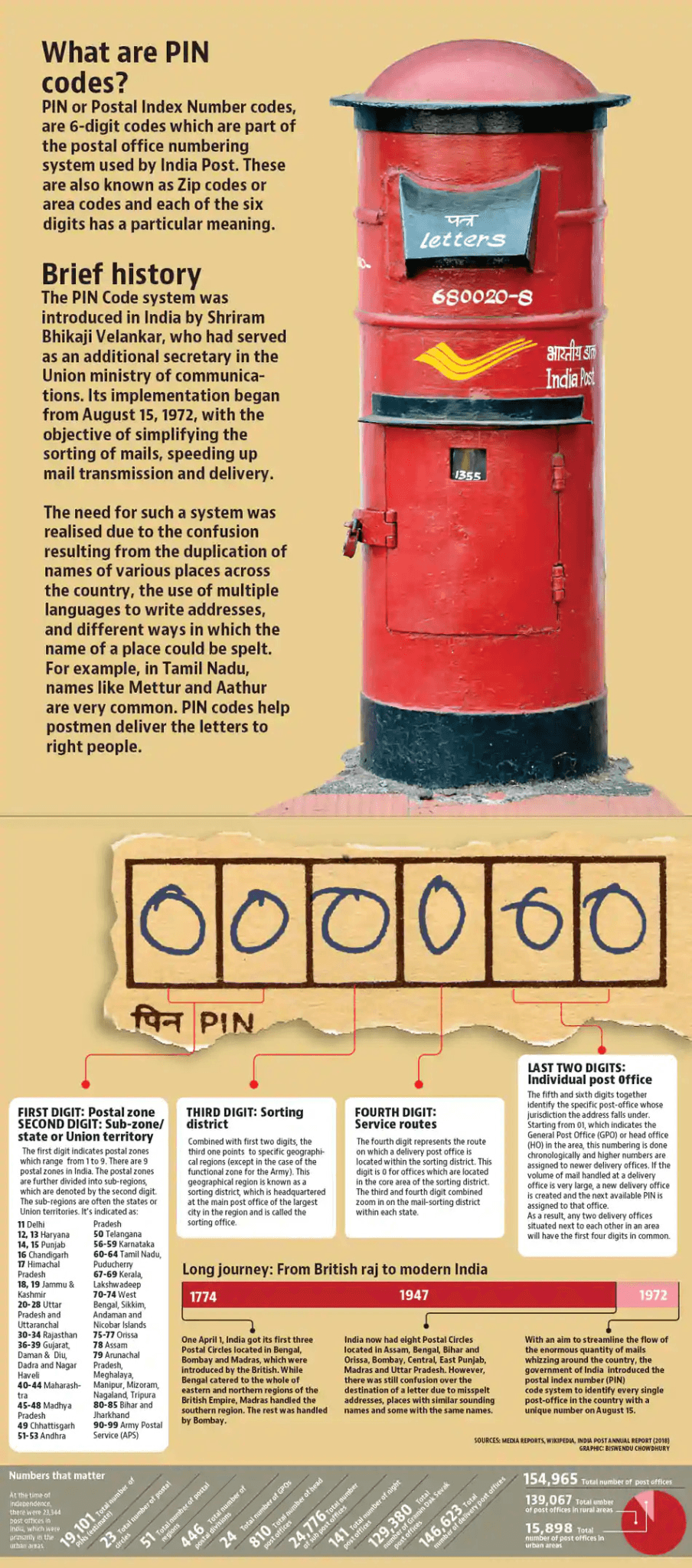
DIGIPIN: open-source, geo-coded grid address linking every Indian premise to unique latitude-longitude coordinate

Platforms: Department of Posts introduced ‘Know Your DIGIPIN’ and ‘Know Your PIN Code’ nationwide on 29 May 2025

PIN-boundaries: second platform geo-fences 1.5 lakh+ PIN zones enabling GNSS-based code discovery across India

Quick Facts for MCQs

Tech & Schemes

  • GIS integration enables high-resolution mapping, logistics optimisation, emergency routing
  • GNSS location auto-fetches correct PIN for users, reducing manual entry errors
  • Platforms accessible as web services, aiding Digital India and e-commerce operations

Governance & Policy

  • Initiative aligns with National Geospatial Policy 2022 mandate for precise geospatial infrastructure
  • Supports e-governance by providing standardised digital addresses for welfare deliveries, taxation, census
  • Open-source design promotes inter-agency interoperability and private sector adoption

Service Impact

  • Improves last-mile postal delivery, especially remote, rural and underserved habitations
  • Enhances disaster response by pinpointing caller locations to latitude-longitude grid
  • Strengthens e-commerce supply chains via accurate address verification and route planning

Key Data Points

FeatureData-Point
Launch date29 May 2025
Implementing agencyDepartment of Posts
Parent ministryCommunications
Policy umbrellaNational Geospatial Policy 2022
DIGIPIN natureOpen-source geo-coded grid
Service modelAddress-as-a-Service (AaaS)
PIN zones mapped1.5 lakh +
Core techGIS, GNSS, lat-long
Feedback systemPublic crowdsourcing
GS-1History

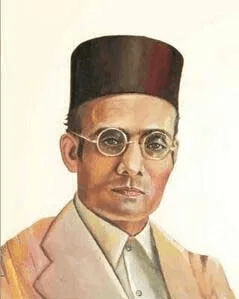
6.Veer Savarkar Life and Contributions (Freedom Fighter)

PIB
Illustration for Veer Savarkar Life and Contributions (Freedom Fighter)

What & Where

Veer Savarkar: Radical freedom-fighter, lawyer, writer; propounded Hindutva and armed resistance against British rule.

Geography: Born Bhagur-Nashik (MH); revolutionary networking in London; imprisoned at Cellular Jail, Andaman & Nicobar.

Key organisations/processes: Abhinav Bharat (secret society), India House links, Hindu Mahasabha leadership 1937-43.

Quick Facts for MCQs

Revolutionary Organisations

  • Abhinav Bharat: founded 1904 by Savarkar brothers; secret cells across India & London.
  • India House: 1905 London hostel by Shyamji Krishna Varma; hub for Savarkar’s pamphlets, arms practice.
  • Free India Society: student group led by Madam Bhikaji Cama, later turned militant under Savarkar influence.

Political Career

  • Hindu Mahasabha: party created 1933 to safeguard Hindu electorate; co-founded by Savarkar, Malviya, Lajpat Rai.
  • Presidency: Savarkar steered Mahasabha 1937-43, opposed Congress-League pact, advocated militarised nationalism.
  • Electoral context: Morley-Minto reforms 1909 granting separate Muslim electorates spurred Mahasabha expansion.

Trials & Sentence

  • 1909 arrest: charged with armed revolt conspiracy against Indian Councils Act 1909 changes.
  • 1910 extradition: nabbed for India House links; accused in Nashik Collector Jackson assassination plot.
  • 1911 verdict: two life terms (50 years) under IPC 121-A; transported to Cellular Jail, not deemed political prisoner.

Literary Works & Ideas

  • 1909 book: “History of the War of Indian Independence” glorified 1857 guerrilla tactics, banned by British.
  • 1923 treatise: “Hindutva: Who is a Hindu?” defined cultural nationalism beyond religious practice.
  • Coinage: Popularised “Swatantryaveer” title for self, inspired armed youth cadres pre-1914.

Key Data Points

FeatureData-Point
Birth date28 May 1883
BirthplaceBhagur village, Nashik, Maharashtra
Death26 Feb 1966 (self-fasting)
Secret societyAbhinav Bharat, 1904
UK networksIndia House, Free India Society
Key books“The History of the War of Indian Independence”; “Hindutva: Who is a Hindu?”
Main ideology termHindutva (coined by Savarkar)
Hindu Mahasabha postPresident, 1937-1943
First arrest1909, Morley-Minto revolt plot
Final sentence50-year Kala Pani, Cellular Jail 1911

Related UPSC Prelims PYQs

GS1 1999PYQ 1

'Abhinav Bharat' a secret society of revolutionaries was organised by

GS1 1998PYQ 2

Who was the leader of the Ghaddar Party?

GS-1Environment

7.Urban Flooding Causes and Impacts in India (Urban Flooding)

The Hindu
Illustration for Urban Flooding Causes and Impacts in India (Urban Flooding)

What & Where

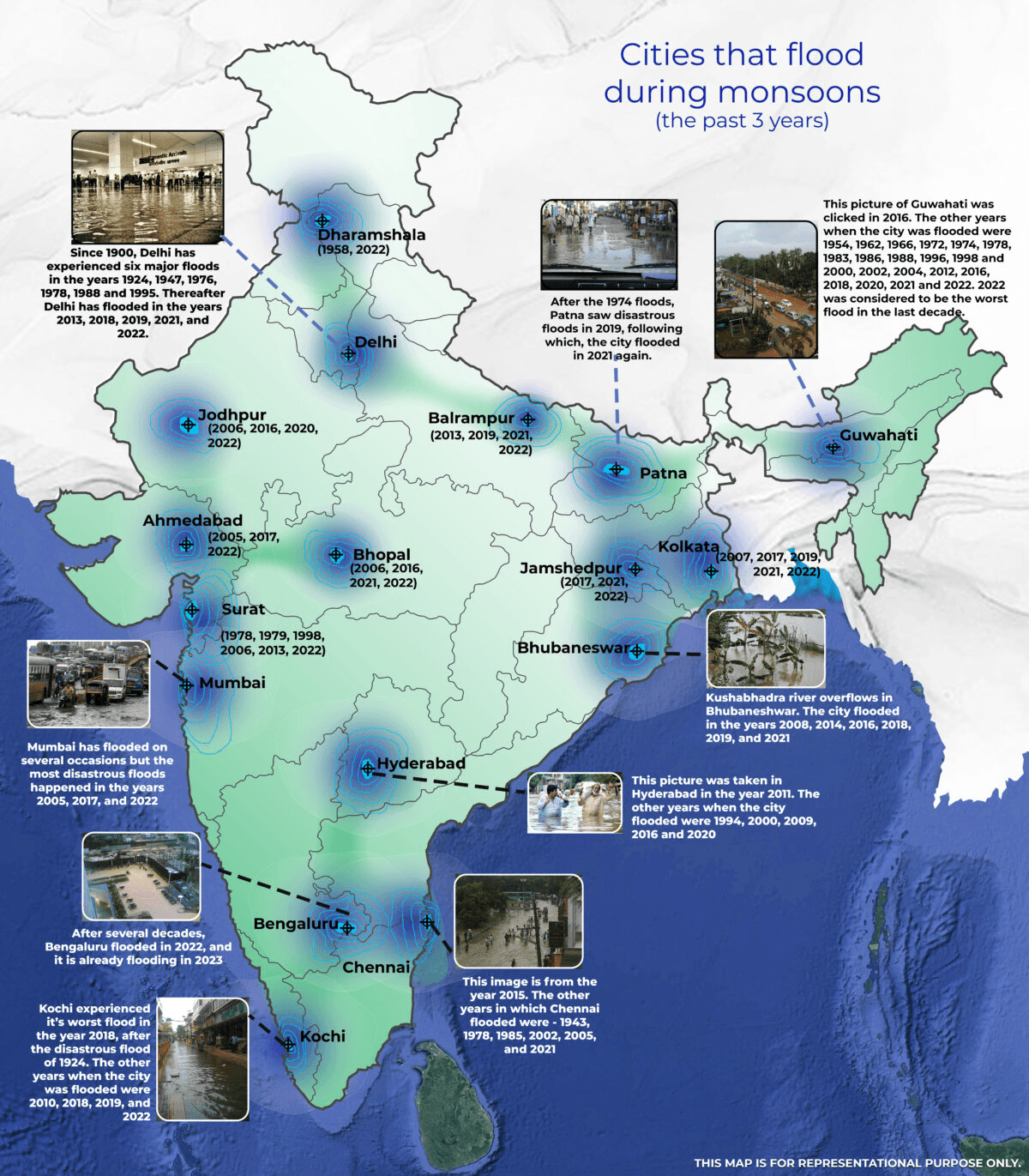
Urban flooding = inundation of built-up areas from intense rain, poor drainage, river/lake overflow.

Key processes: rapid runoff, water-logging, transport halt, disease spread, infrastructure failure.

Hotspots: Mumbai, Bengaluru, Chennai, Delhi—coastal deltas, lake-rich plateaus, low-lying floodplains.

Quick Facts for MCQs

Anthropogenic Drivers

  • Encroachment: 80 % Bengaluru lakes lost, wetlands built over, runoff spikes.
  • Waste: Plastic & silt blocked Chennai estuary canals, worsening 2015 deluge.
  • Infrastructure: Mumbai’s colonial drains undersized, overwhelm during >25 mm/hr showers.

Climate Dimension

  • Intensification: Climate change raising frequency of cloudbursts, flash floods across subcontinent.
  • Topography: Low-lying deltas (Kolkata, Mumbai) & inland basins accumulate runoff.
  • Monsoon: Early 2025 onset heightens pre-monsoon flood risk in Bengaluru.

Economic & Social Impact

  • Losses: Chennai 2015 damages >₹15k cr; transport, power paralysed.
  • Vulnerability: Slum dwellers Mumbai 2022 faced mass displacement, livelihood erosion.
  • Health: Dengue, cholera surges; leptospirosis spike Kerala 2020.

Mitigation Tools

  • Watershed: Netherlands Room for the River inspires designated overflow zones.
  • Nature-based: Sponge City—permeable pavements, rain gardens—piloted Shanghai, Mumbai.
  • Tech: Singapore SWAN sensors send SMS alerts, enabling rapid urban response.

Key Data Points

FeatureData-Point
Bengaluru lakes lost≈80 % encroached/degraded
Mumbai drain design25 mm/hour capacity (British-era)
Chennai 2015 damage> ₹15,000 crore
Bengaluru elevation~900 m above sea level
Delhi 2023 rainfallRecord spell, Yamuna overflowed
Sponge City pioneerShanghai, China
Dutch model citedRoom for the River
Disease linkageDengue, malaria, leptospirosis spikes

Related UPSC Prelims PYQs

NDA_GAT 2022PYQ 1

The deluge affected the population.

GS-1Mapping

8.Kanchenjunga Mountain Geography (Indian Himalayas)

NDTV
Illustration for Kanchenjunga Mountain Geography (Indian Himalayas)

What & Where

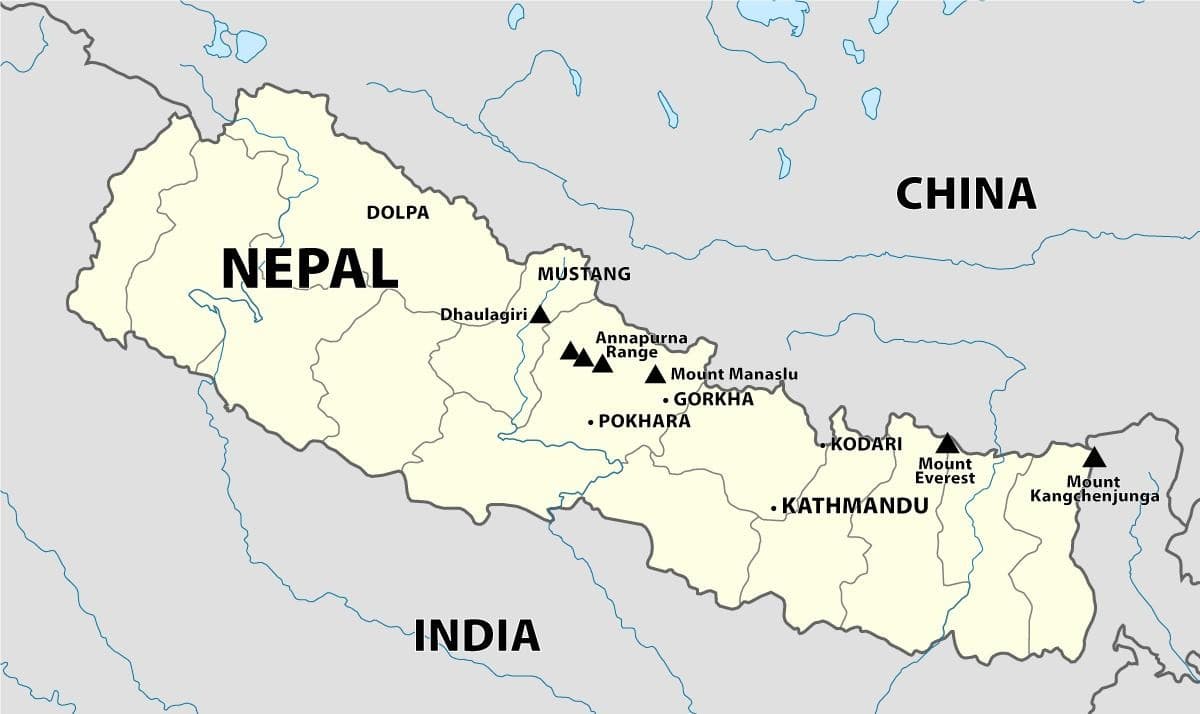
Third-highest Himalayan peak (8,586 m) straddling India–Nepal border

Cluster of five summits, revered as “Five Treasures of Snow”

Indian side within Khangchendzonga National Park, Sikkim

Quick Facts for MCQs

Cultural & Religious Significance

  • Reverence; abode of deity Dzoe-Nga for Bhutia and Lepcha
  • Tradition; climbers stop short of true summit respecting sanctity
  • Name; five peaks symbolize wealth grains holy books armour medicine

Legal & Policy

  • Ban; India prohibits ascents via Places of Worship Act 1991 protecting sacred hills
  • Constitutional; Article 371F safeguards Sikkimese customs post-1975 merger
  • Demand; Sikkim CM seeks Centre push Nepal for scaling moratorium

Physical Geography

  • Glaciers; four main arms drain northeast southeast southwest northwest aspects
  • Climate; south Asian monsoon drives summer snow accumulation
  • Orientation; ridge runs north-south controlling Sikkim river sources

Mountaineering History

  • Perception; regarded tallest until 1856 Great Trigonometrical Survey crowned Everest
  • Expedition; Charles Evans led southwest face attempt 1955
  • Etiquette; summit attempts via Nepalese route only currently permitted

Key Data Points

FeatureData-Point
Elevation8,586 m (28,169 ft)
Global height rank3rd highest mountain
Highest inIndia
Border statesSikkim (India) – Taplejung (Nepal)
Nearest city74 km NNW of Darjeeling
Major glaciersZemu, Talung, Yalung, Kanchenjunga
Snowfall patternHeavy monsoon summer; lighter winter
First ascent1955, Joe Brown & George Band
Indian climbing statusBanned under Places of Worship Act 1991 & Art 371F

Related UPSC Prelims PYQs

CDS_GK 2024PYQ 1

Which of the following peaks are situated in India?

GS-3Environment

9.WMO 2025-29 Climate Temperature Outlook (Climate Projections)

Business Standard

What & Where

WMO Global Annual-to-Decadal Climate Update: predicts global mean temperature versus 1850-1900 baseline for 2025-29.

Key anomaly zones: wetter South Asia, drier Amazon, rapidly warming Arctic.

World Meteorological Organization (UN agency) headquartered in Geneva, Switzerland.

Quick Facts for MCQs

Temperature Projections

  • 2024 first full year above 1.5 °C; trajectory rising through 2029.
  • Paris goal fails if overshoot persists 20–30 years, not for brief spikes.
  • Record-hot year likely again within forecast window.

Regional Outlook

  • South Asia wetter, implying stronger monsoon, flood risk.
  • Amazon drier, heightening wildfire and biodiversity threats.
  • Arctic warms fastest, accelerating ice loss and sea-level rise.

Paris & NDCs

  • Only 15 parties submitted 2031-35 NDCs; ambition gap widens.
  • COP28 Global Stocktake demands stronger 2025 economy-wide targets.
  • COP27 Loss & Damage Fund anchors adaptation finance for vulnerable states.

WMO Basics

  • Origin: 1873 IMO; became UN body via 1950 WMO Convention.
  • Flagship reports: State of Global Climate, Global Water Resources, Climate Services.
  • Governance: World Meteorological Congress; Secretary-General leads Geneva Secretariat.

Key Data Points

FeatureData-Point
Forecast period2025 – 2029
Projected anomaly range1.2 – 1.9 °C
Chance 5-yr mean >1.5 °C70 %
Chance any year >1.5 °C86 %
Chance hottest year beats 202480 %
Arctic anomaly expected+2.4 °C (3.5× global)
South Asia outlookWetter-than-average
Amazon outlookDrier-than-average
UNFCCC parties lacking 2031-35 NDCs180 / 195
WMO membership192 States & Territories

Related UPSC Prelims PYQs

GEO_GS, GS1 2021PYQ 1

Which one of the following statements on Climate of India is NOT correct?

GEO_GS, GS1 2020PYQ 2

महासागर औसत तापमान (Ocean Mean Temperature/OMT) के संदर्भ में, निम्नलिखित में से कौन-सा/से कथन सही है/हैं?

GS-3SpeciesQuick Bite

10.Schistura densiclava Cave Fish Discovery (Cave Fish)

The Hindu
Illustration for Schistura densiclava Cave Fish Discovery (Cave Fish)

What & Where

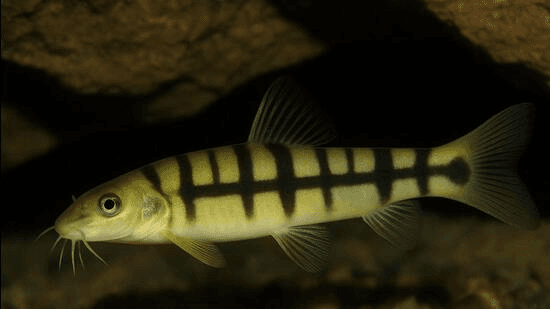
Schistura densiclava: newly described troglophile loach (family Nemacheilidae), capable of underground & surface life.

Endemic to Krem Mawjymbuin limestone cave, East Khasi Hills, Meghalaya; recorded 60 m inside a fast stream.

Marks the 6th cave‐fish species documented from Meghalaya’s karst landscape.

Quick Facts for MCQs

Habitat Conditions

  • Stream cool, oxygen-poor, fast-flowing supporting specialized ichthyofauna.
  • Cave environment dark, stable microclimate aiding troglophile survival.
  • Presence signals healthy subterranean aquatic ecosystem.

Morphological Traits

  • Pigmented body and functional eyes differentiate it from fully blind cave loaches.
  • Grey-black bars plus dorsal stripe facilitate quick field recognition.
  • Dimorphic body builds aid gender identification in situ.

Geology & Cave Features

  • Krem Mawjymbuin sculpted by mineral-rich calcium carbonate solution.
  • Stalactites and stalagmites adorn passages, indicating active speleothem growth.
  • Houses Symper Rock, dome-shaped with notably flat summit.

Biodiversity Context

  • Discovery underscores Meghalaya’s status as Indian hotspot for subterranean fishes.
  • Adds data for conservation planning within sensitive karst ecosystems.
  • Highlights need for further biospeleological surveys in Northeast India.

Key Data Points

FeatureData-Point
Taxonomic familyNemacheilidae
Cave adaptation typeTroglophile (not obligate troglobite)
Discovery siteKrem Mawjymbuin cave, Meghalaya
Cave rock typeCalcareous sandstone (limestone cave)
Stream temperature~18 °C
Depth from entrance≈ 60 m
Body huePale yellow-green
Body bars count14–20 grey-black
Distinct markThick dorsal stripe (densiclava)
Vision & pigmentEyes present, pigmentation retained
Sexual dimorphismSlimmer males, sturdier females
EndemismRestricted to the cave system
Meghalaya cave-fish tally6 species (including this)
GS-3S&T

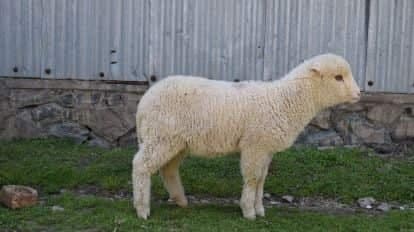
11.India's Gene-Edited Sheep CRISPR Breakthrough (Gene Editing)

Indian Express
Illustration for India's Gene-Edited Sheep CRISPR Breakthrough (Gene Editing)

What & Where

Gene-edited lamb from Sher-e-Kashmir University (SKUAST-K), Jammu & Kashmir, India

Myostatin gene knock-out via CRISPR-Cas9; yields ≈30 % extra muscle mass

Produced under international biosafety norms; non-transgenic (no foreign DNA)

Quick Facts for MCQs

Tech & Schemes

  • CRISPR-Cas9 double-strand break; repair deletes myostatin, boosting myofiber growth
  • Non-transgenic output fits Department of Biotechnology Genome Editing Mission scope
  • Future edits eyed for disease resistance, reproduction efficiency, twinning

Livestock Impact

  • 30 % muscle gain raises carcass yield, farmer income, feed conversion ratios
  • Higher per-animal output cuts land, water, methane footprints; aids sustainable pastoralism
  • Template for upgrading indigenous breeds without exotic crossbreeding reliance

Legal & Policy

  • 2022 DBT guidelines exempt DNA-free SDN-3 animals from strict GMO regime
  • Oversight: Institutional Biosafety Committee first, GEAC final clearance
  • Success supports Draft Livestock Breeding Policy emphasis on advanced genomic tools

Key Data Points

FeatureData-Point
UniversitySKUAST-Kashmir
SpeciesSheep (lamb)
Target geneMyostatin (MSTN)
Editing toolCRISPR-Cas9
Muscle increase~30 %
Research duration4 years
FundingICAR
Benchmark breedTexel (European)
Prior featNoori cloned Pashmina goat - 2012
Regulatory tagNon-transgenic, gene-edited

Related UPSC Prelims PYQs

CDS_GK, GS1 2019PYQ 1

What is Cas9 protein that is often mentioned in news?

CDS_GK, GS1 2025PYQ 2

Recently, ICAR (Indian Council of Agricultural Research) has developed the world's first genome-edited rice varieties. Which of the following statements is/are correct with respect to the developed products?

GS-3S&T

12.Online Dark Patterns Consumer Manipulation (Dark Patterns)

The Hindu

What & Where

Definition: Unethical UI/UX tricks that mislead users into unintended actions, benefiting service providers

Key patterns: baseless countdowns, hidden costs, hard-to-find cancellations, auto-play videos, disguised ads, forced sign-ups

Geography: Surfaced globally; highlighted by EU action on Amazon and US FTC warnings for AR/VR

Quick Facts for MCQs

Corporate Practices

  • Amazon: Earlier multi-step Prime exit criticised by EU regulators revised to simpler flow in 2022
  • LinkedIn: Disabling unsolicited sponsored messages needs several settings screens complexity benefits platform
  • YouTube: Pop-ups urging Premium obscure video endings nudging repeat subscription prompts

User Impact

  • Confusion: Extra clicks and hidden information derail straightforward online tasks
  • Exploitation: Users unwittingly share more data or incur charges beyond intention
  • Vulnerability: Dark patterns heighten financial and privacy risks for average Internet users

Regulatory Moves

  • EU: Consumer law leveraged to modify Amazon cancellation design
  • FTC: 2022 staff report flags deceptive designs and urges enforcement across digital services
  • Global: Growing advocacy for explicit UX disclosure norms protecting autonomy and informed consent

Tech Outlook

  • AR / VR: Anticipated migration of dark patterns as immersive platforms expand
  • Mobile trials: Silent auto-renew charges after “free” periods remain widespread concern
  • Email overload: Hidden opt-ins continue flooding inboxes with promotional spam

Key Data Points

FeatureData-Point
Alternate termDeceptive patterns
Primary sector hitE-commerce & social media
Major firms flaggedAmazon, Apple, Google, LinkedIn, Facebook, Microsoft
Notable EU caseMulti-step Amazon Prime cancellation simplified in 2022
US watchdog alertFTC report on emerging AR/VR dark patterns
Core user riskFinancial loss & data exploitation
GS-3S&T

13.AI-Powered Autonomous Satellites Governance Challenges (Autonomous Satellites)

The Hindu

What & Where

AI-autonomous satellite: ML/DL-driven craft executing sensing, manoeuvres, fault-repair without ground control.

Operates singly or in swarms across LEO (close inspection) and GEO (wide surveillance), sharing hive-learned data.

India targets 50 launches / 5 yrs; China’s 12-sat Three-Body Constellation seeks first space super-computer.

Quick Facts for MCQs

Tech & Schemes

  • Onboard-processing reduces bandwidth; space data-centres radiate heat to space, cutting terrestrial carbon load.
  • Swarm-intelligence enables satellites to retask peers in milliseconds for disasters or defence.
  • Self-diagnosis & in-orbit repair extend mission life, trim ground intervention costs.

Legal & Policy

  • Liability ambiguity: coder, operator, owner or launching state—no clear fault chain for AI errors.
  • Current treaties demand “continuing supervision”; true autonomy challenges meaningful human control clauses.
  • Proposed fix: ISO/COPUOS-led AI certification plus pooled insurance akin to 1996 HNS Convention.

Security Dimension

  • Dual-use potential: civilian imagers can shift to real-time targeting, fuelling orbital arms race.
  • AI hallucination risk: misclassifying friendly craft may trigger unintended evasive or hostile manoeuvres.
  • Traffic surge: thousands in LEO could spark debris cascade (Kessler Syndrome) without coordinated AI protocols.

Key Data Points

FeatureData-Point
Core treatiesOuter Space Treaty 1967; Liability Convention 1972
OST ArticleVI – State responsibility for national space activities
Collision rule gapNo global AI satellite certification/avoidance standard
India’s AI launches50 satellites planned within five years
ISRO showcaseChandrayaan-3 Pragyaan rover used AI for landing & navigation
Pvt. Indian demoMOI-TD: first in-orbit AI lab by TakeMe2Space, Hyderabad
China mission12 satellites for Three-Body Computing Constellation
Major AI functionsOnboard analytics, swarm learning, self-healing, collision avoidance
Key oversight bodiesISO, UN-COPUOS proposed for AI testing norms

Related UPSC Prelims PYQs

GS1 2025PYQ 1

ग्रैण्ड पैलै (Grand Palais) पेरिस में नवम्बर 2025 में आयोजित होने वाले AI शिखर सम्मेलन के सन्दर्भ में, निम्नलिखित कथनों पर विचार कीजिए :

GS-2Security

14.Interpol Silver Notice Asset Tracking (Interpol Notices)

New Indian Express
Illustration for Interpol Silver Notice Asset Tracking (Interpol Notices)

What & Where

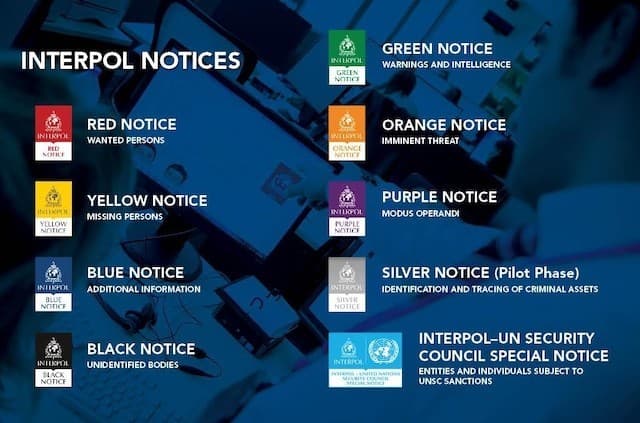
Silver Notice = Interpol colour-coded alert (launched Jan 2025) for locating and recovering illicit assets.

Flow : Member state request → General Secretariat vetting → circular sent to 195 members for tracing / freeze / seizure.

India context : CBI is nodal; first ever notice targets assets of ex-French Embassy official; pilot cap 9 notices/country till Nov 2025.

Quick Facts for MCQs

Legal & Policy

  • Asset-centric notice provides legal ground for domestic freeze, seizure, confiscation orders.
  • Secretariat filter prevents politically motivated or abusive requisitions.
  • Complements UNCAC & FATF asset-recovery obligations.

Security Dimension

  • Targets transnational proceeds hidden via crypto, shell firms, offshore property.
  • Enhances financial intelligence exchange, reducing terror-finance and drug-smuggling profits.
  • Real-time circulation aids rapid provisional attachment before dissipation.

International Cooperation

  • Single alert triggers simultaneous worldwide tracing, streamlining mutual legal assistance.
  • First request by India demonstrates early adopter role among 195 members.
  • Notice can underpin bilateral recovery talks once assets located.

Key Data Points

FeatureData-Point
Launch month-yearJanuary 2025
Primary aimIdentify, track, recover criminally acquired assets
CoverageAll 195 Interpol member countries
Nodal body (India)Central Bureau of Investigation
Pilot quota9 Silver Notices per country till Nov 2025
Pre-issue scrutinyInterpol General Secretariat
Key crimes coveredFraud, corruption, money laundering, narcotics, environmental
Focus differenceAssets (Silver) vs Persons (Red)
GS-2Scheme

15.Modified Interest Subvention Scheme for Agri Loans (Agri Credit)

PIB

What & Where

Modified Interest Subvention Scheme (MISS): Central-sector subsidy on short-term farm loans via Kisan Credit Card.

Operates pan-India through RBI–NABARD network of PSBs, RRBs, Co-ops & select private banks.

Union Cabinet has extended MISS up to FY 2025-26 with 1.5 % interest subvention.

Quick Facts for MCQs

Policy Design

  • Central sector; Cabinet nod retains same 1.5 % subvention through FY 2025-26.
  • Credit funnel widened to allied activities; same rate up to ₹2 lakh.
  • Budget 2025-26 intent: lift cap to ₹5 lakh for larger working capital.

Economic Angle

  • Effective 4 % rate for prompt payers lowers borrowing cost, curbs rural indebtedness.
  • Subvention reaches 7.75 crore KCC holders, injecting liquidity into agri value-chain.
  • Lenders compensated, keeping farm credit viable without margin loss.

Disaster Relief

  • 2 % additional subvention on loans restructured after notified natural calamities.
  • Ensures concessional rate continuity during crop loss recovery phase.

Digital Reforms

  • Kisan Rin Portal enables real-time claim submission, verification, fund release.
  • Transparency & speed reduce interest-cost carry for lending banks.

Key Data Points

FeatureData-Point
Launch year2006-07
Nodal ministryAgriculture & Farmers’ Welfare
Implementing bodiesRBI + NABARD
Max regular loan size₹3 lakh (proposed ₹5 lakh)
Sectors coveredCrops, animal husbandry, fisheries
Base interest to farmer7 % p.a.
Interest subvention to lender1.5 %
Prompt Repayment Incentive3 % → net 4 %
AH & Fisheries ceiling₹2 lakh
Calamity supportExtra 2 % subvention on restructured loans
Accounts covered7.75 crore KCC
Digital toolKisan Rin Portal, 2023 launch
Current validityUp to FY 2025-26
GS-2Scheme

16.Overseas Citizenship of India Scheme Overview (OCI Cards)

The Hindu
Illustration for Overseas Citizenship of India Scheme Overview (OCI Cards)

What & Where

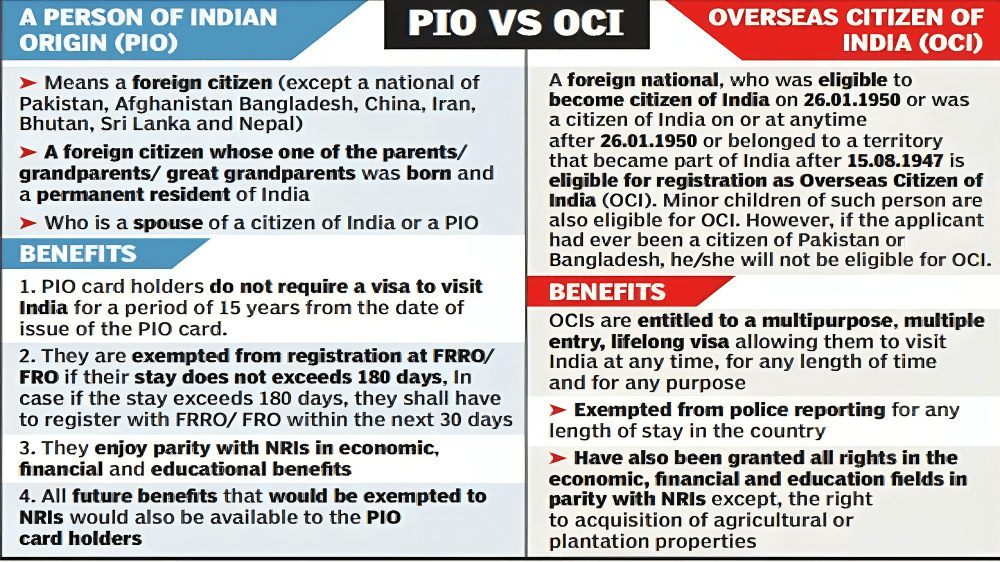
Overseas Citizenship of India (OCI) — quasi‐citizenship status under Citizenship Act 1955, inserted 2005; PIO category merged 2015.

Applies worldwide except Pakistan & Bangladesh; permits lifelong visa, residence, work in India without dual nationality.

Revocable under Citizenship Act §7D for fraud, anti-India acts; first such recent case against a UK academic.

Quick Facts for MCQs

Eligibility

  • Descent: ex-Indian citizens, those eligible on 26 Jan 1950, territories acceded post-1947.
  • Minor children with ≥1 Indian parent qualify; foreign spouse eligible after 2-year registered marriage.
  • Exclusion: current/retired foreign military, nationals of Pakistan & Bangladesh.

Benefits

  • Visa: multiple-entry, multi-purpose, lifelong.
  • Parity: NRIs in economic, financial, educational fields; cannot adopt Indian children abroad.
  • Citizenship: eligible after 5 yrs OCI with 1-yr Indian residence.

Restrictions

  • No dual citizenship; Indian Constitution disallows.
  • Political: no voting, legislature membership, or constitutional posts; regular govt jobs barred unless notified.
  • Activity: mandatory clearance for research, mountaineering, missionary/journalistic work, protected/restricted areas.

Cancellation

  • Triggers: fraud, misrepresentation, violation of Act, anti-India activities.
  • Authority: Central Government; order nullifies all rights, card must be surrendered.
  • Appeal: lies to High Court under writ jurisdiction.

Key Data Points

FeatureData-Point
Governing statuteCitizenship Act, 1955
Intro year2005 (amendment)
PIO-OCI merger2015
Cards issued40.68 lakh (31 Jan 2022)
Eligible generationsUp to great-grandchildren
Spouse conditionRegistered marriage ≥2 yrs
Citizenship pathway§5(1)(g); 5 yrs OCI + 1 yr stay
Excluded nationalsPakistan, Bangladesh
Military personnelServing/retired foreign forces ineligible
Voting rightNot available
Constitutional postsPresident, VP, SC/HC Judge barred
Land purchaseNo agricultural/plantation land
Special-permission actsResearch, mountaineering, missionary, journalism, Restricted Areas
Pension accessEligible for NPS like NRIs
Cancellation section§7D, Citizenship Act

Related UPSC Prelims PYQs

CDS_GK 2023PYQ 1

The Citizenship Act, 1955 deals with the determination of citizenship on or after

Ready to practice?

Test your knowledge with our UPSC test series.

Start Free Trial