UPSC Current Affairs

19 topicsGS-1: 3GS-2: 5GS-3: 11
0/19 done
GS-2Polity

1.Government Ex-Gratia Compensation Mechanism (Compensation Relief)

Indian Express

What & Where

Ex-gratia: voluntary, non-statutory payment for relief after accidents, natural disasters, other tragedies.

Railways apply Railway Accidents & Untoward Incidents (Compensation) Rules, 1990; ministry fixes quantum and method.

2024 New Delhi Railway Station stampede: ₹10 lakh paid in cash to kin of 18 deceased.

Quick Facts for MCQs

Legal & Policy

  • No dedicated statute; each ministry/department frames internal orders for amount & procedure.
  • Ex-gratia differs from statutory compensation that courts can mandate under specific Acts.
  • Railway payments still fall outside tort liability; purely administrative relief.

Disbursal Procedure

  • Identity verified via Aadhaar plus legal-heir, death certificates before sanction.
  • File moves to competent authority for approval; finance section releases funds.
  • Immediate cash possible; final balance preferably electronic for audit trail.

Payment Modes

  • Cash: offers on-spot assistance; railway limit ₹50,000, but exception made for ₹10 lakh payout.
  • Bank transfer: Aadhaar-linked DBT ensures speed and transparency for larger sums.
  • Cheque/NEFT: alternative when beneficiary lacks DBT-enabled account.

Ex-Gratia vs Compensation

  • Ex-gratia: voluntary, swift relief; no admission of liability.
  • Compensation: legally enforceable, calculated for proven loss/damage, often court-determined.
  • Approval: bureaucratic order vs judicial/statutory mandate.

Key Data Points

FeatureData-Point
Legal natureGoodwill; no enforceable right
Governing railway rule1990 Compensation Rules
Cash ceiling under railway guidelinesUp to ₹50,000 immediate relief
Proofs neededAadhaar, legal-heir & death certificates
Competent authority roleSanctions ex-gratia amount
Main disbursal modesCash, DBT, Cheque/NEFT
Recent lump-sum paid₹10 lakh per family
Event locationNew Delhi Railway Station
GS-2Polity

2.Lokpal Jurisdiction and Structure Overview (Anti-Corruption Ombudsman)

Times of India

What & Where

Lokpal: statutory anti-corruption ombudsman for Union public officials under Lokpal & Lokayuktas Act, 2013.

Process: complaint → 60-day preliminary enquiry → CBI/agency investigation → sanction, prosecution, asset attachment.

Pan-India jurisdiction; SC has stayed its move to cover High Court judges.

Quick Facts for MCQs

Legal & Policy

  • 2013 law followed Anna Hazare–led IAC agitation; terms coined by L.M. Singhvi, 1963.
  • Concept mirrors 1809 Swedish ombudsman; mooted in Indian Parliament by Ashok Kumar Sen (1960s).
  • SC calls Lokpal’s inclusion of HC judges “very disturbing”, grants interim stay.

Structure & Composition

  • Body: Chairperson + ≤8 members; minimum four judicial members.
  • Appointments by President on 5-member high-level committee recommendation.
  • Jurisdiction spans PM, Union ministers, MPs, Groups A–D staff, PSUs, boards.

Powers & Functions

  • Can refer cases to CBI or other agencies and supervise investigation.
  • Civil Procedure Code powers for search, seizure, interim asset attachment.
  • Grants or denies prosecution sanction post-investigation.

Judiciary Interface

  • Criminal action against sitting constitutional-court judges needs prior CJI consultation.
  • Same CJI approval required when allegation involves a Supreme Court judge.
  • Stayed order relied on Sec 14(1)(g) defining “public servant” to include HC judges.

Key Data Points

FeatureData-Point
Parent ActLokpal & Lokayuktas Act, 2013
Establishment yearAct 2013; first Lokpal appointed 2019
Chairperson strength1
Maximum members8
Judicial members quota≥50 %
Selection Committee seats5 (PM, LS Speaker, LoP, CJI, jurist)
NGO foreign-donation cutoff>₹10 lakh/year
Preliminary enquiry limit60 days

Related UPSC Prelims PYQs

GS1 2025PYQ 1

Consider the following statements about Lokpal:

GS-2E-GovernanceQuick Bite

3.Digital Brand Identity Manual for Governance (Digital Governance)

PIB

What & Where

Digital Brand Identity Manual (DBIM) by MeitY to unify all Government of India online interfaces

Applies across websites, mobile apps, social media under .gov.in ecosystem nationwide

Anchored in e-governance drive toward “Minimum Government, Maximum Governance”

Quick Facts for MCQs

Tech & Schemes

  • Modules: Gov.In CMS centralizes multi-ministry content management
  • System: CCPS enables simultaneous push of notices, schemes, policies
  • Standardization: Shared backend lowers maintenance, improves scalability

Governance Impact

  • Efficiency: Unified framework cuts duplication, speeds site development
  • Transparency: Real-time updates widen citizen access to authentic information
  • Leadership: Strengthens India’s global e-governance ranking

UI/UX Standards

  • Design: Common colors, typefaces, icons ensure visual continuity
  • Accessibility: Guidelines align with GIGW 3.0 and WCAG norms
  • Experience: Uniform navigation reduces learning curve for users

Key Data Points

FeatureData-Point
Launch date22 Feb 2025
Nodal ministryMeitY
Core modulesGov.In CMS, Central Content Publishing System
Standardized elementsColor palette, typography, iconography
Primary goalCohesive digital identity & accessibility
CoverageAll Union Government digital platforms
Governance motto servedMinimum Government, Maximum Governance

Related UPSC Prelims PYQs

NDA_GAT 2022PYQ 1

भारत सरकार की प्रमुख टेलीमेडिसिन सेवा ‘ई-संजीवनी’ को हाल ही में किसके साथ एकीकृत किया गया?

GS-3Economy

4.Purchasing Managers’ Index Economic Indicator (Economic Indicators)

Indian Express
Illustration for Purchasing Managers’ Index Economic Indicator (Economic Indicators)

What & Where

Index: Purchasing Managers’ Index gauges business activity at input stage via monthly surveys.

Types: Manufacturing PMI (industry) & Services PMI; Composite aggregates both.

Geography: In India, flash & final PMIs released nationwide by S&P Global.

Quick Facts for MCQs

Economic Indicator

  • Timeliness: Released earlier than official GDP/IIP, aiding rapid economic assessment.
  • Market-impact: Higher PMI lifts equity, bond, currency sentiment.
  • Competitiveness: Persistent >50 readings boost foreign investment perception.

Compilation & Methodology

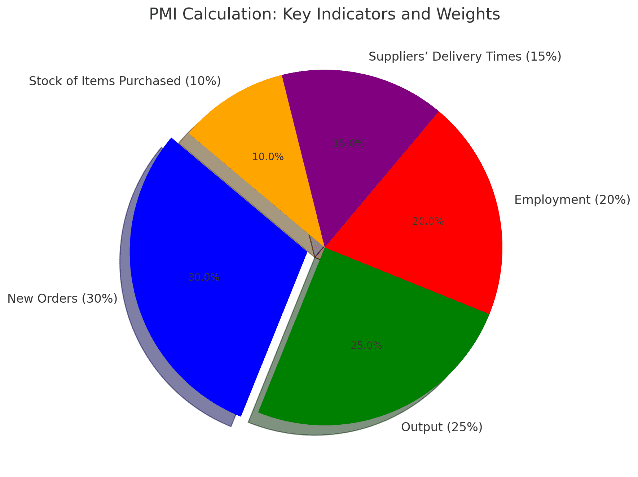
  • Components: New orders, output, employment, supplier delivery times, inventories.
  • Weighting: Indicators combined into diffusion index yielding 0–100 scale.
  • Flash Estimate: Preliminary reading issued mid-month before final data.

Policy Relevance

  • Monetary-policy: RBI watches PMI for inflationary supply-demand signals.
  • Early-warning: Contraction streaks flag slowdown, guiding fiscal stimulus.

Key Data Points

FeatureData-Point
Feb 2025 Composite Flash PMI60.6
Expansion/Contraction Cut-off50
Survey Agency IndiaS&P Global (ex-IHS Markit)
Manufacturing PMI Sample~500 firms
Survey RespondentsPurchasing managers
Key Indicators CountFive, weighted
PMI NatureLeading economic indicator
IIP ComparisonTracks actual output, not inputs

Related UPSC Prelims PYQs

CAPF_GAI 2025PYQ 1

Which one among the following financial institutions reports the monthly Purchasing Managers' Index (PMI) for services in India?

GS-3Economy

5.RBI USD-INR Swap Auction Liquidity Tool (Forex Liquidity Tool)

Business Standard

What & Where

Tool: RBI USD/INR buy–sell swap; banks exchange dollars for rupees, then reverse later

Type: Short-term (~6 m) or long-term (≤3 y) liquidity management operation

Geography: Executed in India’s inter-bank forex & money markets by Reserve Bank of India

Quick Facts for MCQs

Monetary Policy Role

  • Calibration: Aligns call money rates with policy repo, aiding smoother transmission
  • Non-inflationary: Liquidity created is offset later, limiting lasting money supply jump

Liquidity Impact

  • Immediate: ₹86k cr injection eases cash crunch, supporting credit flow to industry
  • Reversible: Liquidity automatically drains on swap maturity, reducing sterilisation burden

Exchange Rate Management

  • Buffer: Dollar absorption curbs sudden INR appreciation; later release tempers depreciation
  • Signalling: Large swap size reassures markets of RBI readiness to use forex arsenal

Key Data Points

FeatureData-Point
Swap size (Mar 2024)US $10 billion
Rupee liquidity infused₹86,000 crore
Current system deficit~₹1.7 lakh crore
Legs involvedBuy USD–give INR, later sell USD–take INR
Conducting authorityReserve Bank of India
Primary aimManage liquidity & curb INR volatility
Forex reserves usedYes, as collateral for swap
Benefit to banksAccess low-cost rupee funds without selling USD outright

Related UPSC Prelims PYQs

GS1 2022PYQ 1

With reference to the Indian economy, consider the following statements:

GS1 2019PYQ 2

Which one of the following is not the most likely measure the Government/RBI takes to stop the slide of Indian rupee?

GS-3Economy

6.RBI Quality of Public Expenditure Index (Public Spending Quality)

Indian Express
Illustration for RBI Quality of Public Expenditure Index (Public Spending Quality)

What & Where

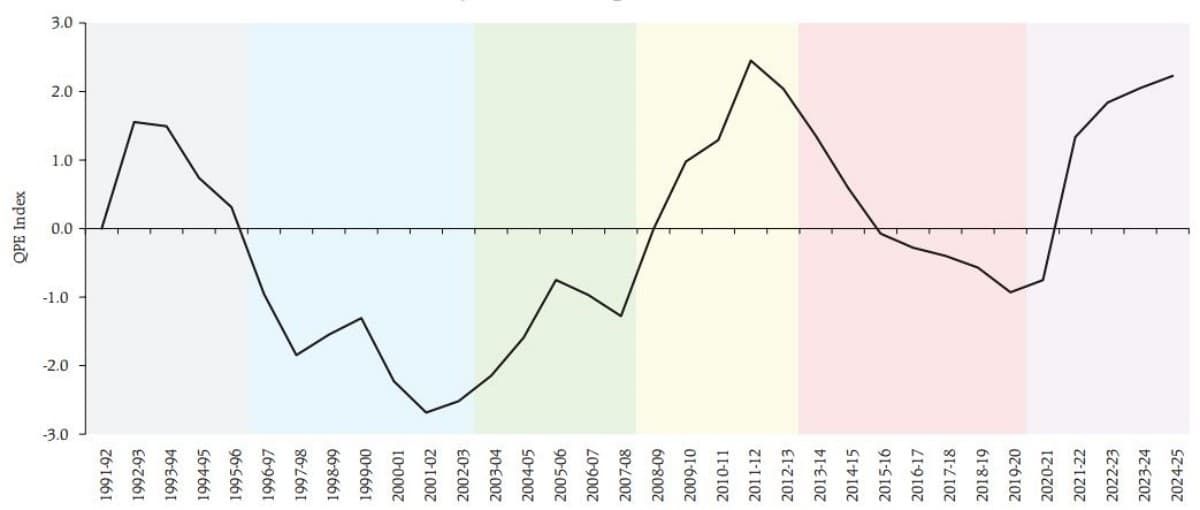
Quality of Public Expenditure (QPE): RBI index gauging efficiency & composition of Union-State budgets since 1991.

Socio-economic expenditure types: capital outlay, revenue outgo, development spends, interest payments, subsidies.

Geography: Pan-India focus; state patterns reshaped after 14th Finance Commission devolution.

Quick Facts for MCQs

Fiscal Metrics

  • Fiscal discipline via FRBM curbed debt-GDP, enabling larger capex share.
  • State development spending rose after 42 % devolution (14th FC).
  • Interest burden still one-fifth of spending, crowding out social outlays.

Positive Outcomes

  • Higher infrastructure spend improved connectivity and trade logistics.
  • Health & education pushes lifted human-capital indicators.
  • Counter-cyclical stimulus cushioned 2008 crisis and COVID-19 shock.

Challenges & Reforms

  • Persistent revenue deficits shrink fiscal room for growth capex.
  • Populist freebies, PDS & MGNREGA leakages weaken QPE.
  • Fixes: lift capex to 3 % GDP, expand DBT, retune FRBM to debt anchors.

Key Data Points

FeatureData-Point
Capital outlay / GDP1.5 % (2000) → 2.5 % (2023)
Rev. exp : Capex ratio8 : 1 (2000) → 5 : 1 (2023)
Development exp / GDP6 % (2000) → 8 % (2023)
Interest pay / Total exp25 % (2000) → 20 % (2023)
Average GDP growth6.5 % p.a. since 2000
Literacy rate77.7 % (2023)
Life expectancy70 years (2023)
Revenue deficit3.3 % of GDP (2023)
FRBM Act year2003

Related UPSC Prelims PYQs

CDS_GK, GS1 1996PYQ 1

The following Table shows the percentage distribution of revenue expenditure of Government of India in 1989-90 and 1994-95:

CDS_GK, GS1 2021PYQ 2

Which one of the following statements in the context of social sector spending in India during 2014–19 (both States and the Union Government together) is true?

GS-3Infrastructure

7.Jogighopa Inland Waterways Transport Terminal (Inland Waterways)

PIB

What & Where

Inland Waterways Transport: carriage of cargo/passengers on navigable rivers, canals and lakes inside India.

Jogighopa IWT Terminal: new cargo jetty on Brahmaputra, National Waterway-2, Goalpara district, Assam.

Enabling laws: IWAI Act 1985, National Waterways Act 2016 (111 NWs), Inland Vessels Act 2021.

Quick Facts for MCQs

Infrastructure & Connectivity

  • Integration: Terminal links forthcoming Multi-Modal Logistics Park, rail, road via PM Gati Shakti.
  • Access: Acts as international port of call for Bhutan, Bangladesh; strengthens Act East corridors.
  • Reduction: Waterway lowers freight cost and transit time v/s road.

Legal & Policy

  • Regulation: Inland Vessels Act 2021 standardises safety, survey, manning norms nationwide.
  • Strategy: Sagarmala and Maritime India Vision 2030 prioritise IWT corridors, PPP terminals.
  • Criterion: IWAI selects waterways on economic viability, strategic utility, hinterland link.

Environmental Impact

  • Advantage: IWT emits 40-60 % less CO₂ per tonne-km than road.
  • Constraint: High siltation, seasonal depth require continuous eco-sensitive dredging.
  • Concern: Bridge clearance and aquatic-life issues slow Himalayan, deltaic expansions.

Economic Angle

  • Savings: Water transport roughly one-third the cost of road for bulk cargo.
  • Potential: Cruise Bharat Mission eyes tourism on Ganga, Brahmaputra, West Coast Canal.
  • Scheme: Jalvahak offers incentives, fixed-schedule services to lift inland cargo share.

Key Data Points

FeatureData-Point
Terminal inauguratedJogighopa, Feb 2025
National WaterwayNW-2 (Brahmaputra)
NW-2 length891 km (Dhubri–Sadiya)
India’s navigable inland waterways≈14,500 km
Inland waterways declared NWs111 (2016 Act)
Cargo on NWs FY14 → FY2418 MT → 133 MT
Cargo CAGR FY14-2422 %
Operational NWs growth since 2014767 %
IWAI establishment year1986
Minimum length for NW status50 km, propelled-vessel navigability

Related UPSC Prelims PYQs

CAPF_GAI, CDS_GK 2024PYQ 1

On which among the following is National Waterway No. 2 situated?

CAPF_GAI, CDS_GK 2025PYQ 2

Consider the following pairs with reference to National Waterways (NW) in India and the associated rivers:

GS-3EconomyQuick Bite

8.IRDAI Dinesh Khara Insurance Act Review (Insurance Sector Reforms)

Indian Express

What & Where

Review Committee: 7-member IRDAI panel to revisit Insurance Act, 1938 across India

Core Focus: modernise legal framework, sync with upcoming Insurance Amendment Bill, raise FDI ceiling

Regulator: Insurance Regulatory and Development Authority of India (IRDAI), statutory watchdog under IRDA Act, 1999

Quick Facts for MCQs

Legal & Policy

  • Composite licence merges life, health, general insurance under one permit
  • Captive licence enables corporates to self-insure specific risks
  • One-time registration planned for all insurance intermediaries

Capital Norms

  • Differential capital tailors capital to insurer risk profile
  • Solvency margin reduction under study to free capital

Investment Rules

  • Proposal to liberalise insurer investment regulations for higher returns and wider asset classes

Key Data Points

FeatureData-Point
Committee size7 members
Committee chairDinesh Khara
Parent statute under reviewInsurance Act, 1938
Proposed FDI cap100 %
Current FDI cap74 %
Regulator statuteIRDA Act, 1999

Related UPSC Prelims PYQs

GS1 2019PYQ 1

In India, which of the following review the independent regulators in sectors like telecommunications, insurance, electricity, etc.?

GS-1Mapping

9.Recent Mount Etna and Dukono Eruptions (Active Volcanoes)

DD News
Illustration for Recent Mount Etna and Dukono Eruptions (Active Volcanoes)

What & Where

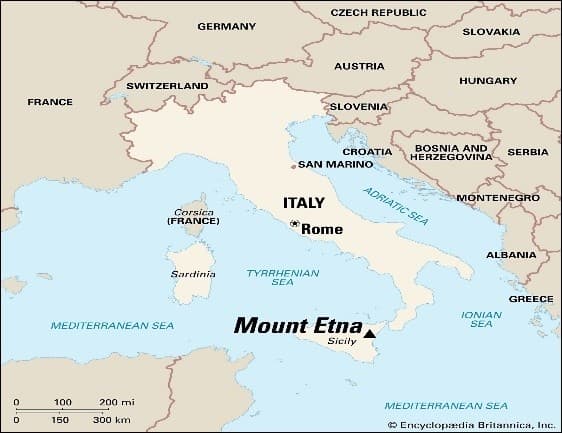
Volcanoes: Mount Etna (Sicily, Italy) & Mount Dukono (Halmahera, Indonesia) presently erupting

Type: Both stratovolcanoes; Etna ejects lava, Dukono emits ash column

Geography: Mediterranean Europe vs Pacific Ring of Fire Southeast Asia, differing tectonic settings

Quick Facts for MCQs

Tourism & Safety

  • Visitors flocking to Etna create crowd control and evacuation challenges
  • Authorities caution against lava-snow explosions near Bocca Nuova crater
  • Indonesian residents advised to stay beyond 4 km exclusion zone

Aviation Impact

  • Dukono ash triggers VONA Orange, signalling potential jet engine damage
  • Flights prohibited within 5 km cylinder above Halmahera volcano

Physical Geography

  • Bocca Nuova central-summit vent active since 1968 on Etna
  • Dukono exemplifies subduction-zone volcanism of North Maluku island arc

Key Data Points

FeatureData-Point
Mount Etna height~3,350 m (Europe’s highest active)
Etna active craterBocca Nuova (“new mouth”)
Etna eruption riskLava–snow contact may trigger rock explosions
Mount Dukono height1,087 m
Dukono ash column~2,000 m high
Aviation alert levelVONA Orange for Dukono
Flight restriction5 km radius around Dukono
Public danger zone4 km from Malupang Warirang crater
Dukono eruption naturePersistent; frequent ash clouds
Etna tourism drawThousands of visitors despite hazards

Related UPSC Prelims PYQs

CDS_GK 2020PYQ 1

Match List-I with List-II and select the correct answer using the code given below the Lists:

GS-1Mapping

10.Pir Panjal Range Geography Highlights (Himalayan Range)

Economic Times
Illustration for Pir Panjal Range Geography Highlights (Himalayan Range)

What & Where

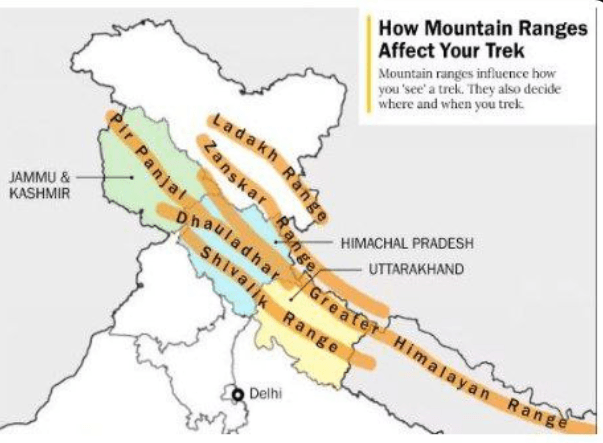
Pir Panjal: westernmost, loftiest slice of Lesser Himalayas across Himachal Pradesh and J-&-K/PoK

Acts as north-south barrier, isolating Kashmir Valley from Chenab basin & plains

Hosts key passes, roads, tunnels enabling Kashmir–Poonch–Jammu linkage

Quick Facts for MCQs

Security Dimension

  • Brigade commanders flag-meeting at Chakkan-Da-Bagh to calm LoC skirmishes
  • Ceasefire 2003 reaffirmed, signalling de-escalation along Pir Panjal slopes
  • Ridge grants tactical overwatch on Poonch-Rajouri sector

Strategic Connectivity

  • Mughal Road over Pir Panjal Pass provides alternate Jammu–Kashmir lifeline
  • Jawahar Tunnel beneath Banihal Pass allows all-weather NH-44 traffic
  • Range topography dictates tunnel length, pass altitude planning

Tourism & History

  • Gulmarg on northern flank draws ski & meadow tourism
  • Caravan route via Pir Panjal once ferried shawls, spices to Mughal courts
  • Scenic alpine valleys promote trekking and pastoral Gujjar migration

Key Data Points

FeatureData-Point
Physiographic divisionLesser Himalaya
StretchHimachal Pradesh → J&K → PoK
Highest peaks (east)Indrasan 6,221 m; Deo Tibba 6,001 m
Important passPir Panjal Pass 3,490 m
Key roadMughal Road (Rajouri–Poonch–Shopian)
Main tunnelJawahar Tunnel 2.5 km under Banihal
River divideBeas & Ravi vs Chenab
Tributaries originateJhelum, Indus
Famous resortGulmarg
Historic roleAncient Kashmir–Indian plains trade corridor
GS-3Environment

11.Germanwatch Climate Risk Index 2025 Findings (Climate Vulnerability Ranking)

Down to Earth

What & Where

Climate Risk Index (CRI): Germanwatch annual ranking of nations’ vulnerability to extreme weather-event losses.

Six indicators: absolute/relative deaths, losses, affected people; 30-year dataset (1993-2022).

Geography: global; 2025 list flags Dominica, China, Honduras, Pakistan, India among worst hit.

Quick Facts for MCQs

Global Findings

  • Displacement drivers: Floods, droughts, storms dominate migration statistics.
  • Seven of ten worst-hit in 2022 are low- and middle-income countries.
  • 1.5 °C global temperature limit breached for full year in 2024.

India Impact

  • Events: Major floods (1993, 2013, 2019), cyclones Odisha 1999, Hudhud 2014, Amphan 2020, heatwaves touching 50 °C.
  • ADB APAC 2024 warns 24.7 % GDP loss for India by 2070.
  • Losses: ~10 % global deaths, 4.3 % global monetary loss despite 6th ranking.

Mitigation Challenges

  • Responsibility debate: Historic emitters vs high current emitters like India/China slows consensus.
  • NDC gap: Many nations miss updates; projected warming 2.6 – 3.1 °C by 2100.
  • Finance shortfall: Needed USD 300 bn/yr; Loss-&-Damage Fund still lagging.

Finance & Policy Needs

  • Enhance climate finance; expedite Loss-and-Damage operationalisation.
  • Scale NDC ambition to keep warming ≤ 1.5 °C.
  • Developed nations urged to fast-track deep emission cuts and tech transfer.

Key Data Points

FeatureData-Point
PublisherGermanwatch (Germany-based think tank)
First annual release2006
Assessment window1993 – 2022 (30 yrs)
Indicators counted6 (deaths, losses, affected people: absolute & relative)
Total deaths 1993-2022≈ 7.65 lakh
Global economic lossUSD 4.2 trillion
Top-3 worst 1993-2022Dominica, China, Honduras
India’s overall rank6th (1993-2022)
India fatalities share80,000 deaths ≈ 10 % of global
India economic loss shareUSD 180 bn ≈ 4.3 %
Top-3 in 2022Pakistan, Belize, Italy
LMIC presence in 2022 top-107 countries

Related UPSC Prelims PYQs

GEO_GS 2020PYQ 1

According to the Global Climate Risk Index 2020, published by environmental think tank Germanwatch, in the year 2018 India’s rank in the list of top most climate affected nations is:

GEO_GS 2023PYQ 2

According to the Climate Change Performance Index (CCPI), 2023, India climbed two spots to rank

GS-3EnvironmentQuick Bite

12.India’s First Wildlife Bio-Bank Launch (Wildlife Biobank)

Indian Express

What & Where

Wildlife biobank = frozen repository of animal cells, tissues, gametes for conservation research.

India’s first at Padmaja Naidu Himalayan Zoological Park, Darjeeling, fully functional since Jul 2024.

Samples stored cryogenically at −196 °C in liquid nitrogen to preserve genetic diversity.

Quick Facts for MCQs

Conservation Goals

  • Preservation aim: secure genetic material of snow leopards, red pandas, Himalayan wolves, others facing population bottlenecks.
  • Biobank complements captive-breeding program already running at Darjeeling Zoo.
  • Long-term target: bolster national species recovery and rewilding initiatives.

Tech & Schemes

  • Cryopreservation uses liquid nitrogen dewars ensuring cellular integrity for decades.
  • Project embedded within national conservation plan aligned with Wildlife (Protection) Act mandates.
  • Data management follows CCMB protocols for barcode-based sample tracking.

International Examples

  • Success record: American black-footed ferret revived via stored DNA plus captive breeding.
  • Northern one-horned rhino population aided using similar frozen genetic repositories.

Key Data Points

FeatureData-Point
Facility typeWildlife biobank (frozen zoo)
Zoo altitude tagIndia’s largest high-altitude zoo
Present locationDarjeeling, West Bengal
Operational sinceJuly 2024
Samples held (Feb 2025)60 specimens
Species represented23, priority to endangered
Storage temperature−196 °C
CollaboratorCCMB, Hyderabad
Supervising ministryScience & Technology
Planned next sitesDelhi National Zoo, Nandankanan Zoo (Odisha)

Related UPSC Prelims PYQs

GEO_GS 2024PYQ 1

Which one among the following is not in-situ conservation?

GS-3EnvironmentQuick Bite

13.Parambikulam Tiger Reserve Faunal Highlights (Tiger Reserve Biodiversity)

The Hindu

What & Where

Parambikulam Tiger Reserve (TR): protected forest in Palakkad & Thrissur, Kerala; declared 2009 under Project Tiger.

Part of Nelliampathy–Anamalai landscape, southern Western Ghats; hosts rivers Parambikulam, Sholayar, Thekkady.

Noted for rich fauna plus world-first scientifically managed teak plantation with 450-yr-old Kannimara tree.

Quick Facts for MCQs

Biodiversity Highlights

  • Birds list includes Rufous-bellied hawk-eagle, Ceylon frogmouth, Indian/Great Indian hornbills.
  • Butterflies recorded: Five-bar & Spot swordtail, Southern birdwing, Nilgiri tiger.
  • Mammals presence: Leopard apex predator, endangered Lion-tailed macaque indicator.

Forestry & Plantation

  • Teak record: Kannimara girth ~7 m, heritage tree draws eco-tourism.
  • Scientific teak management pioneered here since 1850s British era.
  • Plantation coexists within core zone without compromising tiger habitat integrity.

Hydrography

  • Rivers Parambikulam & Sholayar sustain Valiaparambu reservoir feeding irrigation.
  • Riparian zones host otters, enhance prey base for tigers.
  • Perennial streams enable moist evergreen to semi-evergreen forest mosaic.

Key Data Points

FeatureData-Point
StateKerala
DistrictsPalakkad, Thrissur
Project Tiger year2009
Key landscapeNelliampathy-Anamalai, Western Ghats
Signature treeKannimara teak, ~450 yrs
Plantation tagWorld’s 1st scientifically managed teak
Iconic birdsRufous-bellied hawk-eagle, Great Indian hornbill
Iconic butterfliesSouthern birdwing (India’s 2nd largest)
Flagship mammalsLeopard, Lion-tailed macaque
Semi-aquatic faunaSmooth-coated otter
Flowing riversParambikulam, Sholayar, Thekkady
GS-3S&T

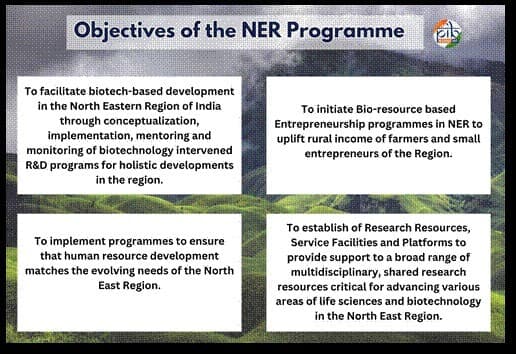
14.North-East India Biotechnology Initiatives (Biotechnology Initiatives)

PIB
Illustration for North-East India Biotechnology Initiatives (Biotechnology Initiatives)

What & Where

Biotechnology: uses organisms, cells or biomolecules to create health, farm, industrial, environmental products

Core types: Medical, Agricultural, Industrial, Environmental biotechnology

North-East India: biodiversity hotspot; DBT dedicates special budget & programmes for regional bioeconomy

Quick Facts for MCQs

Tech & Schemes

  • Twinning Programme funds joint projects, links NE institutes with national labs
  • Agri-Biotech mission develops disease-free citrus, medicinal crops, organic farm models
  • Genomics initiative trains NE scientists in genetics-based disease analysis

Regional Potential

  • Biodiversity enables biofuels, essential oils, pharma and specialty food industries
  • Indigenous tribal knowledge supports herbal medicine patents and organic certification
  • Varied agro-climates suit niche high-value crops boosting farmer incomes

Challenges

  • Infrastructure gap: limited advanced labs, pilot plants, cold-chain logistics
  • Funding hurdles: high research cost, scarce venture capital for biotech start-ups
  • Human resource shortage: need for specialised molecular biology, bioinformatics talent

Way Forward

  • Build biotech parks, incubators, common R&D instrumentation centres across NE capitals
  • Promote PPPs; offer tax incentives to attract bio-industry investment in remote districts
  • Leverage AI, remote sensing for crop disease alerts, precision fermentation, supply-chain optimisation

Key Data Points

FeatureData-Point
DBT budget share for NE10 % of total DBT outlay
Biotech Hubs set up126 in universities/colleges
Twinning R&D collaborations65 + projects
Benefited researchers450 +
Benefited students2,000 +
BLiSS launch year2014 (school labs)
Key mobile appPig Disease Diagnosis Expert System
Plant species in NE8,000 +
Medicinal plants850 + varieties
High-value crops focusCitrus, medicinal & aromatic plants
GS-3S&T

15.Record-Energy Neutrino Detected by KM3NeT (Neutrino Astronomy)

The Hindu
Illustration for Record-Energy Neutrino Detected by KM3NeT (Neutrino Astronomy)

What & Where

KM3NeT : under-construction cubic-kilometre neutrino telescope moored in the Mediterranean Sea.

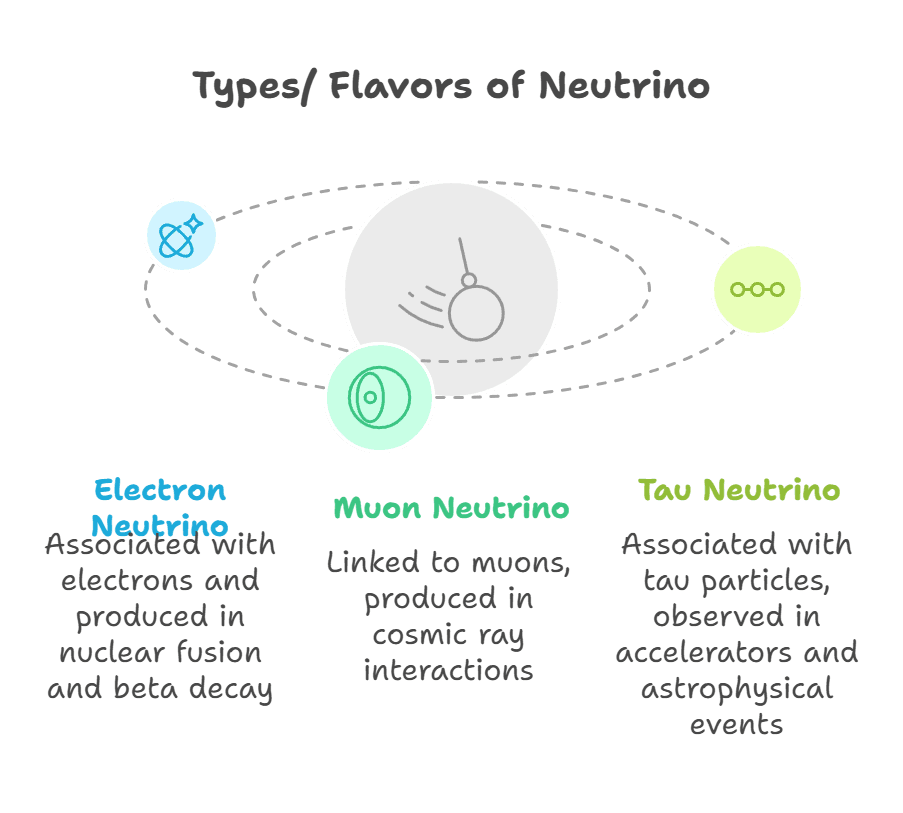
Neutrinos : electrically neutral, near-massless “ghost particles” traversing matter almost unhindered, key cosmic messengers.

INO : proposed India-based Neutrino Observatory inside a 1,200 m cave at Pottipuram, Theni (Tamil Nadu).

Quick Facts for MCQs

Tech & Schemes

  • KM3NeT strings of optical sensors track Cherenkov flashes from rare neutrino-water interactions.
  • Deep-sea location reduces background noise, enabling high-energy event capture.
  • Similar ice-based array : IceCube, South Pole, 1 km³ volume.

Energy Milestones

  • Record neutrino eclipses all past detections by factor 30.
  • Outclasses photons by a quadrillion-fold energy gap.
  • Surpasses LHC’s proton collisions by four orders of magnitude.

India Angle

  • INO envisages magnetised iron calorimeter to probe neutrino mass hierarchy.
  • Project faces clearance and funding delays yet remains on national mega-science roadmap.
  • Collaboration could complement KM3NeT and IceCube for global triangulation.

Key Data Points

FeatureData-Point
Detector nameKM3NeT
Medium usedMediterranean seawater
New neutrino’s energy vs previous record30 × higher
Energy vs photons10¹⁵ × higher
Energy vs LHC protons10,000 × higher
Detection principleCherenkov light flashes
Indian facility siteTheni district, Tamil Nadu

Related UPSC Prelims PYQs

GS1 2010PYQ 1

India-based Neutrino Observatory is included by the Planning Commission as a mega science project under the 11th Five-Year Plan. In this context, consider the following statements:

GS1 2015PYQ 2

In the context of modern scientific research, consider the following statements about ‘IceCube’, a particle detector located at South Pole, which was recently in the news:

GS-3S&TQuick Bite

16.Microsoft Majorana-1 Topological Quantum Chip (Quantum Computing)

The Hindu
Illustration for Microsoft Majorana-1 Topological Quantum Chip (Quantum Computing)

What & Where

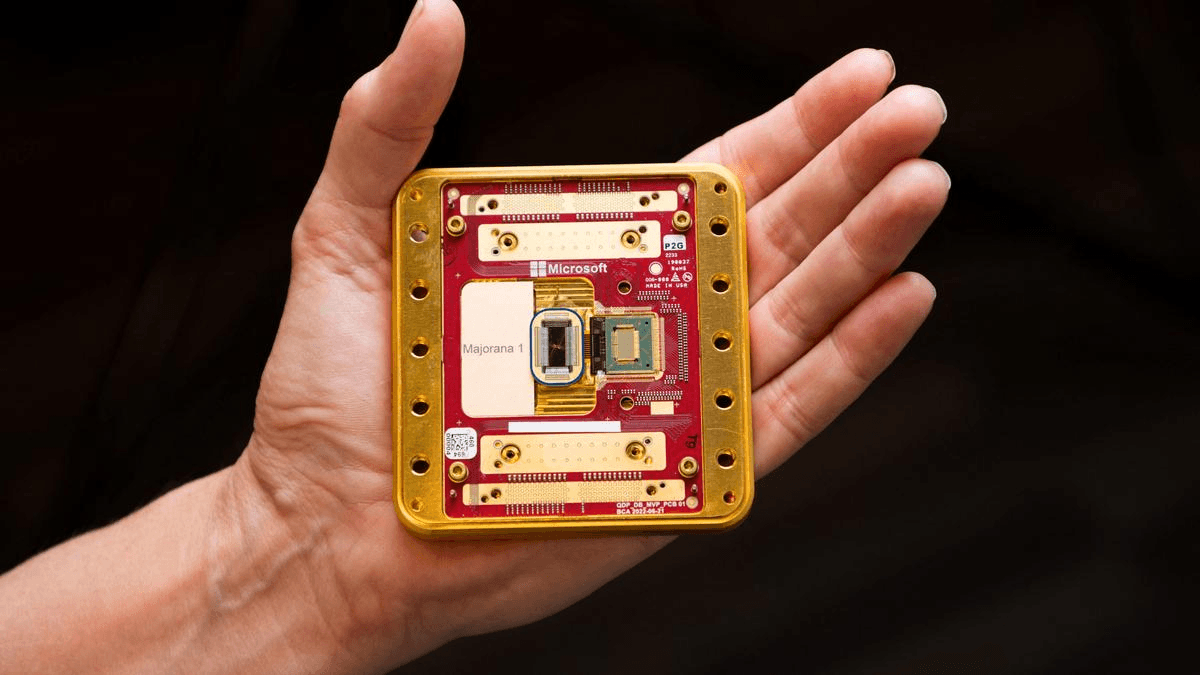
Majorana 1 – first quantum chip using Topological Core architecture by Microsoft, USA

Employs Topoconductor = topological superconductor state of matter, beyond solid/liquid/gas

Combines indium arsenide semiconductor with aluminum superconductor to host Majorana fermion qubits

Quick Facts for MCQs

Materials & Physics

  • Indium arsenide provides semiconductor channel, aluminum overlay induces superconductivity
  • Topological protection shields qubits from decoherence, boosting stability
  • Majorana fermions emerge at material interfaces, serve as information carriers

Scaling & Stability

  • Eight physical qubits act as prototype, architecture designed for million-qubit expansion
  • Topological error suppression reduces need for heavy error-correction codes
  • Goal: stable quantum computations suitable for industry-grade workloads

Applications

  • Environmental cleanup via catalysis for microplastic degradation
  • Smart manufacturing through self-healing polymers and materials discovery
  • Precision medicine and drug design leveraging large-scale quantum chemistry simulations

Key Data Points

FeatureData-Point
Launch companyMicrosoft
Core architectureTopological Core
New matter stateTopoconductor (topological superconductor)
Initial qubit count8 qubits
Error-resistant scale target1 million qubits
Key particlesMajorana fermions (self-antiparticles)
Semiconductor usedIndium arsenide
Superconductor usedAluminum
Speed basisQubits in superposition enable exponential computation
Sample applicationsMicroplastic breakdown, self-healing materials, advanced healthcare, complex chemistry solving

Related UPSC Prelims PYQs

GS1 2025PYQ 1

Consider the following statements:

GS-2International Relations

17.India-China Foreign Ministers Johannesburg Meeting (India-China Dialogue)

Hindustan Times
Illustration for India-China Foreign Ministers Johannesburg Meeting (India-China Dialogue)

What & Where

Bilateral meet: EAM S. Jaishankar & FM Wang Yi, Johannesburg, on G-20 FMM sidelines

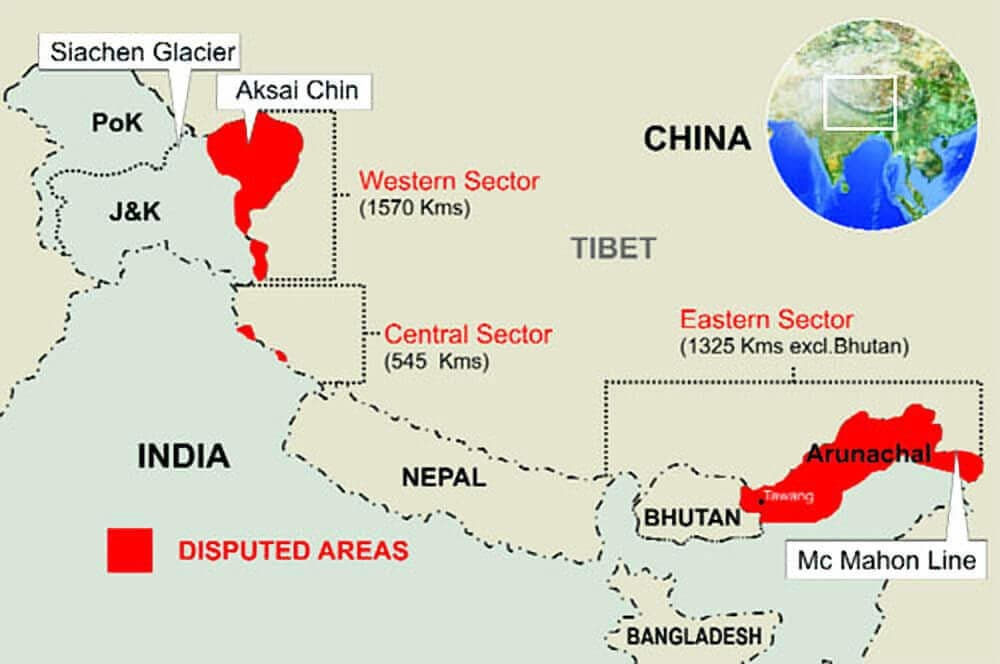
Core focus: peace along Line of Actual Control (LAC) and broader bilateral normalisation

Geography: Eastern Ladakh disengagement zone, Kailash Mansarovar route via Tibet, trans-border rivers (Brahmaputra, Sutlej)

Quick Facts for MCQs

Border Management

  • Peace priority: adherence to existing LAC protocols, avoidance of escalation
  • Disengagement milestone: Nov 2024 pullback termed positive but incomplete
  • Confidence mechanisms: flag meetings, hotlines, WMCC highlighted for strengthening

Economic & Connectivity

  • Trade imbalance: India flagged $100 bn+ deficit, urged market access diversification
  • Flight expansion: proposal for new routes post-COVID curbs easing
  • Pilgrimage facilitation: reopening Lipulekh, Nathu La passes for Mansarovar pilgrims

Multilateral Platforms

  • G-20 preservation: joint stance against forum politicisation
  • SCO & BRICS: agreement to coordinate on counter-terror, development finance, digital public goods
  • Plurilateralism push: support for multipolar Asia, rules-based order critique of unilateral sanctions

Strategic Differences

  • Indo-Pacific rivalry: China wary of Quad; India of BRI and CPEC penetration
  • Trust deficit: India cites 2020 clashes; China warns against “external interference”
  • Global governance: India seeks UNSC reform; China prefers status-quo influence

Key Data Points

FeatureData-Point
Meeting venueJohannesburg, South Africa
Larger eventG-20 Foreign Ministers’ Meeting 2024
Indian representativeExternal Affairs Minister S. Jaishankar
Chinese representativeForeign Minister Wang Yi
Latest troop pullbackEastern Ladakh, Nov 2024
Requested pilgrimageKailash Mansarovar Yatra resumption
Connectivity askMore India-China direct flights, eased visas
River concernChinese dams on Yarlung Tsangpo / Brahmaputra
Key multilateral forumsG-20, SCO, BRICS
Persistent irritantPost-2020 LAC tensions (Galwan legacy)

Related UPSC Prelims PYQs

NDA_GAT 2024PYQ 1

निम्नलिखित में से कौन-सा, 1954 में भारत और चीन द्वारा हस्ताक्षरित ‘पंचशील’ समझौते में निहित पाँच सिद्धांतों का भाग नहीं है ?

GS-2Scheme

18.Bharat Tech Triumph Gaming Initiative (Gaming Industry Promotion)

PIB

What & Where

Bharat Tech Triumph Program (TTP): national initiative to spotlight Indian gaming, animation & immersive-tech innovation

Hosted under Create in India Challenge Season 1; winners showcase at GDC 2025 (San Francisco) & WAVES Summit (India)

Geography focus: India-based talent with limited global entries (12) enabling cross-border collaboration

Quick Facts for MCQs

Tech & Schemes

  • Incentivisation: full sponsorship for travel, exhibition, networking at GDC 2025 & WAVES
  • Innovation push: encourages adoption of AR/VR, metaverse frameworks within indigenous IP
  • Alignment: complements Digital India & India-as-gaming-hub policy narrative

Institutional Setup

  • Oversight: MIB provides policy backing, funding & international liaison
  • IEIC role: conducts outreach, evaluation panels, final jury decisions
  • Multi-stakeholder: collaboration among startups, academia, global publishers

Industry & Market Impact

  • Talent pipeline: structured challenge identifies export-ready Indian titles for global shelves
  • Cross-border linkages: foreign entries foster knowledge transfer & JV prospects
  • Visibility boost: presence at GDC positions India in $200-bn global gaming economy

Key Data Points

FeatureData-Point
Parent ministryInformation & Broadcasting
Organising partnerInteractive Entertainment & Innovation Council
Target sectorsGaming, animation, AR, VR, Metaverse
Eligible participantsDevelopers, studios, startups, tech firms
Prototype requirementWorking game prototype mandatory
Selection stages3 (submission → expert review → showcase)
Registrations Season 11,078 (incl. 12 foreign)
Sponsored global eventsGame Developers Conference 2025
Sponsored domestic eventWAVES Summit (India)
Key objectivePromote Create in India world-class games
GS-1Misc

19.World Day of Social Justice 2025 (Social Justice Day)

PIB
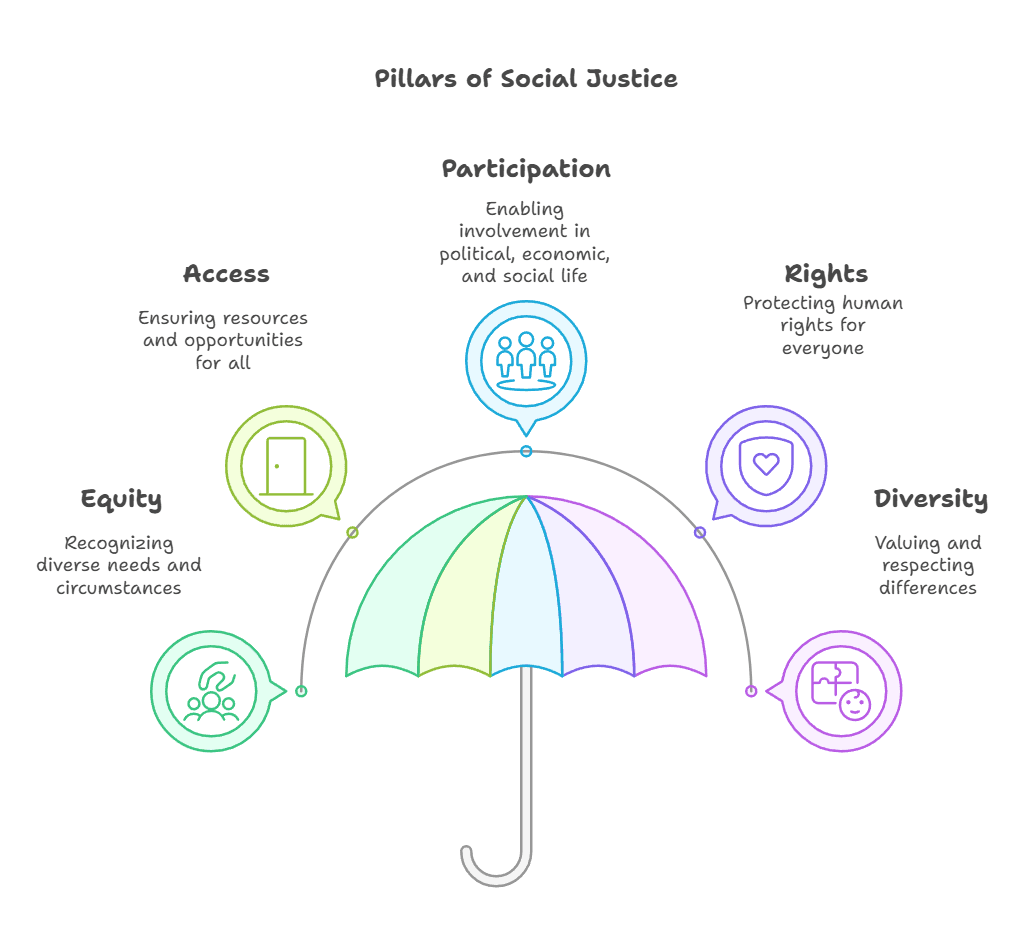
Illustration for World Day of Social Justice 2025 (Social Justice Day)

What & Where

Observance: UN World Day of Social Justice, every 20 Feb, designated by UNGA in 2007

Lead-Agency: International Labour Organization steers global advocacy, adopted Social Justice Declaration 2008

Theme-2025: “Empowering Inclusion: Bridging Gaps of Social Justice – Strengthening a Just Transition for a Sustainable Future”

Quick Facts for MCQs

International Framework

  • Declaration: ILO Philadelphia 1944 + 1998 Core Labour Rights underpin 2008 Social Justice Declaration
  • Instrument: Social Protection Floors ensure minimum income, health, child & older-age security
  • Risk: Crises, labour insecurity, widening inequality threaten peace and social contract

Constitutional Mandates

  • Preamble: pledges social-economic-political justice and equality of status & opportunity
  • Articles: 23 ban trafficking/forced labour, 24 prohibit hazardous child labour, 38–39A–46 direct welfare focus
  • Mechanism: Free legal aid (39A) and promotion of SC/ST education & economy (46)

Flagship Schemes

  • PM-AJAY: Adarsh Gram, socio-economic grants, hostels for SC youths
  • SRESHTA: Residential class 9-12 schooling via top CBSE/State schools for SC students
  • NAMASTE: Mechanised sanitation; FY 2024-25 expansion to include waste-pickers

Vulnerable-Group Initiatives

  • SMILE: Rehabilitation of transgender persons & beggars across 81 cities; 7,660 identified, 970 rehabilitated (Nov 2024)
  • PM-DAKSH: Free skill training for SC, OBC, EBC, DNT, Safai Karamchari categories
  • NMBA: Drug-free drive in 272 districts; reached 13.57 crore people, 3.85 lakh institutions involved

Key Data Points

FeatureData-Point
First observance year2009
UNGA resolution date26 Nov 2007
2025 observance date20 Feb 2025
Steering agencyInternational Labour Organization
Key ILO declaration year10 Jun 2008
Social Protection Floors launch2009
India’s nodal ministryMinistry of Social Justice & Empowerment
Core global pillarsEmployment, Social dialogue, Rights, Social protection

Ready to practice?

Test your knowledge with our UPSC test series.

Start Free Trial