
With reference to the invaders in ancient India, which one of the following is the correct chronological order?
- (a)Sakas – Greeks – Kushans
- (b)Greeks – Sakas – Kushans
- (c)Sakas – Kushans – Greeks
- (d)Greeks – Kushans – Sakas
Correct — B, Greeks – Sakas – Kushans. In the post-Mauryan north-west, the Indo-Greeks (Bactrian Greeks) came first, from about the early second century BCE (Demetrius, Menander). They were followed by the Sakas (Indo-Scythians) from roughly the first century BCE (e.g., Maues). The Kushans (a branch of the Yuezhi) came last, establishing their empire from the first century CE under Kujula Kadphises and reaching a peak under Kanishka (c. 127 CE). Hence the sequence is Greeks → Sakas → Kushans.
- (a)Sakas – Greeks – Kushans — Wrong — it puts the Sakas before the Greeks. The Indo-Greeks (from the early 2nd century BCE) preceded the Sakas (1st century BCE).
- (c)Sakas – Kushans – Greeks — Wrong — it makes the Greeks last, but the Indo-Greeks were the earliest of the three post-Mauryan invaders, not the latest.
- (d)Greeks – Kushans – Sakas — Wrong — it reverses the Sakas and Kushans. The Sakas (1st century BCE) arrived before the Kushans (1st century CE).
After the decline of the Mauryas, a succession of Central Asian peoples entered India through the north-west: the Indo-Greeks, then the Sakas (Scythians), the Parthians (Pahlavas), and finally the Kushans. This wave shaped Indian coinage (fine gold coins), Gandhara/Mathura art, and cross-cultural exchange along the Silk Road.
The standard mnemonic ordering is Greeks → Sakas → Parthians → Kushans; this question omits the Parthians and asks only for Greeks, Sakas and Kushans. Anchor two dates: the Indo-Greeks push in from the early 2nd century BCE (earliest), and the Kushans/Kanishka belong to the 1st-2nd century CE (latest). That alone fixes Greeks first and Kushans last, giving Greeks – Sakas – Kushans.
- Indo-Greeks: from the early 2nd century BCE (Demetrius, Menander of Milindapanho fame).
- Sakas (Indo-Scythians): from the 1st century BCE (Maues; later the Western Kshatrapas).
- Kushans (Yuezhi): 1st century CE onward; peak under Kanishka (c. 127 CE), Saka era 78 CE.
- Full textbook sequence: Greeks – Sakas – Parthians (Pahlavas) – Kushans.
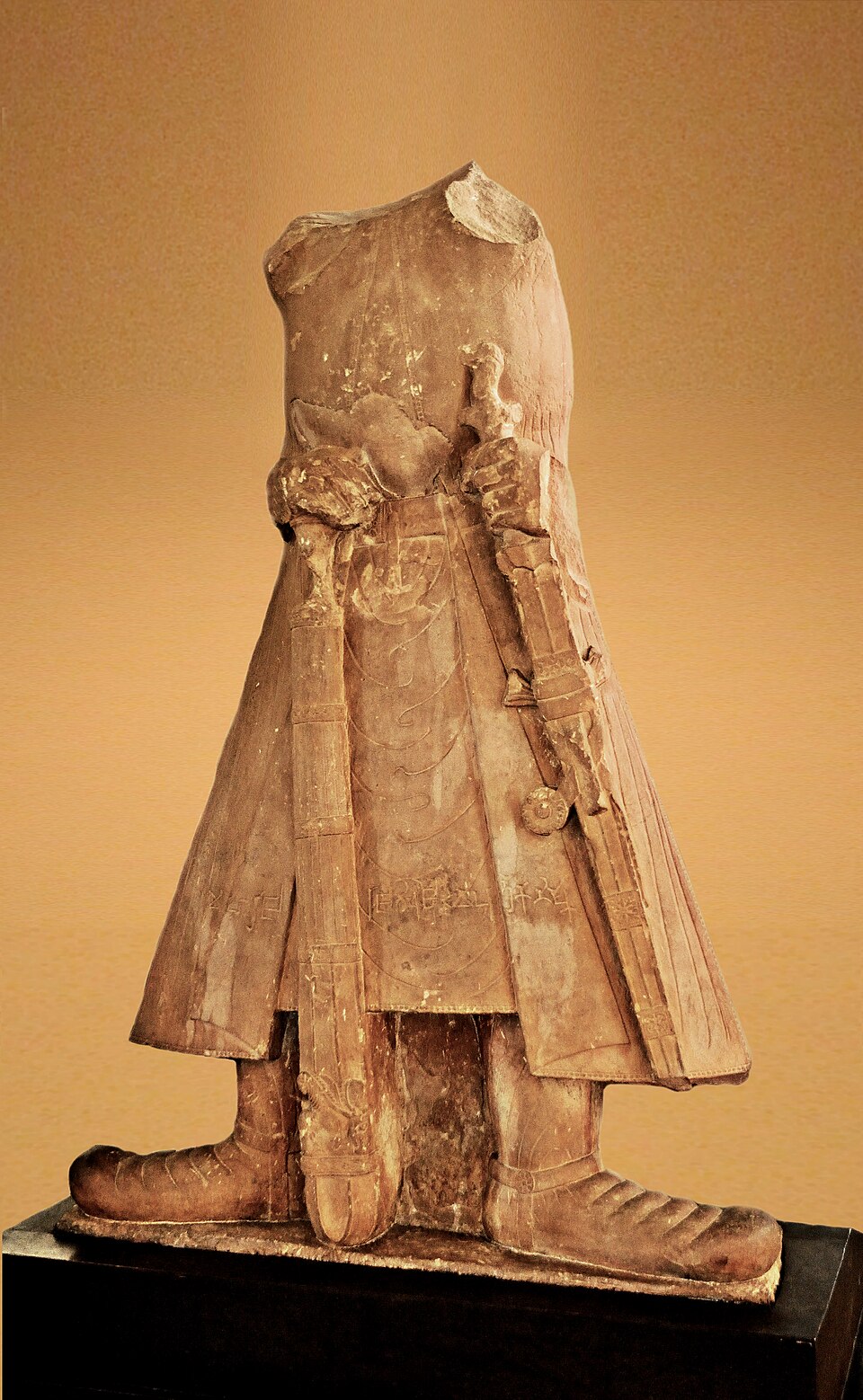
- Placing the Sakas before the Indo-Greeks.
- Reversing the Sakas and Kushans — remember the Kushans (Kanishka) came last.
UPSC/UPPSC repeatedly ask post-Mauryan foreign rulers as chronology (invader order) or by association (Menander–Milindapanho, Kanishka–Saka era / Fourth Council).
With reference to the invaders in ancient India, which one of the following is the correct chronological order?
- (a) Greeks – Sakas – Kushans
- (b) Greeks – Kushans – Sakas
- (c) Sakas – Greeks – Kushans
- (d) Sakas – Kushans – Greeks
Answer(a) Greeks – Sakas – Kushans
This is the same question — UPPSC 2023 repeated UPSC Prelims 2006 verbatim (only the option order differs); both ask the chronological order of the Greeks, Sakas and Kushans.
The Indo-Greek kingdom set up in north Afghanistan in the beginning of the second century BC was
- (a) Bactria
- (b) Scythia
- (c) Zedrasia
- (d) Aria
Answer(a) Bactria
Fixes the earliest invader group of this question — the Indo-Greeks of Bactria (early 2nd century BCE), who precede the Sakas and Kushans.
- practice — not a real PYQ
The Saka era, widely used in India, is generally believed to have been started in 78 CE by which ruler?
- (a)Menander
- (b)Kanishka
- (c)Maues
- (d)Rudradaman I
Answer(b) Kanishka — the Kushan ruler traditionally associated with the start of the Saka era in 78 CE. - practice — not a real PYQ
The Indo-Greek king remembered for his dialogue with the Buddhist monk Nagasena in the Milindapanho is:
- (a)Demetrius
- (b)Menander
- (c)Eucratides
- (d)Antialcidas
Answer(b) Menander (Milinda) — the Indo-Greek king of the Milindapanho dialogue.