
Which of the following factor is the most important factor for the lost of biodiversity?
- (a)Control of predators
- (b)Destruction of natural habitat
- (c)Pest control
- (d)Genetic assimilation
Correct — B, Destruction of natural habitat. Habitat loss/destruction — through deforestation, land-use change, wetland drainage and fragmentation — is universally recognised as the single most important cause of biodiversity loss and species extinction. It is the first and largest driver in the standard 'HIPPO' list (Habitat loss, Invasive species, Pollution, Human overpopulation, Overharvesting). Removing the habitat directly strips species of the space, food and breeding sites they need, so it is the leading factor.
- (a)Control of predators — Managing predators affects particular prey/predator populations locally but is not the primary, large-scale driver of overall biodiversity loss.
- (c)Pest control — Pesticide use can harm non-target species locally, but it is a secondary/localised impact — not the most important factor behind global biodiversity loss.
- (d)Genetic assimilation — Genetic assimilation (loss of a distinct species through hybridisation with another) is a narrow, relatively minor mechanism, not the leading cause of biodiversity loss.
Biodiversity loss has several drivers, but they are not equal in weight. Ecologists summarise the main threats as 'HIPPO' — Habitat loss, Invasive species, Pollution, (Human) Population growth, and Overharvesting — with habitat destruction/change being the foremost cause of species decline and extinction worldwide.
This is a 'most important / primary factor' question, so you must rank the causes rather than merely identify a valid one. All the options can affect species, but destruction of natural habitat has by far the widest and deepest impact, which is what makes it the single most important factor.
- Habitat destruction is the leading / most important cause of biodiversity loss.
- The main threats are remembered as HIPPO: Habitat loss, Invasive species, Pollution, Population (human), Overharvesting.
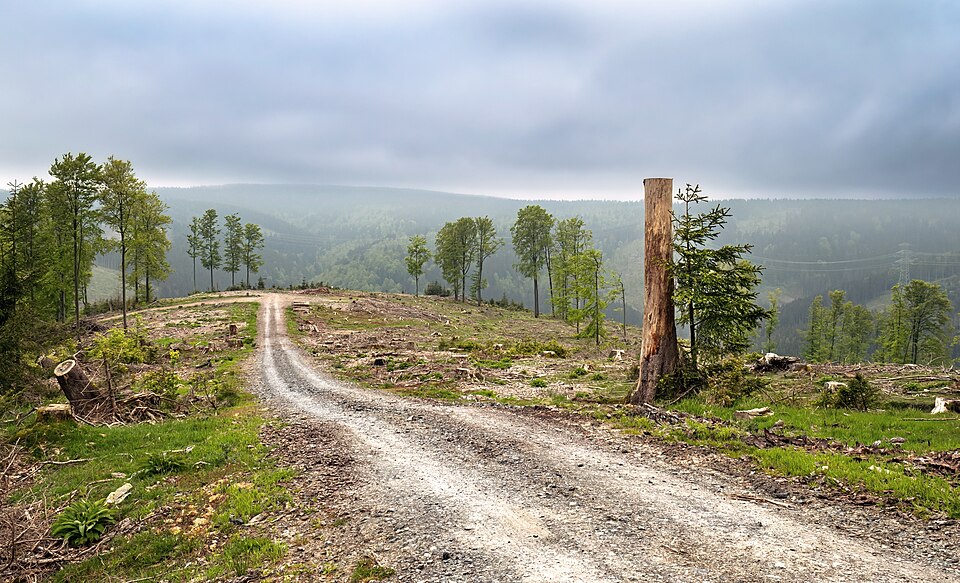
- Habitat loss occurs via deforestation, agricultural expansion, urbanisation and wetland drainage.
- Global assessments (e.g. IPBES) identify land- and sea-use change as the top driver of terrestrial biodiversity loss.
- Selecting a valid-but-secondary cause (pest/predator control) instead of the MOST important one
- Overlooking that 'habitat destruction' subsumes deforestation, fragmentation and land-use change
UPSC/UPPSC ask this as 'the most important cause' of biodiversity loss, or as a list of threats to biodiversity (global warming, habitat fragmentation, alien species) to be selected.
Which of the following can be threats to the biodiversity of a geographical area? 1. Global warming 2. Fragmentation of habitat 3. Invasion of alien species 4. Promotion of vegetarianism Select the correct answer using the codes given below :
- (a) 1, 2 and 3 only
- (b) 2 and 3 only
- (c) 1 and 4 only
- (d) 1, 2, 3 and 4
Answer(a) 1, 2 and 3 only
Same concept — recognised threats to biodiversity; habitat fragmentation/destruction is among the key drivers, exactly as in this question.
- practice — not a real PYQ
The mnemonic 'HIPPO', used for the major causes of biodiversity loss, does NOT include which of the following?
- (a)Habitat loss
- (b)Invasive species
- (c)Pollution
- (d)Photosynthesis
Answer(d) Photosynthesis — HIPPO stands for Habitat loss, Invasive species, Pollution, Population, Overharvesting. - practice — not a real PYQ
Habitat fragmentation contributes to biodiversity loss mainly because it:
- (a)Increases the total area of natural habitat
- (b)Isolates populations into small patches, reducing gene flow and viability
- (c)Eliminates all invasive species
- (d)Guarantees higher rainfall
Answer(b) It isolates populations into small patches, reducing gene flow and long-term survival.