
Which one of the following is the main constituent of LPG?
- (a)Hexane
- (b)Pentane
- (c)Butane
- (d)Methane
Correct — C, Butane. LPG (Liquefied Petroleum Gas) is a mixture of light hydrocarbons obtained from petroleum refining and natural-gas processing, and its principal components are butane (C4H10) and propane (C3H8). In Indian domestic cooking-gas cylinders butane is the major constituent (blended with propane), which is why 'Butane' is the correct choice among the options given. These gases liquefy easily under moderate pressure, so a large amount of fuel can be stored as liquid in a portable cylinder.
- (a)Hexane — Wrong — hexane (C6H14) is a liquid at ordinary temperature and pressure and is a component of petrol/solvents, not of the gaseous LPG blend.
- (b)Pentane — Wrong — pentane (C5H12) is essentially a volatile liquid at room temperature; it is not a main constituent of LPG, which is dominated by the lighter butane and propane.
- (d)Methane — Wrong — methane (CH4) is the main constituent of natural gas / CNG (compressed natural gas), NOT of LPG. This is the classic trap: LPG (petroleum gas, butane+propane) is confused with piped/natural gas (methane).
LPG is a portable liquefied fuel made mainly of butane and propane — hydrocarbons light enough to be gases at room temperature but which liquefy under modest pressure, so they can be stored in cylinders. It is distinct from CNG/PNG (natural gas), whose main constituent is methane. An odourless gas, LPG is deliberately given a smell by adding ethyl mercaptan so leaks can be detected.
The examiner's trap is 'methane', because methane is the most familiar cooking-fuel gas (piped natural gas). But the question names LPG — Liquefied PETROLEUM Gas — which comes from refining crude oil and is chiefly butane (with propane). Eliminate hexane and pentane (too heavy — liquids), reject methane (that is natural gas/CNG), and butane remains.
- LPG's main constituents are butane (C4H10) and propane (C3H8); in Indian domestic cylinders butane predominates.
- Methane (CH4) is the main constituent of natural gas / CNG — not LPG.
- LPG is odourless; ethyl mercaptan is added as an odourant to detect leaks.
- Butane and propane liquefy under moderate pressure, allowing compact storage as a liquid.
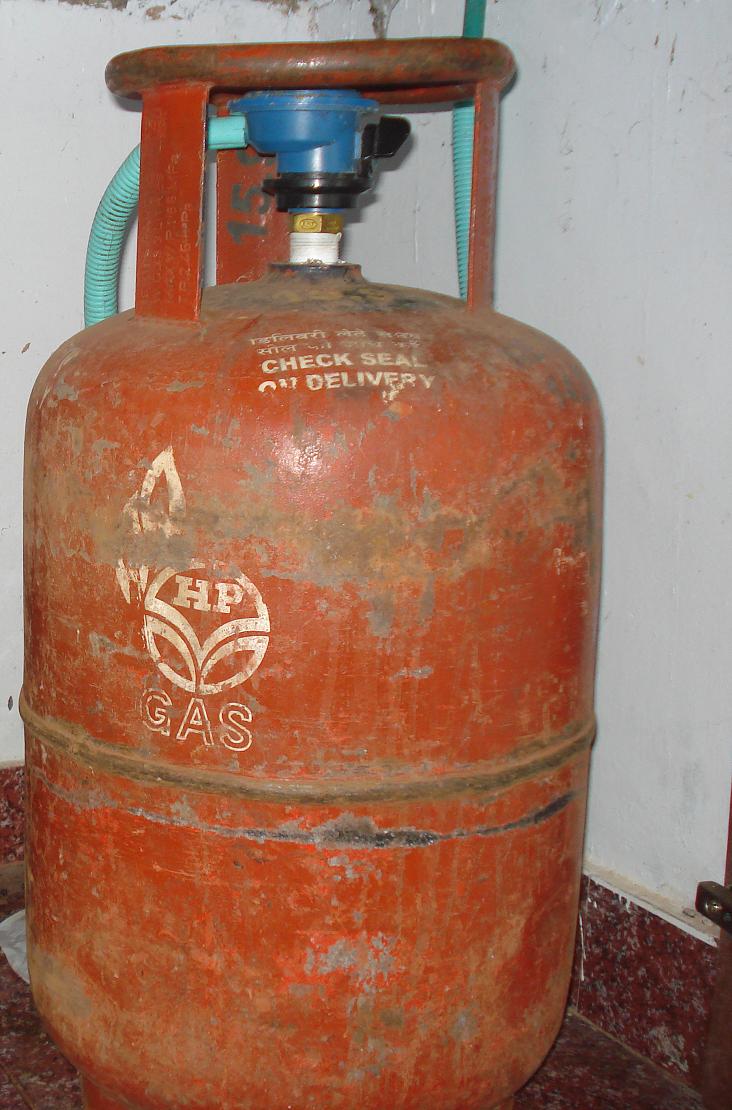
- Answering 'methane' for LPG — methane is natural gas/CNG, while LPG is butane + propane
- Assuming heavier alkanes (pentane, hexane) — which are liquids at room temperature — are the main gaseous constituents
UPSC/UPPSC repeatedly test fuel-gas constituents — remember LPG = butane + propane, CNG/natural gas = methane, coal gas = hydrogen + methane + CO, water gas = CO + hydrogen, biogas = mainly methane.
Assertion (A): The main constituent of the Liquefied Petroleum Gas is methane. Reason (R): Methane can be used directly for burning in homes and factories where it can be supplied through pipelines.
- (a) Both A and R are individually true and R is the correct explanation of A
- (b) Both A and R are individually true but R is not the correct explanation of A
- (c) A is true but R is false
- (d) A is false but R is true
Answer(d) A is false but R is true
Directly the same concept — the Assertion 'LPG's main constituent is methane' is FALSE (LPG is butane + propane), the very fact this UPPSC item tests when it marks butane correct.
Match List I (Fuel Gases) with List II (Major Constituents) and select the correct answer using the codes given below: List I: (A) CNG (B) Coal gas (C) LPG (D) Water gas List II: 1. Carbon monoxide, Hydrogen 2. Butane, Propane 3. Methane, Ethane 4. Hydrogen, Methane, Carbon monoxide
- (a) A 2 B 1 C 3 D 4
- (b) A 3 B 4 C 2 D 1
- (c) A 2 B 4 C 3 D 1
- (d) A 3 B 1 C 2 D 4
Answer(b) A-3, B-4, C-2, D-1
Same concept — matching each fuel gas to its major constituents. It fixes LPG → 'Butane, Propane' (C-2), confirming butane as LPG's principal component.
- practice — not a real PYQ
The main constituent of CNG (Compressed Natural Gas) used as a vehicle fuel is
- (a)Butane
- (b)Propane
- (c)Methane
- (d)Ethane
Answer(c) Methane — CNG/natural gas is chiefly methane, whereas LPG is chiefly butane and propane. - practice — not a real PYQ
Which substance is added to odourless LPG so that gas leaks can be detected by smell?
- (a)Carbon dioxide
- (b)Ethyl mercaptan
- (c)Chlorine
- (d)Nitrogen
Answer(b) Ethyl mercaptan — this strong-smelling sulphur compound is added to LPG (and natural gas) as a warning odourant for leaks.