
Botulism is
- (a)Food-borne infection
- (b)Food-borne intoxication
- (c)Water-borne infection
- (d)Water-borne intoxication
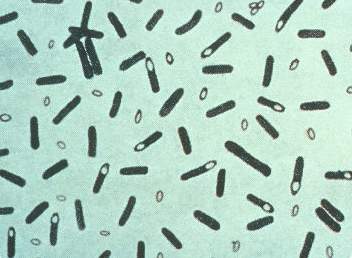
Correct — B, Food-borne intoxication. Classic botulism results from eating food — typically improperly canned, bottled or fermented low-acid food — in which the anaerobic bacterium Clostridium botulinum has already produced its botulinum neurotoxin. The illness is caused by swallowing this pre-formed toxin, not by the microbe colonising and multiplying inside the body; that makes it an 'intoxication' rather than an 'infection', and the vehicle is food, not water. Hence botulism is a food-borne intoxication.
- (a)Food-borne infection — Wrong — in a true food-borne infection (e.g. typhoid, salmonellosis) the living pathogen must be swallowed and then multiply in the gut or tissues to cause disease. Classic foodborne botulism is caused by a toxin already formed in the food before it is eaten, so it is an intoxication, not an infection.
- (c)Water-borne infection — Wrong on both counts — botulism's classic route is preserved food, not drinking water, and it is a toxin-mediated intoxication, not an infection by a multiplying organism as in cholera or typhoid.
- (d)Water-borne intoxication — Wrong route — the pre-formed toxin does reach us by ingestion, but through contaminated food, not water; botulinum toxin is not a typical water-borne agent.
Food-borne illnesses split into two types. An 'infection' is caused by swallowing living pathogens that then multiply inside the body (e.g. Salmonella typhi). An 'intoxication' (food poisoning proper) is caused by swallowing a toxin already produced in the food by microbes — the microbe need not even be alive when eaten. Botulism is the textbook intoxication: Clostridium botulinum, an anaerobic spore-forming bacterium, grows in sealed low-acid foods and secretes botulinum toxin, one of the most potent neurotoxins known, which blocks acetylcholine release and causes flaccid paralysis.
The trap is the two-by-two grid of food/water against infection/intoxication. Anchor two facts: (1) botulism spreads through preserved FOOD, not water — eliminating the two water options; (2) it is the pre-formed TOXIN that sickens you, not a multiplying germ — so it is intoxication, not infection. That leaves only 'food-borne intoxication'.
- Clostridium botulinum is an anaerobic, spore-forming bacterium; its spores survive and germinate in sealed low-acid foods.
- Botulinum toxin is a neurotoxin that blocks acetylcholine at neuromuscular junctions, causing flaccid (drooping) paralysis.
- The toxin is heat-labile — thorough boiling destroys it — but the spores are heat-resistant.
- Because the toxin is formed in the food before it is eaten, classic food-borne botulism is an intoxication, not an infection.
- Assuming any food poisoning is an 'infection' — many are toxin-mediated intoxications
- Forgetting that infant botulism and wound botulism are exceptions in which the organism itself colonises (infection form), unlike classic food-borne botulism
UPPSC/UPSC test this as a one-liner ('X is a food-borne …') or by pairing a disease with infection/intoxication and water/food routes — learn the causative organism, its toxin and the transmission route together.
Improper handling and storage of cereal grains and oilseeds result in the production of toxins known as aflatoxins which are not generally destroyed by normal cooking process. Aflatoxins are produced by
- (a) bacteria
- (b) protozoa
- (c) moulds
- (d) viruses
Answer(c) moulds
Same concept — a food-borne toxin (intoxication): aflatoxins, like botulinum toxin, are microbial toxins pre-formed in improperly stored food and not destroyed by normal cooking, so the illness comes from the toxin, not a living infection.
- practice — not a real PYQ
The toxin responsible for botulism is produced by which of the following organisms?
- (a)Clostridium botulinum
- (b)Salmonella typhi
- (c)Vibrio cholerae
- (d)Aspergillus flavus
Answer(a) Clostridium botulinum — an anaerobic bacterium whose pre-formed neurotoxin in preserved food causes botulism. - practice — not a real PYQ
Which one of the following is a food-borne intoxication rather than an infection?
- (a)Typhoid
- (b)Cholera
- (c)Botulism
- (d)Amoebiasis
Answer(c) Botulism — illness from a pre-formed toxin in food; the others are infections caused by living pathogens.