
Match List-I with List-II and select the correct answer using the codes given below the lists. List-I (Biosphere): A. Similipal, B. Pachmarhi, C. Nandadevi, D. Nokrek List-II (Location): 1. Uttarakhand, 2. Meghalaya, 3. Madhya Pradesh, 4. Odisha
- (a)A-4 B-3 C-2 D-1
- (b)A-4 B-3 C-1 D-2
- (c)A-1 B-3 C-4 D-2
- (d)A-3 B-4 C-1 D-2
Correct — B, A-4, B-3, C-1, D-2. Similipal Biosphere Reserve lies in the Mayurbhanj district of Odisha (4); Pachmarhi Biosphere Reserve is in the Satpura range of Madhya Pradesh (3); the Nanda Devi Biosphere Reserve surrounds the Nanda Devi peak in Uttarakhand (1); and Nokrek Biosphere Reserve is in the Garo Hills of Meghalaya (2). Both Nanda Devi and Nokrek are also part of UNESCO's World Network of Biosphere Reserves.
- (a)A-4 B-3 C-2 D-1 — Similipal (Odisha) and Pachmarhi (MP) are right, but it swaps the last two — Nanda Devi is in Uttarakhand (1), not Meghalaya (2), and Nokrek is in Meghalaya (2), not Uttarakhand (1).
- (c)A-1 B-3 C-4 D-2 — Wrongly puts Similipal in Uttarakhand (1) and Nanda Devi in Odisha (4). In fact Similipal is in Odisha and Nanda Devi in Uttarakhand.
- (d)A-3 B-4 C-1 D-2 — Correct only for Nanda Devi (C-1) and Nokrek (D-2); it misplaces Similipal to MP (3) and Pachmarhi to Odisha (4) — actually Similipal is in Odisha and Pachmarhi in MP.
A biosphere reserve is a large, UNESCO-recognised (Man and the Biosphere Programme) area with a core, buffer and transition zone, meant to conserve biodiversity while allowing sustainable human use. India has designated 18 biosphere reserves; several — including Nanda Devi and Nokrek — are on UNESCO's World Network.
For these matching questions, lock a memorable anchor per reserve: Similipal = Odisha (Sal forest, tiger reserve), Pachmarhi = Satpuras of MP, Nanda Devi = Uttarakhand's high Himalaya, Nokrek = Garo Hills of Meghalaya (wild-citrus gene pool). Getting Nanda Devi (Uttarakhand) and Nokrek (Meghalaya) right instantly rules out options a, c and d.
- Similipal Biosphere Reserve — Mayurbhanj district, Odisha (Sal forest, tiger reserve)
- Pachmarhi Biosphere Reserve — Satpura range, Madhya Pradesh
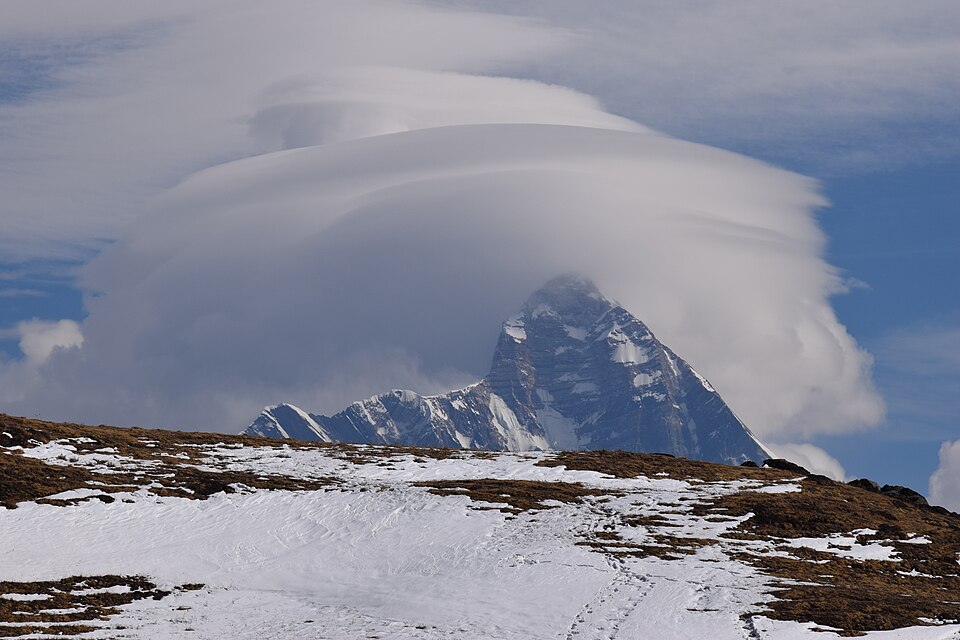
- Nanda Devi Biosphere Reserve — Uttarakhand (Western Himalaya); on the UNESCO World Network and a World Heritage Site
- Nokrek Biosphere Reserve — Garo Hills, Meghalaya; on the UNESCO World Network
- Swapping Nanda Devi (Uttarakhand) and Nokrek (Meghalaya)
- Confusing a biosphere reserve with the national park/tiger reserve inside it (e.g., Similipal)
Almost always 'match the biosphere reserve with its state' or 'which of these is/are correctly paired' — memorise reserve↔state and which reserves are on the UNESCO World Network.
Match List I (Biosphere Reserve) with List II (States) and select the correct answer using the codes given below: List I: (A) Simlipal (B) Dehong Deband (C) Nokrek (D) Kanchenjunga List II: 1. Sikkim 2. Uttaranchal 3. Arunachal Pradesh 4. Orissa 5. Meghalaya
- (a) A 1 B 3 C 5 D 4
- (b) A 4 B 5 C 2 D 1
- (c) A 1 B 5 C 2 D 4
- (d) A 4 B 3 C 5 D 1
Answer(d) A-4, B-3, C-5, D-1
Same concept and overlapping items — matching biosphere reserves to states (Simlipal–Odisha, Nokrek–Meghalaya appear in both questions).
Consider the following pairs: 1. Nokrek Biosphere Reserve : Garo Hills 2. Loktak Lake : Barail Range 3. Namdapha National Park : Dafla Hills Which of the above pairs is/are correctly matched?
- (a) 1 only
- (b) 2 and 3 only
- (c) 1, 2 and 3
- (d) None
Answer(a) 1 only
Same concept — locating the Nokrek Biosphere Reserve (Garo Hills, Meghalaya), one of the reserves in this question.
- practice — not a real PYQ
Nokrek Biosphere Reserve, known for its wild-citrus (Citrus indica) gene pool, is located in:
- (a)Assam
- (b)Meghalaya
- (c)Manipur
- (d)Nagaland
Answer(b) Meghalaya — in the Garo Hills. - practice — not a real PYQ
Which one of the following pairs is correctly matched?
- (a)Similipal – Madhya Pradesh
- (b)Pachmarhi – Uttarakhand
- (c)Nanda Devi – Uttarakhand
- (d)Nokrek – Odisha
Answer(c) Nanda Devi – Uttarakhand.