
Which of the following vitamins is mainly responsible for blood coagulation in human being ?
- (a)Vitamin K
- (b)Vitamin E
- (c)Vitamin A
- (d)Vitamin C
Correct — A, Vitamin K. Vitamin K is the essential cofactor for the liver's synthesis of several clotting factors — prothrombin (Factor II) and Factors VII, IX and X — via the gamma-carboxylation of their glutamate residues. Without vitamin K these coagulation factors are not activated, blood cannot clot normally, and a bleeding tendency results. That is why vitamin K is the vitamin mainly responsible for blood coagulation — indeed the 'K' comes from the German word Koagulation.
- (b)Vitamin E — Vitamin E is a fat-soluble antioxidant that protects cell membranes from oxidative damage; it has no direct role in the clotting cascade.
- (c)Vitamin A — Vitamin A supports vision (rhodopsin) and epithelial/immune health; its deficiency causes night blindness, not a clotting defect.
- (d)Vitamin C — Vitamin C is needed for collagen synthesis; its deficiency (scurvy) causes bleeding gums through WEAK COLLAGEN in vessel walls — a tempting trap — but it is not the coagulation-factor vitamin. Clotting depends on vitamin K.
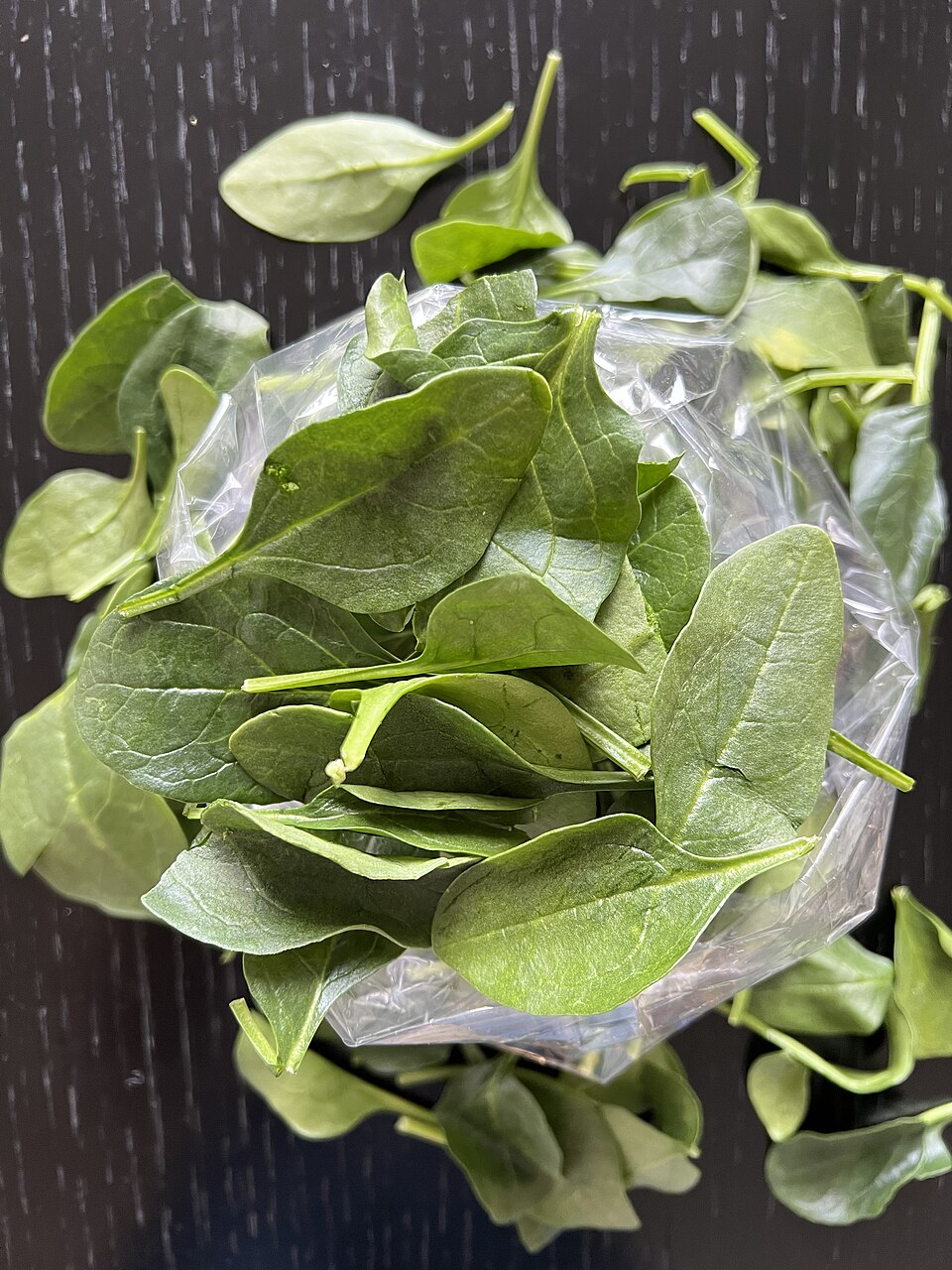
Vitamin K is a fat-soluble vitamin required for the post-translational gamma-carboxylation of clotting factors II (prothrombin), VII, IX and X, plus anticoagulant proteins C and S. Dietary vitamin K1 (phylloquinone) comes mainly from green leafy vegetables, while K2 (menaquinone) is produced by gut bacteria. Newborns receive a prophylactic vitamin K dose to prevent haemorrhagic disease of the newborn, and the anticoagulant drug warfarin works by antagonising vitamin K.
The classic trap is Vitamin C, because scurvy causes bleeding gums — but that bleeding is from defective collagen in vessel walls, not from a failure of the clotting factors. The vitamin that directly enables the coagulation cascade is vitamin K. Keep the roles distinct: K clots, C builds collagen, A for vision, E as antioxidant.
- Vitamin K enables synthesis/activation of clotting factors II (prothrombin), VII, IX and X in the liver
- Fat-soluble; K1 (phylloquinone) from green leafy vegetables, K2 (menaquinone) from gut bacteria
- Deficiency causes prolonged bleeding; newborns are given prophylactic vitamin K
- Warfarin, an oral anticoagulant, acts as a vitamin K antagonist
- Choosing Vitamin C because scurvy bleeds — that bleeding is a collagen defect, not a clotting-factor defect
- Confusing Vitamin K (clotting) with Vitamin E (antioxidant)
As 'which vitamin is responsible for clotting/coagulation', or as vitamin-function/deficiency matching, in UPSC and UPPSC.
Consider the following pairs : Vitamin : Deficiency disease 1. Vitamin C : Scurvy 2. Vitamin D : Rickets 3. Vitamin E : Night blindness. Which of the pairs given above is/are correctly matched?
- (a) 1 and 2 only
- (b) 3 only
- (c) 1, 2 and 3
- (d) None
Answer(a) 1 and 2 only
Same concept — vitamins and their specific roles/deficiency effects. That UPSC item maps vitamins to deficiency diseases (C-scurvy, D-rickets); Q99 tests the same vitamin-function knowledge from the other side, asking which vitamin (K) governs blood coagulation.
- practice — not a real PYQ
Which clotting factor's synthesis is directly dependent on Vitamin K?
- (a)Fibrinogen (Factor I)
- (b)Prothrombin (Factor II)
- (c)Calcium (Factor IV)
- (d)Platelet factor 4
Answer(b) Prothrombin (Factor II) — along with Factors VII, IX and X, all vitamin K-dependent. - practice — not a real PYQ
The oral anticoagulant warfarin produces its effect by antagonising which vitamin?
- (a)Vitamin C
- (b)Vitamin K
- (c)Vitamin D
- (d)Vitamin B12
Answer(b) Vitamin K — blocking it reduces active clotting factors and thins the blood.