
Use of polished rice in human diet causes following diseases
- (a)Rickets
- (b)Anemia
- (c)Goitre
- (d)Beriberi
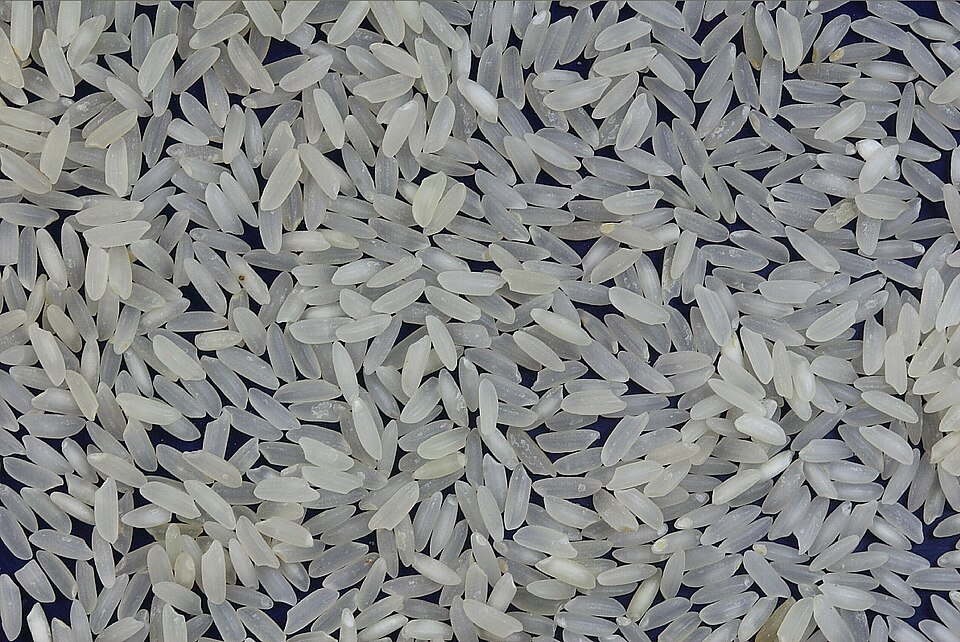
Correct — D, Beriberi. Milling and polishing rice strips away the bran and germ layers, which hold most of the grain's thiamine (Vitamin B1). A diet dominated by polished (white) rice is therefore thiamine-poor, and chronic thiamine deficiency causes beriberi — 'wet' beriberi affecting the cardiovascular system (oedema, high-output heart failure) and 'dry' beriberi affecting the nervous system (peripheral neuropathy, muscle wasting). This polished-rice–beriberi link was the very observation (Eijkman and Grijns, late 19th century) that led to the discovery of vitamins.
- (a)Rickets — Rickets is caused by Vitamin D (and calcium/phosphate) deficiency, leading to defective bone mineralisation in children — it is not linked to polished rice.
- (b)Anemia — Nutritional anaemia is most commonly due to iron deficiency (or Vitamin B12/folate deficiency), not to the loss of thiamine from polishing rice.
- (c)Goitre — Goitre (thyroid enlargement) results from iodine deficiency — a mineral, not a vitamin — and is unrelated to rice polishing.
Water-soluble B-vitamins are concentrated in the bran and germ of cereal grains. Thiamine (Vitamin B1) works as the coenzyme thiamine pyrophosphate (TPP) in carbohydrate metabolism. Polishing rice for whiteness removes these outer layers, so communities subsisting mainly on polished rice historically developed beriberi. Parboiling paddy before milling drives thiamine into the endosperm, and eating unpolished (brown) rice retains it — both reduce the risk.
The reasoning chain is: polished rice → loss of thiamine (B1) → beriberi. The distractors each map to a DIFFERENT deficiency you must keep straight — Rickets to Vitamin D, Anaemia to iron, Goitre to iodine. Only beriberi is the classic disease of a milled-rice diet, so it is the intended answer.
- Polishing removes rice bran and germ, which carry most of the grain's thiamine (Vitamin B1)
- Thiamine deficiency causes beriberi — 'wet' (cardiovascular) and 'dry' (neurological) forms
- Rickets = Vitamin D; Anaemia = iron/B12/folate; Goitre = iodine — different deficiencies
- Parboiling paddy before milling, or using unpolished brown rice, preserves thiamine
- Mixing up beriberi (Vitamin B1) with pellagra (Vitamin B3) or with iodine-deficiency goitre
- Assuming any staple-diet disease must be protein-energy malnutrition rather than a specific vitamin deficiency
As 'polished rice causes which disease', or as vitamin-to-deficiency-disease matching, in both UPSC and UPPSC.
Consider the following pairs : Vitamin : Deficiency disease 1. Vitamin C : Scurvy 2. Vitamin D : Rickets 3. Vitamin E : Night blindness. Which of the pairs given above is/are correctly matched?
- (a) 1 and 2 only
- (b) 3 only
- (c) 1, 2 and 3
- (d) None
Answer(a) 1 and 2 only
Same concept — matching vitamins to the diseases their deficiency causes. Beriberi (Vitamin B1) sits in the same table as scurvy (C) and rickets (D); this UPSC item tests exactly that vitamin-to-disease mapping.
- practice — not a real PYQ
Beriberi is caused by the deficiency of which vitamin?
- (a)Vitamin B1 (thiamine)
- (b)Vitamin B3 (niacin)
- (c)Vitamin C
- (d)Vitamin D
Answer(a) Vitamin B1 (thiamine) — its loss in polished rice is the classic cause of beriberi. - practice — not a real PYQ
Which processing method best preserves thiamine in rice before milling?
- (a)Polishing for whiteness
- (b)Parboiling the paddy
- (c)Prolonged washing
- (d)Sun-bleaching
Answer(b) Parboiling the paddy — it drives thiamine into the grain, reducing beriberi risk.