
Which of the following polymer is NOT a thermoplastic ?
- (a)Teflon
- (b)Neoprene
- (c)Polystyrene
- (d)Polythene
Correct — B, Neoprene. Neoprene (polychloroprene) is a synthetic rubber — an elastomer — not a thermoplastic. Like other rubbers it is cross-linked (vulcanised) into a permanent network, so it does not soften and remould on repeated heating the way a thermoplastic does; it is elastic and heat-set. The other three — Teflon (PTFE), polystyrene and polythene (polyethylene) — are classic thermoplastics that soften on heating and harden on cooling, and can be melted and reshaped again. So among the four, Neoprene is the one that is NOT a thermoplastic.
- (a)Teflon — Teflon (polytetrafluoroethylene, PTFE) is a thermoplastic — a long-chain fluoropolymer that softens/flows on heating; it is used for non-stick coatings precisely because it is a stable thermoplastic, so it is not the exception asked for.
- (c)Polystyrene — Polystyrene is a well-known thermoplastic (disposable cups, packaging, thermocol/expanded polystyrene); it melts and can be re-moulded, so it does not fit 'NOT a thermoplastic'.
- (d)Polythene — Polythene (polyethylene) is the archetypal thermoplastic used for bags and films; it softens on heating and re-solidifies on cooling, so it is not the odd one out.
Polymers are grouped by their response to heat. Thermoplastics (linear/branched chains held by weak forces) soften on heating and can be remelted and reshaped repeatedly — e.g., polythene, polystyrene, PVC, Teflon. Thermosetting plastics set into a rigid cross-linked network that cannot be remelted (e.g., bakelite). Elastomers (rubbers) are lightly cross-linked polymers that stretch elastically — e.g., natural rubber and neoprene.
The stem asks for the ONE that is not a thermoplastic, so three options must belong to the same family and one must differ. Teflon, polystyrene and polythene are everyday thermoplastics. Neoprene stands out as a synthetic rubber/elastomer, which is why it is the answer. If a name ends in a way that suggests 'rubber-like' or you recall it as a wetsuit/adhesive material (neoprene), suspect an elastomer.
- Thermoplastics soften on heating and can be re-moulded: polythene, polystyrene, PVC, Teflon
- Neoprene (polychloroprene) is a synthetic rubber — an elastomer, not a thermoplastic
- Elastomers are lightly cross-linked and stretch elastically; thermosets are rigidly cross-linked and cannot be remelted
- Teflon = PTFE, a fluoropolymer thermoplastic used for non-stick coatings
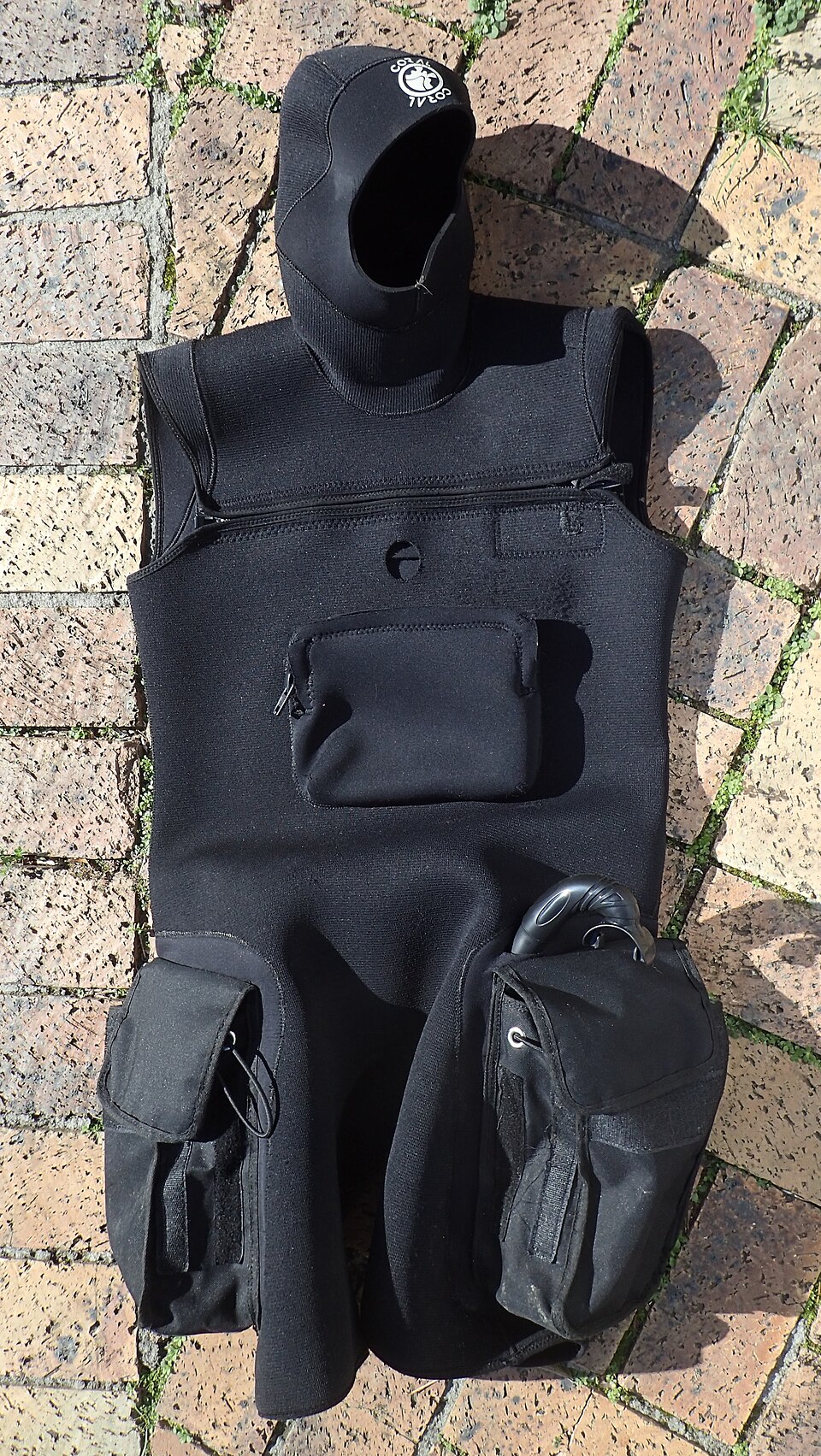
- Assuming every common polymer name is a thermoplastic — neoprene is a rubber (elastomer)
- Confusing Teflon (a thermoplastic) with thermosetting plastics because of its heat resistance
UPPSC/UPSC ask you to pick the odd polymer out of a class, or to match a polymer to thermoplastic/thermoset/elastomer — knowing that rubbers like neoprene are elastomers, not thermoplastics, is the recurring test.
- practice — not a real PYQ
Which of the following is an example of a thermosetting polymer?
- (a)Polythene
- (b)Bakelite
- (c)PVC
- (d)Polystyrene
Answer(b) Bakelite — a cross-linked thermosetting plastic that hardens permanently and cannot be remelted. - practice — not a real PYQ
Neoprene is best classified as a:
- (a)Thermoplastic
- (b)Thermosetting plastic
- (c)Synthetic rubber (elastomer)
- (d)Natural fibre
Answer(c) Synthetic rubber (elastomer) — neoprene is polychloroprene, an elastic, cross-linkable rubber.