
Assertion (A): Ahmedabad is the largest centre of cotton textile industry in India. Reason (R): Ahmedabad is located in a major cotton growing region of India, so it has no problem of raw materials. Select the correct answer from the codes given below.
- (a)Both (A) and (R) are true and (R) is the correct explanation of (A)
- (b)Both (A) and (R) are true but (R) is not the correct explanation of (A)
- (c)(A) is true but (R) is false
- (d)(A) is false but (R) is true
Correct — (d) (A) is false but (R) is true. Ahmedabad is a leading cotton-textile city (the 'Manchester of India'), but the LARGEST centre of the cotton textile industry in India is Mumbai (Maharashtra), so Assertion (A) is false. Reason (R) stands on its own merit: Gujarat's black (regur) cotton soil makes it a major cotton-growing belt, so Ahmedabad genuinely enjoys easy access to raw cotton — (R) is true.
- (a)Both (A) and (R) are true and (R) is the correct explanation of (A) — Requires (A) to be true, but Ahmedabad is not the largest cotton-textile centre — Mumbai is. So (A) is false and this option fails.
- (b)Both (A) and (R) are true but (R) is not the correct explanation of (A) — Again treats (A) as true; the 'largest centre' claim is false, so this cannot be correct.
- (c)(A) is true but (R) is false — Reverses the truth values. (R) — that Gujarat is a cotton-growing region giving Ahmedabad raw-material access — is actually true, and (A) is the false statement.
India's cotton textile industry clustered first where power, port, capital and market coincided. Mumbai was the birthplace and remains the largest centre ('Cottonopolis of India'), with Ahmedabad the second-largest ('Manchester of India'). Raw-material proximity helps but is not the decisive locating factor for a weight-non-losing industry like textiles.
Assertion–Reason questions can pair a true Reason with a false Assertion. Here the trap is that (R) sounds convincing (Gujarat does grow cotton), tempting a 'both true' answer. The examiner's point is that raw-material availability does not, by itself, make Ahmedabad the largest — Mumbai's port, finance and market did.
- Mumbai (Maharashtra) is the largest cotton textile centre in India; Ahmedabad (Gujarat) is the second largest.
- Ahmedabad is nicknamed the 'Manchester of India'; the first Indian-owned mill there dates to 1861.
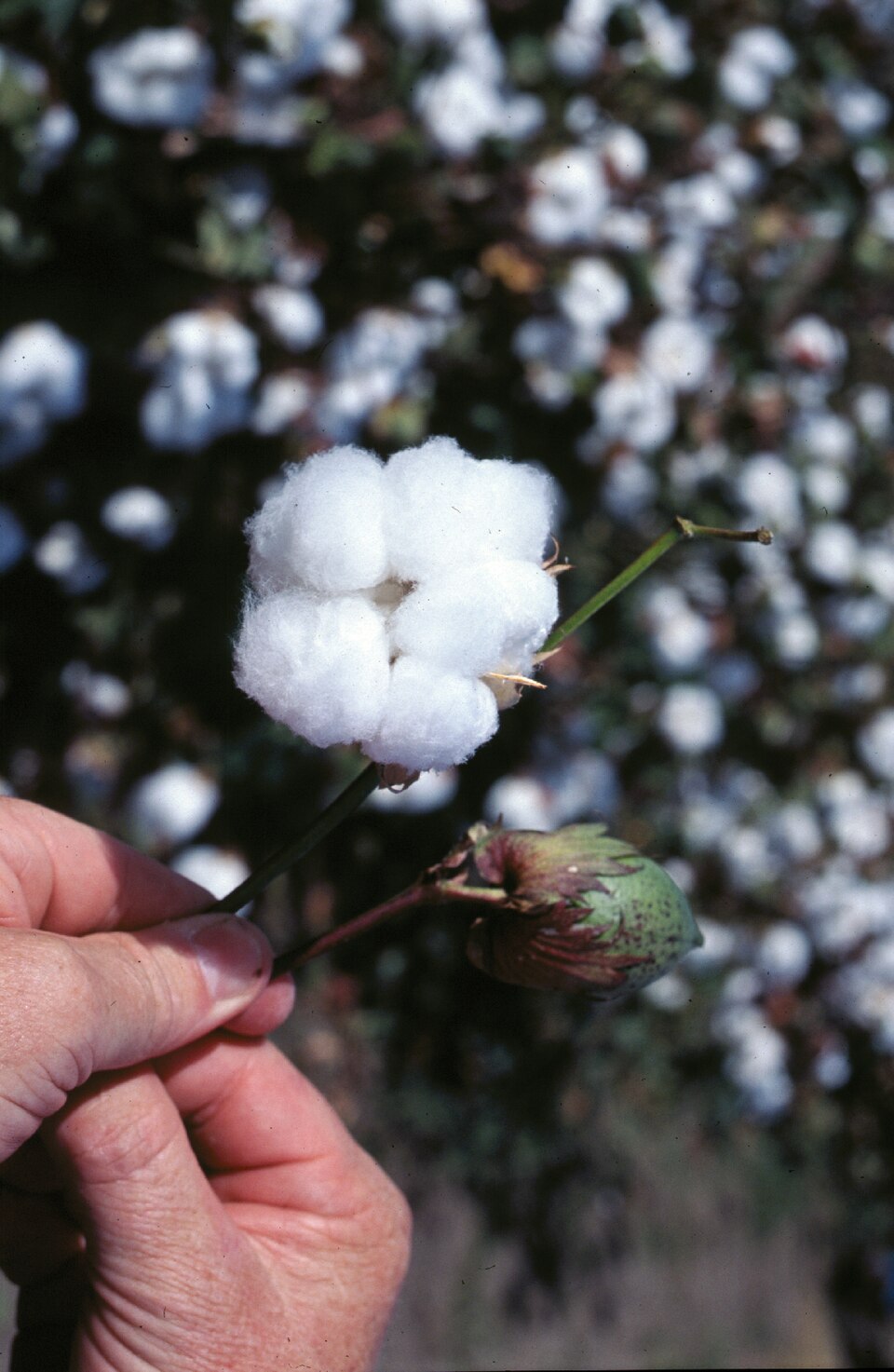
- Gujarat is a leading cotton-producing state (black regur soil), so raw cotton is locally abundant — Reason (R) is factually true.
- Cotton textile is a 'footloose', non-weight-losing industry, so labour, capital, power and market often outweigh raw-material location.
- Assuming a true, convincing Reason proves the Assertion — always test each statement independently.
- Equating 'Manchester of India' (Ahmedabad) with 'largest centre' (which is Mumbai).
This is a classic Assertion–Reason format; UPSC also asks why particular cities/states lead in textiles despite lacking local raw cotton (e.g., Tamil Nadu/Coimbatore).
Tamil Nadu is a leading producer of mill-made cotton yarn in the country. What could be the reason? 1. Black cotton soil is the predominant type of soil in the State. 2. Rich pool of skilled labour is available. Which of the above is/are the correct reasons?
- (a) 1 only
- (b) 2 only
- (c) Both 1 and 2
- (d) Neither 1 nor 2
Answer(b) 2 only
Same idea — cotton-textile location is driven by labour/power, not local raw cotton; Tamil Nadu leads in yarn without black cotton soil, mirroring why raw-material proximity does not make Ahmedabad the largest.
- practice — not a real PYQ
Which city is regarded as the largest centre of the cotton textile industry in India?
- (a)Ahmedabad
- (b)Mumbai
- (c)Coimbatore
- (d)Kanpur
Answer(b) Mumbai — the birthplace and largest centre; Ahmedabad is the second largest ('Manchester of India'). - practice — not a real PYQ
The cotton textile industry is often described as 'footloose' mainly because
- (a)it must be located on coalfields
- (b)raw cotton loses most of its weight in manufacture
- (c)cotton is not weight-losing, so mills can locate near market/labour rather than the cotton field
- (d)it depends entirely on imported cotton
Answer(c) — cotton is a pure/non-weight-losing material, so mills need not be near the cotton field.