
The book 'Silent Spring' published in 1962 which set the tone for an environmental movement in the world, was written by
- (a)Carolyn Merchant
- (b)Karl Marx
- (c)Rachel Carson
- (d)Rajgopalan
Correct — C, Rachel Carson. 'Silent Spring' (1962) was written by the American marine biologist and conservationist Rachel Carson. It documented the ecological damage — especially the collapse of bird populations — caused by the indiscriminate use of synthetic pesticides such as DDT, and is widely credited with launching the modern environmental movement, contributing to the US ban on agricultural DDT and to the creation of the US Environmental Protection Agency.
- (a)Carolyn Merchant — Carolyn Merchant is an eco-feminist historian of science best known for 'The Death of Nature' (1980), not for 'Silent Spring'.
- (b)Karl Marx — Karl Marx was a 19th-century political philosopher and economist ('Das Kapital', 'The Communist Manifesto'); he had no connection with 'Silent Spring' or the pesticide debate of the 1960s.
- (d)Rajgopalan — No environmental classic titled 'Silent Spring' is associated with this name; it is a distractor with no link to the 1962 book.
'Silent Spring' argued that persistent synthetic pesticides — DDT above all — accumulate in food chains and poison non-target species, its title evoking a spring with no birdsong. Rachel Carson's evidence-based warning turned pesticide regulation into a public issue and is treated as the starting point of the modern environmental movement, feeding into the first Earth Day (1970) and the creation of the US EPA.
The trap is the plausible academic-sounding names: Carolyn Merchant (a genuine environmental writer) and a generic Indian surname. Anchor the title firmly to Rachel Carson and to DDT/pesticides — that pairing is the examiner's target.
- 'Silent Spring' published 1962; author Rachel Carson (American marine biologist)
- Central theme: harm from synthetic pesticides, especially DDT, through the food chain
- Credited with launching the modern environmental movement; influenced the US DDT ban and the EPA (1970)
- Carolyn Merchant wrote 'The Death of Nature' (1980) — a different work and author
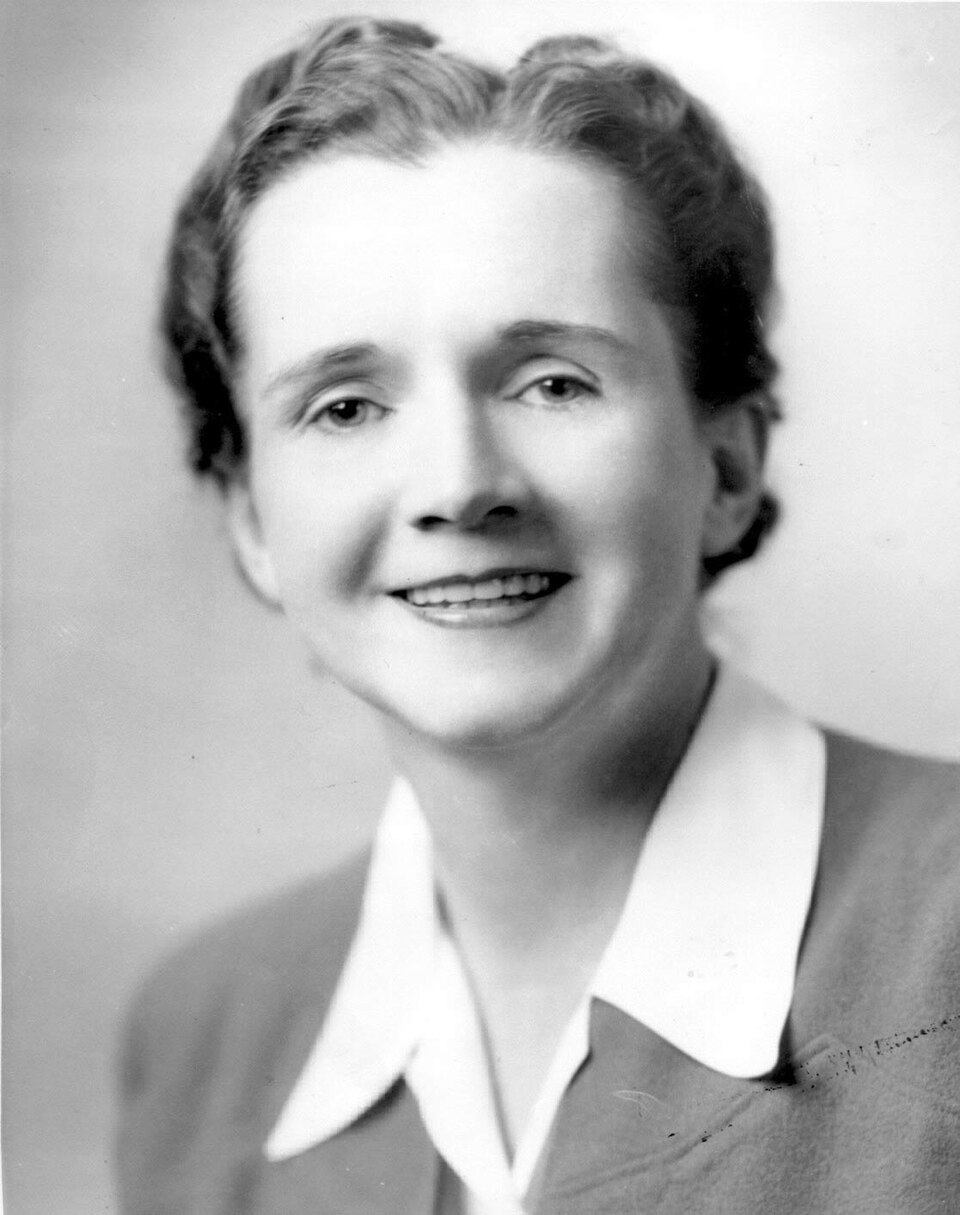
- Confusing Rachel Carson with Carolyn Merchant or other environmental writers
- Linking a random surname (Rajgopalan) to the book because it 'sounds Indian'
UPSC/UPPSC pair a landmark book with its author or its core idea — file 'Silent Spring = Rachel Carson = DDT/pesticides = birth of environmentalism' as one unit.
- practice — not a real PYQ
The ecological harm highlighted in Rachel Carson's 'Silent Spring' was chiefly caused by which pesticide?
- (a)DDT
- (b)Malathion only
- (c)Endosulfan
- (d)Glyphosate
Answer(a) DDT — its persistence and build-up in the food chain, harming birds, was the book's central concern. - practice — not a real PYQ
The progressive increase in the concentration of a persistent pollutant at successively higher levels of a food chain is called:
- (a)Eutrophication
- (b)Biomagnification
- (c)Bioremediation
- (d)Nitrification
Answer(b) Biomagnification — the process 'Silent Spring' popularised for pesticides like DDT.