UPSC Current Affairs

11 topicsGS-1: 3GS-2: 3GS-3: 5
0/11 done
GS-2Polity

1.Supreme Court Halts Aravalli Ruling (Judicial Review)

The Hindu

What & Where

Aravalli Range ancient Proterozoic fold mountains running NE–SW 690–800 km across Gujarat, Rajasthan, Haryana, Delhi

Barrier effect halts Thar Desert eastward spread and divides Indus and Ganga drainage basins

Highest peak Guru Shikhar 1,722 m in Sambhar–Sirohi southern section near Mount Abu Rajasthan

Quick Facts for MCQs

Legal & Policy

  • SupremeCourt Nov 2025 judgment upheld 100 m hill definition restricting protection
  • Stay order Jan 2026 issued suo motu after noting Rajasthan would lose protection for ~11,000 hills
  • Court proposed high-powered expert committee to study ecological impact of regulated mining in excluded zones

Ecological Significance

  • Groundwater recharge facilitated by fractured Aravalli quartzites benefits semi-arid Haryana-Delhi plains
  • Range moderates local climate lowering wind speed and temperature extremes
  • Forested southern reaches host semi-arid dry deciduous species and wildlife corridors

Physiographic Divisions

  • Sambhar–Sirohi block higher, forested, contains marble, granite outcrops
  • Sambhar–Khetri block lower, extensively eroded, mineral belts for copper, zinc
  • Overall geology part of Aravalli–Delhi Supergroup schist, quartzite, phyllite, marble sequences

Key Data Points

FeatureData-Point
AgeProterozoic (>2 Ga)
OrientationNE-SW
Length690–800 km
StatesGujarat, Rajasthan, Haryana, Delhi
Highest peakGuru Shikhar – 1,722 m
DivisionsSambhar–Sirohi (S) & Sambhar–Khetri (N)
Major riversBanas, Sahibi, Luni
WatershedIndus–Ganga divide
Desert barrierChecks Thar expansion east
SC hill criterion≥100 m height + 500 m contiguous cluster
Hills qualifying (Raj)1,048 of 12,081
Court action Jan 2026Judgment kept in abeyance; expert panel proposed

Related UPSC Prelims PYQs

GS1 1995PYQ 1

Which one of the following mountain ranges is spread over only one State in India?

GS1 2001PYQ 2

The approximate age of the Aravalli’s range is
GS-2Misc

2.Daily Current Affairs Digest (Daily Compilation)

Indian Express
Illustration for Daily Current Affairs Digest (Daily Compilation)

What & Where

Bomb cyclone = mid-latitude low that undergoes explosive cyclogenesis; sea-level pressure falls ≥ 24 mb within 24 h.

Process: clash of cold polar and warm moist air over oceans releases latent heat, steepening pressure gradient.

Core geography: frequent in North-West Atlantic, North Pacific and other extra-tropical storm tracks.

Quick Facts for MCQs

Legal & Policy

  • Ban: Nimesulide oral doses > 100 mg prohibited under Drugs & Cosmetics Act 26A due to hepatotoxicity risk.
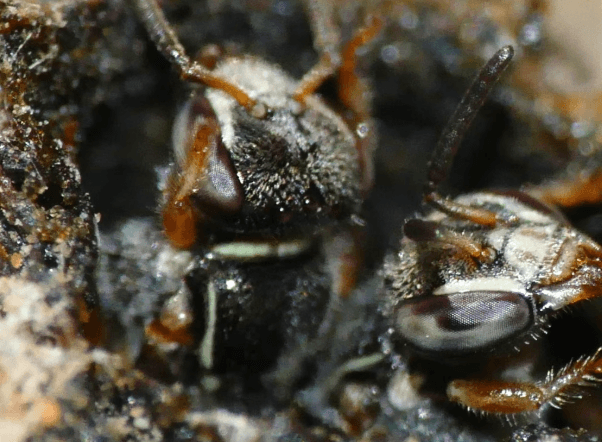
  • Rights-of-Nature: Peruvian ordinances grant Amazonian stingless bees “right to exist, regenerate, be represented”.
  • Labour: Gig-worker strikes demand prohibition of 10-minute deliveries citing traffic violations and algorithmic coercion.
  • Export aid: Market Access Support mandates 35 % MSME participation, online approvals, event-wise financial ceilings.

Social Concerns

  • Agrarian crisis: 3.94 lakh farmer & agri-labour suicides 1995-2023; 2023 deaths up 75 % over 2022.
  • Geography: Maharashtra & Karnataka together form persistent epicentre, southern-western belt hosts ~72.5 % cases.

Tech & Schemes

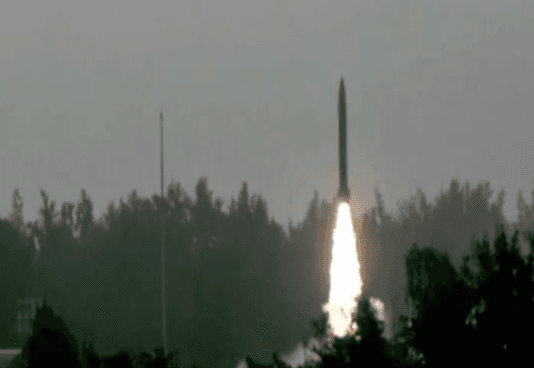
  • Missile: Pralay solid-fuel quasi-ballistic, 150–500 km range; salvo launch off Odisha proves rapid saturation attack.
  • MAS digital: Portal trade.gov.in handles end-to-end funding, feedback, 3–5 yr rolling calendar for export events.

Security Dimension

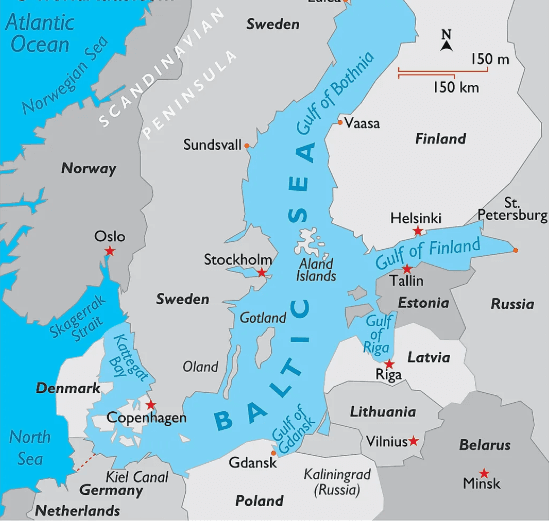
  • Baltic Sea: Finland detains vessel suspected of rupturing telecom cable; area borders nine states, eight NATO members.
  • Road safety: Algorithmic time penalties push delivery riders to wrong-side driving peaks during “instant” order windows.

Key Data Points

FeatureData-Point
Explosive-cyclogenesis threshold≥ 24 mb pressure drop in 24 h
Alternate termWeather “bomb”; meteorological bomb
Typical wind strengthHurricane-force; > 119 km h⁻¹ possible
Main hazardsBlizzard, flooding rain, coastal storm surge

Related UPSC Prelims PYQs

NDA_GAT 2022PYQ 1

Nisarga, Gati, Nivar, Tauktae and Yaas are names of

GS-3Economy

3.India Becomes Fourth-Largest Economy (GDP Rankings)

The Hindu

What & Where

GDP (Nominal): market value of all goods + services at current dollars, benchmark for global economic size

India: climbed to 4th place worldwide, GDP USD 4.18 trn, overtaking Japan

League table: only USA, China, Germany ahead; India eyes 3rd spot within ~3 years

Quick Facts for MCQs

GDP Rankings

  • Overtake: India passed Japan, now 4th nominal GDP
  • Projection: USD 7.3 trn could lift India to 3rd within 2.5–3 years

Growth Estimates

  • Multilateral forecasts: WB 6.5 % (2026), IMF 6.6 % (2025), ADB 7.2 % (2025)
  • Sentiment: Moody’s dubs India the fastest-growing major economy

Macroeconomic Fundamentals

  • Indicators: benign inflation, declining unemployment, vigorous urban demand, healthy credit flow
  • Momentum: 8.2 % real GDP in Q2 FY26, highest in six quarters

Vision 2047

  • Goal: achieve high middle-income status via structural reforms, resilience, social progress

Key Data Points

FeatureData-Point
India nominal GDP 2026USD 4.18 trn
Nominal GDP rank4th worldwide
Countries ahead (nominal)USA, China, Germany
GDP in PPP (2026)USD 14 trn
PPP rank3rd
IMF PPP 2030 projectionUSD 20.7 trn
IMF PPP 2038 projectionUSD 34.2 trn, rank 2
Target nominal GDP 2030USD 7.3 trn
Real GDP growth Q2 FY268.2 %
World Bank growth 20266.5 %
IMF growth 20256.6 %
ADB growth 20257.2 %
Moody’s tagFastest-growing G20
Core supportsLow inflation, falling joblessness, strong credit

Related UPSC Prelims PYQs

ESE_GS, NDA_GAT 2025PYQ 1

S1. Liberalisation and globalisation freed India's economy from the low GDP trap that had impeded India's progress

ESE_GS, NDA_GAT 2024PYQ 2

Consider the following statements:

GS-3Infrastructure

4.Landmark Indian Rail Projects (Rail Connectivity)

PIB

What & Where

21st-century Indian Railways mega-projects: mountain lines, sea bridges, freight corridors, high-speed corridor.

Blend of arch, cable-stayed, vertical-lift bridges; new lines, electrification, station overhauls.

Key zones: Kashmir Himalayas, Pamban Strait, North-East capitals, Western–Eastern industrial belt, Mumbai–Ahmedabad.

Quick Facts for MCQs

Engineering Feats

  • Chenab bridge highest rail arch; withstands Zone-V quakes, 266 km/h winds.
  • Anji bridge: first cable-stayed railway; single-pylon suits fractured Himalayan geology.
  • Pamban bridge vertical-lift span; 62 m clearance; corrosion-resistant steel.

Regional Connectivity

  • USBRL gives all-weather Kashmir rail; boosts tourism and security mobility.
  • Bairabi–Sairang links Aizawl; NE track 1,679 km added since 2014.
  • Sivok–Rangpo, Dimapur–Kohima, Jiribam–Imphal underway, integrating border states.

Economic Angle

  • DFCs cut freight time, decongest passenger lines; lower logistics cost.
  • HSR slashes Mumbai–Ahmedabad travel; anchors high-value supply chains.
  • Amrit Bharat station upgrades 60 nodes; spurs urban commerce and jobs.

Key Data Points

FeatureData-Point
USBRL total length272 km
USBRL project cost₹44,000 crore
Chenab bridge height359 m above river
Chenab bridge main span1,315 m
Anji bridge speciality1st cable-stayed rail bridge
New Pamban bridge length2.08 km
Eastern DFC length1,337 km (100 % ready)
Western DFC length1,506 km (93.2 % ready)
DFC network operational96.4 % of 2,843 km
North-East new track1,679 km since 2014
Aizawl status4th NE capital on rail map
Stations in Amrit Bharat60
Mumbai–Ahmedabad HSR agencyNHSRCL

Related UPSC Prelims PYQs

ESE_GS, NDA_GAT 2021PYQ 1

Bharatamala Pariyojana is related to

ESE_GS, NDA_GAT 2024PYQ 2

Which of the following cities achieved the Guinness World Records by constructing Single Lane Bituminous Concrete Road and longest Double Decker Viaduct with Highway Flyover & Metro Rail?

GS-1Environment

5.Bomb Cyclone Formation (Extreme Weather)

NDTV

What & Where

Bomb cyclone = explosive mid-latitude low; surface pressure plummets ≥24 mb within 24 h

Forms where cold, dense polar air meets warm, moist maritime air, chiefly over North Atlantic/North Pacific

Yields blizzards, hurricane-force winds, 40–50 °F temperature crashes across wide U.S. swaths

Quick Facts for MCQs

Formation Drivers

  • Cold-air intrusion supplies dense mass, steepening thermal gradient
  • Warm-moist air rises swiftly, releasing latent heat and deepening low pressure
  • Jet-stream divergence aloft enhances vertical lift, accelerating pressure drop

Weather Hazards

  • Blizzard conditions generate whiteouts, zero-visibility travel threats
  • Freezing rain and flooding rainfall blanket different storm sectors simultaneously
  • Sharp temperature plunge stresses human physiology, agriculture, energy demand

Infrastructure Impact

  • Airports, road grids, ports face abrupt shutdowns; limited prep time
  • Power lines topple under ice plus wind, triggering widespread outages
  • Supply chains disrupted as shipping lanes and trucking routes close

Key Data Points

FeatureData-Point
Technical termExplosive cyclogenesis
Pressure-fall criterion≥ 24 millibars in 24 hours
Usual latitude band30°–60° N/S (mid-latitudes)
Key energy sourceLatent heat from warm oceanic air
Typical wind strengthHurricane-force possible (>119 km h⁻¹)
Spatial extentHundreds of kilometres
GS-1Mapping

6.Baltic Sea Mapping Highlights (European Sea)

DD News
Illustration for Baltic Sea Mapping Highlights (European Sea)

What & Where

Semi-enclosed brackish arm of the North Atlantic in Northern Europe

Runs southwest–northeast from southern Denmark to near the Arctic Circle; links to North Sea via Øresund, Great Belt, Little Belt

Littoral nations: Denmark, Sweden, Finland, Russia, Estonia, Latvia, Lithuania, Poland, Germany

Quick Facts for MCQs

Security Dimension

  • Cable-sabotage; Finland seized vessel after telecom line damage
  • NATO-alert; multiple undersea attacks post-Ukraine war
  • Shallow seabed eases hostile diver or drone operations

Environmental Traits

  • Brackishness; high river inflow with limited North Sea exchange
  • Winter-ice; navigation hindered in Bothnia and Finland gulfs
  • Poor flushing; eutrophication and hypoxia episodes common

Economic & Infrastructure

  • Trade-corridor; centuries-old Baltic commerce route
  • Energy-hub; gas pipelines and power cables traverse seabed
  • Telecom-links; high-capacity data cables connect Nordic-Europe lines

Key Data Points

FeatureData-Point
Bordering countries9
NATO littorals8 of 9 (all except Russia)
Connection straitsØresund, Great Belt, Little Belt
Key gulfsFinland, Bothnia, Riga
Major river inflowsVistula, Oder
Water characterLow-salinity brackish
Winter stateSea ice in Bothnia & Finland gulfs
Infrastructure riskShallow seabed exposes cables & pipelines
GS-3Species

7.Amazon Stingless Bees Rights (Pollinator Species)

Indian Express
Illustration for Amazon Stingless Bees Rights (Pollinator Species)

What & Where

Stingless bees = meliponines lacking functional stingers; crucial tropical pollinators.

Core range Amazon Basin; ~500 spp globally, ≈ 50 % in Amazon; Peru alone > 170 spp.

2024 ordinances in Peruvian Loreto & Ucayali grant them inherent legal rights—a world first for insects.

Quick Facts for MCQs

Legal & Policy

  • Ordinance grants rights to exist, regenerate cycles, pollution-free habitat, legal representation.
  • Anchors Rights-of-Nature jurisprudence shifting from anthropocentric to ecosystem justice.
  • Tool to litigate against deforestation, agro-chemicals, mining within municipal limits.

Biological Features

  • Antiquity places them among oldest extant bee lineages.
  • Lacking sting makes them harmless to humans, aiding community meliponiculture.
  • Social colonies produce medicinal honey prized by Amazonian tribes.

Ecological & Agricultural Role

  • Keystone pollinators for coffee, cacao, avocado, blueberry, açai.
  • Maintain genetic diversity of >80 % Amazonian flowering plants.
  • Cultural linkage: Asháninka & Kukama-Kukamiria use honey in rituals, medicine.

Key Data Points

FeatureData-Point
Evolutionary age~80 million years (Cretaceous)
Global species count≈ 500
Amazon share~50 % of world total
Peru species> 170
Amazon flora pollinated> 80 %
Legal noveltyFirst insects given rights worldwide
GS-3S&TQuick Bite

8.Nimesulide High-Dose Ban (Pharma Regulation)

News on Air

What & Where

Nimesulide NSAID; inhibits prostaglandin-mediated pain, inflammation; used for acute pain, fever.

Union Government of India bans oral formulations >100 mg strength.

Action taken nationwide under Section 26A, Drugs & Cosmetics Act 1940.

Quick Facts for MCQs

Legal & Policy

  • Empowerment: Section 26A enables Centre to prohibit drugs harmful to public health.
  • Coverage: Ban extends to manufacturers, wholesalers, retailers across India.
  • Compliance: Violation invites penalties under Drugs & Cosmetics rules.

Health Risks

  • Hepatotoxicity: Higher doses linked to severe liver injury, sometimes fatal.
  • Vulnerable groups: Children, elderly, pre-existing liver disease at greater risk.

Regulatory Significance

  • Pharmacovigilance: Ban reflects increased post-marketing surveillance sensitivity.
  • Rational therapy: Encourages shift toward safer NSAIDs and adherence to dosage norms.

Key Data Points

FeatureData-Point
Pharmacological classNon-steroidal anti-inflammatory drug
MechanismBlocks prostaglandin synthesis
Approved useShort-term management of pain, pyrexia
Common side effectsNausea, vomiting, diarrhoea, ↑ liver enzymes
Major safety concernHepatotoxicity at high dose/prolonged use
Strength bannedOral doses exceeding 100 mg
Statute invokedSection 26A, Drugs & Cosmetics Act 1940
Immediate effectManufacture, sale, distribution prohibited
GS-3S&T

9.Pralay Quasi-Ballistic Missile (Tactical Missile)

Times of India

What & Where

Pralay: indigenous solid-propellant, quasi-ballistic surface-to-surface missile for high-precision conventional strikes.

Salvo launch: two missiles fired in quick succession from same launcher off Odisha coast during user evaluation.

Operators: Indian Army & Air Force; covers 150–500 km battle-space for rapid tactical response.

Quick Facts for MCQs

Tech & Schemes

  • Quasi-ballistic: executes manoeuvres, reducing radar tracking and interception chances.
  • Salvo capability: saturates enemy air defences, improving strike probability.
  • Guidance system: blends inertial navigation with updates for metre-level accuracy.

Security Dimension

  • Tactical deterrence: fills gap between artillery rockets and longer-range ballistic missiles.
  • Conventional focus: enables punitive strikes while avoiding nuclear threshold breach.
  • Survivability: solid fuel allows shoot-and-scoot launches, limiting adversary counter-fire.

Indigenisation

  • Atmanirbhar Bharat: showcases domestic design, testing and production competencies.
  • Export potential: indigenous IP eases future defence sales after government clearance.
  • Industrial boost: stimulates local missile component supply chains and R&D ecosystems.

Key Data Points

FeatureData-Point
DeveloperDRDO
PropellantSolid fuel
Trajectory TypeQuasi-ballistic
Stated Range~150 km – 500 km
Warhead OptionsMultiple conventional types
GuidanceAdvanced navigation & control for high precision
Launch ModeSalvo capable from single mobile launcher
Tested AtIntegrated Test Range, Odisha coast
Primary UsersIndian Army, Indian Air Force
Strategic RoleConventional deterrence without nuclear escalation

Related UPSC Prelims PYQs

GS1 2003PYQ 1

With reference to Indian defence, which one of the following statements is correct?

GS1 2007PYQ 2

Consider the following statements:

GS-2Scheme

10.Market Access Support Scheme (Export Promotion)

PIB

What & Where

Scheme: Market Access Support (MAS), under NIRYAT DISHA, component of Export Promotion Mission to boost overseas sales.

Implementation: Joint effort of Commerce, MSME, Finance Ministries; targets all Indian exporters, especially MSMEs and first-timers.

Process: Financial aid for buyer-seller meets, trade fairs, delegations, using 3–5 year rolling calendar via trade.gov.in portal.

Quick Facts for MCQs

Policy Framework

  • Alignment: Falls under Export Promotion Mission; sub-scheme NIRYAT DISHA provides operational guidelines.
  • Diversification: Prioritises new and emerging markets beyond traditional destinations.
  • Outcome: Mandates online feedback for buyer quality, leads, relevance; guidelines iteratively refined.

MSME Focus

  • Quota: Minimum 35 % MSME presence per event, with preference to smaller and first-time exporters.
  • Subsidy: Partial airfare reimbursement only for exporters below ₹75 lakh turnover.
  • Barrier-reduction: Cost-sharing norms lower upfront expenses for micro and small firms.

Digital Governance

  • Platform: trade.gov.in handles approval, fund release, monitoring, feedback in paperless mode.
  • Transparency: Advance event calendar enables exporters to plan investments predictably.
  • Tracking: System records buyer turnout and leads converted, aiding performance audits.

Key Data Points

FeatureData-Point
Launch objectiveStrengthen global market access for Indian exporters
Mandatory MSME shareMinimum 35 % participants per supported event
Airfare support eligibilityExporter turnover up to ₹75 lakh
Planning horizon3–5 year rolling event calendar
Governing portaltrade.gov.in end-to-end processing
Support activitiesBSMs, Reverse BSMs, intl fairs, exhibitions, delegations
Upcoming add-onProof-of-Concepts & product demos in tech sectors
Cost control toolEvent-wise financial ceilings & revised cost-sharing norms
GS-1Editorial

11.Ban 10-Minute Delivery Model (Gig Economy)

Indian Express

What & Where

10-minute delivery: algorithm-driven, ultra-fast doorstep drop of food/groceries via dense urban dark-stores.

Processes: real-time task allocation, gamified incentives/penalties, high-speed last-mile riding.

Geography: Metros across India since 2021; nationwide gig-worker strikes (Bengaluru, Delhi-NCR, etc.).

Quick Facts for MCQs

Road Safety

  • Timelines convert public roads into performance zones, incentivising rule breaches for algorithmic rewards.
  • Bengaluru data records violation spikes specifically during instant-delivery hours.

Occupational Health

  • Continuous hyper-alert riding causes back pain, wrist strain, anxiety per Delhi-NCR clinic observations.
  • Earnings tied to speed create 10–12-hour stress cycles leading to burnout.

Regulatory Gaps

  • Platform classification of riders as independent circumvents duty of care mandated by Social Security Code.
  • Statewise policy disparity enables platforms to relocate operations to lenient jurisdictions.

Reform Proposals

  • Safety windows: fix 5 km/20-min cap aligning with urban traffic realities.
  • Algorithmic audits: mandate explainable-AI disclosure of pay, speed, penalty logic.
  • Income security: CPI-linked per-km rates plus automatic, universal social-security coverage.

Key Data Points

FeatureData-Point
Indian roll-out of 10-min model2021
Promised delivery radius≈ 1.5–2 km from dark store
Peak demand slotsFestivals & 23:00–02:00 hours
Traffic violations notedWrong-way driving; signal jumping spikes
Labour code invokedCode on Social Security 2020
State with gig-worker lawRajasthan (2023 Act)

Ready to practice?

Test your knowledge with our UPSC test series.

Start Free Trial