UPSC Current Affairs

16 topicsGS-1: 1GS-2: 3GS-3: 12
0/16 done
GS-2Polity

1.Funding Decline for Panchayati Raj Bodies (Panchayat Funding)

Indian Express

What & Where

Panchayati Raj Institutions (PRIs): constitutionally-mandated 3-tier rural self-government under 73rd Amendment, 11th Schedule subjects.

Operate across rural India; exceptions include most Sixth-Schedule areas, Nagaland, Meghalaya, Mizoram & Delhi.

Core processes: State Finance Commissions recommend devolution; Finance Commission grants, Centrally Sponsored Schemes channel funds.

Quick Facts for MCQs

Legal & Policy

  • 73rd Amendment mandates SFCs every five years; many states delay constitution and Action Taken Reports.
  • GST centralisation shrinks states’ assignable taxes, weakening fiscal autonomy of PRIs.
  • 29 subjects transfer uneven; state reluctance curtails functional devolution.

Financial Devolution

  • Parliamentary panel notes “steady decline” in untied, performance-linked allocations to PRIs.
  • Untied fund cut restricts local priority spending on services, infrastructure, welfare.
  • Special grants (MPLADS, BRGF) remain ad-hoc, not substitute for assured devolutions.

Institutional Bottlenecks

  • Gram Sabha participation, social audits, financial disclosure rated poor in 2024 Devolution Report.
  • Rotation of reserved seats disrupts leadership continuity and long-term planning.
  • District Planning Committees exist largely on paper; elected members lack budgeting training.

Reform Steps

  • Link future grants to measurable PRI performance; parallelly protect minimum untied share.
  • Strengthen digital accounting, RTI disclosures, regular audits to curb fund diversion.
  • States urged to aid local tax mobilisation: property, profession, user charges.

Key Data Points

FeatureData-Point
Share of PRI revenue from grants≈ 95 %
Own-tax contribution≈ 1 % of total PRI revenue
Avg own-tax per panchayat₹ 21,000
Avg Central grant per panchayat₹ 17 lakh
Avg State grant per panchayat₹ 3.25 lakh
Revenue–expenditure : GSDP< 0.6 % in every state
States with any SFC constituted25
States with 6th SFC in place9
Highest avg PRI revenueKerala ₹ 60 lakh+, West Bengal ₹ 57 lakh
Lowest avg PRI revenueAndhra Pradesh & Punjab < ₹ 6 lakh

Related UPSC Prelims PYQs

GS1 2010PYQ 1

Which one of the following authorities makes recommendation to the Governor of a State as to the principles for determining the taxes and duties which may be appropriated by the Panchayats in that particular State ?

GS1 2002PYQ 2

Which one of the following authorities recommends the principles governing grants-in-aid of the revenues to the states out of the Consolidated Fund of India?
GS-3Economy

2.India’s E20 Ethanol Blending Milestone (E20 Fuel Blending)

Business Standard

What & Where

Ethanol blending = mixing bio-ethanol with petrol; blend code E10, E20, E30 etc.

India’s Ethanol Blended Petrol (EBP) Programme, nationwide since 2003; E20 reached March 2025.

Feedstock hubs: sugarcane belts (UP, Maharashtra, Karnataka) & grain distilleries using maize, surplus rice.

Quick Facts for MCQs

Policy & Targets

  • Roadmap 2020-25 outlines phased E10→E20 rollout; now eyes E30 by 2030.
  • National Policy on Biofuels 2018 widened feedstock to cane juice, rotten potatoes, surplus FCI grains.
  • OMCs offer fixed ethanol pricing & long-term offtake pacts ensuring producer revenue security.

Technical Concerns

  • Corrosion risk: ethanol absorbs water, degrades metal, rubber, plastic fuel parts.
  • Efficiency hit: no fuel-price offset despite 3–7 % mileage drop, raising per-km cost.
  • Compatibility gap: most two-wheelers tuned only for E10; flex-fuel mass models scarce.

Economic Angle

  • Import bill: higher blending could save $12-18 bn annually via crude substitution.
  • Farmer income: grain/cane demand creates alternative market, but food-use diversion fears persist.
  • Proposed remedy: GST, tax rebates or differentiated pricing to compensate consumers for mileage loss.

Infrastructure & Industry

  • Retail upgrade: pumps, tanks, pipelines must switch to ethanol-resistant materials nationwide.
  • Automakers: SIAM seeks clear E20/E30 certification norms, retrofit guidelines, R&D incentives.
  • Distillery expansion: interest-subvention & capital aid driving new molasses/grain/2G plants.

Key Data Points

FeatureData-Point
E10 target met2022
E20 target metMar 2025 (ahead of ESY 2025-26)
Next blend targetE30 by 2030
Mileage loss at E206-7 % in 4W; 3-4 % in 2W
Forex saving potential₹1–1.5 lakh cr/yr
GST on ethanol (EBP)Cut 18 % → 5 %
E20 retail outlets17,000 +
Ethanol moisture traitHygroscopic; drives corrosion
2G support schemePM-JI-VAN Yojana

Related UPSC Prelims PYQs

CAPF_GAI, ESE_GS 2021PYQ 1

E-100 pilot project, launched in Pune in June 2021, is related to the production and distribution of

CAPF_GAI, ESE_GS 2024PYQ 2

Consider the following statements about ethanol:

GS-3Economy

3.Herbicide Surge in India’s Pesticide Market (Herbicide Market Shift)

Indian Express
Illustration for Herbicide Surge in India’s Pesticide Market (Herbicide Market Shift)

What & Where

Crop-protection chemicals = insecticides, fungicides, herbicides; herbicides now fastest-growing.

Core process: pre- & early post-emergent spraying for weed control, esp. in paddy/wheat.

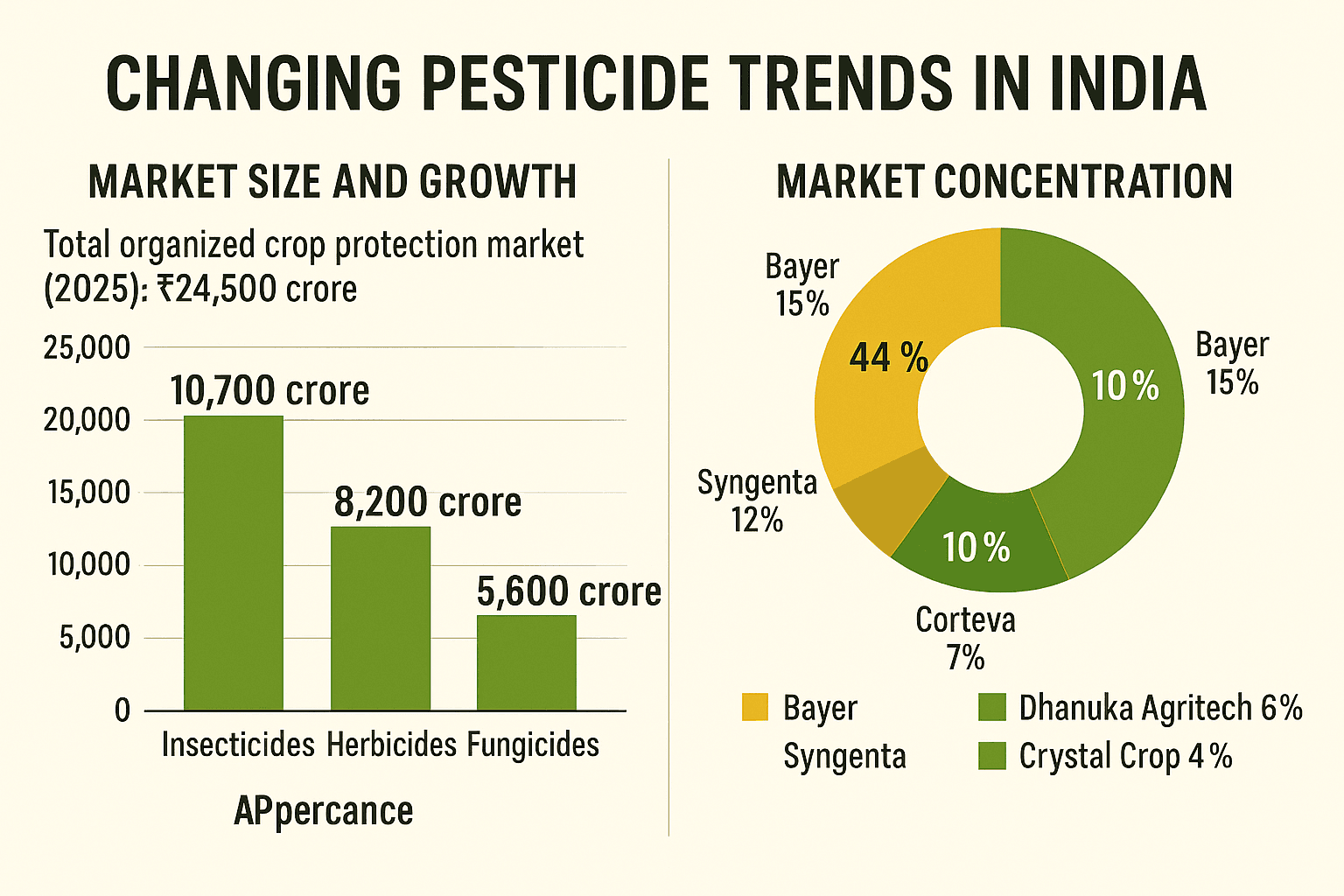
Geography: India’s organised pesticide market worth ₹24,500 cr; MNCs hold ~44 % share.

Quick Facts for MCQs

Market Dynamics

  • Growth: Herbicide demand surging on labour scarcity & mechanisation in paddy belts.
  • Share shift: Herbicides projected to nearly equal insecticides by 2025.
  • Preventive trend: Farmers moving to scheduled sprays rather than reactive weeding.

Labour & Cost

  • Saving: Chemical weeding cuts 7–9 labour-hours/acre, curbing rising wage bills.
  • Timeliness: Early sprays protect nutrients, boosting yield & fertiliser efficiency.
  • Employment: Seasonal weeding jobs declining, nudging rural workforce migration.

Corporate Landscape

  • Dominance: Four MNCs control ~44 % Indian agrochemical turnover.
  • Indian moves: Crystal Crop bought Ethoxysulfuron rights (2025) & Gramoxone brand (2023).
  • Innovation: Sikosa blend with Mitsui halves per-acre weeding cost.

Policy & Sustainability

  • Risk: Overuse may cause herbicide resistance, biodiversity loss, food residues.
  • Gap: Absence of Sinochem-like state giant; need public R&D hubs & IPR incentives.
  • Inclusion: DBT, FPO bulk buys, KVK training urged for safe, affordable access.

Key Data Points

FeatureData-Point
Organised market value₹24,500 crore
FY-2025 segment sizeInsecticides ₹10,700 cr
FY-2025 segment sizeHerbicides ₹8,200 cr
FY-2025 segment sizeFungicides ₹5,600 cr
Rural agri wage₹447/day (2024) vs ₹326 (2019)
Manual vs spray time8–10 hr vs 1–2 hr per acre
Leading MNC shareBayer 15 %, Syngenta 12 %, ADAMA 10 %, Corteva 7 %
Top Indian sharesDhanuka 6 %, Crystal Crop 4 %
Pre-emergent herbicide spendPaddy ₹550 cr; Wheat ₹200 cr

Related UPSC Prelims PYQs

GS1 2023PYQ 1

निम्नलिखित क्रियाओं पर विचार कीजिए :

GS-3Economy

4.India Electric Mobility Index 2024 Insights (Electric Mobility Index)

PIB
Illustration for India Electric Mobility Index 2024 Insights (Electric Mobility Index)

What & Where

Definition: India Electric Mobility Index (IEMI) gauges State/UT progress on electric-mobility goals.

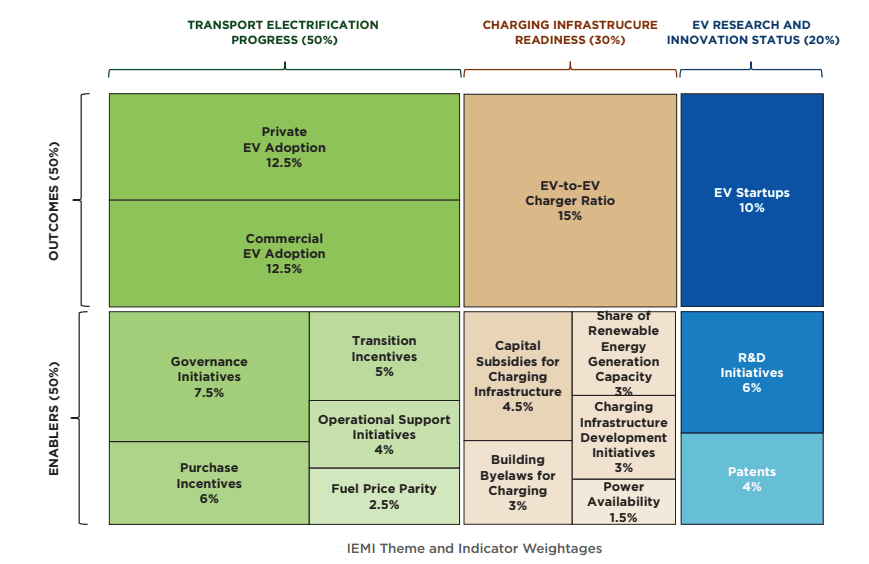
Structure: 16 indicators under Transport-Electrification, Charging-Readiness, EV R&D; composite 0-100 score.

Geography: All Indian States/UTs; 2024 leaders—Delhi, Maharashtra, Chandigarh.

Quick Facts for MCQs

Index Structure

  • Indicators: 16 split across adoption, charging, innovation.
  • Scale: Composite score enables cross-state benchmarking.
  • Purpose: Data-driven competition, gap spotting, policy calibration.

State Rankings

  • Frontrunners: Delhi, Maharashtra, Chandigarh scoring 65–99.
  • Performers: Karnataka, Tamil Nadu, Haryana scoring 50–64.
  • Aspirants: Odisha, Rajasthan, Uttar Pradesh, Ladakh, Andhra Pradesh below 50.

EV Progress

  • Penetration: India jumped from 0.23 % (2016) to 7.6 % (2024).
  • Comparison: Global average reached 16.48 % in 2024.
  • Target: EV30@30 seeks 30 % sales by 2030.

Challenges & Solutions

  • Obstacles: High financing, sparse chargers, low utilisation, awareness deficit, data gaps.
  • Support: FAME-II, Electric Mobility Promotion 2024, PM E-DRIVE, PLI, ACC storage boost supply/demand.
  • Recommendations: ZEV timeline, city-saturation strategy, pooled e-bus fund, battery leasing, stricter CAFE norms.

Key Data Points

FeatureData-Point
Launch agencyNITI Aayog
First release year2025
Indicators count16
Core themes3
Score range0–100
Frontrunner exampleDelhi (65–99 band)
Performer band50–64
Aspirant threshold<50
India EV share 20247.6 %
Global EV share 202416.48 %
Needed rise 2025-30+22 pp to hit 30 %
Key schemesFAME-II, PLI, ACC Battery

Related UPSC Prelims PYQs

GEO_GS, GS1 2022PYQ 1

The e-AMRIT web portal on electric vehicles, launched at COP26 Summit in Glasgow recently, has been developed by NITI Aayog in collaboration with the Government of

GEO_GS, GS1 2025PYQ 2

निम्नलिखित प्रकार के वाहनों पर विचार कीजिए :

GS-3Economy

5.IEA Electricity Mid-Year Update 2025 (IEA Electricity Update)

Down to Earth

What & Where

IEA Electricity Mid-Year Update 2025: biannual global snapshot of demand, generation mix, emissions

Key drivers: heatwaves, air-conditioners, data centres, electric vehicles, rapid solar–wind–nuclear additions

Geography focus: India + China furnish 60 % demand growth; IEA covers 32 members, 13 associates

Quick Facts for MCQs

Demand & Supply Trends

  • Solar+wind expected to overtake coal generation by 2025-26
  • Coal portion falls below 33 %, lowest in 100 years
  • Nuclear output grows 2 % 2025-26 with new Asian reactors

India Energy Profile

  • Thermal capacity 242.04 GW; solar leads RE at 47.06 % of non-fossil mix
  • India ranks 4th in RE, 4th wind, 3rd solar per IRENA 2025
  • Ethanol blending jumped from 1.5 % (2014) to 20 % (2025)

Tech & Schemes

  • PM-KUSUM, Surya Ghar, Solar Parks, PLI modules accelerate solar deployment
  • National Bioenergy Programme drives 150 CBG units producing 1,211 TPD by Mar 2025
  • Green Hydrogen Mission targets global production hub status

Key Data Points

FeatureData-Point
Global demand rise 20253.3 %
Global demand rise 20263.7 %
India demand growth 20254 %
India demand growth 20266.6 %
Solar + wind share 202620 % of generation
Coal share by 2026<33 % (century low)
Solar + wind share of 2025 demand increase>90 %
Nuclear output peak year2025
India installed capacity Jun 2025484.82 GW
India non-fossil share Jun 202550.08 %

Related UPSC Prelims PYQs

GEO_GS, GS1 2026PYQ 1

India's installed solar capacity in 2025 is close to

GEO_GS, GS1 2025PYQ 2

Consider the following statements:

GS-1History

6.BIMSTEC Traditional Music Festival Delhi (BIMSTEC Music Festival)

News on Air
Illustration for BIMSTEC Traditional Music Festival Delhi (BIMSTEC Music Festival)

What & Where

First-ever BIMSTEC Traditional Music Festival; regional cultural event under BIMSTEC cooperation track

Venue: Bharat Mandapam, New Delhi; hosts artists from Bangladesh, Bhutan, India, Myanmar, Nepal, Sri Lanka, Thailand

Celebrates theme “Sapta Sur: Seven Nations, One Melody” to showcase shared musical heritage

Quick Facts for MCQs

Soft Power Diplomacy

  • Showcases India’s cultural leadership within BIMSTEC via non-political engagement
  • Aligns with Vasudhaiva Kutumbakam vision of global harmony
  • Complements economic agenda with cultural cooperation track

Regional Cohesion

  • Multinational troupes foster mutual respect among South & Southeast Asian neighbours
  • Event meshes South Asian and Bay-of-Bengal cultural identities
  • Builds groundwork for broader BIMSTEC societal integration

Event Features

  • Indigenous instruments and folk genres highlight each nation’s heritage
  • Live, free performances encourage inclusive public participation
  • Symbolic shift: from trade-centric BIMSTEC to holistic regional identity

Key Data Points

FeatureData-Point
OrganiserIndian Council for Cultural Relations (ICCR), MEA
Member countries involved7 (Bangladesh, Bhutan, India, Myanmar, Nepal, Sri Lanka, Thailand)
Festival edition1st-ever
Host cityNew Delhi
Specific venueBharat Mandapam, Pragati Maidan
Festival theme“Sapta Sur: Seven Nations, One Melody”
Access modelFree & open to public
Follow-up toPM India commitment, Apr 2025 BIMSTEC Summit, Thailand
Core aimPromote regional integration & people-to-people ties
Soft-power toolTraditional music performances

Related UPSC Prelims PYQs

CAPF_GAI, GS1 2025PYQ 1

BIMSTEC के संदर्भ में, निम्नलिखित कथनों पर विचार कीजिए :

CAPF_GAI, GS1 2022PYQ 2

Which of the following sets of nations are members of the BIMSTEC Initiative?

GS-3Environment

7.Restitutionary Damages for Pollution Control (Restorative Penalties)

The Hindu
Illustration for Restitutionary Damages for Pollution Control (Restorative Penalties)

What & Where

Restitutionary damages = compensatory or guarantee payments to restore/prevent air-water harm, under Water & Air Acts.

Empowerment given nationwide to State Pollution Control Boards via SC judgment, Delhi PCC vs Lodhi Property Co.

Applicable ex-ante and ex-post; grounded in polluter-pays and precautionary principles.

Quick Facts for MCQs

Legal & Policy

  • SC clarified Boards’ power must operate through notified rules ensuring transparency, fairness, natural justice.
  • Boards can act on likelihood of harm; no need to wait for proven contravention.
  • Mandated integration of citizen complaints and community oversight mechanisms.

Governance Mechanism

  • Section 33A/31A empower Boards to issue directions including closures, service cut-offs, now extended to monetary restitution.
  • Subordinate legislation to detail assessment methods, appeal procedures, fund utilisation.
  • Civil penalty collections envisaged to finance pollution-control infrastructure.

Constitutional Basis

  • Judgment reinforces fundamental right to clean environment under Art 21 via 48A & 51A(g) duties.
  • Polluter-pays principle recognised as part of environmental jurisprudence.
  • Precautionary approach legitimises ex-ante financial safeguards.

Financial Instruments

  • Bank guarantee allows quick enforcement; forfeited on non-compliance, incentivising remediation.
  • Fixed monetary sum calibrated to restoration cost, not revenue maximisation.
  • Funds earmarked strictly for ecological recovery of affected locality.

Key Data Points

FeatureData-Point
Leading caseDPCC vs Lodhi Property Co. Ltd, 2024
Statutes invokedSec 33A Water Act 1974 & Sec 31A Air Act 1981
Nature of levyRestorative, not punitive fine
TimingMay be imposed before or after environmental damage
Possible formsFixed sum or bank guarantee
Constitutional hooksArt 48A (state) & Art 51A(g) (citizen)

Related UPSC Prelims PYQs

GS1 1999PYQ 1

Which one of the following legislations does not deal with the protection of environment?

GS1 2012PYQ 2

The National Green Tribunal Act, 2010 was enacted in consonance with which of the following provisions of the Constitution of India?

GS-3Species

8.Asian Giant Tortoise Reintroduction Nagaland (Tortoise Reintroduction)

The Hindu
Illustration for Asian Giant Tortoise Reintroduction Nagaland (Tortoise Reintroduction)

What & Where

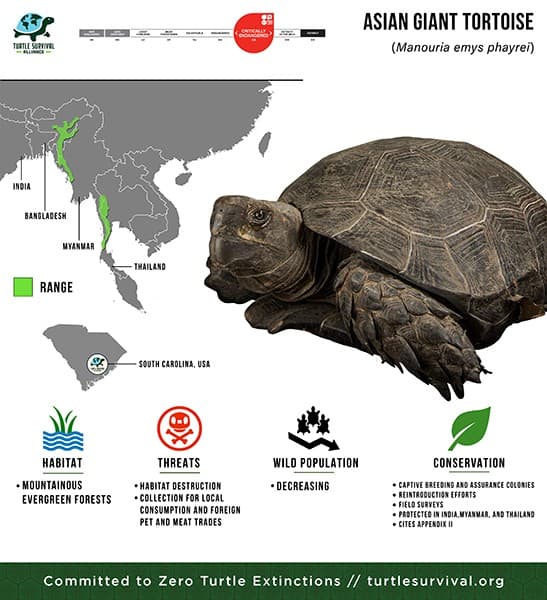
Reintroduction: 10 Asian Giant Tortoises released in Zeliang Community Reserve, Peren district, Nagaland.

Species: Manouria emys, mainland Asia’s largest land tortoise; keystone seed-disperser in moist tropical forests.

Historic range: NE India (Nagaland, Arunachal), Bangladesh to Indonesia; now severely contracted.

Quick Facts for MCQs

Biological Traits

  • Activity: Mostly diurnal, solitary, thrives in high humidity.
  • Limbs: Thick, elephant-like forelimbs for digging and soil turnover.
  • Shell: Dark, high-domed with pronounced growth rings aiding age estimation.

Ecological Role

  • Seed-dispersal: Moves large seeds across forest floor, aiding regeneration.
  • Soil-mixing: Digging behaviour aerates soil, accelerates nutrient cycling.
  • Keystone loss: Population crash risks cascading impacts on forest composition.

Legal & Policy

  • Protection: WLPA Schedule IV grants legal safeguards but lower penalties than Schedules I–II.
  • International: Listed in CITES Appendix II—regulated trade, export permits needed.
  • Enforcement gap: Habitat loss and hunting persist despite statutory coverage.

Conservation Actions

  • Captive-bred juveniles: Released under Nagaland Forest Dept–ITCP collaboration.
  • Community reserve: Local Zeliang tribe manages 377 ha forest, aligns with India’s Community Reserve model.
  • Goal: Establish founder population, monitor via tagging and periodic health assessments.

Key Data Points

FeatureData-Point
Scientific nameManouria emys
Common tagAsian Giant Tortoise
IUCN statusCritically Endangered
WLPA schedule (India)Schedule IV
Max length~60 cm carapace
Max weight>35 kg
Longevity80–100 years
Core habitatDense, moist lowland & hill forests
Unique nestingAbove-ground leaf-litter mound, guarded by female
Key Indian statesNagaland, Arunachal Pradesh
Diet typeHerbivore (leaves, fruits, fungi)
Local nickname“Small elephant of the forest”

Related UPSC Prelims PYQs

GS1 2017PYQ 1

In India, if a species of tortoise is declared protected under Schedule I of the Wild Life (Protection) Act, 1972, what does it imply?

GS1 2013PYQ 2

Consider the following:

GS-3EnvironmentQuick Bite

9.Matri Van Urban Afforestation Initiative (Urban Afforestation)

PIB

What & Where

Matri Van = 750-acre, theme-based urban forest in Aravalli hills along Gurugram–Faridabad Road, Haryana.

Flagship site under ‘Ek Ped Maa Ke Naam’ campaign; launched during Van Mahotsav 2025.

Targets NCR green buffer; complements 1,400 km Aravalli Green Wall across Haryana, Rajasthan, Gujarat, Delhi.

Quick Facts for MCQs

Ecological Measures

  • Restoration: invasive clearance, dense native plantation, waterbodies, flood-control swales.
  • Carbon-sink: urban heat island mitigation, particulate absorption for Delhi-NCR.
  • Habitat: strengthens fragmented Aravalli wildlife corridors.

Community Interface

  • Participation: citizens plant saplings in mothers’ names, sustaining social ownership.
  • Recreation: nature trails, cycle tracks, yoga zones foster eco-tourism and wellness.
  • Awareness: on-site signage, thematic groves showcase indigenous species knowledge.

Related Schemes

  • Ek Ped Maa Ke Naam links emotional appeal with mass plantation targets.
  • Aravalli Green Wall mirrors African Great Green Wall model against desertification.
  • Van Mahotsav annual festival provides recurring monitoring and outreach platform.

Key Data Points

FeatureData-Point
Launch eventVan Mahotsav 2025
Parent campaignEk Ped Maa Ke Naam
Campaign start date5 June 2024 (WED)
Project area750 acres
TerrainAravalli hill region, Gurugram–Faridabad Road
Key invasive removedProsopis juliflora
Thematic grovesBodhi Vatika, Bamboosetum, etc.
Aravalli Green Wall length1,400 km
Aravalli Green Wall width5 km
Core objectivesBiodiversity, carbon sink, public health, urban sustainability
GS-3S&T

10.LEAP-1 Commercial Satellite Mission (Commercial Satellite)

IT
Illustration for LEAP-1 Commercial Satellite Mission (Commercial Satellite)

What & Where

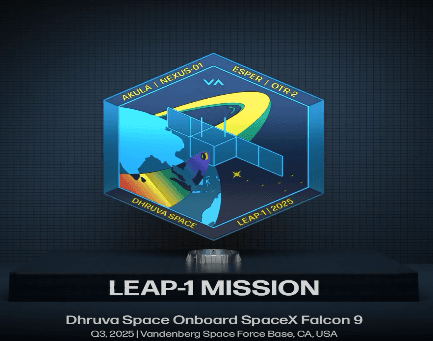
LEAP-1: first commercial satellite mission of Hyderabad-based Dhruva Space; acronym stands for Launch-Experiment-Analyze-Progress.

Launching aboard SpaceX Falcon 9 from Cape Canaveral; showcases Dhruva’s P-30 microsat bus carrying AI & hyperspectral EO payloads.

Mission hosts international customers, highlighting India-Australia-US cooperation in private space sector.

Quick Facts for MCQs

Tech & Schemes

  • P-30 bus repurposed for commercial constellations after PSLV-C58 qualification.
  • ISOCS provides unified command, data processing, customer access.
  • Self-retraining AI module enables onboard inference, reduces downlink load.

International Examples

  • Australian firms supply both AI and hyperspectral instruments to Indian platform.
  • Falcon 9 launch leverages US commercial access, illustrating multi-nation value chain.
  • Mission patch embeds flags of India, Australia, USA symbolising strategic tie-up.

Economic Angle

  • Hosted-payload model slashes capex for defence, agri, disaster-monitoring clients.
  • Dhruva first Indian private firm flying foreign commercial hardware.
  • Large Shamshabad facility targets scale manufacture for 500 kg-class satellites.

Security Dimension

  • Real-time AI supports intelligence, surveillance, reconnaissance with minimal latency.
  • Hyperspectral data aids camouflage detection, border surveillance, disaster assessment.
  • Sovereign users can rent payload slots, retaining data ownership without full satellite.

Key Data Points

FeatureData-Point
Mission nameLEAP-1
Launch vehicleSpaceX Falcon 9
Indian developerDhruva Space Pvt Ltd, Hyderabad
Foreign collaboratorsAkula Tech & Esper Satellites, Australia
Payload-1Nexus-01 in-orbit AI/ML module
Payload-2OTR-2 hyperspectral imaging sensor
Satellite busDhruva P-30 (qualified on PSLV-C58)
Ground segmentISOCS – Integrated Space Operations & Command Suite
Primary objectivesReal-time geospatial AI; low-cost hosted payload service
Corporate HQHyderabad, Telangana
Year founded2012
Upcoming facility280,000 sq ft plant, Shamshabad
Max satellite mass (future plant)Up to 500 kg
Symbolism on patchIndia-Australia-US trilateral partnership
Sector regulators backingISRO, IN-SPACe, Australian Space Agency

Related UPSC Prelims PYQs

CAPF_GAI, CDS_GK 2022PYQ 1

Which one of the following aerospace companies designed and manufactured 'Falcon 9', a reusable rocket?

CAPF_GAI, CDS_GK 2025PYQ 2

Which one of the following PSLVs, launched by ISRO, is not correctly matched with their Missions?

GS-3S&T

11.Global AI City Index 2025 Rankings (AI City Ranking)

FPJ

What & Where

Global Artificial Intelligence City Index 2025 – benchmarking study of urban AI capacity, investment, innovation.

Published by market-research firm Counterpoint Research; covers R&D, infrastructure, governance, real-world AI use.

Ranks 50+ cities worldwide; Bengaluru tops India at 26th.

Quick Facts for MCQs

Indian Ranking

  • Bengaluru leads national table; Mumbai & Delhi highlighted for traffic and public-security AI usage.
  • Chennai, Kolkata complete India’s top-five domestic positions.
  • No Indian city in global top-25, signalling competitiveness gap.

Evaluation Metrics

  • R&D ecosystem weightage includes publication volume & academic partnerships.
  • Investment pillar tracks VC inflows and public–private partnerships.
  • Infrastructure scores factor data-centre capacity and AI supercomputing availability.

Policy & Governance

  • Report urges India to craft unified AI regulatory framework for ethics, privacy, safety.
  • Highlights need for coordinated education programs to supply AI talent pipeline.
  • Notes regional trend toward government-funded AI supercomputers shaping policy decisions.

Key Data Points

FeatureData-Point
PublisherCounterpoint Research
Latest edition2025
Global #1 citySingapore
Global Top-5 listSingapore, Seoul, Beijing, Dubai, San Francisco
India’s highest rankBengaluru – 26th
Other noted Indian citiesMumbai, Delhi, Chennai, Kolkata
Core evaluation pillarsR&D ecosystem, startups, investment, AI applications, data-centre infrastructure
Bengaluru’s strengthStartup density & data-centre expansion
Report concern for IndiaNeed stronger AI roadmap & regulations
Fastest-growing cities flaggedBengaluru, Riyadh, Hangzhou

Related UPSC Prelims PYQs

ESE_GS, GS1 2025PYQ 1

ग्रैण्ड पैलै (Grand Palais) पेरिस में नवम्बर 2025 में आयोजित होने वाले AI शिखर सम्मेलन के सन्दर्भ में, निम्नलिखित कथनों पर विचार कीजिए :

ESE_GS, GS1 2021PYQ 2

According to the National Institutional Ranking Framework 2020, which institute was on the top in overall ranking ?

GS-3S&TQuick Bite

12.AI-Designed Proteins Boost T-Cell Production (AI Protein Design)

The Hindu
Illustration for AI-Designed Proteins Boost T-Cell Production (AI Protein Design)

What & Where

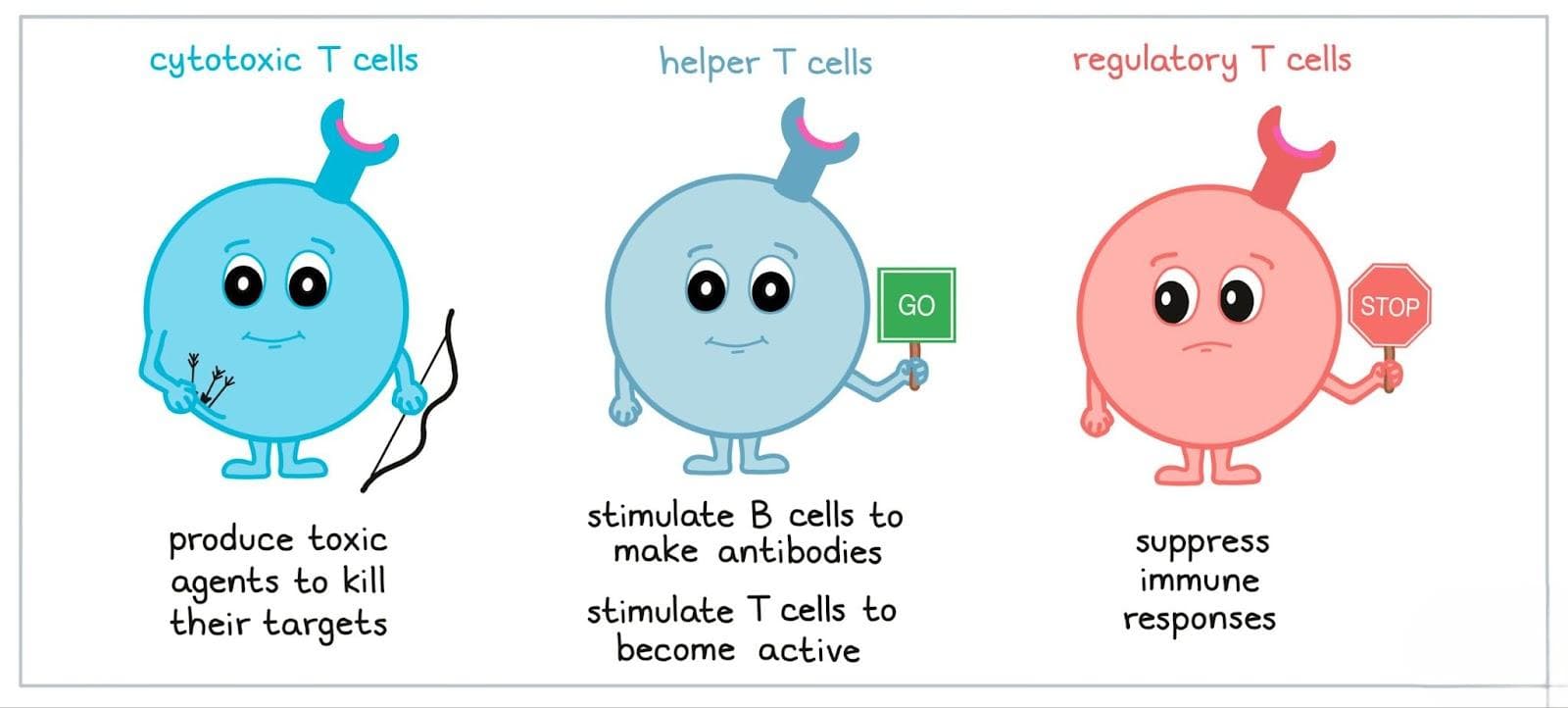
Innovation: AI-designed synthetic protein activator stimulates Notch signalling to mass-produce T cells

Location: Developed at Harvard labs, applicable inside human body bioreactors

Focus cells: Immune progenitors converted into functional T lymphocytes

Quick Facts for MCQs

Biotech Mechanism

  • Synthetic activator binds Notch receptors, safely mimics natural ligands inside human milieu
  • AI algorithms optimise amino-acid sequences for stability, specificity, low immunogenicity
  • Progenitor cells: intermediates between stem and mature cells, driving tissue regeneration

Therapeutic Uses

  • CAR-T manufacturing receives scalable, cost-lowering T cell supply boost
  • Engineered proteins envisaged to tether T cells directly to tumour antigens, heightening anti-tumour immunity
  • Memory T cell induction promises stronger, longer vaccine responses against viruses

Notable Awards

  • David Baker’s Nobel underscores rising status of computational protein engineering
  • Prize citation credits AI methods that enabled current Harvard breakthrough

Key Data Points

FeatureData-Point
Core pathwayNotch signalling
Target cell outputLarge-scale T cells
Key techAI-based protein design
Lead institutionHarvard University
Nobel 2024 ChemistryDavid Baker, computational protein design
Pre-clinical resultEnhanced Memory T cells in animals
Main therapy aidedCAR-T cancer treatment
GS-2Infrastructure

13.Northeast Rail Connectivity under Act East (Northeast Rail Connectivity)

The Hindu
Illustration for Northeast Rail Connectivity under Act East (Northeast Rail Connectivity)

What & Where

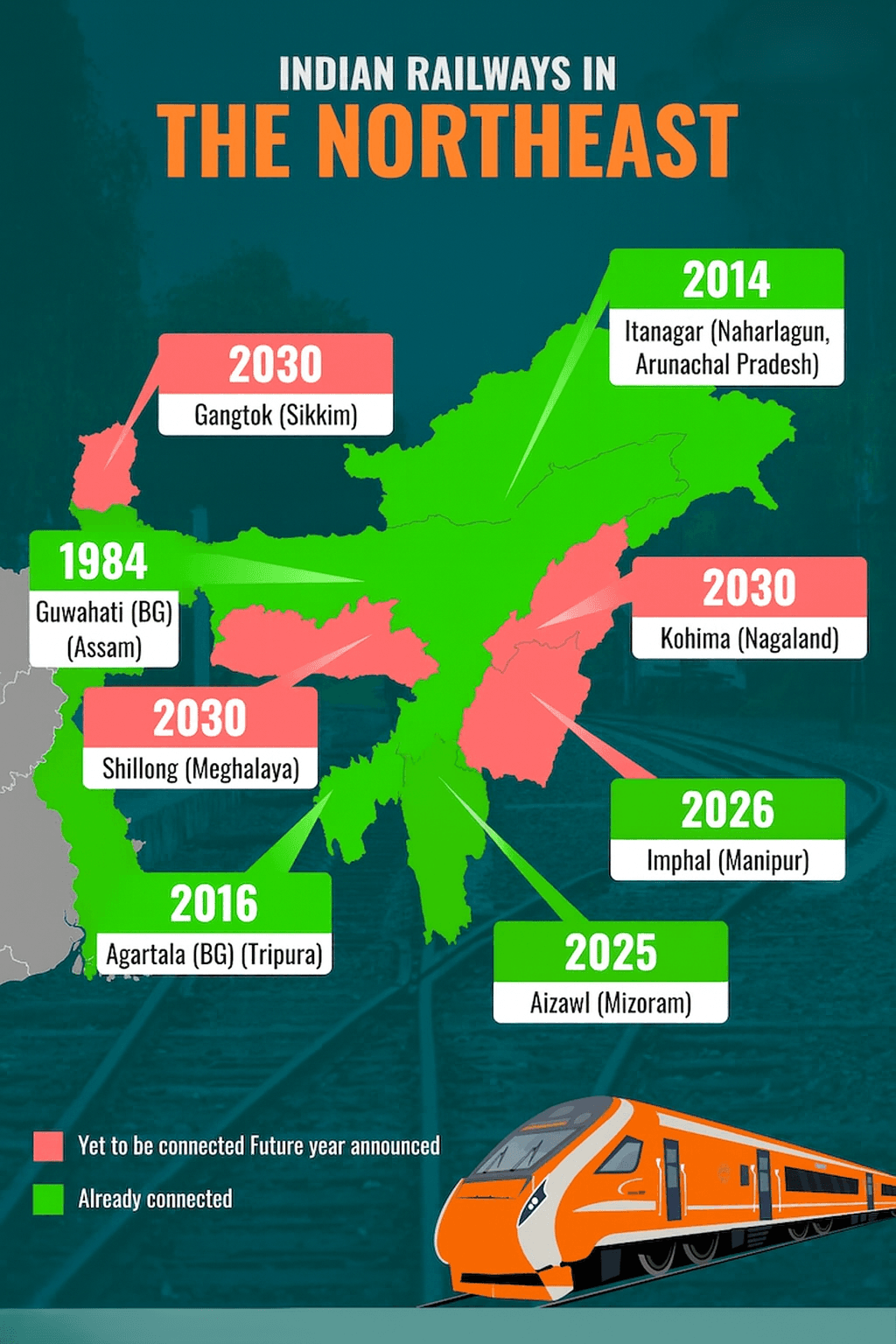
Bairabi–Sairang broad-gauge rail, 51.38 km, connects Bairabi (Assam border) with Sairang near Aizawl, Mizoram.

Part of Act East corridor positioning Northeast as India’s overland gateway to Myanmar, Bangladesh, ASEAN.

Hilly alignment hosts 48 tunnels, 142 bridges; Commissioner of Rail Safety clearance obtained June 2025.

Quick Facts for MCQs

Infrastructure Push

  • Expansion: SARDP-NE roads, airports, Gati Shakti logistics, 4G saturation, BharatNet digital backbone.
  • Waterways: Brahmaputra Ro-Ro lowers freight cost, supports multimodal grids.
  • Rail: Connectivity reached Arunachal, Nagaland, Manipur; Bairabi–Sairang vital Mizoram link.

Economic Angle

  • Sairang railhead slated as transhipment node for Sittwe & Chittagong port cargo.
  • Improved access spurs private investment, jobs, market integration, narrows regional disparity.
  • Corridor underpins future Indo-ASEAN trade via Kaladan and IMT Trilateral Highway.

Implementation Challenges

  • Geopolitics: Myanmar conflict stalls Kaladan; Bangladesh volatility delays Agartala–Akhaura rail.
  • Security: Insurgency, Manipur 2023 clashes hamper Imphal–Moreh rail, Asian Highway-1.
  • Terrain: Siliguri chokepoint, floods, landslides, ecological opposition slow projects.

Policy & Security

  • Act East 2014 upgrades Look East; emphasises connectivity, trade, defence with Indo-Pacific.
  • Regional fora: BIMSTEC, BBIN leveraged for cross-border logistics, maritime access.
  • Stress on disaster-resilient, PPP-driven, ESIA-cleared projects for inclusive, secure growth.

Key Data Points

FeatureData-Point
Commissioning targetFY 2025-26
Line length51.38 km
Tunnels48
Cumulative tunnel length12.85 km
Bridges142
Original Mizoram rail1.5 km metre-gauge (Bairabi–Silchar)
Safety clearance dateJune 2025
NESIDS projects sanctioned90
NESIDS projects completed30
Revived Ro-Ro serviceBrahmaputra River

Related UPSC Prelims PYQs

CAPF_GAI, NDA_GAT 2022PYQ 1

As part of the Look/Act East Policy, which one of the following capitals of North-East Indian States is proposed to be connected with Bangladesh via rail route?

CAPF_GAI, NDA_GAT 2022PYQ 2

Which one of the following States/UTs was connected with the Indian Railways network in the year 2021?

GS-3Security

14.India–Philippines Bilateral Naval Exercise (Naval Exercise)

Hindustan Times

What & Where

First-ever bilateral India–Philippines naval drill; objective – enhance interoperability & assert freedom of navigation.

Held for two days inside Philippine Exclusive Economic Zone, South China Sea (western Pacific marginal sea).

Indian assets: INS Delhi (destroyer), INS Shakti (fleet tanker), INS Kiltan (ASW corvette).

Quick Facts for MCQs

Security Dimension

  • Symbolic pushback against Chinese Nine-Dash Line; showcases FONOPs commitment.
  • Drills sharpen ASW, replenishment & air-defence coordination between navies.
  • Enhances maritime domain awareness in one of world’s busiest sea-lanes.

Policy Angle

  • Supports India’s Act East & “Necklace of Diamonds” outreach to Indo-Pacific littorals.
  • Adds heft to Manila’s balancing strategy amid West Philippine Sea tensions.
  • Strengthens bilateral defence diplomacy ahead of expanded arms-trade (BrahMos deal).

Geography

  • South China Sea borders China, Taiwan, Philippines, Vietnam, Malaysia, Brunei, Indonesia.
  • Connects Taiwan Strait (NE) to Strait of Malacca (SW); vital for ~$3 trn annual trade.
  • Features resource-rich shelves plus overlapping EEZ claims among seven littoral states.

Key Data Points

FeatureData-Point
Partner naviesIndian Navy & Philippine Navy
Edition1st bilateral exercise (2024)
Exercise span2 days
Exact zonePhilippine EEZ, South China Sea
Indian shipsINS Delhi, INS Shakti, INS Kiltan
South China Sea area≈ 3.68 million km²
Maximum depth5,016 m (China Sea Basin)
Notable islandsParacel, Spratly, Macclesfield Bank, Scarborough Shoal
Major rivers drainingPearl, Red, Mekong
Disputed claimChina’s “Nine-Dash Line”

Related UPSC Prelims PYQs

CDS_GK, ESE_GS 2022PYQ 1

Which one of the following countries did the Indian Navy participate in the U.S. Navy-led Southeast Asia Cooperation and Training (SEACAT) military exercise, to demonstrate its maritime manoeuvres?

CDS_GK, ESE_GS 2020PYQ 2

The maiden trilateral naval exercise involving India, Singapore and Thailand was held at

GS-3SecurityQuick Bite

15.Army Integrated Battle Group Upgrades (Integrated Battle Groups)

Times of India
Illustration for Army Integrated Battle Group Upgrades (Integrated Battle Groups)

What & Where

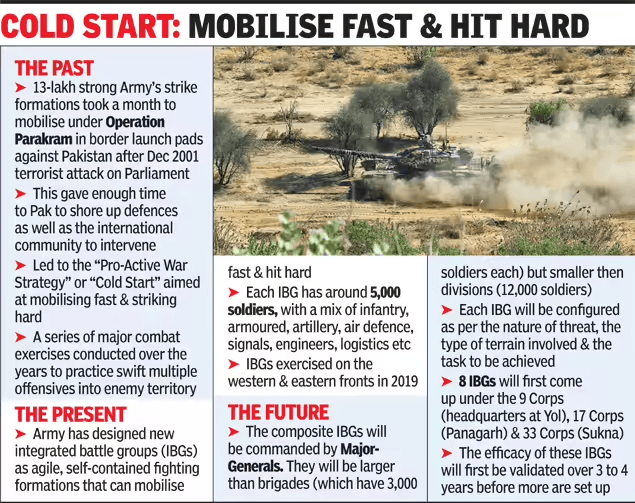
Integrated Battle Groups: brigade-sized, agile, self-sufficient formations for rapid strikes along China & Pakistan borders.

Rudra all-arms brigades and Bhairav light commando battalions raised under post-Operation Sindoor restructuring.

High-altitude and western frontiers get Akash Prime, QRSAM air-defence regiments for layered cover.

Quick Facts for MCQs

Structural Reform

  • Rudra all-arms brigades integrate six combat-support arms into one composite formation.
  • IBGs aim 72-96-hour mobilisation versus weeks under legacy Corps structures.
  • Bhairav light commandos add offensive options beyond existing Para SF, Para (Airborne).

Defence Tech

  • Shaktibaan artillery features Divyadrishti drones for target acquisition and loitering-munition precision strikes.
  • Dedicated drone platoons institutionalised in >400 infantry battalions for ISR, strike, logistics.
  • AAD beefed with Akash Prime & QRSAM for high-altitude, quick-reaction coverage.

Security Dimension

  • Reforms driven by dual-front threat matrix: LAC with China, LoC/IB with Pakistan.
  • Future-ready posture emphasises swift punitive incursions below nuclear threshold.
  • IAF cooperation vital for integrated air defence and close air support.

Key Data Points

FeatureData-Point
Purpose of IBGRapid cross-border strike capability
Rudra brigade mixInfantry + Armour + Artillery + Engineers + UAVs + SF
Bhairav battalions planned40–50 units
Infantry units with drone platoons>400 battalions
New artillery regiments‘Shaktibaan’ with ‘Divyadrishti’ loitering munitions
New AAD assets2 Akash Prime & 3 QRSAM regiments
Operational triggerPost-Operation Sindoor China-Pakistan threat

Related UPSC Prelims PYQs

CAPF_GAI, ESE_GS 2023PYQ 1

What are Airawat, Param Siddhi, Pratyus and Mihir?

CAPF_GAI, ESE_GS 2024PYQ 2

Ministry of Defence signed contract with which one of the following organizations for Upgraded Super Rapid Gun Mount (SRGM) and other equipment for around 3000 crores?

GS-2Scheme

16.Pradhan Mantri Kisan Sampada Yojana (Food Processing Scheme)

PIB

What & Where

PM Kisan Sampada Yojana: Central-sector umbrella for agro-marine processing & agro-processing clusters across India.

32 new projects (₹406 cr) sanctioned, spread over 17 States under MoFPI.

Aims: processing capacity, value-addition, wastage cut, steady farmer income.

Quick Facts for MCQs

Tech & Schemes

  • Seven components: Mega Food Parks, Cold Chain, Agro-Clusters, B&F Linkages, Processing Capacities, Food Safety infra, HR & Institutions.
  • Grants capped by component; aim to modernise existing units and build new preservation infrastructure.
  • Subsidy disbursed as grants-in-aid directly to investors.

Economic Angle

  • Processed-food market projected to jump from US $322 bn (2016) to US $543 bn (2020).
  • High 14.6 % CAGR indicates robust investment pull in rural supply chains.
  • New 32 projects leverage ₹406 cr, boosting ancillary logistics & packaging sectors.

Employment & Rural Impact

  • Projects designed to create both direct and indirect jobs, predominantly in rural areas.
  • Modern processing enhances shelf-life, securing year-round farmer revenue streams.
  • Value-addition reduces post-harvest losses, raising net returns at farm gate.

Key Data Points

FeatureData-Point
Launch year (as SAMPADA)2016
Renamed as PMKSY2017
Scheme typeCentral Sector
Total outlay 2016-20₹6,000 crore
Capital subsidy range35 %–75 % eligible cost
Current projects sanctioned32
States covered in latest tranche17
Latest private+public investment₹406 crore
Expected processed-food market 2020US $543 bn
Sector CAGR 2016-2014.6 %

Related UPSC Prelims PYQs

CAPF_GAI, GEO_GS 2025PYQ 1

Which one among the following schemes focuses on developing modern infrastructure and optimizing supply chain from farm to retail in Indian agriculture sector?

CAPF_GAI, GEO_GS 2026PYQ 2

Which one of the following government schemes in India promotes organic farming?

Ready to practice?

Test your knowledge with our UPSC test series.

Start Free Trial